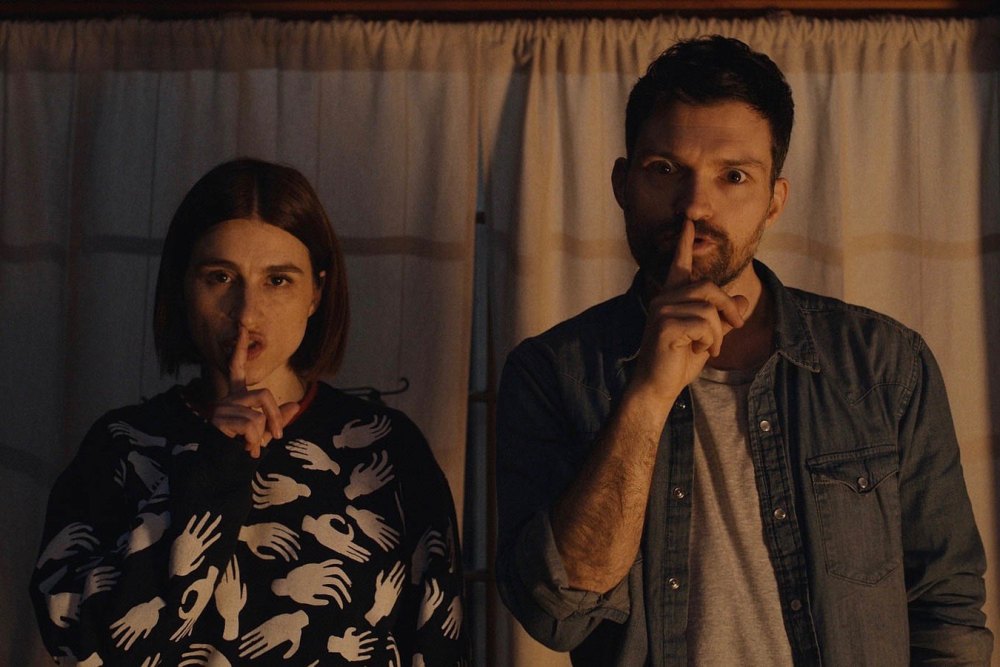
When most cinephiles think about sensational movies, images of sweeping panoramas, glossy blockbusters, or million‑dollar effects usually come to mind. Big sets. Big budgets. Big explosions. Scare Me isn’t that kind of film, at all. In fact, Scare Me laughs in the face of all that and asks you to pull up a seat at the fireside. Josh Ruben’s delightfully wild excursion into the human mind proves that the most expansive set in the world is the human imagination, and the scariest monster might be the one inside your head, telling you you’re not good enough.
Ruben serves as writer, director, and co‑lead, crafting what feels like a mash‑up of white‑noise analog tropes: part vintage 1930s radio play, part ’90s character study, and part ’80s creature feature, all contained within four wooden walls during a power outage. The premise is simple: two storytellers locked in a cabin during a blackout challenge each other’s horror narratives, and the results are far weirder, darker, and more emotionally incisive than the competition ever intended.
This isn’t just a movie, it’s a provocative stunt executed with poise and wit. By removing the usual visual safety net of genre fare, no jump‑scare ghosts bursting out of darkness, no CGI monsters stomping through forests, Ruben forces us to confront the raw power of performance and imagination. The effects in Scare Me aren’t spun from latex or digital rendering; they are made of facial distortion, vocal dexterity, and an uncanny ability to sustain dread through nothing more than a voice and a shadow.
Before we had creature FX or green screens, we had campfire stories. Scare Me returns us to that primal space, where every whispered syllable feels like fire in the dark.
The Cabin: A Theatre of Shadows
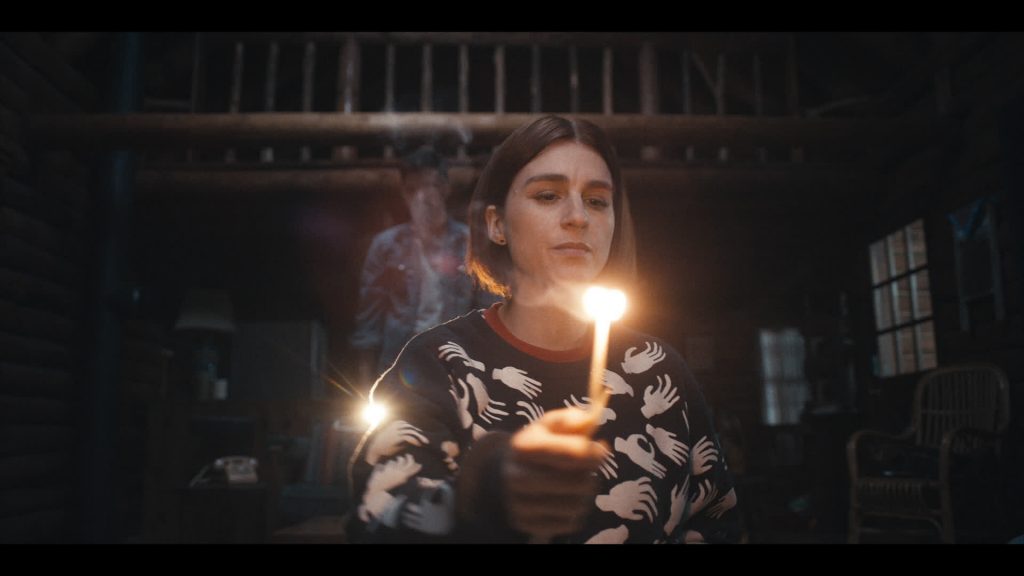
In most horror movies, the house is a location, a setting detached from psyche and purpose. In Scare Me, the cabin becomes a living, breathing participant. Its walls absorb every word, its surroundings stretch and contract depending on who holds the floor, and its silence is thick enough to choke on.
When Fred, Ruben’s character, is telling a story, the room feels constricted and unremarkable, mirroring his own limitations: derivative, anxious, and full of self‑pity. But when Fanny takes over with her style, command, and presence, the same room seems to breathe with possibility. The silence shifts from blank vacancy to charged anticipation. Light and darkness are more than aesthetic choices here; they become props in the game of narrative dominance.
Ruben uses the darkness not as a gap in the frame, but as a canvas. Every floorboard creak becomes a tool; every breath and pause becomes an invitation or a threat. With nothing but shadow and sound, the cabin transforms from a hollow structure into an immersive arena where every mental leap feels like you’re hanging inches from the abyss.
Fanny Addie: The Force of Nature You Can’t Ignore
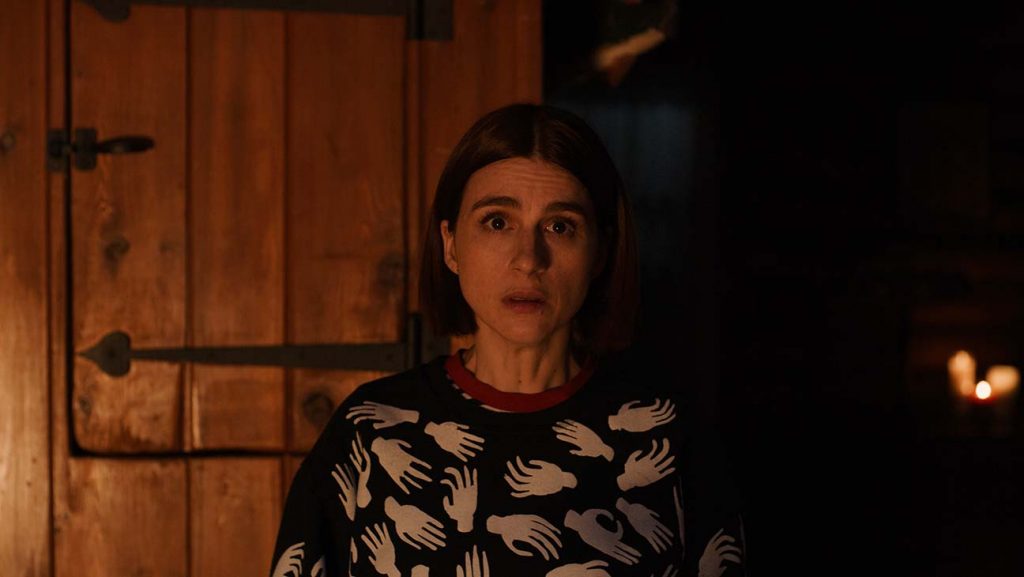
Let’s talk about Fanny Addie, because if you don’t love her by the halfway mark, you might be dead inside.
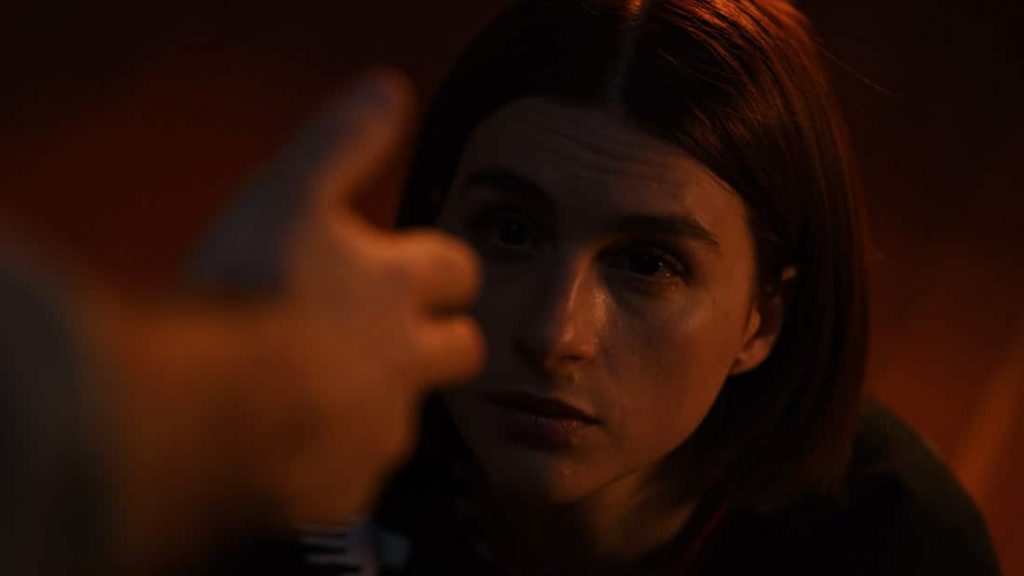
Portrayed by Aya Cash with a vivacity that practically crackles off the screen, Fanny walks into Fred’s stagnant, self‑pitying world like a muse set on fire. She is audacious, unapologetic, and devastatingly articulate about the mechanics of horror storytelling. Where Fred stutters, she is precise; where he repeats clichés, she dismantles them.
Fanny doesn’t just tell stories, she throws narrative punches. Watching her eviscerate Fred’s undercooked werewolf tale isn’t just entertaining; it’s a master stroke in performance energy. She embodies the idea that horror isn’t about cheap wake‑ups, but about mining fear from truth, insecurity, and the uncomfortable corners of the psyche most storytellers are afraid to visit.
Cash’s performance doesn’t rest on exposition or gimmicks. She transitions from playful ribbing to something eerily convincing, a grim storyteller capable of channeling archetypal monsters with nothing but sheer conviction. She isn’t merely in character; she owns the space, bending silence and mock intensity with equal ferocity.
Fanny Addie isn’t just a clever wordsmith, she’s a reckoning.
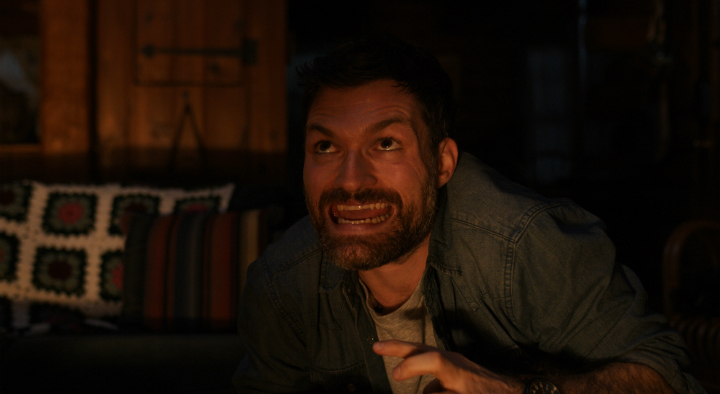
Fred and the Collapse of the Alpha Archetype
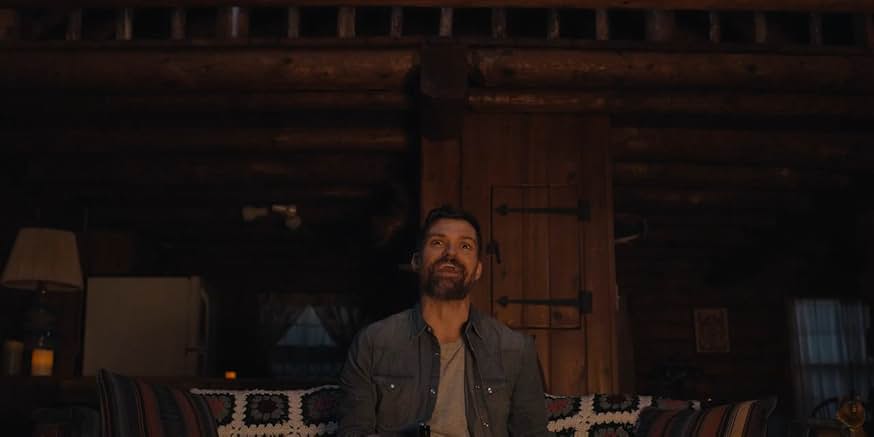
Opposite Fanny stands Fred Ruben’s own portrayal of every aspiring artist who confuses wanting to make art with having something worth making. Fred’s brand of insecurity is both comically exaggerated and painfully familiar: the frustrated genius who can’t actually write, only complain.
Fred is every person who thinks a good idea is the same as good execution. He’s the man of the house who can’t light a fire, who isn’t funny without an audience, and who crumbles when challenged. His storytelling bravado is an act and when Fanny arrives, every brittle piece of that facade snaps.
The way Ruben films Fred’s descent is one of the movie’s quiet triumphs. Without resorting to supernatural horror, the film turns Fred’s unraveling into its own psychological terror. His resentment, entitlement, and defensiveness build with a kind of relentless precision that feels more unsettling than any ghost story he narrates.
Here, the real monster isn’t supernatural, it’s the ego unmasked and outwitted.
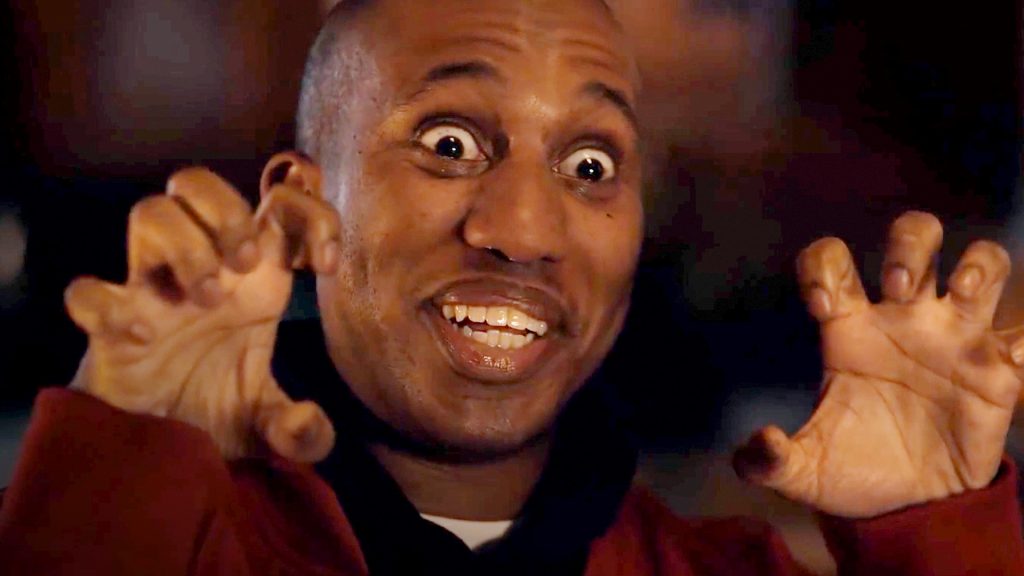
Carlo: The Everyman Thrown Into Chaos
Just as the tension between Fred and Fanny reaches a fever pitch, the story introduces Carlo, the pizza delivery guy played by Chris Redd. His presence flips the dynamic from a two‑person duel to a chaotic three‑way improv nightmare.
Carlo’s energy is that of the audience observer, confused, amused, skeptical, and occasionally horrified. He reacts the way we would: laughing at absurdity one moment and genuinely wanting to escape the next. In doing so, he represents the audience on screen, refusing to be complicit in either Fred’s ego trip or Fanny’s storytelling dominance. The introduction of Carlo shifts the tonal compass of the movie. The storytelling game becomes a performance, a play for admiration and laughter. It adds a raw, unpredictable layer to the proceedings that is part comedy ensemble and part existential experiment.
This three‑way dynamic becomes a perfect storm of contrasting impulses: insecurity vs. mastery, ego vs. talent, performance vs. reaction. It’s like watching three different horror movie archetypes wrestle in a room where the monster is narrative itself.
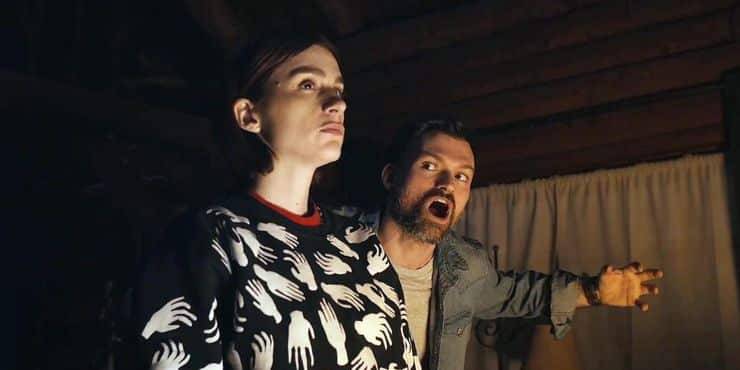
The Sound Of Fear: Foley as Theater
One of Scare Me’s most brilliant conceptual tricks is how it reimagines sound design. With no monsters on screen, no special effects rigs, and virtually no props, Scare Me uses the actors as its sound palette.
Josh Ruben’s background in character work and vocal performance becomes a fundamental tool here. The wet squelch of a heart being ripped out. The guttural growl of an imagined beast in the woods. The frantic, shrill howl of a demonic child. All of these are produced live, in the room, with nothing but talent and commitment.
This approach reframes practical effects. If latex and foam are traditional practical effects, then vocal foley and bodily sound are next‑level practicality. It’s visceral, unpredictable, and rooted in the human source, the same place fear itself originates.
The soundscape is, at once, both minimal and overloaded. When Fanny joins in, layering her vocal textures on top of Ruben’s, the room becomes a carnival of dissonance, humor, and threat. It’s messy, hilarious, menacing, and utterly engaging, a testament to how much power a voice can hold.
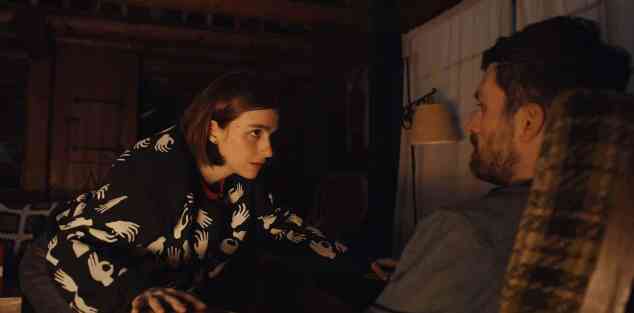
The Demonic Grandpa: A Study in Absurdity
Among the film’s most memorable sequences is the storytelling battle that descends into the surreal: the tale of a demonic grandpa. On paper, this sounds absurd, like a joke premise that should land flat. What saves it is the group’s total commitment and the way Ruben frames it.
There are no effects rigs, no VR ghosts, no pre‑recorded screams. Just humans embodying the essence of their own imagination. The demonic grandpa becomes an exercise in collective invention and outrageous performance, and through that, it becomes unsettling.
Comedy and horror aren’t opposites in Scare Me, they’re two sides of the same coin. By embracing the ridiculous and investing it with genuine emotional stakes, the film transforms silliness into an eerie, uncanny experience. This sequence and others like it reinforces the idea that fear doesn’t need polish. It needs commitment.
Toxic Masculinity as the Real Haunting
While Scare Me is riotously funny and wildly inventive, it’s also a sharp social critique. Underneath the jokes and loud performances lies a focused examination of entitlement, ego, and insecurity. Fred’s unraveling isn’t driven by ghosts or demons, it’s driven by his inability to let someone else be better than him.
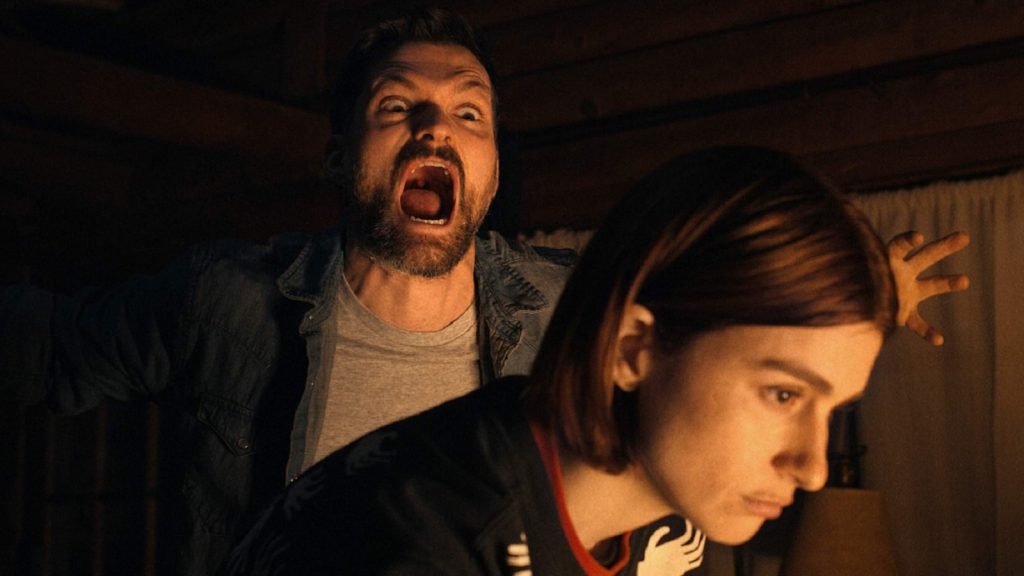
Fred’s resistance to being outshined, to being critiqued, to being genuinely challenged, pushes him toward a kind of self‑destructive despair. His stories become more aggressive, more insistent, and ultimately more misogynistic as the night progresses. The horror isn’t in the dark forest; it’s Fred.
Fanny’s presence forces Fred to confront his own limitations, his resistance to self‑reflection, his need for validation, and his deep fear of irrelevance. That’s where the film’s true dread lies: in the collapse of ego, in the spotlight that exposes insecurity, and in the realization that the monster we most fear might be our own self‑importance.
Scare Me knows that the real horror isn’t lurking outside the door, it’s slouching like a beast inside him.
Deconstructing Tropes: Meta‑Horror as Play
One of the film’s strengths is how it engages in meta‑commentary. Fred and Fanny act as their own critics, dissecting tropes such as:
- Jump scares
- Final girls
- Unreliable narrators
- Derivative storytelling
Rather than blindly LEGO‑building plot mechanics from horror clichés, Scare Me interrogates them. When Fanny calls out Fred’s werewolf story for being derivative, she’s not just insulting a genre trope (though she is, quite brilliantly) she’s challenging the audience (and Fred) to look deeper.
The film uses comedic critique as a weapon, leading the viewer down one narrative path before yanking them into another. This self‑aware playfulness doesn’t undercut the horror, it heightens it, because every bit of comedy relaxes the audience just enough for the next psychological surprise to land. It’s a kind of storytelling sleight of hand that makes the viewer complicit, laughing, thinking, and finally feeling the unsettling weight of the tales themselves.
Visual Style and Ruben’s Direction
What Ruben accomplishes visually within a single room is nothing short of a miracle. With minimal sets and no expansive locations, he uses close‑ups to capture every eye twitch, every nervous tic, and every bead of sweat. The camera doesn’t stand at a distance. It inhabits the space with the actors.
Even though there are no monsters on screen, the camera movement mirrors the emotional currents of performance. Quick shifts when a story escalates. Lingering holds when an empathy gap opens between characters. It’s kinetic, attentive, and acutely aware that horror can bloom in the tiniest visual corner. Ruben’s directorial style here feels alive because it is alive. The actors, the camera, and the sound all become tools of fear, laughter, and suspense. It’s a testament to how much filmmaking can achieve with nothing but intention and ingenuity.
Why Scare Me Matters
Ultimately, Scare Me is a celebration of narrative tension, performer commitment, and the fun of horror itself. It’s not a film built from spectacle. It’s built from interaction: between two artists, between performers and audience, and between tradition and innovation.
This movie doesn’t just remind us of where horror came from, it shows us where it can still go.
Whether it’s Aya Cash’s devastatingly perfect performance, the howl‑like foley work conjured from human bodies, or the way the story lets you feel each crack in Fred’s ego, Scare Me lodges itself in the viewer’s mind like a whisper in the dark, vivid, unsettling, and unforgettable.
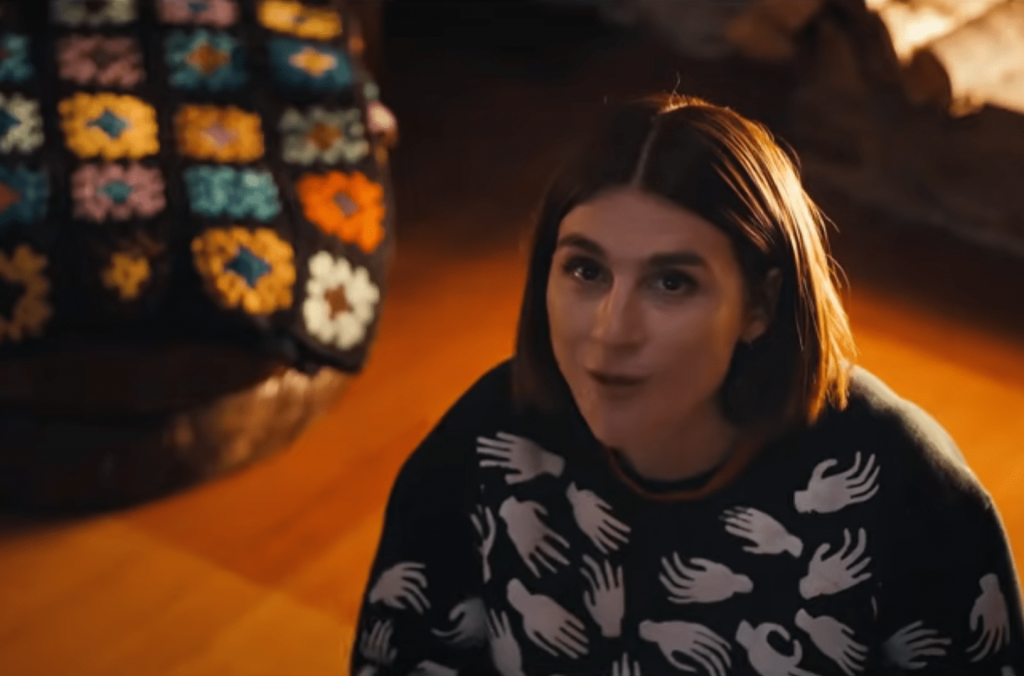
Everyone Needs a Fanny Addie
Scare Me honors the grit and joy of horror. It speaks to the fans who grew up on creature features, psychological thrillers, midnight screenings, and late‑night storytelling games. It embraces the embodied act of telling a story, a fight against silence, against fear, and against self‑doubt.
To make a great horror movie you don’t always need a ghost, a budget, or a soundstage. Sometimes you just need:
- a dark room
- a compelling yarn
- a fearless performer
- the audacity to tell it
So find a dark night, turn off your phone, and let Fred, Fanny, and Carlo scare the hell out of you. You won’t regret it, even if you never look at a pizza delivery guy or a struggling writer the same way again.
It is, quite simply, one of the sharpest, funniest, and most inventive horror comedies in years, a rare jewel forged in shadows, wit, and storytelling fire.
Leave a Reply