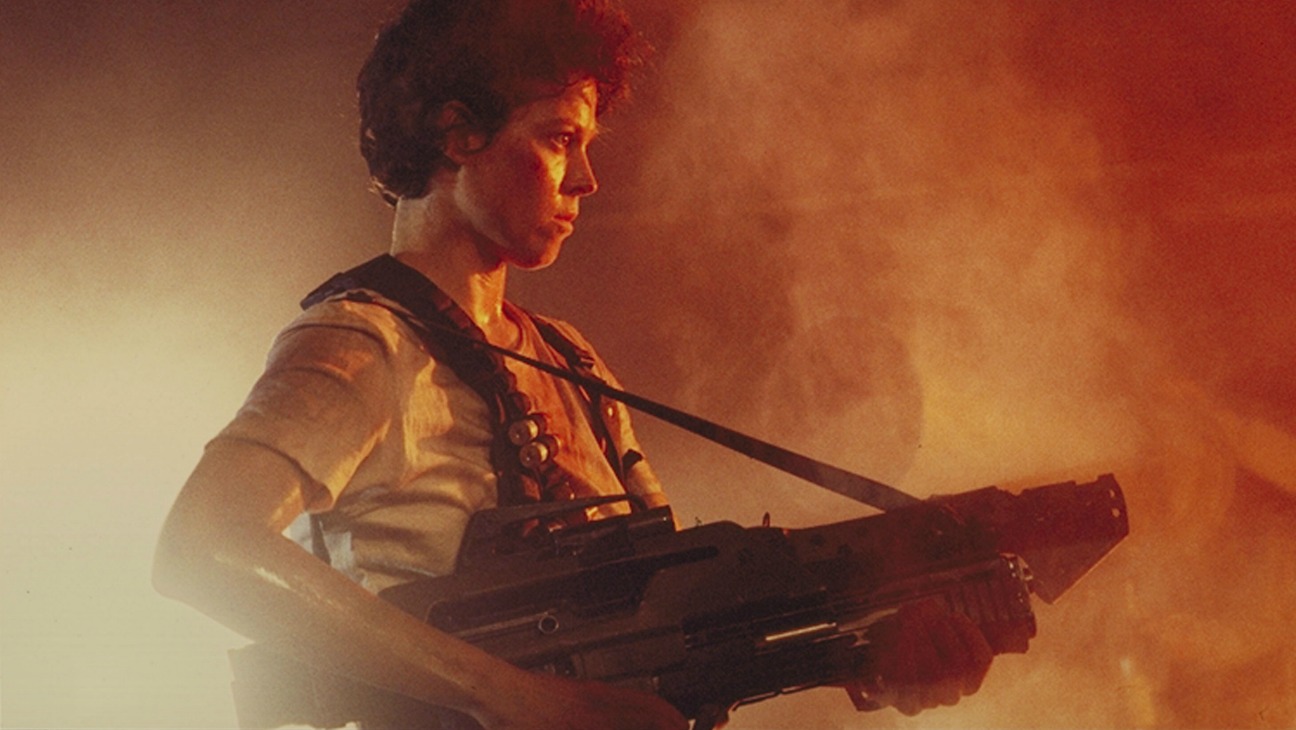
In 1986, James Cameron took Ridley Scott’s slow-burning nightmare and turned it into something louder, meaner, and infinitely more dangerous. Aliens didn’t just continue the story of the xenomorph, it escalated it. The lonely terror of a haunted freighter became a full-scale war in the dark, where pulse rifles rattle through steel corridors and motion trackers scream warnings into the void. Even now, forty years later, the film still towers over the genre like a smoking dropship engine: brutal, relentless, and almost impossible to match.
Decades have passed since Ellen Ripley first climbed into that Power Loader, yet no sequel, prequel, or spin-off has ever replicated the raw, kinetic power of this film. It didn’t just follow Ridley Scott’s ‘haunted house in space’; it evolved the entire species into a ‘Vietnam War in Hell.’ What follows is a full examination of the film itself, its characters, its world, its creature effects, and the filmmaking choices that helped turn it into one of the most influential science-fiction films ever made.
Lock and load, grunts, it’s time to get to work.
The 57-Year Hangover
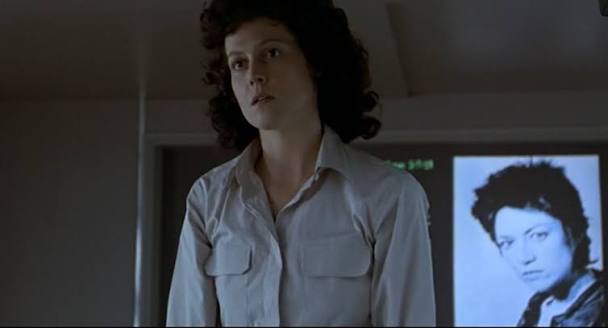
The film opens with a chilling, blue-tinted silence. We are back on the Narcissus, drifting in the void. When Ellen Ripley is finally recovered after 57 years of cryo-sleep, she isn’t met with a parade. She’s met with a corporate inquest that feels more like a crucifixion.
Sigourney Weaver’s performance here is the iron-clad foundation of the entire narrative. She isn’t the action hero yet; she is a woman hollowed out by loss. The revelation that her daughter, Amanda, lived an entire life and died of old age while Ripley was on ice is a devastating blow. It transforms Ripley from a mere survivor into a ghost haunting her own timeline.
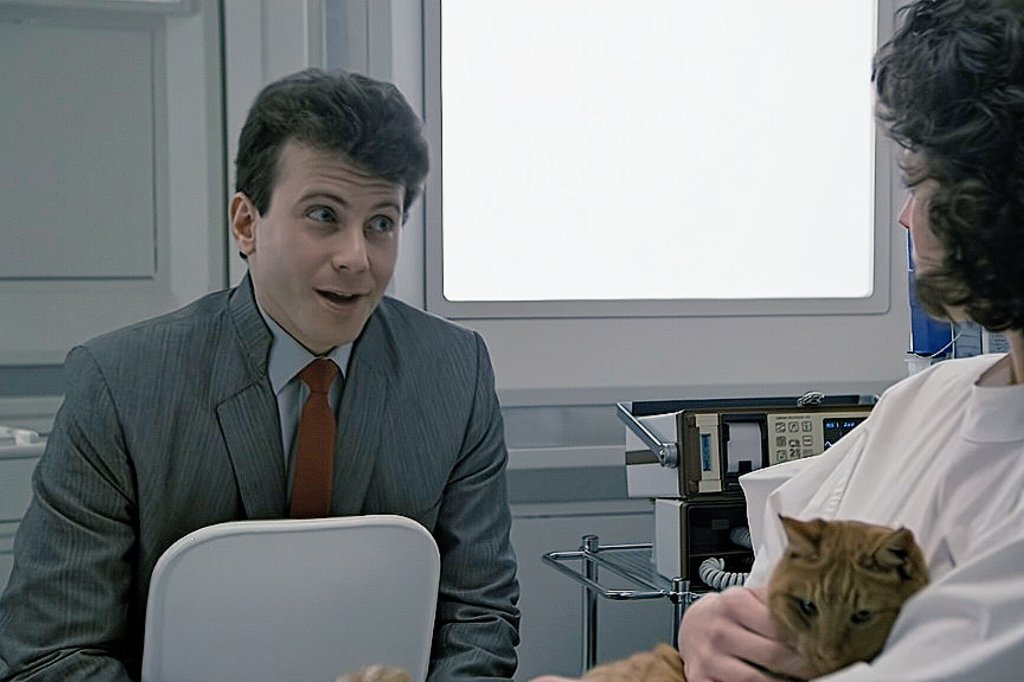
Then come the suits. Paul Reiser as Carter Burke is the epitome of yuppie villainy. He doesn’t need claws to be a monster; he just needs a spreadsheet. His dismissal of Ripley’s trauma, and his casual mention that LV-426 is now a Shake ’n’ Bake colony housing hundreds of families, sets a fuse that burns throughout the movie. The Company (Weyland-Yutani) is the true, enduring antagonist of this universe. They view human life as a rounding error on a quarterly report, proving that the most dangerous thing in space isn’t always the alien; sometimes it’s the guy in the tie protecting the investment.
The Colonial Marines: The Blue-Collar Grunts
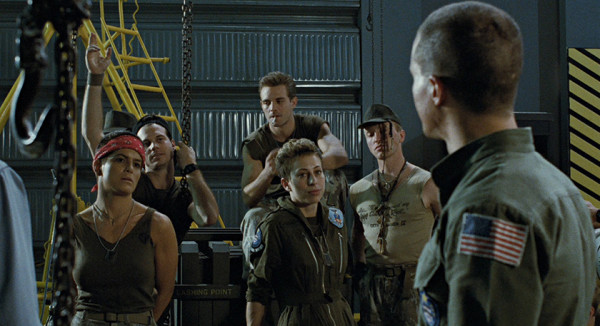
Before the screaming starts, Cameron gives us the hanging out phase. This is essential world-building. He populates the Sulaco with a unit of Marines that feel like they’ve lived in each other’s pockets for a decade. These aren’t pristine, futuristic officers; they are grimy, blue-collar soldiers who swear, complain about the food, and customize their gear with graffiti.
Sgt. Apone: Al Matthews brings the soul of a genuine drill sergeant. His cadence and cigar-chomping authority ground the squad in a recognizable military reality.
Hudson: The legendary Bill Paxton gives the film its human personality. Hudson is our eyes and ears, starting as the loud-mouthed ultimate warrior and devolving into a puddle of “Game over, man!” once the reality of their situation hits. He is the flesh in a machine-gun world.
Vasquez and Drake: The Smart Gun duo. Jenette Goldstein’s Vasquez is a powerhouse. The moment she asks, “Who’s Gorman?” only to be told he’s the one supposed to be in charge, the hierarchy is clear. These soldiers are a well-oiled troop led by a officer with zero field experience. It is a recipe for a catastrophic meltdown.
Hicks: Michael Biehn plays the quiet professional. His chemistry with Ripley is built on mutual competence. They aren’t a traditional romance; they are a battle-hardened partnership born in the fire. Plus, it’s nice to see him get to the end of a film without fucking dying for once.
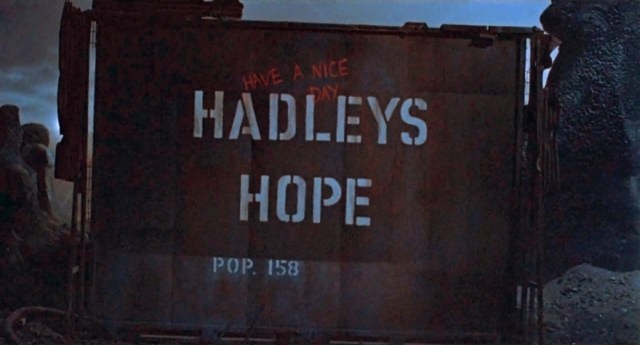
Hadley’s Hope: The Heart of Industrial Horror
The descent to the colony is where Cameron’s visual language takes complete control. Everything is heavy, hydraulic, and lived-in. The colony itself looks like it was designed by a claustrophobic plumber, a series of steel corridors held together by rivets and grime.
When the Marines enter the deserted colony, the movie shifts from pre-battle banter to the unsettling silence of Hadley’s Hope. The discovery of the ‘forbidden pickles’ (the face-huggers in stasis) is a chilling callback to the biological terror of the first film.
And then there is the Motion Tracker. That rhythmic beep… beep… is the single most stressful sound ever recorded for film. It doesn’t show you the enemy; it gives you a distance. It forces the audience to weaponize their own imagination, which is always far more terrifying than anything shown on screen. I mean, until everyone starts getting butchered, that is. You aren’t just watching a sequence; you’re calculating the distance to your own demise.
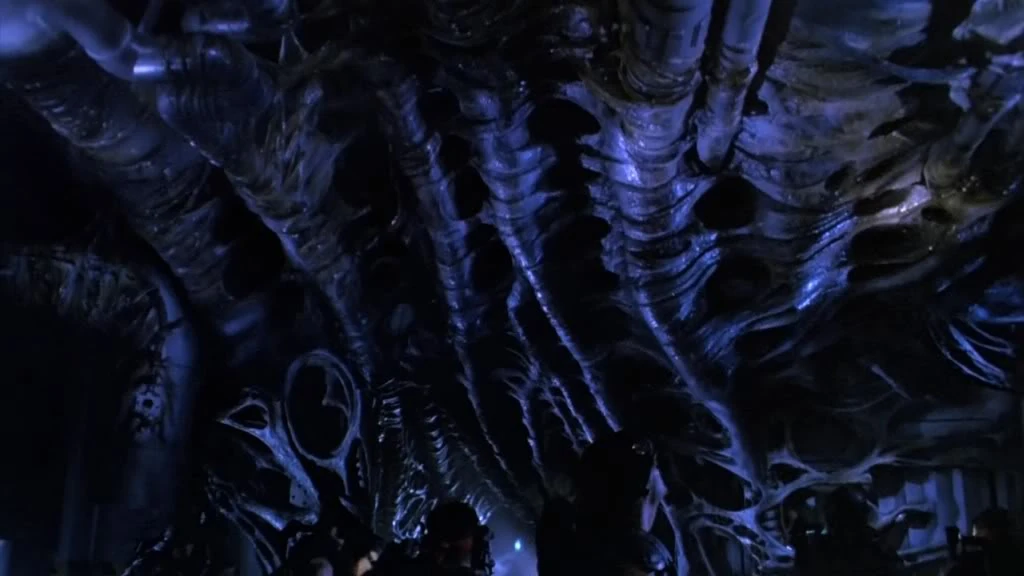
The Hive: A Sub-Level Slaughter
The first engagement in the Hive is a ballet of chaos, screams, and strobe-lit horror. The Marines walk into a literal ribcage; organic, resin-covered walls that look like petrified intestines.This is where the military allegory hits hardest. You have a technologically superior force being dismantled by a primitive, indigenous swarm that knows every vent and shadow of the terrain. The Smart Guns are useless when the enemy is coming from the ceiling and the floor simultaneously.
The creatures here aren’t the lone stalkers of the original; they are a hive mind. They use tactics. They cut the power. They move with an insectoid grace that turns the sub-levels into a meat grinder. The visual effects, the overlapping radio chatter, and the screams of the squad create a level of immersion that leaves the audience breathless.
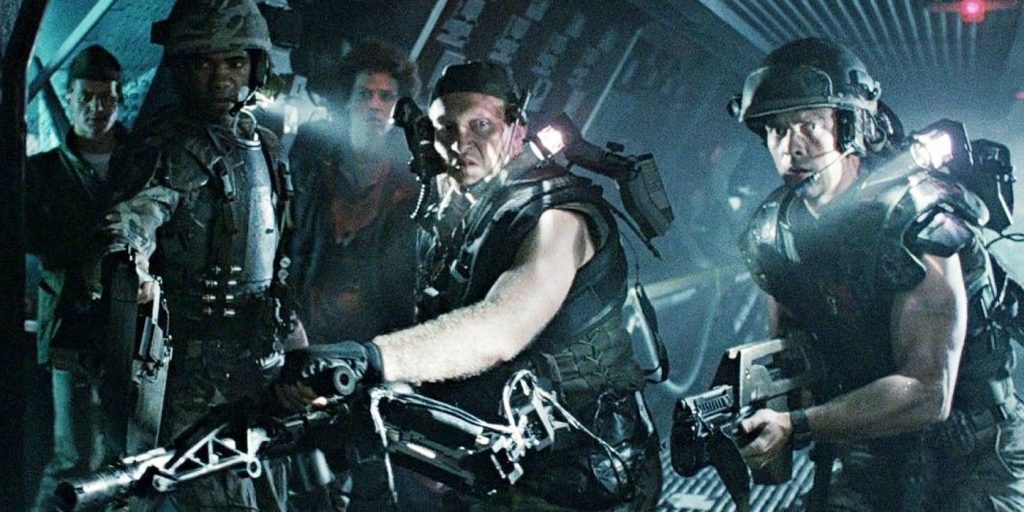
The Technology: Practical Perfection
We have to talk about the M41A Pulse Rifle. That mechanical chug-chug-chug is the sound of 1980s power. It feels like it has weight, kickback, and a soul.
Then you have the APC, a brick on wheels that looks like it could survive a nuclear blast. And the Power Loader? That is the crown jewel of movie’s design. It’s a forklift you can wear. It hissed, it clanked, and it felt like it existed in a real workshop.
The fact that these were all practical effects; puppets, miniatures, and full-scale mockups, is why the movie still looks better than almost any modern blockbuster. Every surface feels alive, every prop has a presence. When the acid blood sizzles through the floor, you can practically smell the ozone.
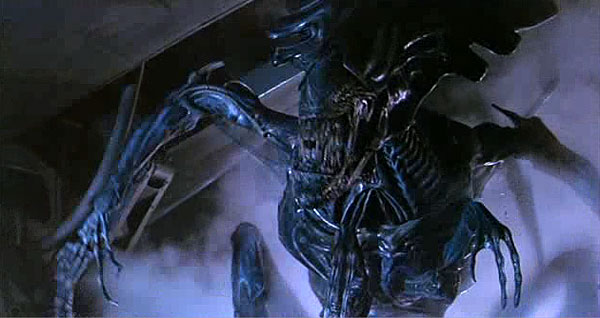
The Queen: Motherhood as a Weapon
The final act pivots from a war movie to a personal, primal showdown. Ripley’s journey to rescue Newt (the lone survivor of the colony) is about reclaiming her lost motherhood through fire and steel. It’s the Mama Bear archetype armed with a flamethrower and a pulse rifle taped together.
The descent into the Queen’s chamber is a visual feast of nightmare imagery. Stan Winston’s team built a 14-foot-tall animatronic Queen that remains a pinnacle of creature design even to this day. She is regal, terrifying, and deeply protective.
The standoff is legendary. Ripley torches the eggs, and the Queen screams, not just out of pain, but out of a maternal fury that mirrors Ripley’s own. When the Queen detaches from her ovipositor to pursue them, the film turns into a survival horror masterclass. It isn’t just a monster hunt anymore; it’s a duel between two mothers protecting their brood.
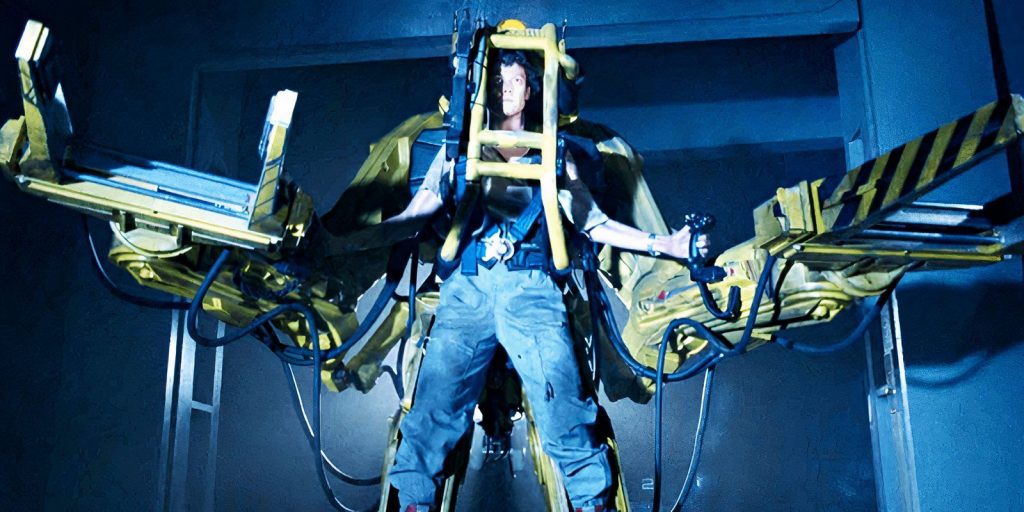
Ripley vs. Queen: Power Loader Showdown
The battle on the Sulaco is the stuff of legend. Just when you think the nightmare is over, the Queen hitches a ride. Bishop gets ripped in half, one of the greatest special effects in history, with milky android blood spraying across the hangar., and amid the destruction, Ripley climbs into the Power Loader, steels herself, and confronts the Queen in a showdown that is unforgettable.
“Get away from her, you bitch!”
It isn’t just a one-liner; it’s a roar of defiance. The fight that follows is a heavyweight boxing match between a space-mom and a space-bug. It’s clumsy, it’s heavy, and it’s fucking glorious. When they finally tumble out the airlock and Ripley climbs back up through sheer grit and determination, the audience finally remembers to breathe.
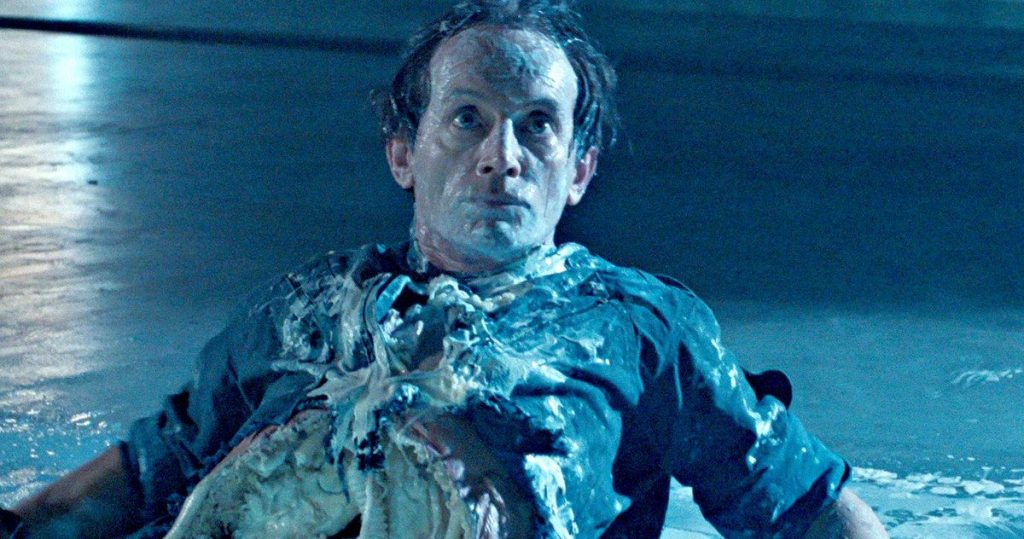
The Bishop Factor: Redemption of the Synthetic
Lance Henriksen’s Bishop is a vital component of the film’s heart. After the betrayal of Ash in the first movie, we are primed to distrust the android., but Bishop is the Synthetic Person who proves he’s more human than the corporate stooges on the payroll.
His willingness to crawl through a claustrophobic pipe into the face of possible death to remote-pilot the dropship is the ultimate act of bravery, proving that this android has more courage than most of the people around him. He represents the positive side of technology, a tool wielded with empathy. His destruction at the hands of the Queen is genuinely tragic because he earned the right to make it to the credits through quiet, mechanical competence and bravery.
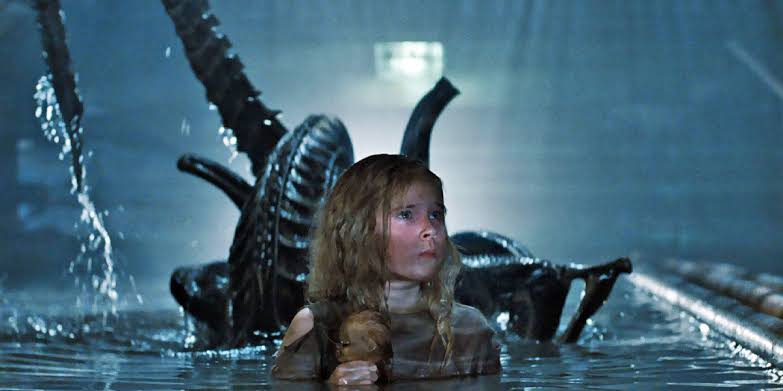
The Legacy: The Gold Standard
Aliens works because it has a soul. It’s a movie about trauma, family, and the terrifying realization that the experts in charge are often the most incompetent people in the room. It respects the audience’s intelligence while satisfying every desire for high-stakes tension.
James Cameron took a perfect horror movie and turned it into a perfect action movie without losing the DNA of the original. He expanded the canvas, giving the creatures a hierarchy, a culture, and a hive. He turned a slasher in space into an epic saga of survival. It remains the gold standard for how to expand a universe without breaking its fundamental rules.
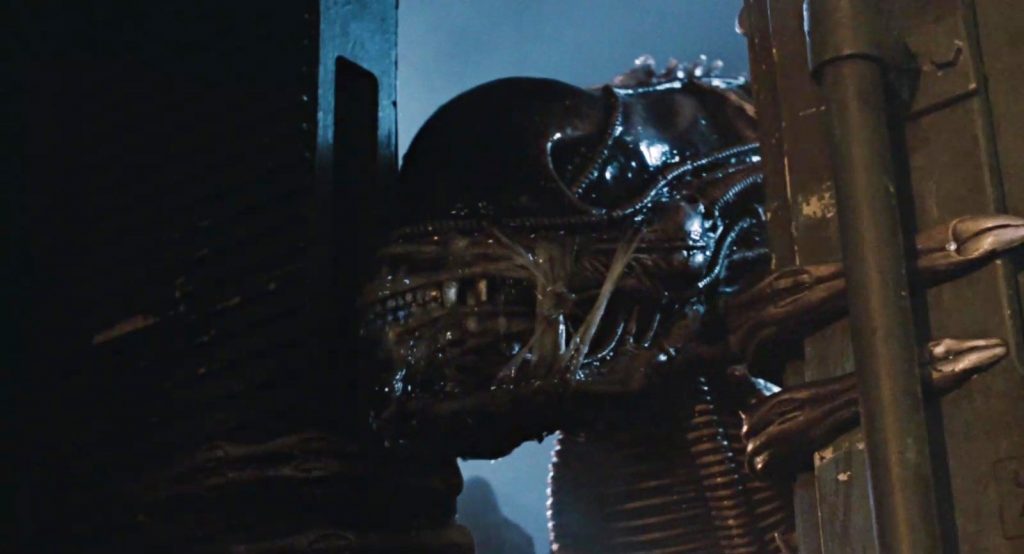
The Special Edition: Sentry Guns and Lore
For those who want the full experience, the Special Edition is the only way to go. It adds the Sentry Guns, automated turrets that hold back the swarm in the tunnels. Watching those ammo counters tick down (50… 40… 10…) adds a layer of dread that the theatrical cut lacks. It shows the sheer scale of the infestation. Thousands of them are coming, and the machines are the only thing standing between the survivors and a very painful end.
It also gives us the ‘Newt’s Family’ prologue, making the destruction of Hadley’s Hope even more heart-wrenching. We see the exact moment the colony falls, making Ripley’s rescue mission feel like an act of divine retribution.
The Psychology of the Swarm
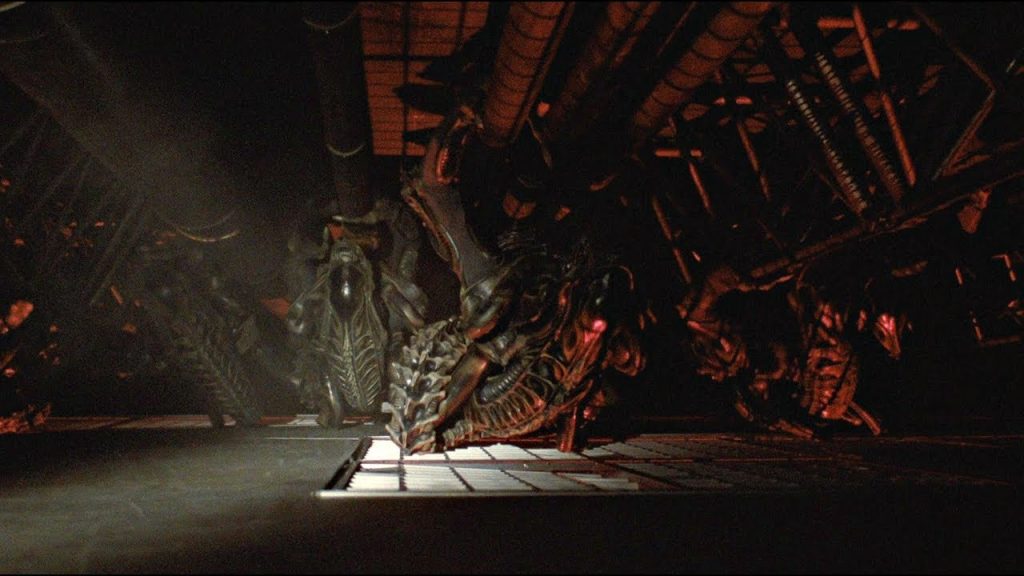
The creatures in Aliens operate with a terrifying collective intelligence. They aren’t just mindless beasts; they are one. They cut the power because they know humans rely on light. They use the crawlspaces because they know we focus on the doors. This tactical awareness is what makes them the apex predators of cinema.
Cameron utilized the bug analogy to perfection. These are space-wasps, space-ants, a society built entirely on expansion and preservation. This shift in the creatures’ behavior allowed the film to move away from the one-by-one slasher trope and into the realm of total war. It heightened the stakes from “can I survive this?” to “can our species survive this?”

The Soundscape: Mechanical Tension
The sound design of Aliens is an often-overlooked work of art. From the hiss of the hydraulics to the specific, high-pitched whine of the pulse rifle’s grenade launcher, the movie sounds industrial. James Horner’s score is a military complex in musical form. The heavy percussion and screeching strings create a sense of doom that perfectly complements the visuals.
Every sound in the film feels like it comes from a machine that hasn’t been oiled in twenty years. This auditory grime adds to the living, breathing feel of the universe. It isn’t a shiny, optimistic future; it’s a future made of rust, blood, and cheap plastic.
The Art of the Miniature
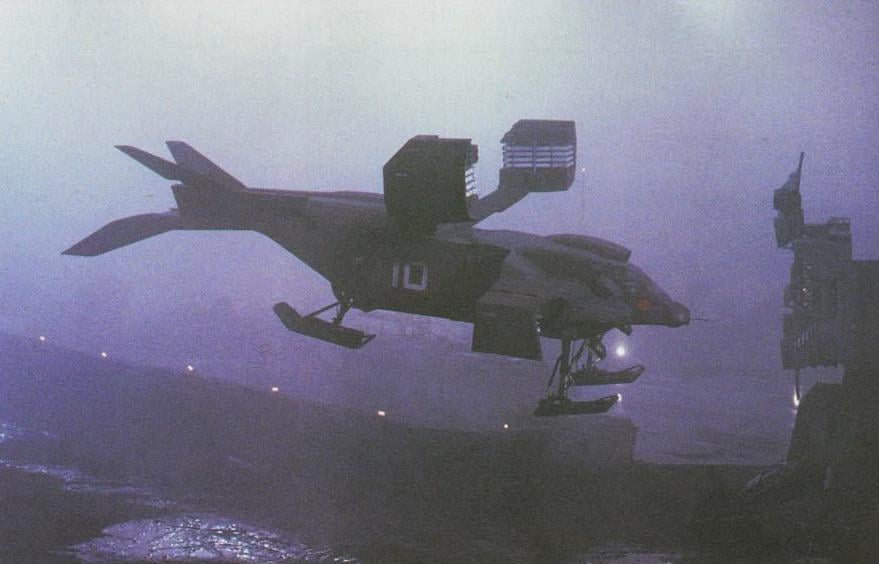
In an era dominated by digital effects, the miniatures in Aliens allow the camera to move through space with a sense of scale and depth that CGI rarely achieves. The Sulaco, the dropship, and Hadley’s Hope all feel grounded in reality because the camera can circle, peek around, and interact with tangible surfaces. You can see the texture of the hull, the way the light hits the metal, and the way the structures vibrate during the atmospheric entry.
This big-miniature approach gives the film a gritty, tangible texture. There is a presence to the ships because they were actually there, taking up space in a studio. This commitment to a physical reality is why the movie hasn’t aged a day since.
Ripley as the Ultimate Protagonist
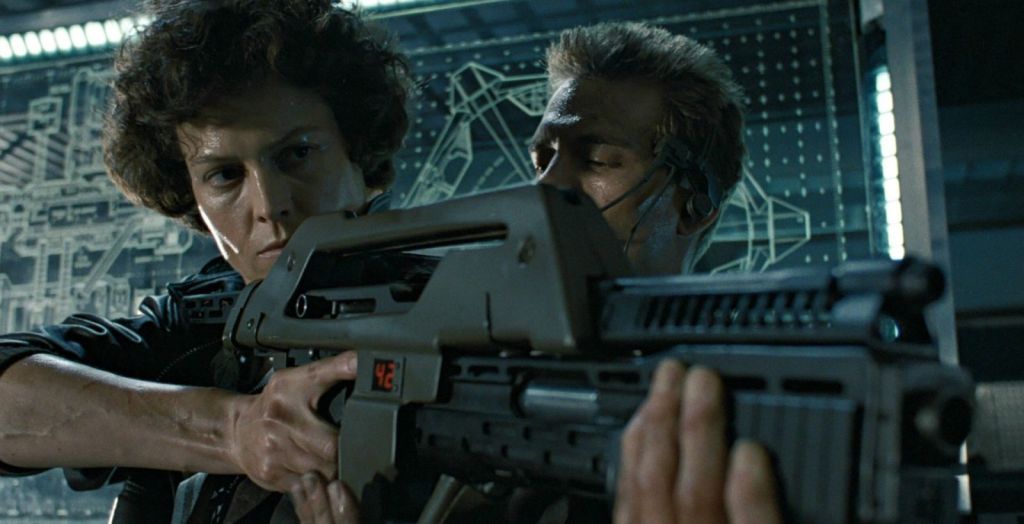
Ellen Ripley isn’t just a great female protagonist; she’s one of the greatest protagonists in fiction, period. Her arc from a terrified survivor to a tactical leader is earned every step of the way. She doesn’t have superpowers; she has competence. She knows the enemy better than anyone, and she uses that knowledge to keep her people alive.
Well… as long as she can.
Her relationship with Newt is the emotional anchor that prevents the movie from becoming just another shoot-em-up. She isn’t fighting for a flag or a paycheck; she’s fighting for a child who represents everything she lost during her 57-year sleep. This personal stake is what makes the final battle so resonant. It’s not about the Company, it’s about the bonds you forge when everything else is falling apart.
The ‘Shake ‘n’ Bake’ Colony Economics
The film subtly critiques the corporate greed that drives colonial expansion. Weyland-Yutani isn’t just evil; they are bureaucratic. They sent families to LV-426 not because it was safe, but because it was profitable to terraform the planet. The ‘Shake ‘n’ Bake’ line from Burke is a chilling reminder of how the corporate elite views the working class as expendable tools for expansion.
Hadley’s Hope was a company town, and when the company town was overrun, the company’s first instinct wasn’t to rescue the workers, it was to send a team to see if they could bring back a specimen for the weapons division. This comment on unchecked capitalism adds a layer of cynicism to the sci-fi spectacle.
The Horror of the Hugger
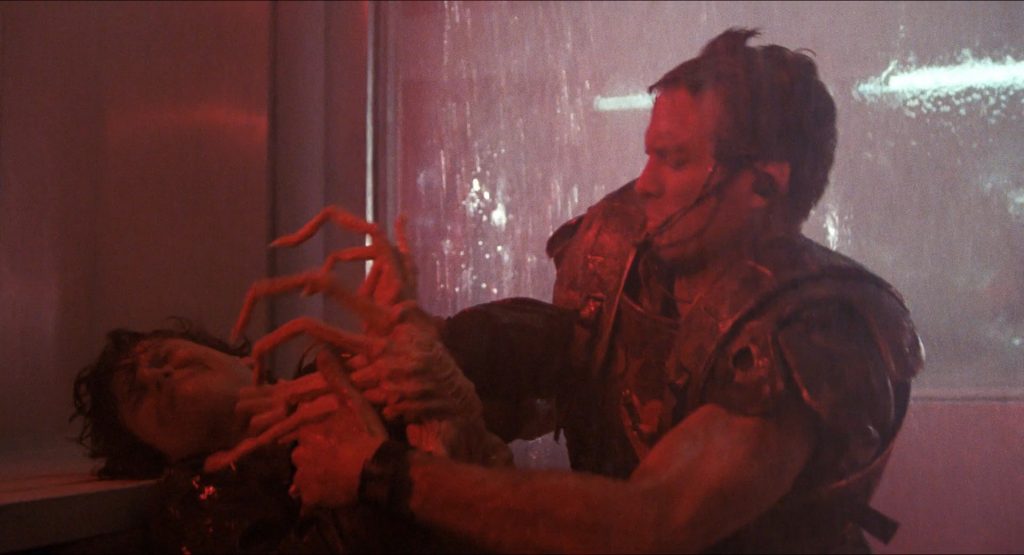
While the Queen and the Warriors get the spotlight, the Face-Huggers in the lab provide some of the film’s most unsettling horror. When two facehuggers break free in the med-lab, the air turns electric, every step Ripley and Newt take feels like a countdown to extinction.
The way they move, skittering like wet, fleshy spiders, is a triumph of puppetry. The sound of their tails lashing against the glass and the sight of them scurrying under the beds is pure nightmare fuel. It reminds us that even without the 14-foot Queen, the smallest part of the alien lifecycle is a death sentence.
The Game Over Legacy
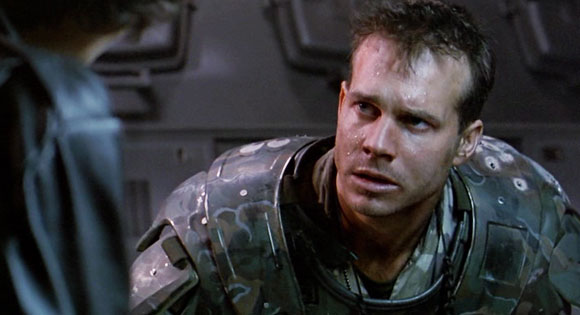
Hudson’s “Game over, man!” is more than just a famous line; it captures the theme of the movie. The Marines represent the peak of human technological arrogance. They thought their Smart Guns and motion trackers made them invincible. They were wrong.
The movie is about the total collapse of that attitude when faced with a primal, unrelenting force. It’s a cautionary tale about over-reliance on weaponry and the failure of leadership. Gorman’s incompetence and Burke’s treachery are the human elements that allow the ‘bugs’ to nearly wipe out everyone.
The Art of the Breather
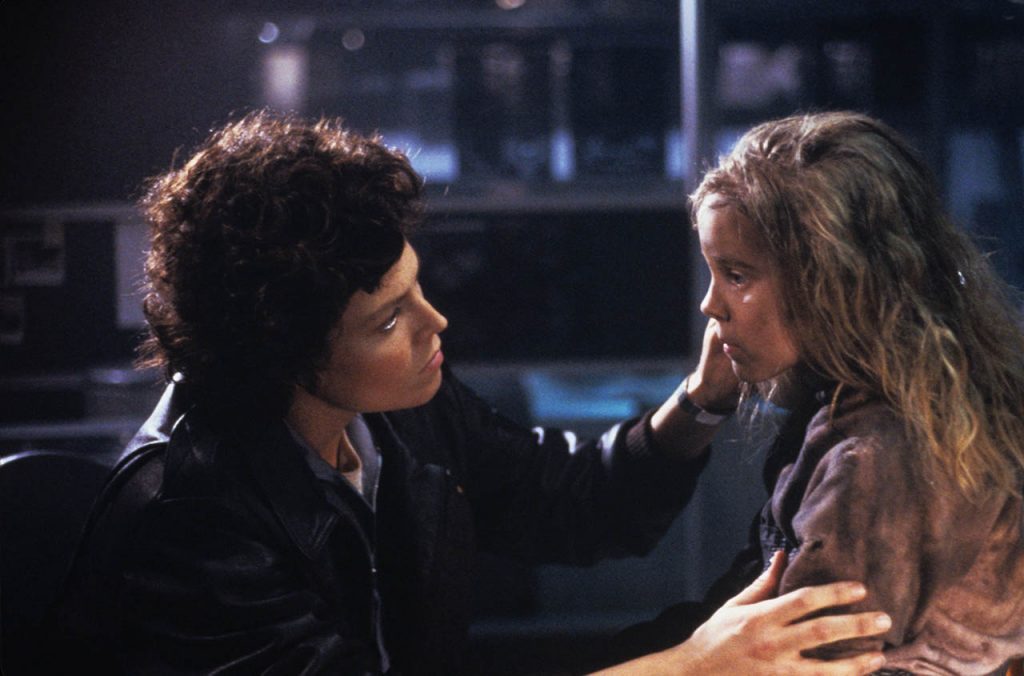
Cameron is a master of pacing. Between the massive set-pieces, he gives us breathers, moments of quiet character development that make the next action sequence more impactful. The scene where Ripley and Hicks share a moment before the final assault, or the quiet talk between Ripley and Newt, are the scenes that give the movie its grounding.
Without these moments, Aliens would just be a loud, well-made action movie. With them, it becomes an epic. We care if Hicks makes it out. We care if Newt gets to sleep without nightmares. Their stakes are ours; the final assault isn’t just balls to the wall action, it’s a trial of nerves.
Why I Love It
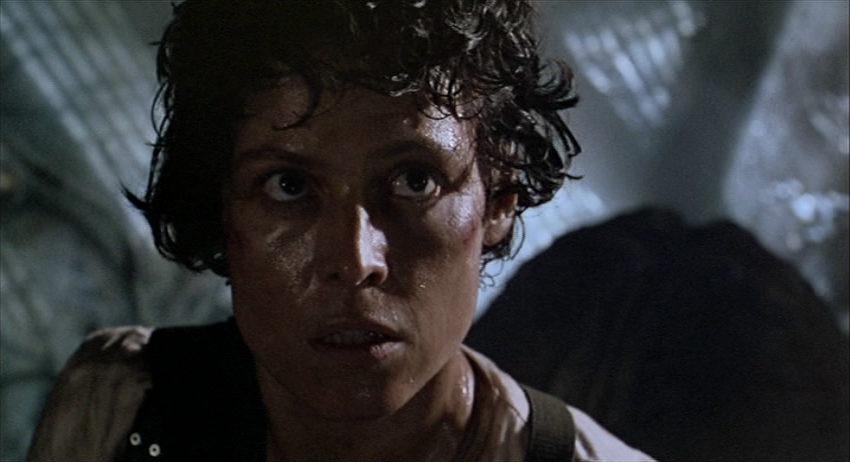
Aliens is rare beast; it’s a sequel that is better than the original, which isn’t easy to do considering how fucking great the first trip around was. It is funny, gross, loud, and heartbreaking. It is the reason we still check the vents and the ceilings. It’s the reason we know that nuking it from orbit is the only way to be sure.
It remains the torch bearer for the franchise, and the genre in general, because it respects the audience. It doesn’t treat us as passive observers; it drags us into the sub-levels and forces us to survive alongside the crew. It builds a world that feels as if it is absolutely worth fighting for.
James Cameron didn’t just remake a haunted house in space; he forged an arena where human courage clashes with cold corporate logic and alien perfection. Every corridor, every shadow, every mechanical hiss is a test of wit, will, and raw survival. Aliens is a thunderclap of tension and spectacle, a relentless juggernaut of practical effects, sweat, and steel that no digital wizardry could ever touch. Ripley’s roar: “Get away from her, you bitch!”, isn’t just a line; it’s a battle cry etched into cinema itself, a reminder that heroism isn’t glamorous; it’s brutal, bloody, and utterly unforgettable. This is the pinnacle of action-horror and it still smashes through screens four decades later like the Power Loader crashing into the Queen.
Leave a Reply