If Police Story is my idea of perfection in the genre of Action/Comedy, then Donnie Yen’s SPL (aka: Killzone) is the ultimate downer that is, somehow, also biblically good.
Welcome to a world where the color palette is bruised kidney, the moral compass is spinning like a ceiling fan in a hurricane, and the only thing more certain than death is a retractable baton to the ribs. We are diving headlong into the 2005 Hong Kong classic that decided happiness was a bourgeois concept that had no business being in a movie where Donnie Yen and Sammo Hung are trying to turn each other into human origami.
The No Hugs Policy of Hong Kong Noir
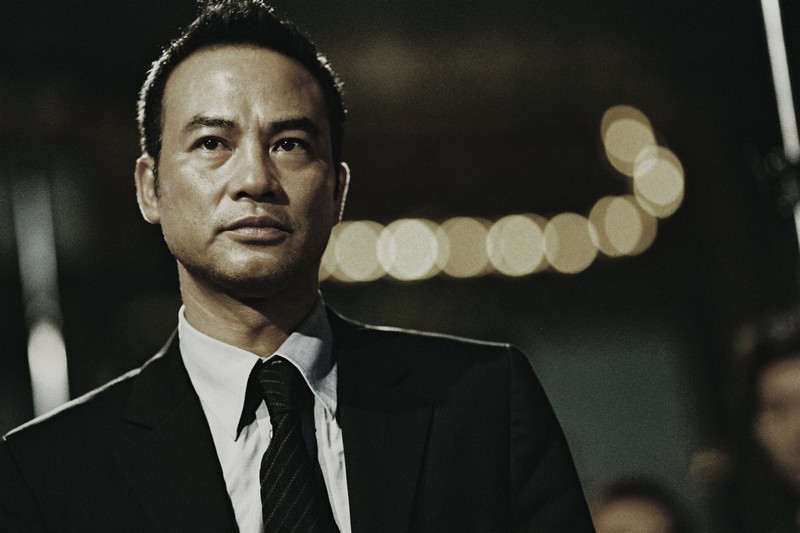
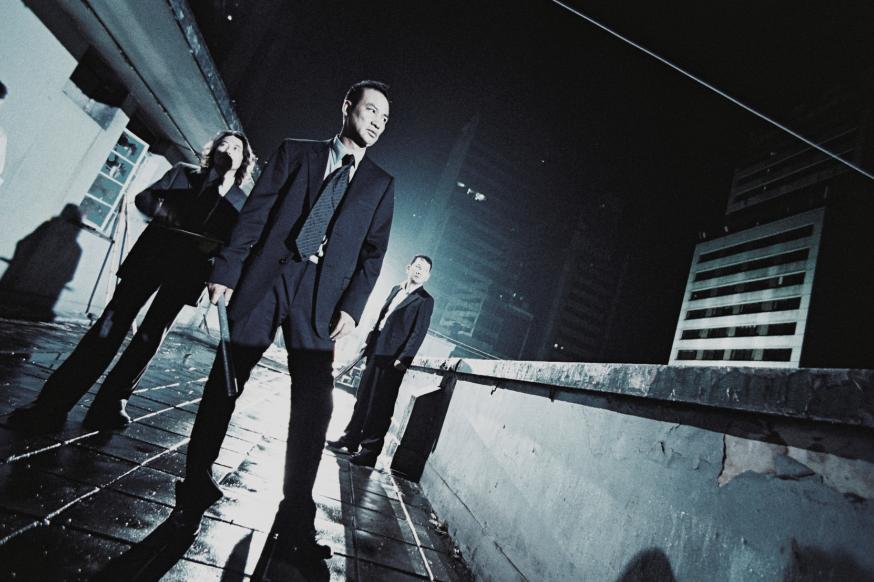
Most movies start with a hook; SPL starts with a car crash that wipes out a witness, ruins several lives, and lets you know right away that hope has left the building. We meet Detective Chan (Simon Yam), a man who has clearly forgotten what a smile feels like. He’s obsessed with Wong Po (Sammo Hung), a crime lord who is so powerful he can basically commit a felony while yawning and have the police apologize for the inconvenience.
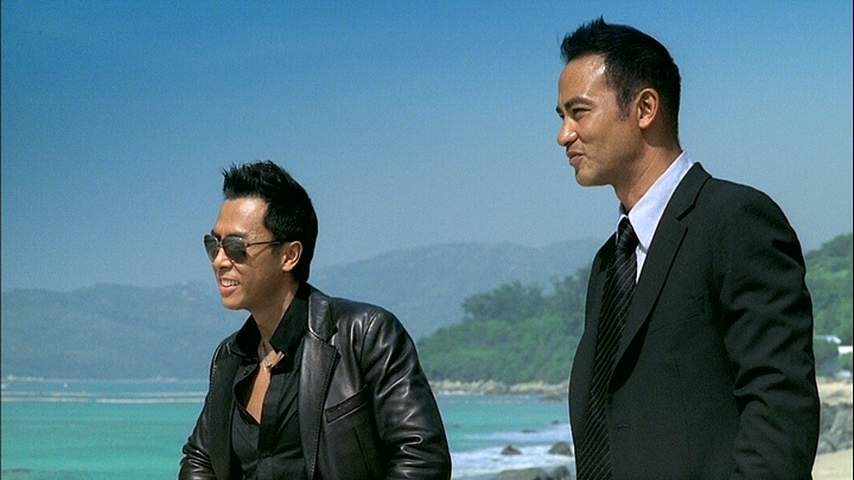
Detective Chan is dying of a brain tumor, and a witness he was protecting was killed in a car crash ordered by Wong Po, leaving behind a girl Chan raises as his own. Behind him is a team of detectives, a group of guys who have decided that the law is a tool, not a boundary. Enter Ma Kwun (Donnie Yen), the replacement for Chan who is about to retire. Kwan who has a reputation for being as tough as they come, who once beat a suspect so badly during an arrest that the story still circulates around the department like a ghost story.
Ma Kwun is our supposed moral center, but in the world of SPL, being moral just means you’re the last person to start using a lead pipe. The atmosphere is thick with a sense of impending doom. It’s the kind of movie where even the sunshine feels like it’s judging you.
Sammo Hung: The Final Boss in a Three-Piece Suit
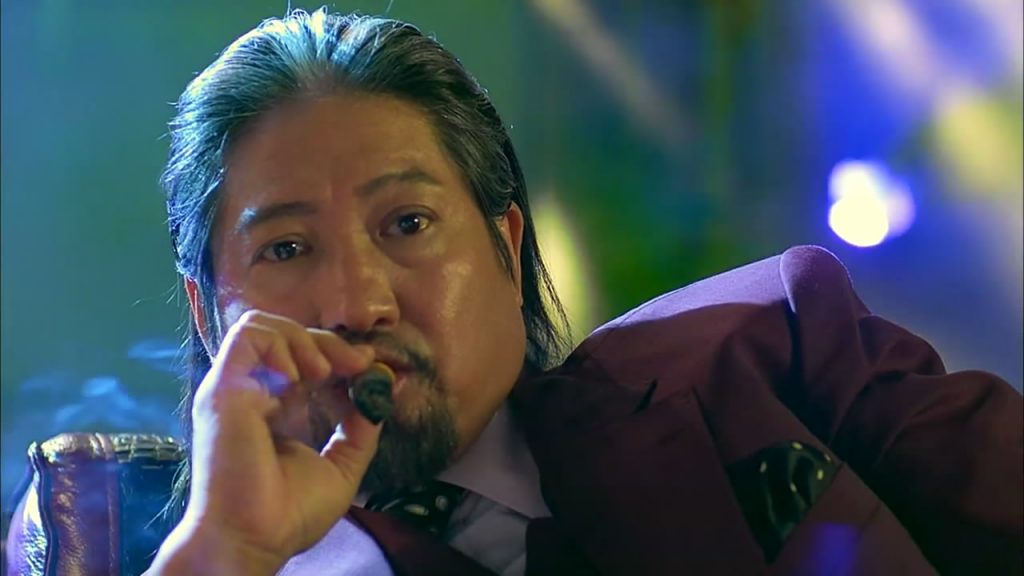
Then there’s Sammo Hung. In SPL, he plays Wong Po with a level of menace that is frankly terrifying. He’s not a martial arts villain in the traditional sense, all beard stroking and maniacal laughter, he’s a force of nature who happens to be wearing a very expensive lavender suit.
Sammo is a big guy, but he moves with the grace of a predatory cat. He spends most of the movie sitting in restaurants or playing pool, radiating the kind of energy that makes you want to check your own pulse. When he finally does decide to stand up and fight, it’s like watching a mountain decide it’s had enough of your shit.
The brilliance of Wong Po is that underneath all his evil (and trust me, he is the definition of pure fucking evil), he’s a family man. He loves his wife, he loves his baby, and he will absolutely have you thrown off a roof if you interrupt his dinner. It creates this uncomfortable parallel between the good guys and the bad guys. Both sides are willing to do anything to protect their own, but only one side is honest about how many bodies that requires.
Bad Cops for Good Reasons
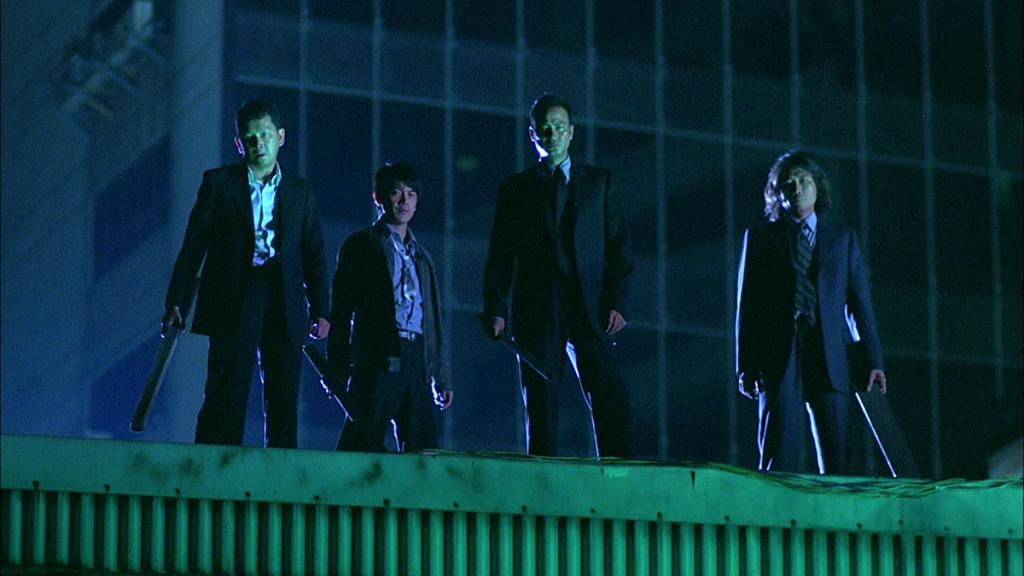
Detective Chan’s team is a collection of weary men who have realized that they can never put Wong Po away legally. So, they start tampering with the evidence. They start stealing money. They start acting like the very criminals they are supposed to be hunting.
This isn’t a buddy cop movie. This isn’t Lethal Weapon. There are no wacky hijinks or “I’m too old for this” quips. It’s just a slow, grinding descent into the abyss. You watch these men, who clearly love each other in that stoic “we don’t talk about our feelings” kind of way, slowly realise that they’ve enrolled themselves in a very expensive course on “How to Get Yourself Killed.”
The chemistry between Simon Yam and his team is fantastic because it feels so damn real. They are exhausted. They are angry. And they are doomed. It makes the eventual action sequences feel earned; they aren’t just cool fights, they are the violent eruptions of men running out of options.
Jacky Wu Jing: The White-Suited Angel of Death
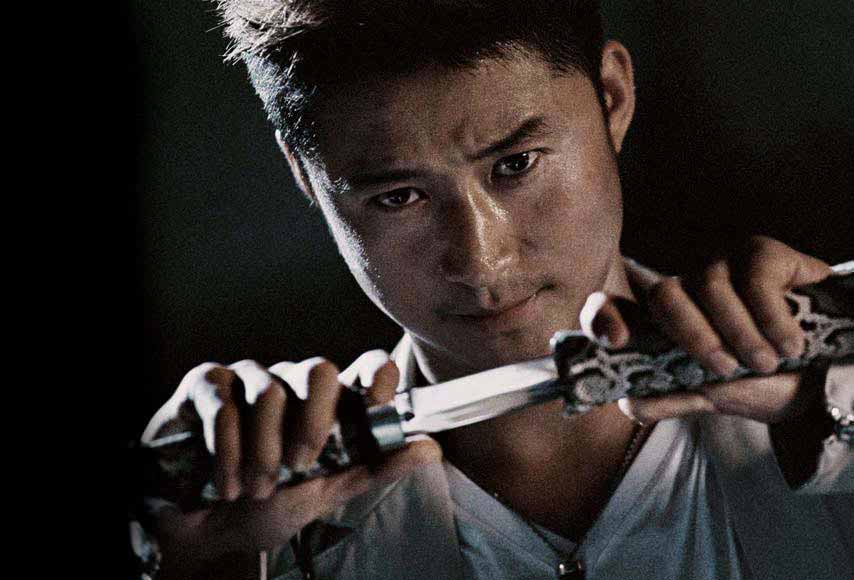
Oy vey, this fucking guy. Jacky Wu Jing plays Wong Po’s top assassin, Jack, a man who wears a pristine white outfit and carries a knife like it’s an extension of his own soul.
Jack is the ultimate cool villain. He doesn’t say much; he just shows up, kills everyone in the room with a terrifying efficiency, and leaves without getting a single drop of blood on his jacket. His presence adds a layer of lethal unpredictability to every scene. Whenever he appears on screen, you know someone is about to have a very short, very painful evening.
The choreography for Jack is fast, sharp, and ultra violent. He doesn’t do movie fights; he does end of life fights. It sets the stage for what is one of the most famous scenes in modern martial arts cinema.
The Alleyway Fight
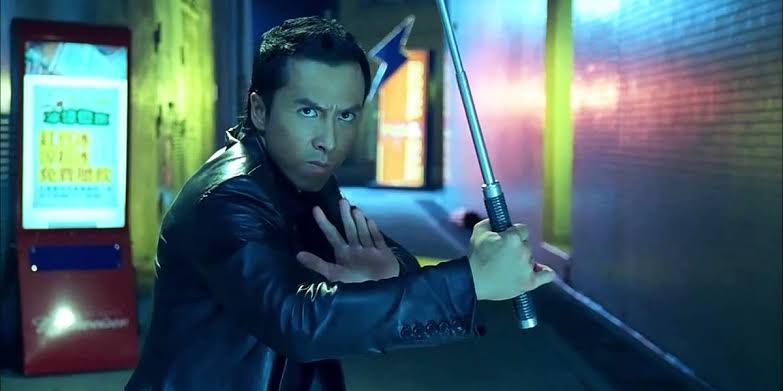
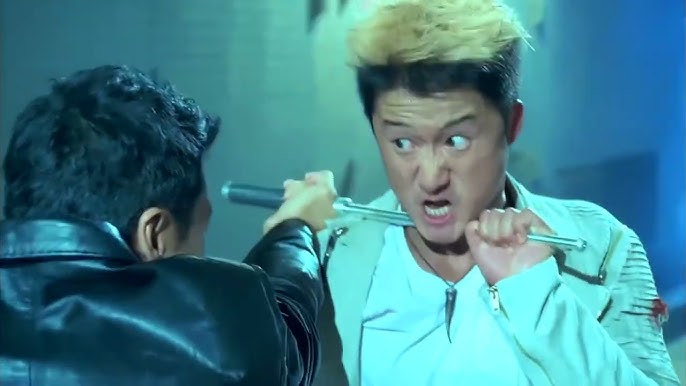
If you are a student of the genre, the alleyway fight between Donnie Yen and Wu Jing is your Everest of combat choreography. It is a work of art constructed of speed, rhythm, and what appears to be a total disregard for the actors’ central nervous systems.
The setup: Ma Kwun (Donnie) with a retractable baton vs. Jack (Wu Jing) with a knife.
Sounds simple enough, bloody isn’t.
The choreography was designed by Donnie Yen, with both actors reacting in real time, each strike a heartbeat away from disaster. The result is a blurring, clashing, sparking display of technical mastery. The sound of the baton hitting the knife, and occasionally Wu Jing’s arms, is the kind of sound that makes your own limbs ache.
It is a pure fight. No slow-motion, no wire-work, no sped up trickery, just two of the best in the business moving so fast the camera can barely keep up. It represents the peak of Donnie Yen’s MMA-style choreography, blending traditional wushu with the kind of kinetic violence that makes your stomach tighten and your eyes bleed.
The Final Showdown: Gravity and Hubris
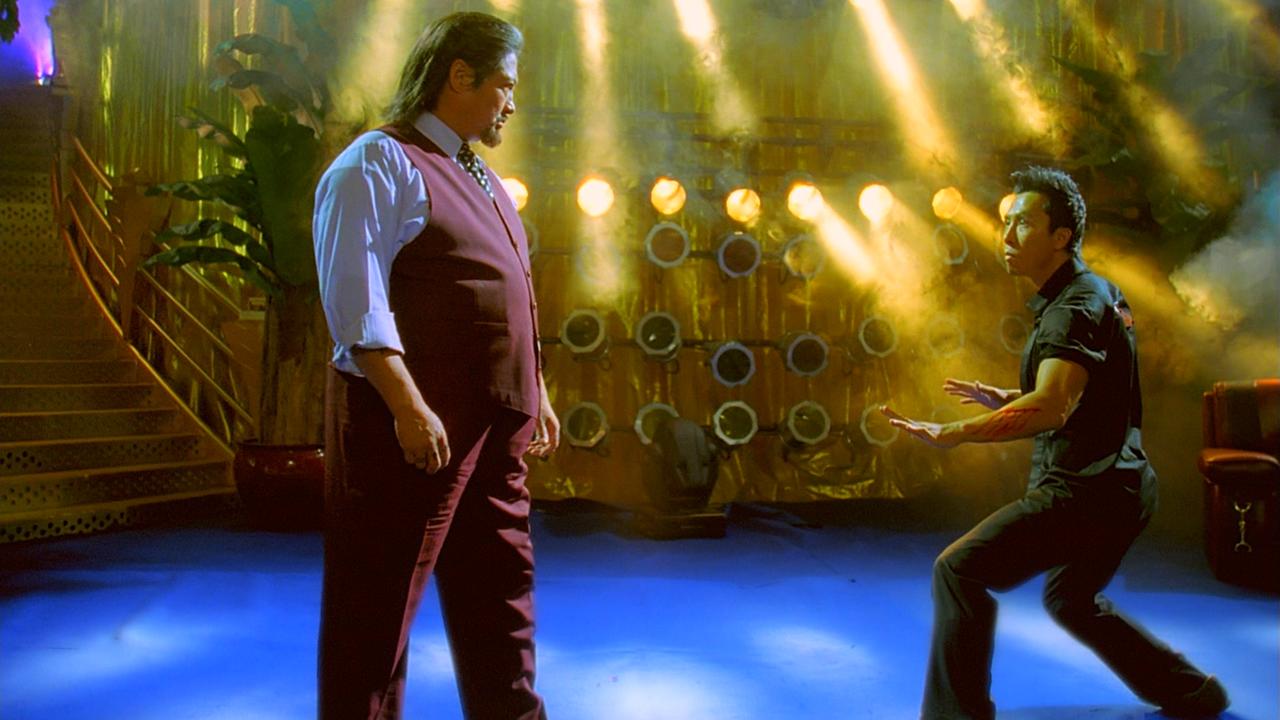
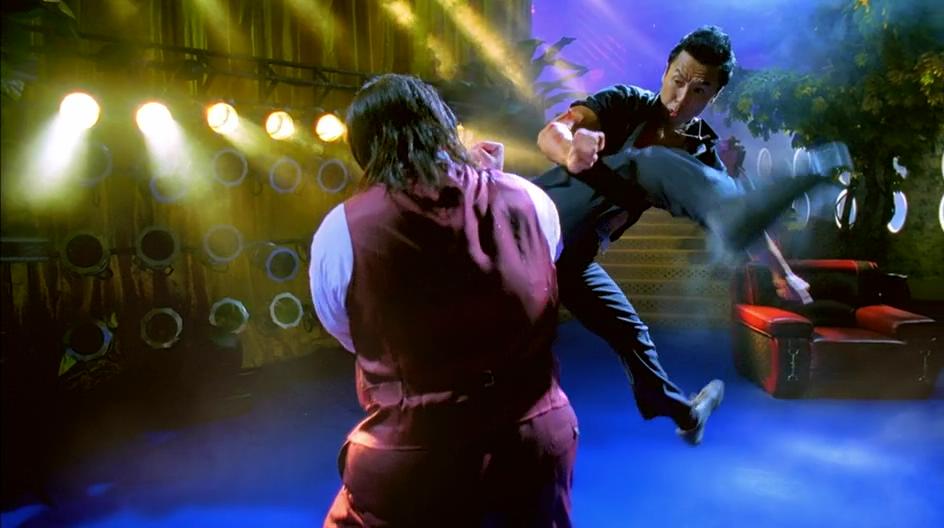
Then we get to the finale: Donnie vs. Sammo.
This isn’t a fun fight. It’s a heavy, grinding encounter between two men who are past the point of caring about survival.
Sammo Hung, despite being in his early 50s at the time, moves like a man half his age. He uses his weight as a weapon, throwing Donnie around the room like a ragdoll. Donnie, in turn, uses his speed and grappling to try and find a weakness in the immovable object.
The environment, a luxury lounge, is systematically dismantled. Bottles of expensive cognac are shattered, furniture is turned into splinters, and the lighting makes every drop of sweat and blood look like liquid metal.
But it’s the ending of this fight that cements SPL’s reputation as the ultimate downer. Without spoiling the specifics for the uninitiated, let’s just say that gravity is a cruel mistress, and Wong Po always has the last word, no matter the cost.
The Philosophy of the Deadly Star
The title SPL stands for Sha Po Lang, three stars in Chinese astrology that represent Destruction, Conflict, and Greed. The movie leans into this and then some. It suggests that these men are locked in a celestial cycle of destruction that they cannot escape.
It’s a cynical worldview. It tells us that doing the right thing for the wrong reasons still leads to the same grave. In a decade where Hollywood was starting to flirt with darker, grittier reboots, Hong Kong was showing them how it was really done. SPL doesn’t give you a hero’s journey; it gives you a funeral march with better choreography.
The Score and the Silence
The music in SPL is surprisingly melancholic. It’s full of sweeping strings and lonely trumpets that sound like they belong in a 1940s detective film. It contrasts beautifully with the violence.
When the fights happen, the music often drops out, leaving only the sound of impact. The ‘thwack’ of a baton, the ‘shink’ of a knife, the heavy breathing of two exhausted men. This use of silence makes the violence feel more realistic and less like a performance. It’s an auditory experience that keeps the audience grounded in the physical reality of the pain.
Donnie Yen’s Vision
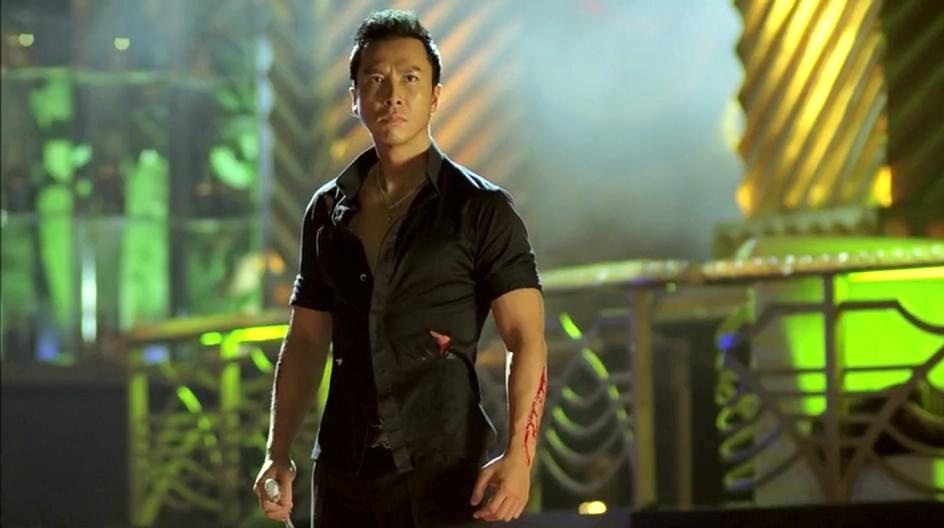
While Wilson Yip directed the film, Donnie Yen’s fingerprints as the action director are everywhere. This was the era where Donnie was reinventing himself, moving away from the flamboyant wire-work of the 90s and toward a harder style.
He wanted the audience to feel the power of every strike. He wanted the choreography to look like a fight, not a dance. In SPL, he succeeded. Every encounter feels dangerous. Every fall looks like it could be the last. This commitment to realism (within the bounds of a movie, of course) is what keeps you holding your breath throughout.
The Funny Irony of the Plot
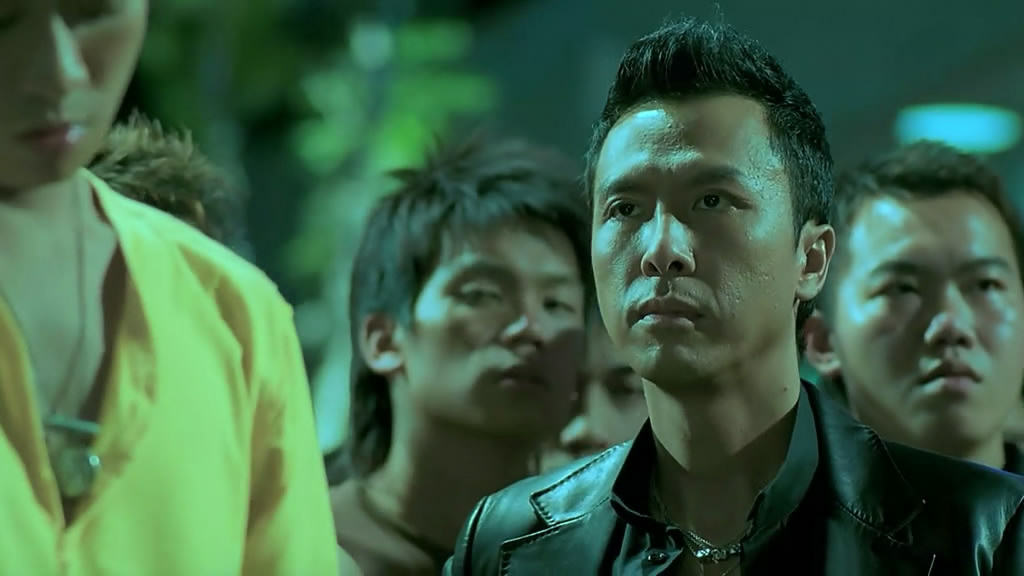
The funny part of SPL, if you have a very dark sense of humor (which I do), is the sheer level of bad luck involved. Everyone is trying their best to do something, whether good or bad, and it all goes horribly wrong.
The detectives try to frame Wong Po, and it leads to their massacre. Wong Po tries to protect his family, and it sets off a chain reaction that destroys everyone around him. Ma Kwun tries to be a hero, and he ends up as a cautionary tale.
It’s a comedy of errors where the punchline is a bullet to the head. It’s the kind of storytelling that Hong Kong does better than anyone else, a refusal to play by the rules of the happy ending.
Why I Love It
Because SPL is a brutal joyride that doesn’t ask for mercy.
Every twist, every turn, every moment of this film feels like the universe is daring these men to survive, and then laughing at then as they fail spectacularly. It turns Hong Kong streets, rooftops, and alleyways into their personal proving grounds, and you’re along for every punch, stab, spent cartridge case, and baton strike.
What makes it unforgettable isn’t just the violence, it’s the commitment. No wires, no CGI, no cinematic padding. Just two bodies negotiating physics in real time, every moment of action resonating like a city shaking under the their fury. The choreography is precise chaos; the stakes are always death or humiliation, and the energy is contagious.
SPL is darkly funny, heartbreakingly tense, and impossibly stylish all at once. It refuses comfort or easy endings, instead daring you to feel the full weight of its world. Watching it is like standing too close to a storm and realizing that storms, as terrifying as they are, can be breathtakingly beautiful.
Leave a Reply