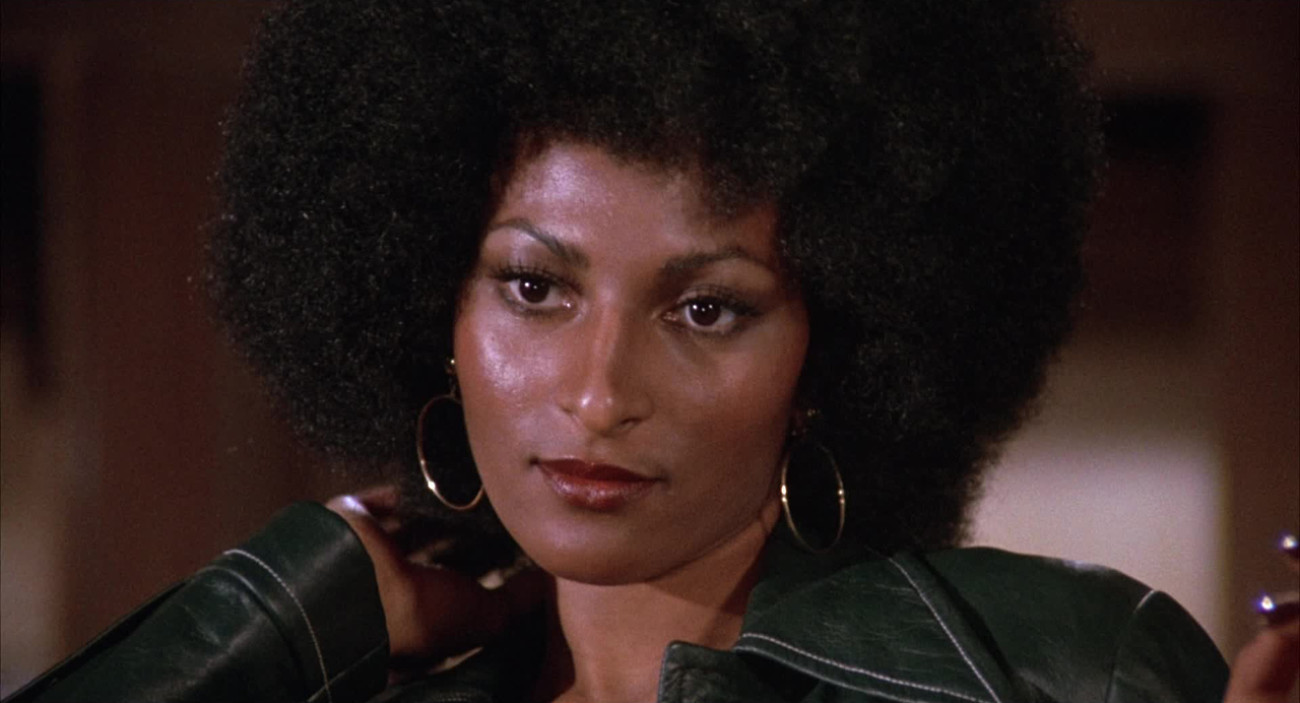
Forget your polished heroes with clean consciences and backup plans. In 1973, Jack Hill and Pam Grier (who I may have mentioned I have a thing for) dropped Coffy into cinemas like a brick through a window. Loud, sudden, and absolutely not interested in cleaning up the mess afterwards.
This isn’t a story about justice in the abstract. It’s not interested in speeches, reform, or the comforting idea that the right people will eventually step in and fix things. The film looks at a system that’s clearly failing and asks a much simpler question: what happens when someone stops waiting?
The answer arrives almost immediately, carrying a shotgun.
No Permission, No Delay
Coffy starts as a nurse, and that matters. She isn’t disconnected from the consequences of the world she’s about to tear into, she’s knee-deep in them. Hospital corridors, late shifts, the steady stream of damage caused by thr drugs that keep circulating no matter how many lives they wreck. Her younger sister is caught in that cycle, addicted after being given a bad batch, and now stuck in a facility that feels less like recovery and more like limbo.
There’s no dramatic turning point where the music swells and everything clicks into place. It’s quieter than that. More frustrating. A slow understanding that nothing and nobody is coming to help.
So Coffy stops waiting.
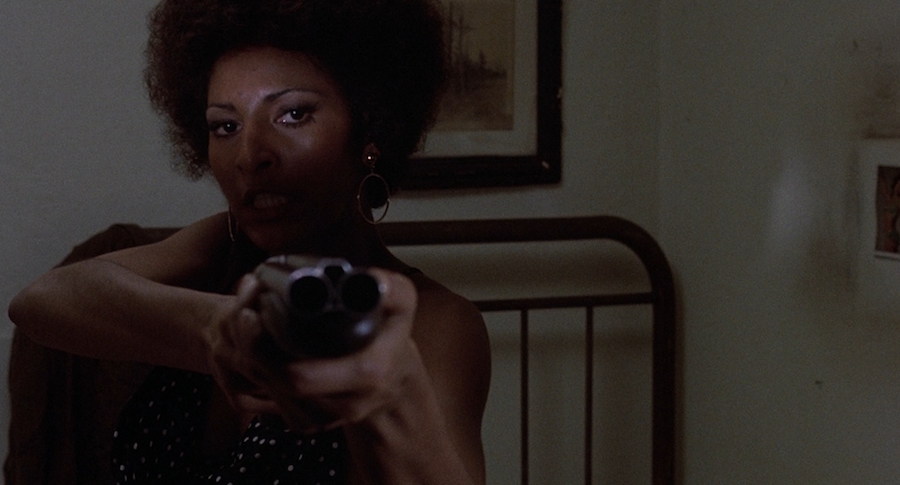
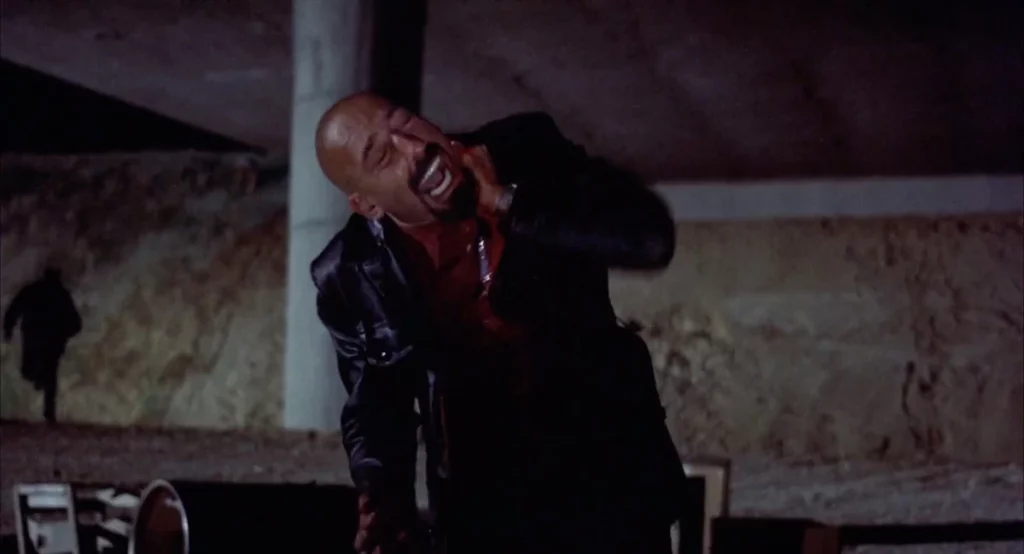
The opening scene hits like a double-barrel to the face. She poses as a drug-addicted sex worker to draw in two dealers. She does this to kill them one by forced overdose and rhe other by splitting his head open with the business end of her shotgun. There is no real drawn-out buildup and zero attempt to make it palatable. It’s quick, deliberate, and completely final.
That scene tells you everything you need to know about how this film operates. It’s problems are handled directly, hesitation gets you nowhere, and once Coffy commits, she follows throughThere’s no reset button after that. The film doesn’t step back and reconsider for a split second. It moves forward relentlessly.
Presence Over Posturing
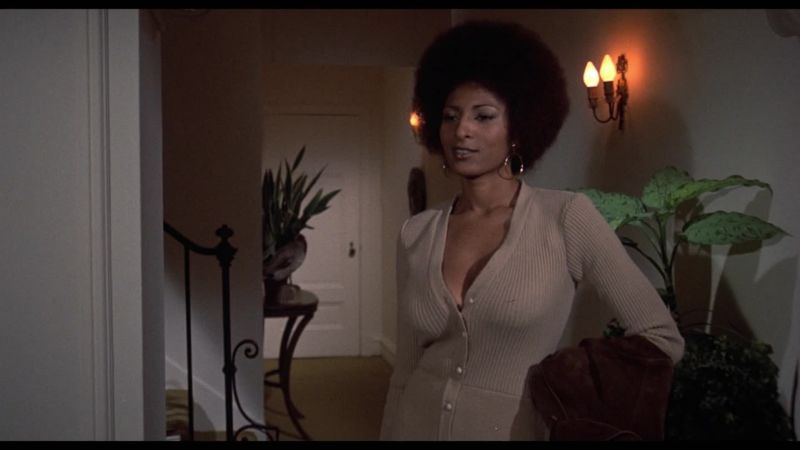
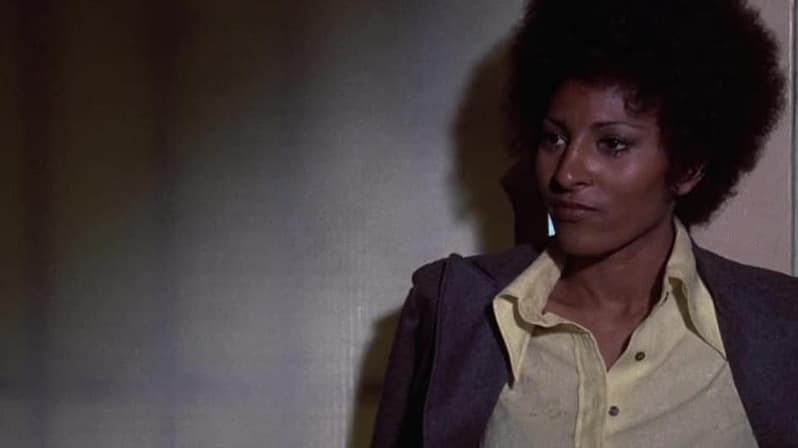
Pam Grier doesn’t become Coffy over the course of the film. She arrives fully formed. That’s what gives the character a feeling of realism. There’s no sense of someone discovering their strength or unlocking hidden potential. Coffy already knows what she’s doing, meaning the tension comes from how far she’s willing to go, not whether she’s capable.
Grier plays her with control. Even in moments where she’s presenting vulnerability, there’s calculation underneath it. She’s reading people, measuring situations, figuring out where the pressure points are, and when things shift, she shifts with them.
There’s a physicality to her performance that never feels exaggerated. When she moves, it’s purposeful. When she reacts, it’s immediate. The film doesn’t need to convince you she can handle herself, it shows you, over and over, in different ways, that she can kill you without even breaking a sweat.
That consistency is what keeps the film grounded. No matter how chaotic things get, Coffy remains the fixed point.
Working Upward
Coffy’s method isn’t random either. She starts at street level and works her way up, cutting through layers of the drug trade like someone following a map written in blood and brain matter.
The dealers she takes out early on are small pieces of a larger structure. Removing them doesn’t change the system, it simply exposes it. Each connection leads to another, and another, and another, until the shape of the operation starts to become clear, and this is where the film gets interesting structurally. It doesn’t treat crime as isolated incidents. Everything is linked. The street dealers answer to suppliers, the suppliers connect to organized figures, and those figures operate under protectionand that protection comes from somewhere higher.
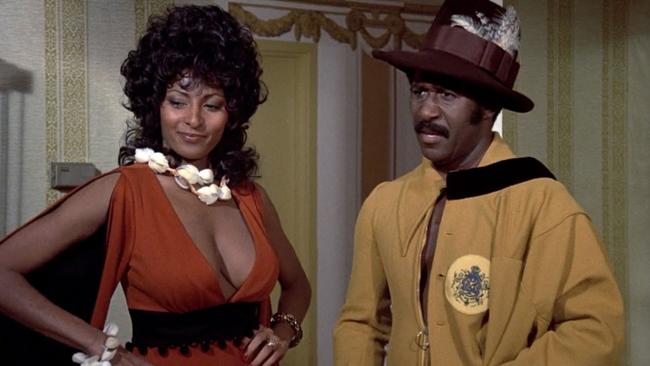
Enter King George, a pimp with enough influence to act like he owns the room, because in many ways, he does. He’s not subtle, but he doesn’t need to be. He operates in the open, comfortable in the knowledge that the system isn’t built to stop him.
Coffy doesn’t rush him. She gets close first.
That’s the pattern throughout the film. She doesn’t break doors down unless she has to. She gets invited in, and calmly walks through them.
Getting Close Enough to Hurt
Infiltration is Coffy’s primary weapon. She uses disguise, manipulation, and perception to put herself exactly where she needs to be. It’s not about deception for its own sake, it’s about access. Every role she plays gets her one step closer to the people who actually matter.
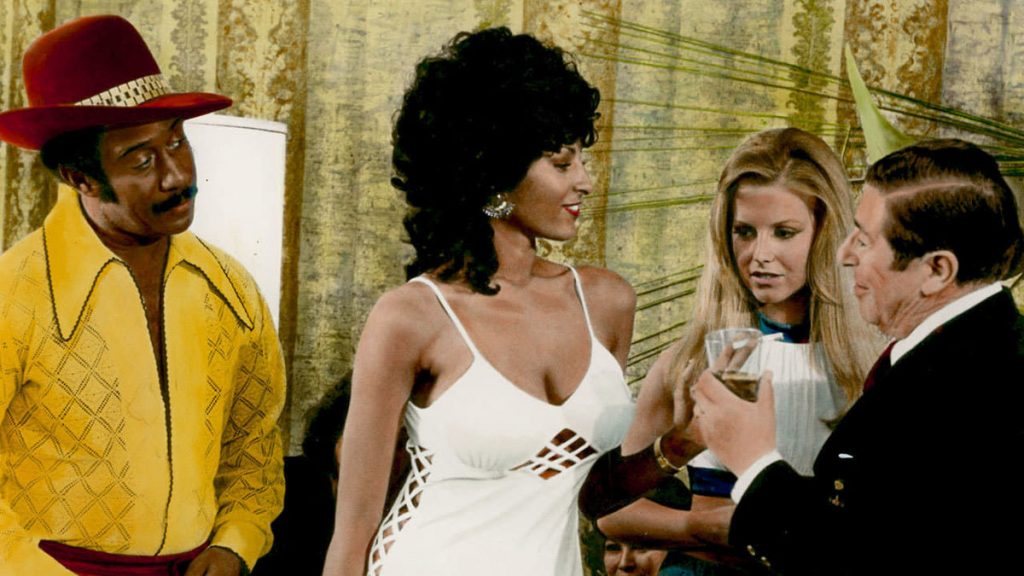
The party sequence is where everything collides. Coffy steps into a volatile environment and lets it unravel. What follows isn’t clean or controlled, it’s a full collapse. People scramble, grab, swing. The room turns into a pressure cooker with no release valve.
Then come the razor blades. Hidden in her hair, they turn proximity into an advantage. Anyone who gets close enough to grab her pays for it immediately. She’s not being flashy, she’s beingefficient. It’s a solution designed for exactly this kind of chaos.
What makes the scene work isn’t just the violence, it’s the way Coffy navigates it. She doesn’t panic. She adapts. Every movement has intent behind it, even when everything around her is falling apart.
No Safe Spaces
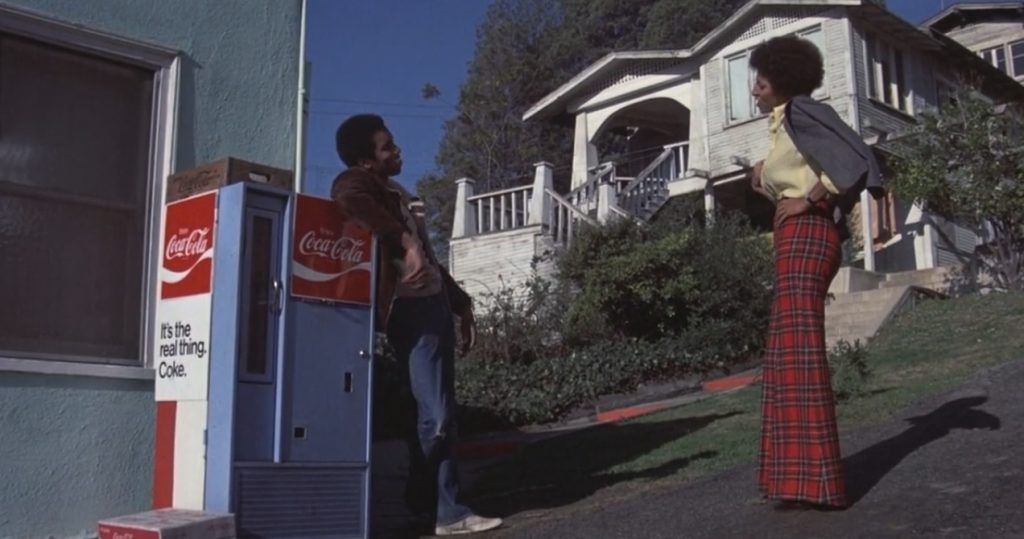
The world of Coffy doesn’t offer refuge. Every environment feels compromised in some way or another. Whether it’s a private residence, a party, or a backroom, there’s always the sense that something is off. People are watching. Deals are being made. Lines are being crossed without a second thought. Even the places that should feel secure, like the hospital where she works, are just reminders of the damage being done elsewhere.
This lack of safe ground reinforces the film’s central idea: the problem isn’t contained. It’s everywhere. And the further Coffy travels up the food chain, the clearer that becomes.
The Higher You Go…
Eventually, the trail leads to people who don’t look like criminals but who are, arguably, worse.
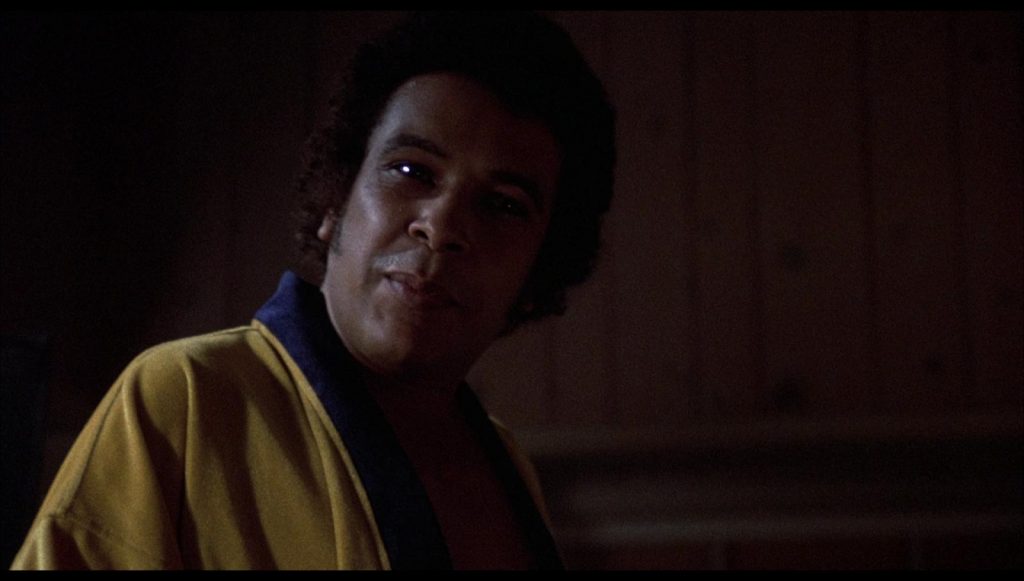
Howard Brunswick represents that shift. He’s a politician, someone who presents himself as part of the solution. He’s composed, articulate, and positioned as someone who operates above the chaos. Coffy believes in him. Or at least, she believes he might be different. He isn’t.
The revelation that he’s connected to the same system she’s been dismantling doesn’t come with dramatic flair. It lands with a kind of inevitability. Of course he’s involved. Of course the structure protects itself. Of course she’s in love with the bastard that turned her sister into a fucking addict.
What changes isn’t Coffy’s mission, it’s the scope of it. She’s no longer just dealing with the people who exploit the system. She’s dealing with the people who maintain it.
Violence as a Tool
The film doesn’t romanticize what Coffy does, but it doesn’t shy away from it either. Every act of violence serves a purpose. To remove a threat, to send a message, and to create an opening.
There’s no excess for the sake of spectacle. When Coffy acts, it’s because the situation calls for it. That’s what separates Coffy from a lot of films that followed. It doesn’t pause to admire its own intensity. It just keeps pushing forward.
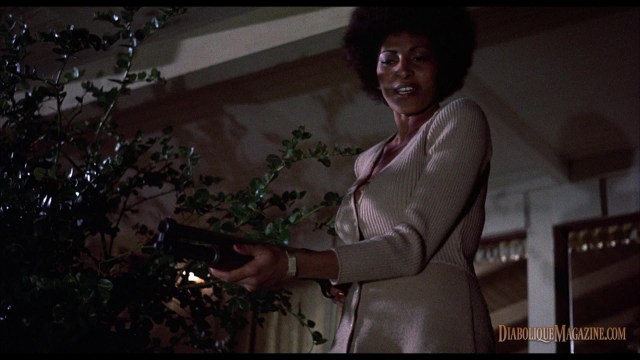
Even the weapons reflect that mindset. The shotgun, the blades, the concealed tools, they’re all chosen for practicality. There’s no attachment to them beyond their usefulness.
The Music
The score by Roy Ayers adds a layer that’s easy to overlook but hard to remove. It doesn’t dominate scenes, it supports them. It gives the film a sense of flow, connecting moments that might otherwise feel abrupt. The music moves with Coffy, reinforcing her momentum without distracting from it.
There’s a contrast at play here. The visuals are grounded, often harsh, yet the soundtrack adds smoothness without softening the impact. That balance keeps the film from feeling one-note. It gives the world texture.
Direction That Knows When to Stop
Jack Hill keeps things tight. Scenes don’t linger any longer than they need to. Conversations don’t stretch beyond what they have to accomplish. There’s a sense that everything has been trimmed down to its functional core.
That restraint works in the film’s favor. It keeps the pacing consistent and prevents the narrative from drifting. More importantly, it keeps the focus on Coffy.
No subplot pulls attention away from her for long. No side character takes over the story. Everything feeds back into the central line she’s following.
No Illusions Left
By the time Coffy reaches Brunswick, there’s nothing left to uncover. She knows what he is. She knows how deep the system goes. And she knows that removing him won’t fix everything.
But that’s not the point.
The final confrontation isn’t about restoring balance or proving a larger idea. It’s about finishing what she started. There’s no speech. No attempt to justify or explain. Just action. And when it’s done, the film doesn’t pretend the world is better for it.
It just stops.
What Coffy Leaves Behind
What lingers after Coffy isn’t a sense of closure, it’s the impression of movement. It’s a chain reaction that started with one decision and carried through everything that followed.
The film doesn’t tidy that up. It doesn’t frame Coffy as a savior or a symbol. She’s a person who took control of a situation and pushed it as far as she could. That’s what gives the film its staying power. It doesn’t rely on nostalgia or reinterpretation to remain relevant. The structure it presents, the connections between street-level crime and institutional power, still holds to this day.
And Coffy’s response to that structure still lands fucking hard.
Why I Love It
You mean, outside of the fact that Pam Grier is as responsible for my taste in woman as Valerie Leon in Blood from the Mummy’s Tomb?
Simple. Coffy doesn’t ask for your approval. It doesn’t try to soften its edges or reshape itself to fit a more comfortable narrative. It commits, and then some.
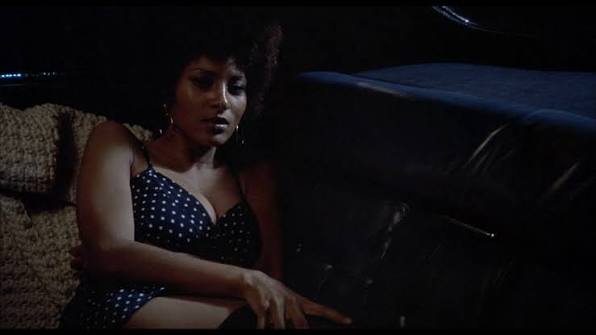
From its opening shot to its final moment, it follows a clear path and sticks to it. The performances are direct, the direction is focused, and the story doesn’t drift. At the center of it all is Pam Grier, carrying the film with a level of confidence that never wavers. She doesn’t need embellishment. She doesn’t need framing. She just moves the story forward. And once she starts it moving, it doesn’t stop.
Leave a Reply