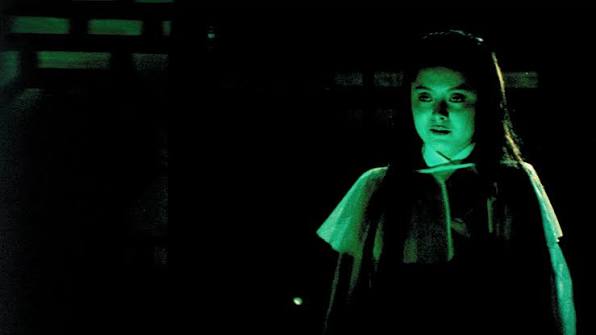
To watch a Shaw Brothers film today is usually an exercise in nostalgia. A journey back to a time of vibrant colors, synchronized choreography, and operatic drama where everyone has perfect hair even after a sword fight. However, watching the 1971 classic The Bride from Hell feels markedly different. It is a film haunted not just by its scripted ghosts, but by the real-life ghost of its leading lady, Margaret Hsing Hui.
When we view the film’s climax, where Hsing Hui’s character is caught between the world of the living and the dead, it is impossible to separate the performance from the knowledge of her 1994 tragedy. The actress who portrayed a woman losing her soul to supernatural forces eventually lost her mind to a very real, very human darkness.
The Shadow Over the Screen
Cinematic history is full of ‘cursed’ movies, The Exorcist, Poltergeist, The Crow. Usually, these curses involve freak accidents, lightning strikes, or onset mishaps that build a marketing myth. But the curse of The Bride from Hell is far more intimate and devastating.
Margaret Hsing Hui wasn’t just another contract actress. She was part of the elite ‘New Twelve Girls of Shaw, a group groomed for superstardom. She had that Silver Screen Idol face, the kind of symmetrical perfection that the camera doesn’t just record, but worships. In 1971, she was at the zenith. She was the luminous star. But looking back at this film, you can see the flicker. You can see a sadness in her eyes that feels less like acting and more like a premonition.
The Beauty of the Supernatural
Directed by Chou Hsu-chiang, The Bride from Hell arrived at a major turning point for Hong Kong cinema. The studio was beginning to experiment with more macabre, eerie themes, moving away from the Action Kung Fu films and pure Wuxia swordplay and into the Cold Moon atmosphere of ghost stories inspired by Pu Songling’s Strange Tales from a Chinese Studio.
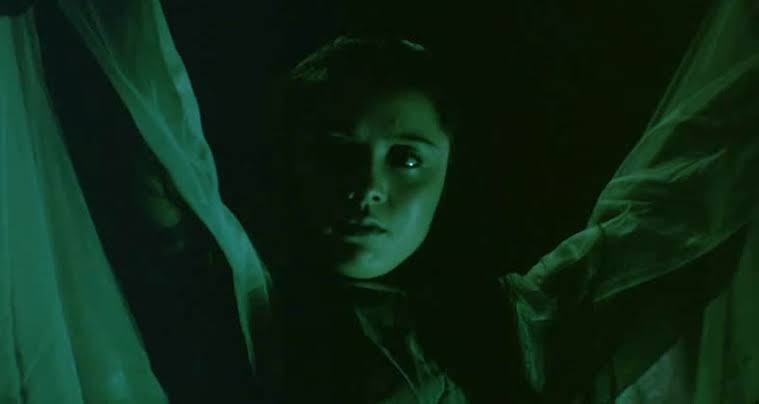
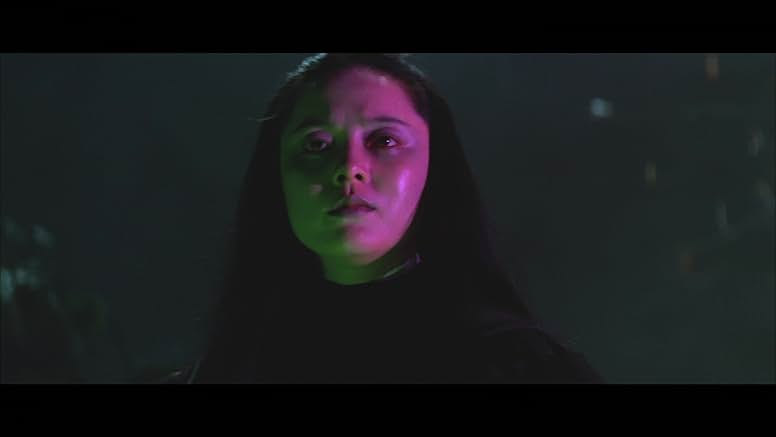
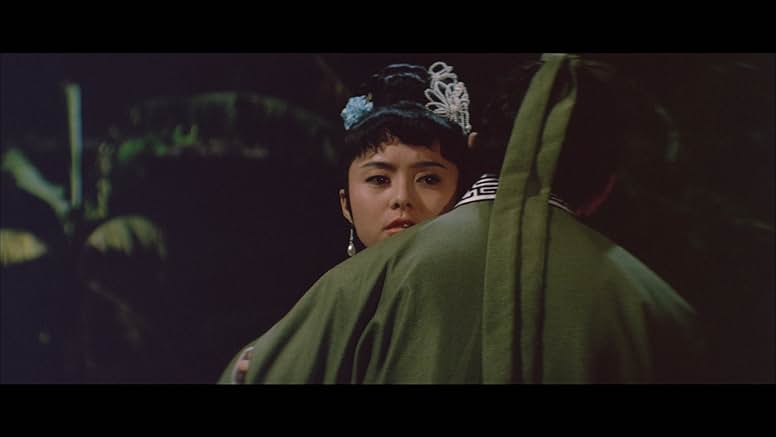
The film utilizes what I like to call a lush gothic palette. This isn’t the gritty, damp basement horror we usually cover. This is high-art haunting. The woods are filled with artificial fog that glows under blue and purple gels, creating a effect where the environment feels like it’s breathing.
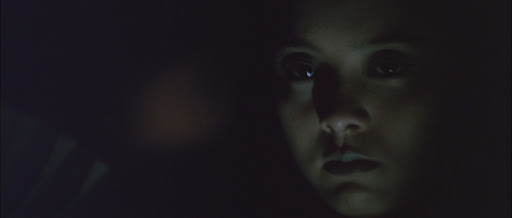
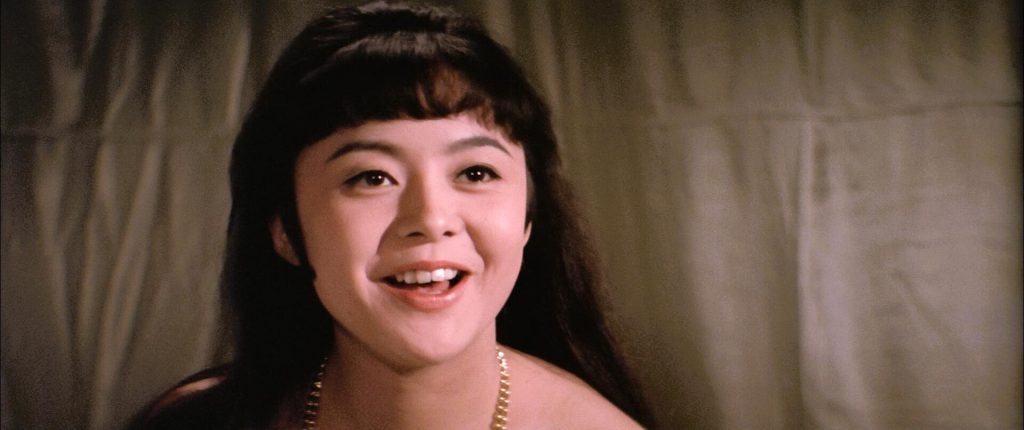
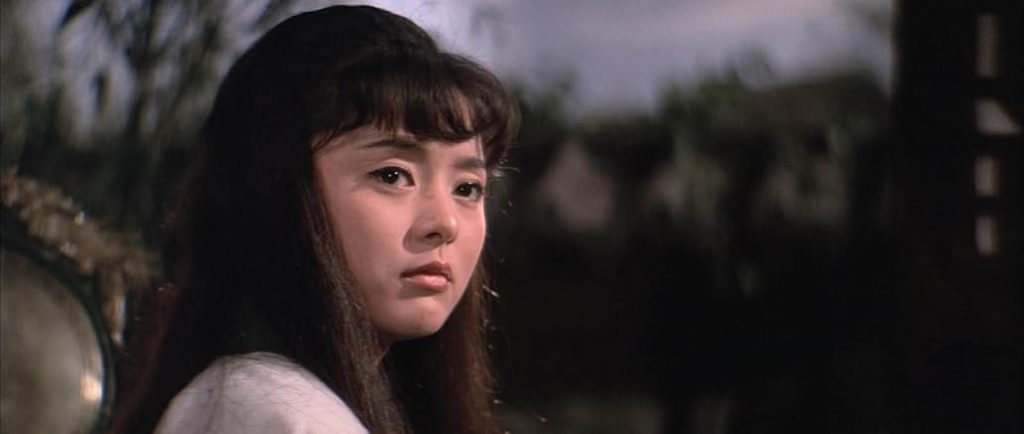
The cinematography is predatory. It lingers on Hsing Hui, often using tight close-ups to capture the subtle, agonizing flicker of sorrow in her eyes. In this world, she looks less like a person and more like a porcelain doll brought to life by a lonely sorcerer. The art direction is impeccable, all silk robes and ornate furniture that feels like it’s pressing in on the characters. It’s a beautiful cage, but a cage,nonetheless.
Plot and Performance
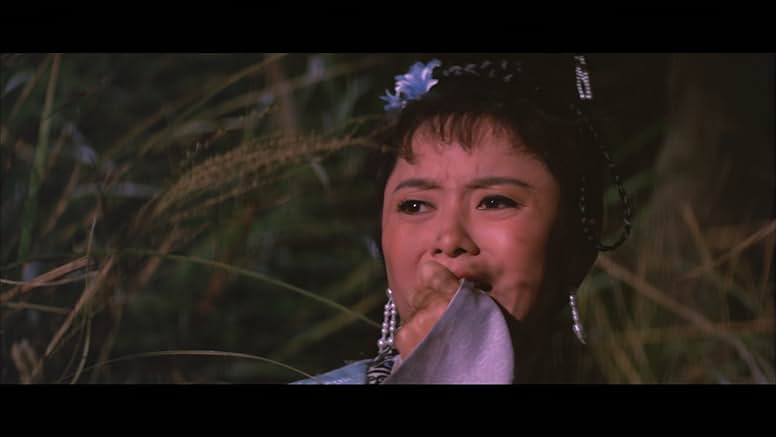
Hsing Hui plays the dual role of the living woman and the ghost. This doubling down is a common trope in these folk-horror tales, but Hsing Hui imbues it with a specific type of melancholy that feels uncomfortably real. Hsing Hui isn’t playing a tragic bride caught between two worlds, she’s a vessel for something far uglier. Her character becomes host to a vengeful spirit born from absolute brutality: a girl who watched her family slaughtered before being murdered herself, her suffering echoing loud enough to claw its way back from the grave.
What we’re watching isn’t longing, it’s possession with teeth. Every flicker in her performance feels like a battle for control, like her body’s been hijacked by rage that refuses to stay buried. This isn’t a ghost asking for peace. This is a ghost demanding payment.
The Great Pivot: Retirement and the American Nightmare
In 1973, at the absolute peak of her fame and beauty, Margaret Hsing Hui did the unthinkable: she walked away. She retired and moved to Los Angeles. In those days, many Shaw stars saw America as the normal life escape hatch, a place where you could be a person instead of a property. But for Margaret, the American Dream became a slow-motion, decades-long nightmare.
The Loss of Identity: In Hong Kong, she was a goddess. People stopped in the street to see her. In California, she was just another immigrant whose business ventures failed and whose marriage collapsed. Imagine being a queen in one life and a ghost in the next. The psychological whiplash of that transition is something few people could survive intact.
The Mental Descent: By the late 80s, the silver screen glow had been replaced by paranoia and isolation. Reports suggest she was becoming increasingly detached from reality. Without a support system, and far from the industry that once worshipped her, her mental health went unchecked.
The Bride from Hell was no longer a character; it was her daily reality.
The 1994 Incident: A Reality More Gruesome Than Fiction
We have to talk about the part that the fan magazines never covered, and we have to treat this with the gravitas it deserves, because this isn’t a movie plot, it’s a human tragedy.
The most tragic irony of Hsing Hui’s life is that the violence she was associated with on screen was highly stylized, poetic, and largely bloodless. It was art. In reality, the end of her normal life was far more horrific. In 1994, during a severe mental break, Margaret killed her mother with an axe.
When the news reached the Asian diaspora, it didn’t just cause shock; it caused a collective trauma. Fans couldn’t reconcile the elegant, luminous star with the shattered woman in a California mugshot. She was sentenced to 11 years in prison, decade where one of the world’s most beautiful women was reduced to a number in the California Department of Corrections. The isolation of the prison system was just the final layer of a wall she had been building around herself for years.
The Final Act: 2009 and the Silence of Stars
Margaret Hsing Hui’s release in 2007 was not a triumphant return. There were no cameras waiting, no ‘where are they now’ specials, and no redemption arc. She lived out her final two years in poor health and total obscurity.
When she passed away in 2009, the silence was deafening. There were no flowers or grand tributes, only the quiet, painful realization among film historians that the Bride had finally found the peace that eluded her for thirty years. She died in Los Angeles, thousands of miles away from the studio lights that had once made her a goddess.
Why We Must Remember
To watch The Bride from Hell today is to participate in a haunting. The film is part of a grander tradition of Chinese ghost stories that focus on the idea of the unfinished business. The ghost isn’t a monster; the ghost is someone who was denied their humanity in life and is trying to reclaim it in death.
The Bride from Hell is a fantastic piece of atmospheric horror. It’s a film that uses light and shadow to tell a story of a soul caught between worlds. But its legacy is now inextricably tied to Margaret Hsing Hui’s biography.
We shouldn’t watch the film as a morbid curiosity or a true crime tie-in. That would be a disservice to the woman and the artist. We should watch it as a tribute to a talent that was too fragile for this world. She gave the screen a sense of elegance and vulnerability that was, tragically, a reflection of her own spirit.
To look into this film is to acknowledge a hard truth that we often ignore in the horror community: behind every image is a human being who may be fighting a battle we cannot see. Margaret Hsing Hui was a victim of fate, both in the scripts she read and the life she lived.
She was the The Bride from Hell, yes. But she was also a daughter, an immigrant, a prisoner, and a woman who lost her way in the dark. In the pictures that filcker on my TV screen from this 1971 classic, she is still safe. She is still luminous.
She is still the star we all fell in love with.
Leave a Reply