I hate genre labels. Always have. Always will. They’re neat, tidy, and about as useful as trying to describe a thunderstorm by measuring individual raindrops. Music doesn’t behave itself like that. It mutates. It bleeds. It refuses to sit still long enough to be filed away under a single heading.
That said, I get it. We need them. They’re shorthand. If I tell you something sounds like Scandinavian Black Metal, you immediately picture frostbitten riffs, blast beats like machine gun fire, and vocals that sound like someone’s being exorcised with a rusty crowbar.
Alternatively, if I tell you a band is Cock Rock, you know exactly what you’re getting: some leather-trousered relic pushing 60, still yowling about teenage girls and fast cars like his diary stopped updating in 1987, conveniently forgetting his dad’s been dead for 20 years and he probably shouldn’t be allowed within 500 yards of a school.
Like I said, a necessary evil.
But every now and then, something comes along that makes those labels feel like you’re trying to describe a full-blown battlefield using a postcard.
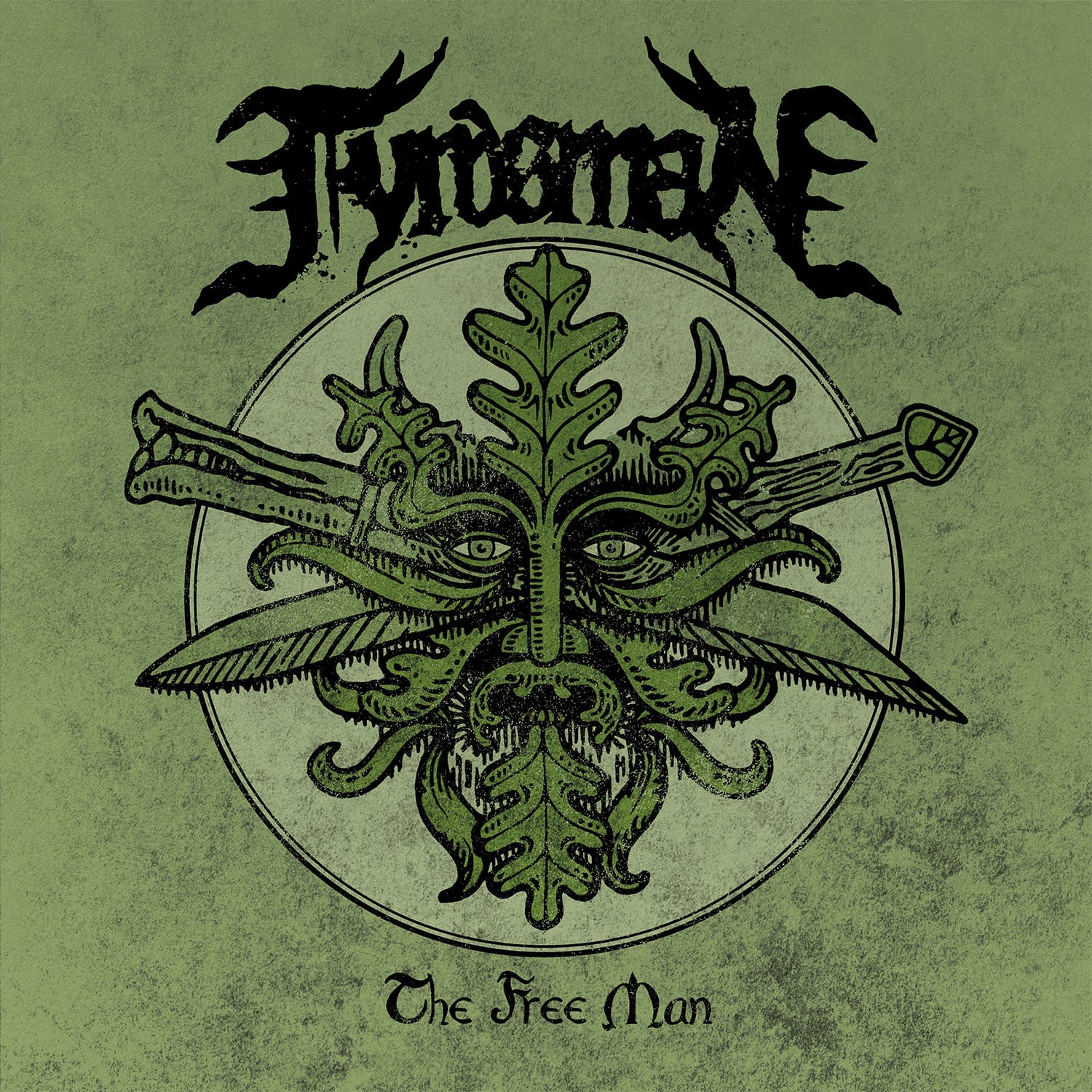
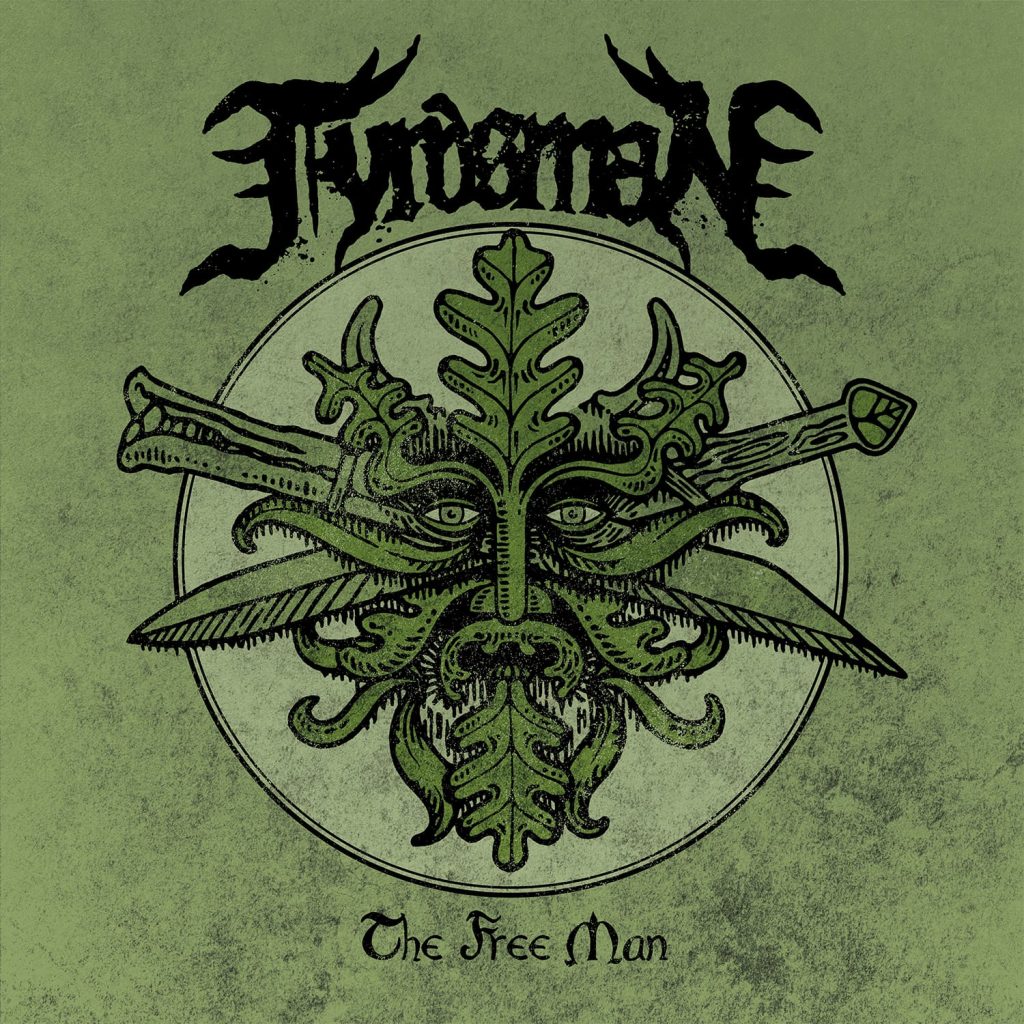
The Free Man by Fyrdsman is one of those records.
On paper, it ticks the boxes: Black Metal, Atmospheric Black Metal, maybe a bit of Progressive ambition lurking in the shadows, but that’s like calling a storm a bit windy. It’s technically correct, but it completely misses the point. This thing breathes. It shifts shape. It drags you through it rather than inviting you in politely.
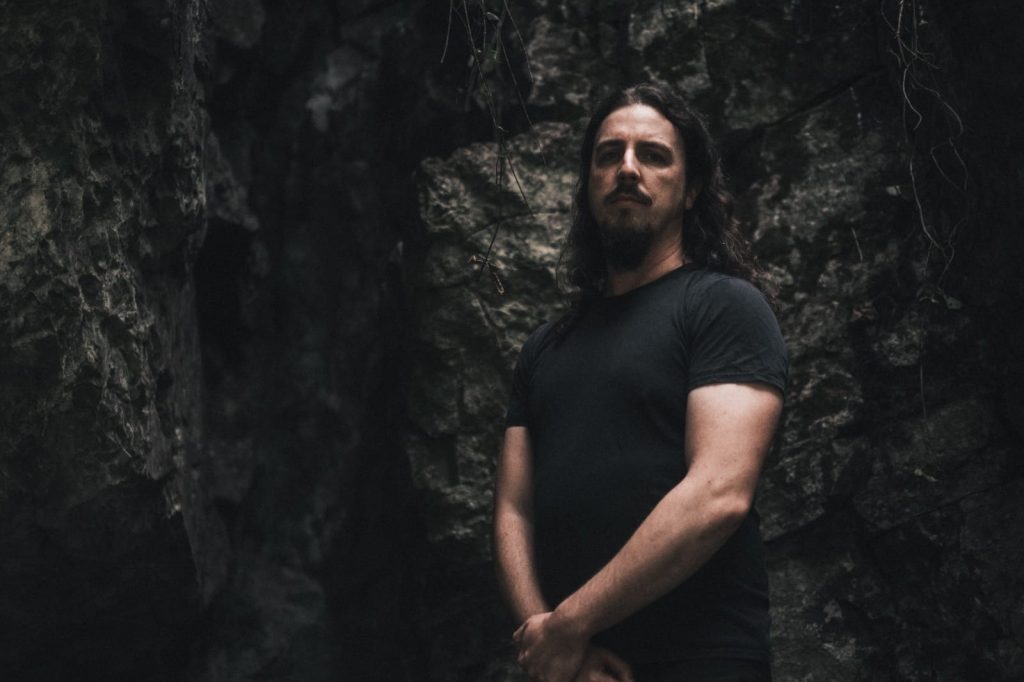
At its core, Fyrdsman is the solo vision of Tim Shaw, a name that’s been quietly circling the English underground for years. Not loudly, not with hype campaigns and algorithm-chasing nonsense, just steadily, stubbornly building something that feels rooted, properly rooted, in place and history.
The early releases, Forgotten Beneath the Soil and the 2013 debut Omen in the Sky, put him on the radar. Critics clocked it. Magazines picked up on it. There was already a sense that this wasn’t just another artist copying the Scandinavian blueprint note-for-note. There was something else in the soil.
Then things went quiet. Not vanished, not gone, just waiting, and in a genre where bands can churn out records like they’re on a production line it was a ballsy move. It suggests patience, or obsession. Usually both.
Now we get The Free Man, and it deels like somwthing has been fermenting in the dark, waiting for the right moment to crack the lid and let everything spill out.
The album drops you into the aftermath of 1066, not as a distant historical event, but as something immediate and happen right now. This isn’t kings and dates and tidy textbook summaries. This is the fallout and the people left behind. The ones who didn’t get to write history, only endure it.
You’re following a rebel, not a hero in the shining-armour sense, but a man trying to navigate a world that’s been ripped out from under him. Occupation hangs over everything. Loss isn’t a moment; it’s a constant. Identity starts to fray at the edges, and then come the visions.
Not in a clean, cinematic way, not helpful, guiding spirits pointing you toward destiny. These feel intrusive. Unwanted. Like the past and the present are bleeding into each other and no one bothered to stitch the wound closed.
What Shaw does well here is avoid turning this into a rigid concept album with signposts every five minutes. The narrative is there, but it flows like memory, fragmented, emotional, occasionally disorienting. You’re not being told a story so much as being dropped inside someone else’s head while it’s actively unraveling.
Musically, this thing doesn’t sit still long enough to be pinned down, and that’s exactly why it works.There are moments of calm, passages that feel almost pastoral, like you’ve stumbled into a quiet patch of land that hasn’t yet realised it’s about to be swallowed by history. But those moments never feel safe, they feel temporary.
Riffs come in not as decoration, but as force. There’s a dirt to them, something left over from the killing fields, something that feels played rather than programmed into submission. It keeps the album grounded and keeps it physical. You can almost feel the dirt under your boots when it kicks in.
And when it shifts gears, it does it naturally. No jarring transitions, no ‘look how clever I am’ moments. Just a steady, organic flow between light and darkness, tension and release. It knows when to pull back, when to suffocate you, and when to let a melody hang just long enough to get under your skin before it twists into something harsher.
Bringing in Ian Finley on drums was a smart move. His playing doesn’t just keep time, it shapes the terrain. There’s violence when it needs to hit hard, but also restraint when the music calls for space. It never feels overplayed, never feels like it’s trying to dominate the mix. It carries, drives, and occasionally drags everything forward when things threaten to drift too far into the ether.
There’s a sense that this is being played, not assembled piece by piece in a digital vacuum, and in this kind of music, that matters.
A lot of bands/arists aim for atmosphere and end up sounding like they’ve drowned their songs in reverb and decided to call it art. That’s not what’s happening here.
The scope of The Free Man feels intentional. It’s not about making things sound big, it’s about making them feel empty in the right places. There’s a difference. One is cinematic, the other is psychological.
You get stretches where the music pulls back just enough to let your brain fill in the gaps. That’s where the real atmosphere comes from, not what’s being played, but what’s being implied, and when the harsher elements come crashing back in, they hit a lot harder.
Here’s the thing: Black Metal, especially when it leans into folk or atmospheric territory, can very quickly fall into parody. You get the clichés, overblown theatrics, surface-level mysticism, or worse, music that feels like it’s more interested in dressing the part than actually saying anything.
The Free Man avoids that. It feels sincere and genuine. Not in a soft, sentimental way, but in a way that suggests this wasn’t rushed, wasn’t calculated, and definitely wasn’t done jn a whim. It feels planned out from the opening note to the last. There’s a focus here, a sense of purpose. It doesn’t try to be everything at once, but it’s also not afraid to stretch beyond the expected boundaries of the genre. It balances aggression with restraint, history with personal perspective, atmosphere with actual substance, and crucially, it rewards repeat listens.
This isn’t a one-and-done record. You’ll come back to it and notice things you missed: a subtle shift in rhythm, a melody buried just under the surface, a moment where everything clicks into place in a way it didn’t the first time around.
The Free Man isn’t just another entry in the endless flood of black metal releases. It stands apart, not by reinventing the genre completely, but by actually understanding what makes it work in the first place and building from there. It’s dark without being cartoonish, expansive without losing focus, and rooted in something real without turning into a history lecture.
Most importantly, it feels like it had to be made. Tim Shaw hasn’t just returned, he’s delivered something that justifies the wait.
If you like your music with atmosphere, aggression, and just enough bite to leave a mark, then Fyrdsman is for you.
Just don’t ask me to neatly file it under a single genre.
The Free Man by Fyrdsman is out now.
Leave a Reply