By 1971, The Shaw Brothers were the undisputed kings of Hong Kong cinema, For years, they had run the show like a well-oiled, colorful, slightly authoritarian machine. They had the sets, they had the stars, and they had the Shaw Style, lavish, operatic, and, now, safe.
Then came Raymond Chow. He walked out of Shaw, something nobody ever did, grabbed a handful of the best talent, and formed Golden Harvest. He didn’t want to make operas; he wanted to make impact. He wanted movies that felt like a punch to the gut. The Invincible Eight was one of the very first bullets fired in that war. It was Golden Harvest’s way of saying: “We have your stars, we have your stories, but we have a realism you’re too afraid to touch.”
The Director: Lo Wei, The Man Who Found the Dragons
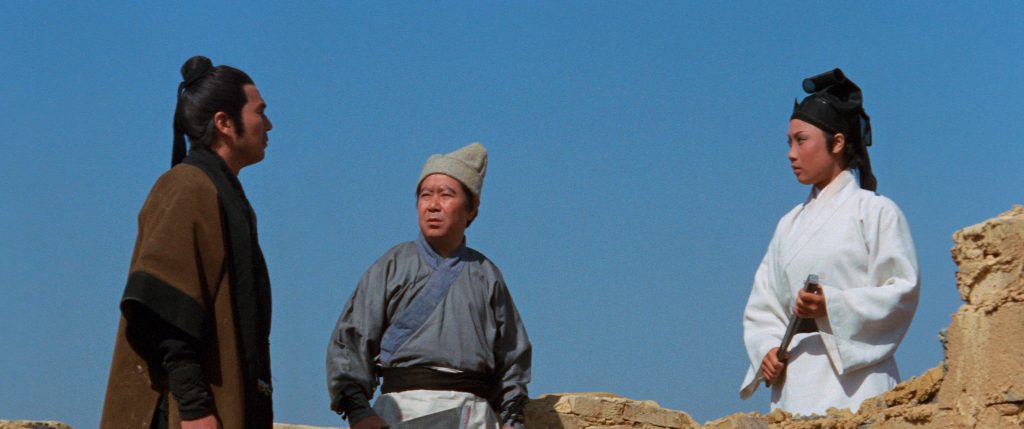
Before he was the man who discovered Bruce Lee (a claim he made often and loudly), Lo Wei was the journeyman director tasked with making Golden Harvest a household name. Lo Wei is a controversial figure among Kung Fu fans; critics often call him lazy or old-fashioned, but in 1971, he was the right man for the job.
He knew how to frame a hero. He understood the heroic posture. In The Invincible Eight, he takes a classic, somewhat dusty Wuxia premise and injects it with a sense of urgency. He doesn’t linger on the scenery; he lingers on the sweat. He wanted the audience to feel the heat of the forge and the coldness of the steel.
The Plot: A Symphony of Shared Trauma
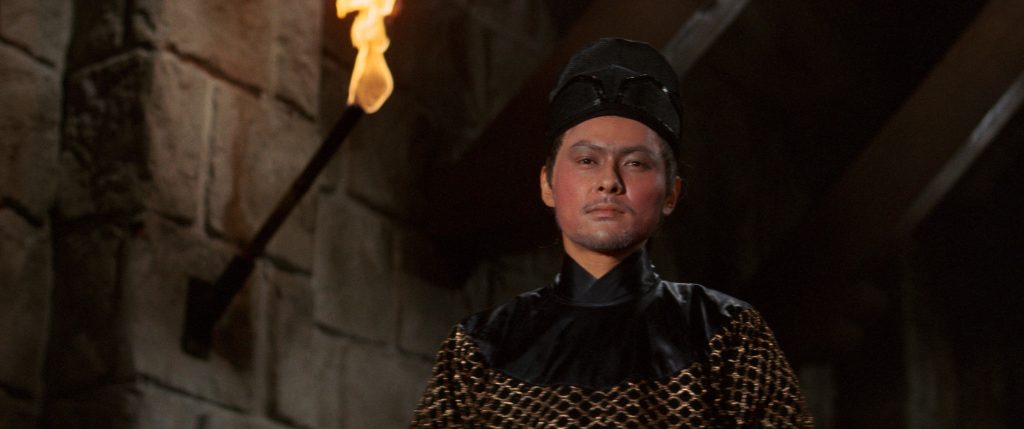
The narrative is a symphony in revenge logic. We have our antagonist, General Hsiao (played by the legendary Han Ying-chieh, who was also the film’s co-action director). Hsiao is the ultimate 70s despot. He doesn’t just want power; he wants to erase legacies. He has spent years systematically murdering the heroes of the previous generation.
But he made the classic villain mistake: he left the kids alive.
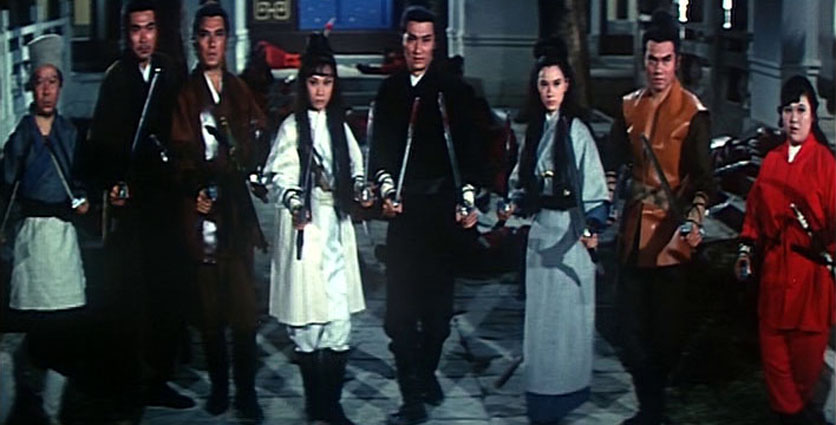
The film follows Patrick Tse Yin as he begins the monumental task of rounding up the Eight. Each of these characters has spent years honing a specific, lethal skill set with one goal in mind: the General’s head on a platter.
The first hour of the film is essentially a recruitment drive stretched into a feature film, where the people being called upon spend a vast majority of their time getting their asses kicked . Even so, you know you aren’t just watching a story; you’re watching a team being assembled like a chop-socky version of The Avengers.
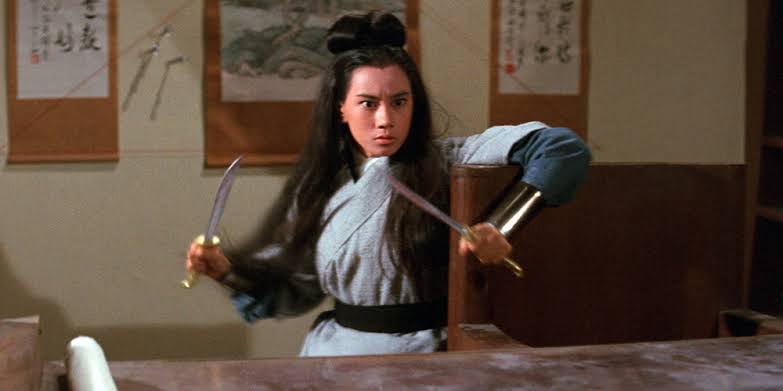
The Cast
This is where The Invincible Eight truly shines. Golden Harvest didn’t just cast actors; they cast icons.
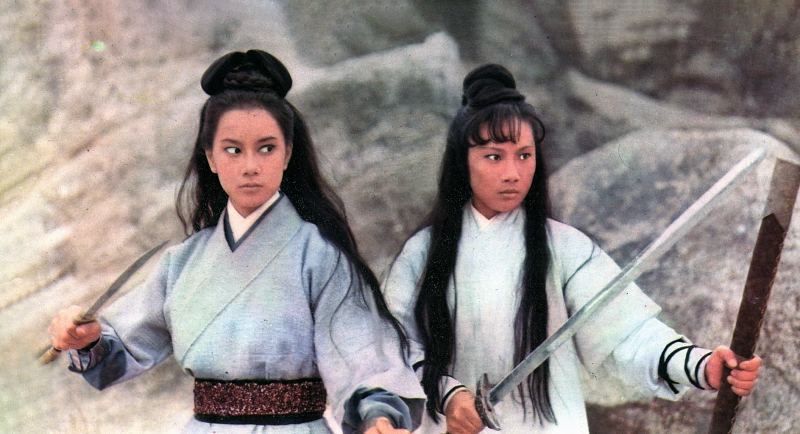
Angela Mao (The Queen): We have to start with Angela. In 1971, she was well on her way to being Lady Kung Fu. She didn’t just act like a fighter; she was a fighter. Her presence in the Eight isn’t just about diversity; she is often the most lethal person on screen.
Nora Miao (The Grace): Nora would go on to be the only woman to appear in all three of Bruce Lee’s Hong Kong films, but here she proves she was a star in her own right. She brings a Wuxia Elegance that balances out the more brutal elements of the cast.
James Tien (The Reliability): James Tien is the secret sauce of 70s HK cinema. He’s the guy who makes everyone else look good while still being able to kick a hole through a brick wall.
Lydia Shum (The Heart): Every team needs a wild card, and the legendary Fei-Fei brings a comedic sense that is vital. In a movie about dead fathers and bloody vengeance, you need a moment to breathe, and Lydia provides that with her characteristic charm.
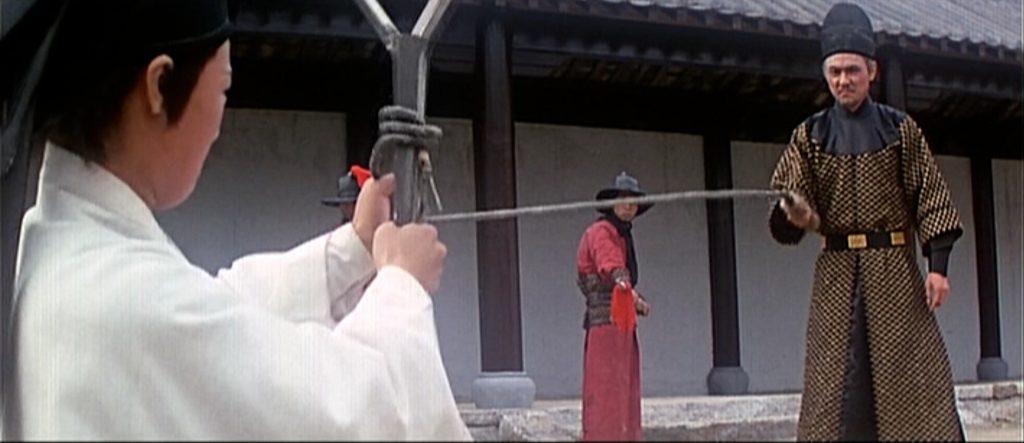
Sammo Hung: The Birth of a Legend
If you look closely at the credits, you’ll see the name Sammo Hung as a Co-Action Director. At this point, Sammo was in his early 20s, a graduate of the China Drama Academy, and he was hungry.
You can see his fingerprints all over the action. While Lo Wei was directing the actors, Sammo was directing the violence. He was the one who insisted on the whip-guards. He realized that if you have eight heroes, you need a threat that feels new.
The use of the whip as a primary weapon for the villains is a stroke of genius. It creates a Zone of Danger. The heroes can’t just run in and punch; they have to deal with the constant movement of the whips. It forced the choreography to be more defensive, more aerial, and more complex. It was a sign that Sammo was already thinking about action as a problem-solving exercise rather than just a dance.
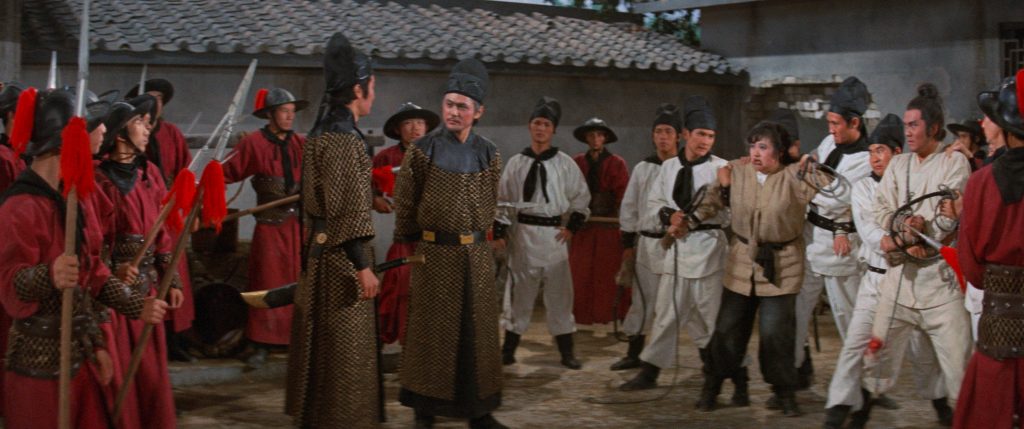
The General’s Whippets: A New Breed of Henchman
The Whip Squad is one of the most underrated henchman groups in the history of Martual arts cinema. Usually, in these movies, the guards are just fodder, guys who exist to get kicked in the face so the hero can look cool.
But in The Invincible Eight, the guards are a legitimate obstacle. They work in teams. They entangle limbs. They use the environment. They represent the discipline of the General’s army vs. the individualism of the Eight. The scenes where the whips are cracking and the dust is flying are some of the most visually arresting moments in early 70s cinema.
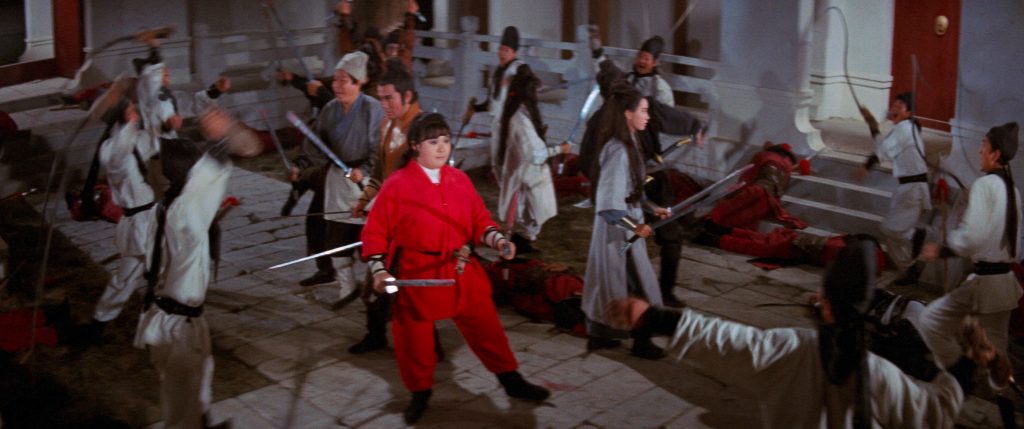
The Final Assault
Everything in this movie is a slow-burn fuse leading to the final assault. Once the Eight arrive at the General’s headquarters, the movie stops being a plot and starts being an excuse to beat the hell out of anone that moves.
The battle is a sprawling, multi-level war. It’s not just one big fight; it’s a series of mini-boss encounters that allow each of the Eight to showcase their specific style.
We see the power fighters smashing through rank and file. We see the speed fighters (Mao and Miao) weaving through the whips. It is an artwork of Spatial Choreography. Lo Wei and Sammo manage to keep track of eight protagonists and dozens of villains without the audience ever feeling lost. You know exactly where everyone is, what the stakes are, and who is currently winning. It’s a level of technical skill that, for the time, was mind boggling.
The Technical Evolution: From Shaw to Harvest
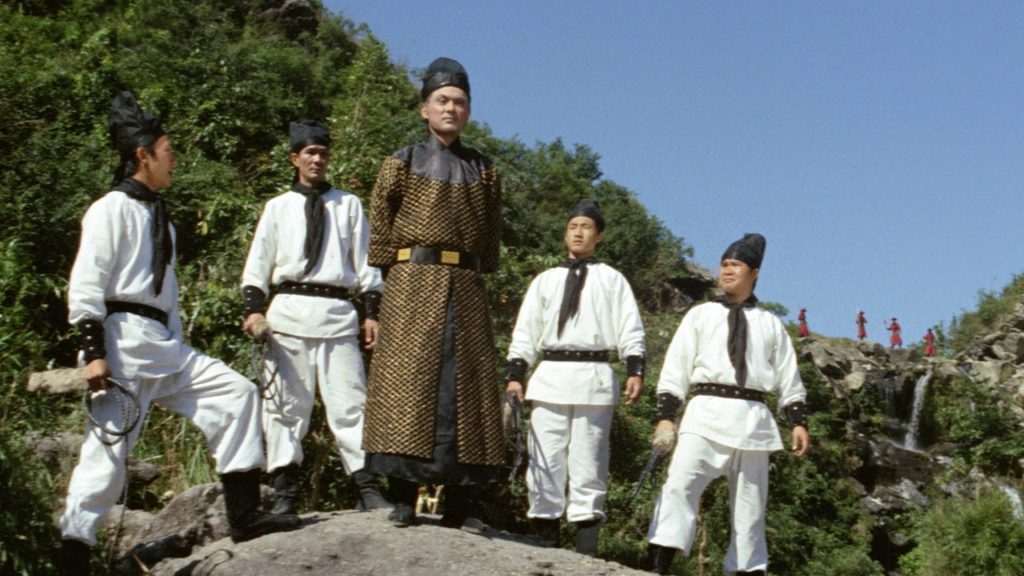
There is a certain look to The Invincible Eight, that make it stand apart from other films of the era. Shaw Brothers movies were often shot on soundstages with painted backdrops. They looked like plays.
The Invincible Eight feels like it was shot in the streets and alleyways. Even the interior sets have a layer of dust and dirt. The lighting is more naturalistic. The camera is more mobile. It was a signal to the audience that the era of Fantasy Wuxia was no longer the only game in town and the era of Street Kung Fu was beginning. Golden Harvest was selling its version of reality, and the audience was buying it in droves.
Sisters Are Doing It For Themselves
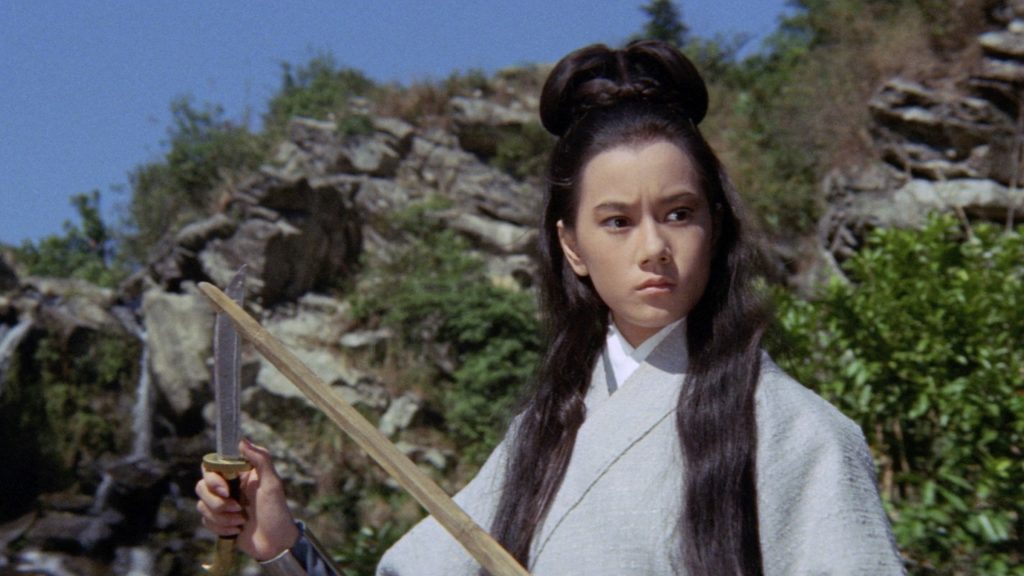
In the early 70s, the Swordswoman was a staple, thanks to Cheng Pei-pei and Come Drink with Me. But The Invincible Eight took it a step further by including two powerful women as equals in a strike team.
Angela Mao and Nora Miao aren’t damsels in distress. They aren’t there to be rescued. In fact, they are often the ones doing the rescuing. This reflected a changing demographic in the Hong Kong audience, younger, more urban, and more progressive. They wanted heroes who looked like them, and Golden Harvest was happy to provide.
The Rough Aesthetic: Why Perfection is Boring
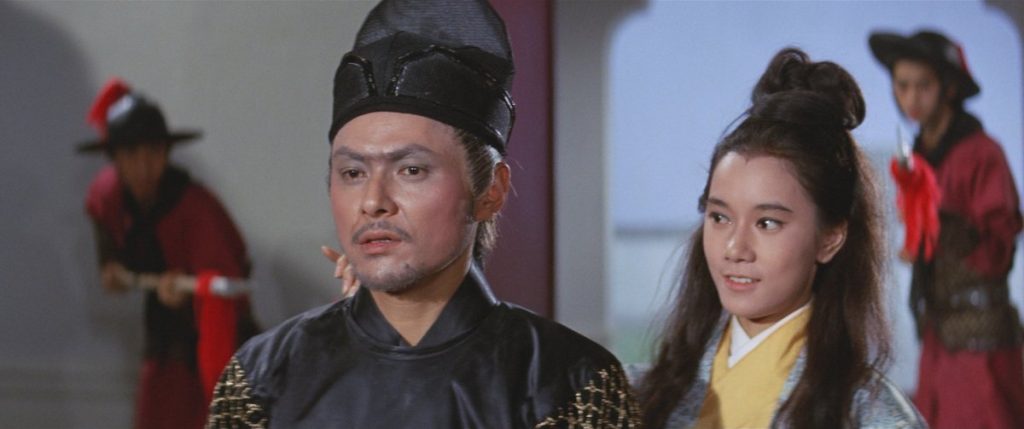
Critics often point out that The Invincible Eight has some rough edges. The editing can be jarring. The music (often borrowed from other sources, as was the custom) can be repetitive.
But I argue that the roughness is why it works. It has a Punk Rock Energy. It feels like a movie made by people who were making up the rules as they went along. It feels like a studio finding its soul in real-time. That unpolished quality makes the violence feel more authentic and the stakes even higher.
The Legacy: The Dragon’s Shadow
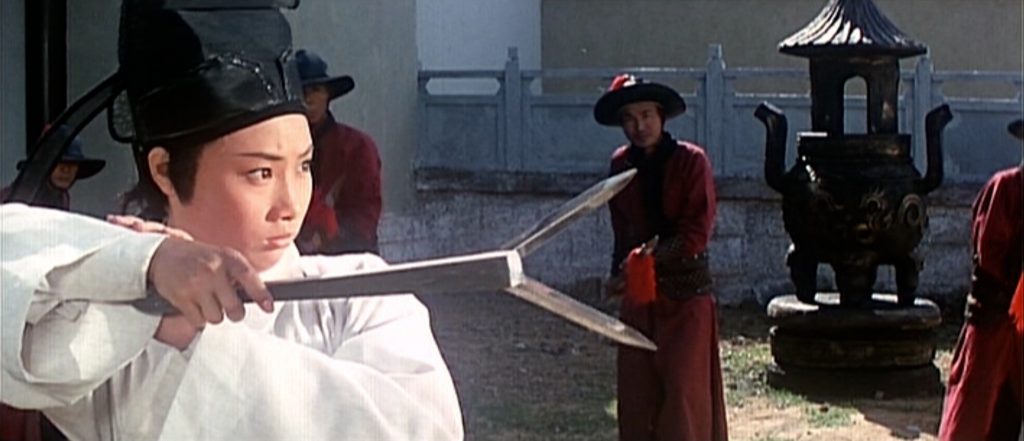
Shortly after The Invincible Eight wrapped, Lo Wei and Nora Miao would head to Thailand to film The Big Boss.
It was the success of The Invincible Eight that gave Golden Harvest the confidence to take a chance on a brash, charismatic guy from San Francisco named Bruce Lee. All the elements are here: the anti-authoritarian streak, the combat, and the absolute belief in the power of the hero. Without The Invincible Eight, there is no Big Boss. There is no Fist of Fury. There is no Golden Harvest empire. This movie was the Proof of Concept that challenged the Shaw Brothers and, to a degree, won.
Why I Love It
The Invincible Eight (1971) is a cinematic document of a revolution. It is the Avengers of the Wuxia world. It features a cast of legends, a villain you love to hate, and a choreography style that was years ahead of its time.
If you are a fan of Hong Kong cinema, you owe it to yourself to see this film. Don’t watch it for the plot; watch it for the energy. Watch it to see the moment the old world died and the new world was born in a flurry of kicks and whip-cracks.
It’s a brutal, beautiful, ensemble-driven tale of revenge. It’s the sound of a new era. And it’s the only movie where eight people with dead dads finally get the high five they deserve, in the form of a General’s defeat.
Leave a Reply