If there is one thing modern society is exceptionally good at, it is squeezing every single drop of sanity out of us. We live in a world that behaves like a giant hydraulic press, slowly and methodically lowering itself onto our collective heads, expecting us to just keep absorbing the pressure without making a sound. We log on, we look at the state of the world, we work ourselves to the point of absolute mental burnout, and then we are expected to politely go to sleep, wake up, and do it all over again with a smile.
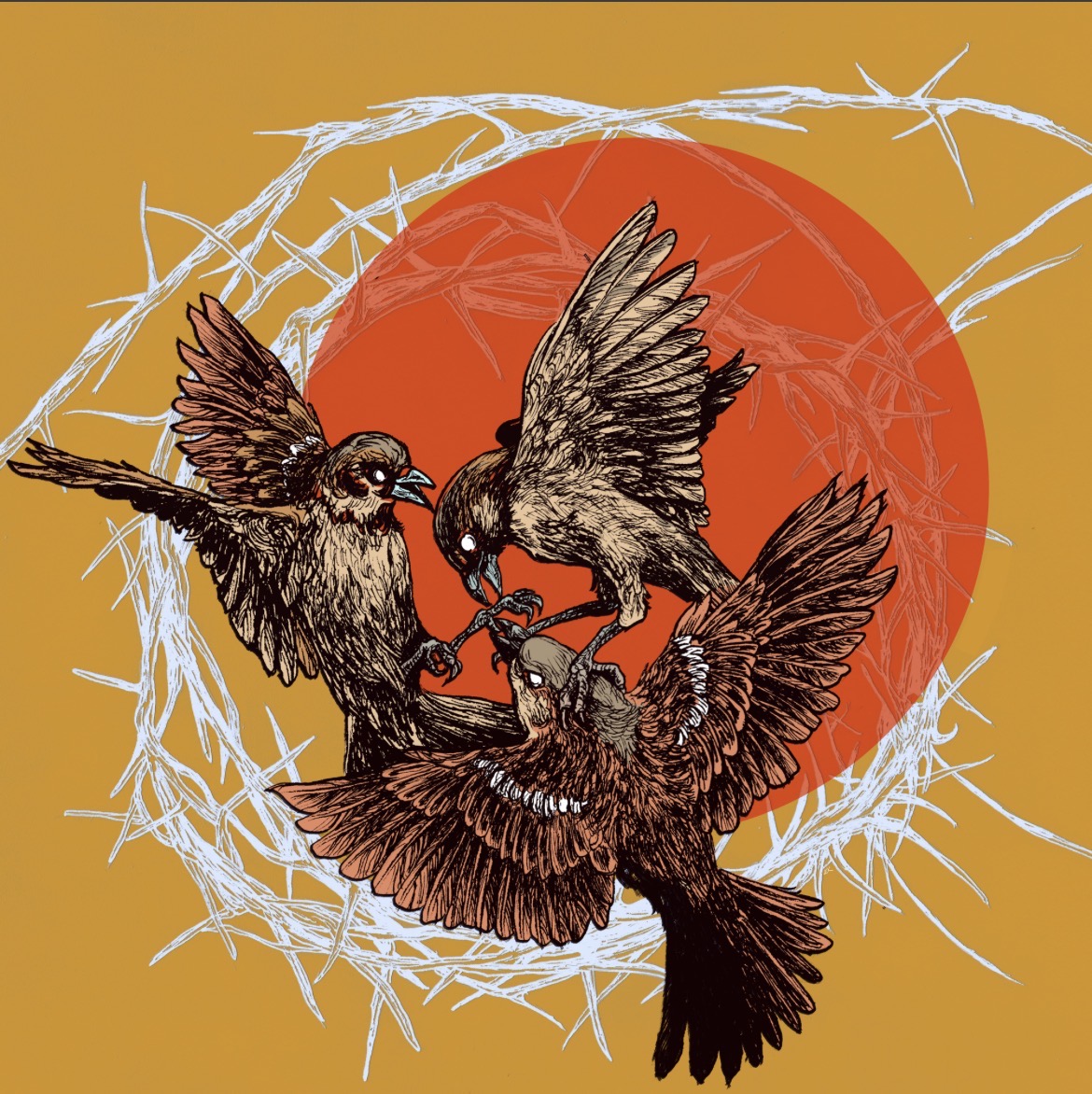
Which is why when an album like How Much We Can Take by Too Late, But Still lands on your desk, it doesn’t just feel like a new piece of music. It feels like a long-overdue, scream-at-the-top-of-your-lungs emotional eviction notice.
Now, on paper, we are dealing with melodic post-hardcore. If you know anything about post-hardcore, you know it is a genre that walks an incredibly perilous tightrope. Lean too far in one direction, and you end up with something so aggressively whiny and self-indulgent that you want to confiscate the band’s diary and tell them to go outside and touch some grass. Lean too far in the other direction, and it turns into a sterile, meatheaded display of synchronized chugging that has all the emotional depth of a puddle in a supermarket car park.
Too Late, But Still don’t just walk that tightrope—they sprint across it while setting the fucking thing on fire.
This album shows just how to balance absolute, rib-cracking sonic impact with the kind of raw, bleeding-heart vulnerability that makes you want to lie down in a dark room and question every life decision you’ve ever made. It is a record built entirely around the concept of pressure in all of its most suffocating forms: the personal anxiety that keeps you awake at 4:00 AM, the social expectation to constantly perform, and the emotional wreckage of trying to maintain real, human connections in a digital landscape that is actively trying to disconnect us.
What makes the band’s approach so damn refreshing is that they aren’t here to offer you any easy answers. There are no cheesy, uplifting power-ballad choruses to assure you that “everything is going to be alright if we just hold hands.” They don’t have a magical cure for your burnout. Instead, the entire record functions as one giant, uncomfortable, beautifully chaotic question mark. It asks you, directly and without any sugar-coating, how much weight you can actually carry on your shoulders before your spine snaps.
And the way they ask that question is by delivering some of the most emotionally intense, blisteringly kinetic hardcore music you are likely to hear this year.
Musically, the record is an absolute beast. The production, handled under the watchful eye of Adam Tucker at Signaturetone Recording, is immaculate. It has this wonderful, gritty, organic warmth to it that completely avoids the sterile, over-compressed trap that so many modern heavy records fall into. You can feel the actual physical space of the room. When the drums kick in, it doesn’t sound like a MIDI file being triggered by a computer; it sounds like a human being in a room actively trying to put their drumsticks right through the skins.
The guitar work is a non-stop storm of abrasive, razor-sharp riffs that somehow manage to carry these gorgeous, melancholic melodies right in the middle of the chaos. It’s a very specific kind of guitar playing that fans of bands like Touché Amoré, Defeater, or Counterparts will recognize instantly—where the instruments aren’t just playing chords, they are actively weeping and screaming right alongside the vocalist. The riffs wind and twist around the rhythm section, building up these massive, towering walls of tension before collapsing into these absolutely crushing, groove-laden movements that will ensure anyone within a five-mile radius gets a severe case of whiplash.
But where this record truly earns its stripes is in the vocal department. The performance here is nothing short of heroic. It is the sound of a throat being pushed to its absolute, ragged limit, delivering lyrics that read like a collection of frantic, late-night text messages you wrote but never had the balls to send. There is an astonishing amount of pain and desperation in the delivery. When the vocals peak, they don’t sound theatrical or rehearsed; they sound like someone who has genuinely reached the end of their tether, screaming out into the void because they have literally no other way to survive the day.
What keeps you hooked across the entire experience is the sheer dynamic variety of the songwriting. Too Late, But Still understand that constant, unyielding speed can actually end up numbing the listener. If you just blast-beat your way through thirty minutes of music, it eventually just becomes background noise. So, instead of a monotonous sprint, they treat the album’s flow like a living, breathing entity.
They will start a movement that feels like a panic attack in musical form—all jagged rhythms, drums, and guitars that sound like they are actively trying to escape from the stereo. Then, right when your brain is starting to melt from the sheer velocity, they will pull the music equivalent of an arm around the shoulder. They’ll let the distortion fade away, leaving nothing but a lonely, brooding bass line and a quiet, introspective spoken-word or clean vocal passage. It is a stunning, theatrical shift in momentum that completely changes the temperature of the room. It gives you just enough time to catch your breath, to look around the wreckage, before the heavy wall of your own emotions slams back down on your head with tenfold intensity.
It is this constant, masterly play between light and dark, rage and beauty, that makes How Much We Can Take such a triumph. You can hear the DNA of legendary bands like Have Heart or Braid swirling around in the mix, but Too Late, But Still never feel like they are just regurgitating their record collections. They have taken those classic influences and forged them into a weapon that is entirely, distinctively their own.
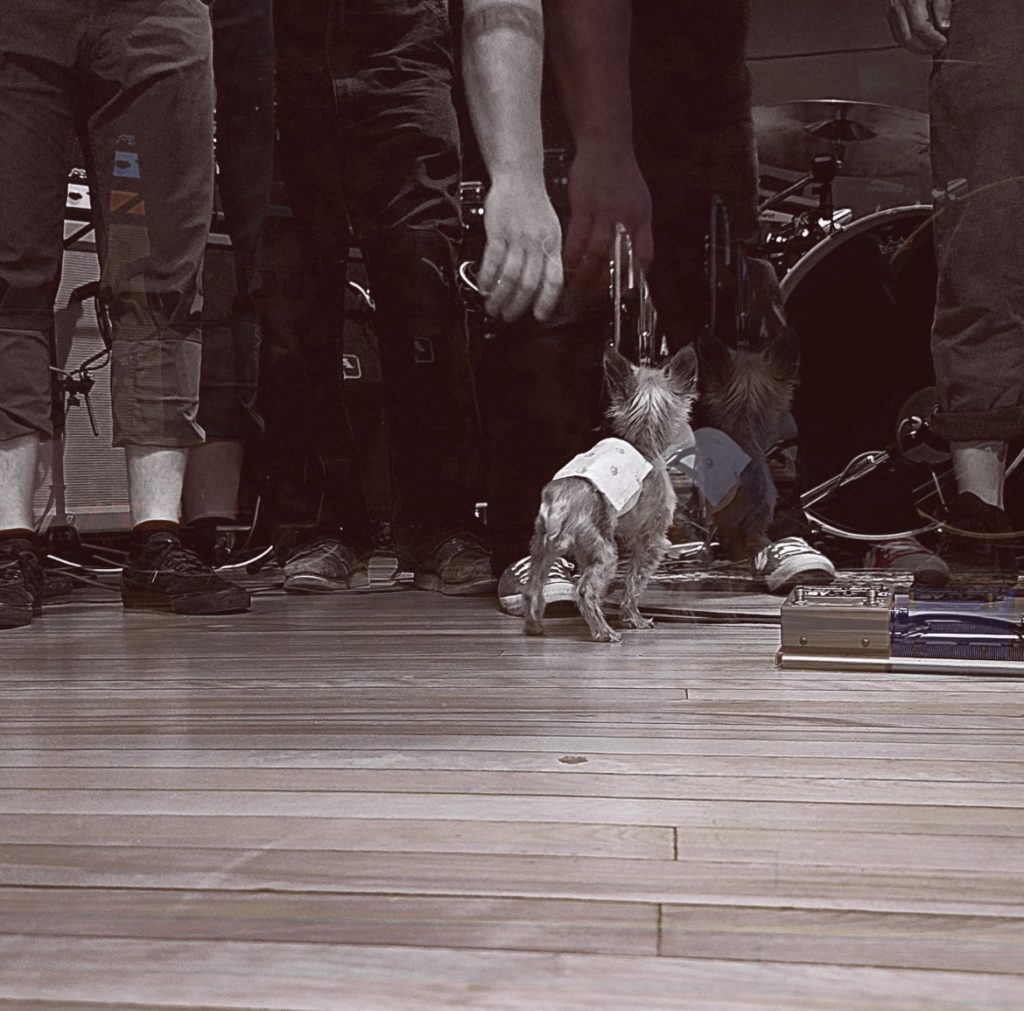
By the time the record reaches its final, climactic moments, you feel completely emotionally exhausted, and honestly, that is exactly the point. This isn’t background music to put on while you do your household chores or answer emails. It is a deeply immersive, highly confrontational piece of art that demands your full, undivided attention. It forces you to look directly at your own scars, your own burnouts, and the toxic, hyper-individualistic culture we are all currently drowning in.
Ultimately, Too Late, But Still have created an absolute majestic piece of modern post-hardcore. It is an album that is simultaneously physically punishing and emotionally fragile, a record that finds its greatest strength in the moments where it is completely unafraid to be vulnerable. If you are ready to let a beautifully chaotic storm of guitars and raw emotion tear through your speakers and remind you of what it actually means to feel something in a disconnected world, do yourself a massive favor: turn the lights off, turn this up as loud as your speakers can possibly handle, and let the pressure take over.
Leave a Reply