Carnival of Souls is one of my favorite horror movies of all time. It is spooky, unsettling, and so fucking weird that you’ll wonder if that last beer you had wasn’t laced with LSD.
Made for $33,000 by Herk Harvey, a bloke who spent his day job directing educational safety films in Kansas, it has no right to be this good. By every rule of 1960s filmmaking, a micro-budget Midwestern indie shot on weekends using local stage actors and an organ score recorded in a bloke’s living room should look like complete garbage.
Instead, Harvey pulled off a staggering piece of accidental art-house dread. It laid the blueprint for every low-budget nightmare that followed, from Romero’s ghoul-crowded farmhouses to David Lynch’s weirdest fever dreams.
The premise is deceptively simple.
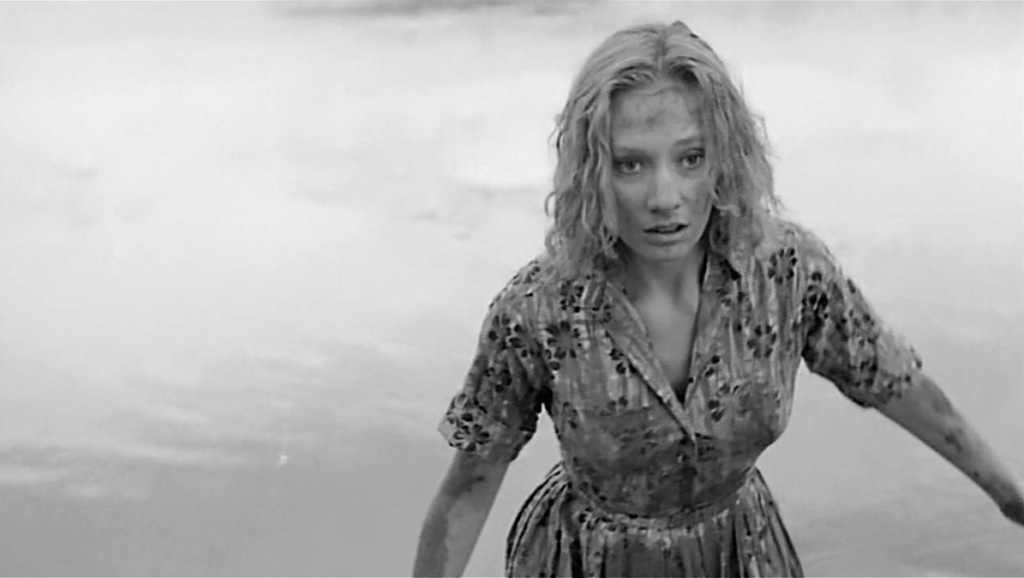
We start with a drag race in Lawrence, Kansas. Two cars full of kids speeding down a wooden bridge, a collision, and a car plunging into the muddy river. Three girls go underwater. The cops dredge the river for hours, give up, and then, out of nowhere, Mary Henry (Candace Hilligoss) crawls out of the silt, drenched, silent, and completely traumatised.
She doesn’t cry. She doesn’t scream. She just gets up, packs her bags, and drives to Salt Lake City to take a job as a church organist.
That’s where the trip really begins.
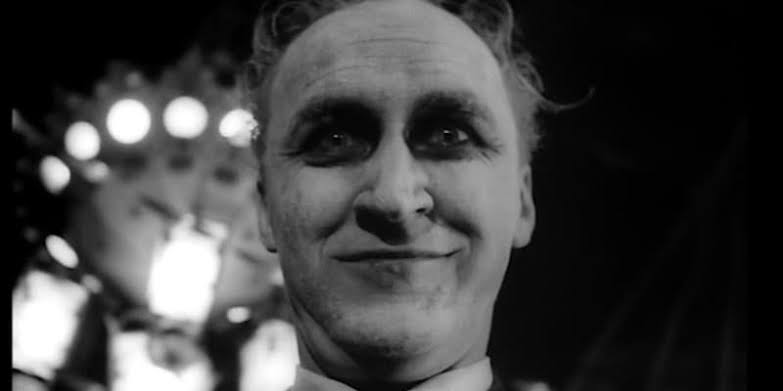
As Mary drives across the flat, bleak American landscape, the film detaches itself from reality. Her car radio starts picking up bizarre, droning organ chords. A pale, sunken-faced man in a suit (played by Harvey himself) starts appearing in her passenger window, on the side of the road, and looming out of the dark.
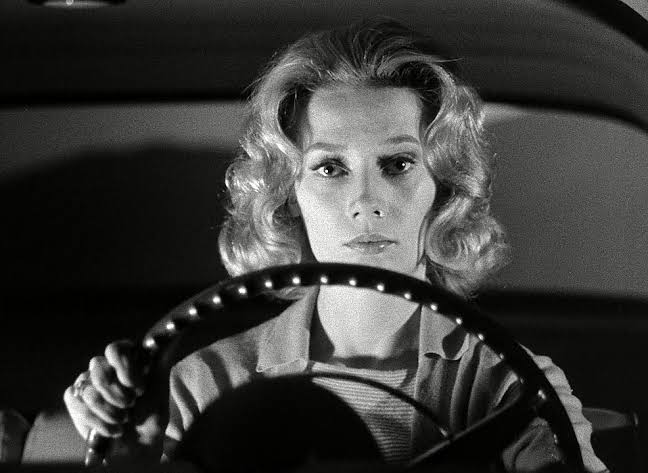
Candace Hilligoss is phenomenal here. She plays Mary not as a traditional scream queen, but as someone who is deeply, profoundly alienated from human existence. She doesn’t care about men, she doesn’t care about religion, and she doesn’t particularly care for people. She just plays the organ because it’s a job.
Her performance feels cold and detached, which makes her descent hit ten times harder.
Then come the “silent” sequences.
Every so often, reality simply turns off for Mary. She’ll walk into a dress shop or down a busy street, and suddenly no one can hear or see her. The ambient noise drops out completely. She screams, she waves her hands in people’s faces, and the world just moves past her like she’s made of glass. It’s one of the most effective depictions of severe dissociation ever put on film, achieved without a single special effect, just cold, high-contrast black-and-white photography and brutal sound editing.
Enter the Saltair Pavilion.
Driving into Salt Lake City, Mary becomes obsessed with a colossal, rotting amusement park sitting on the edge of the Great Salt Lake. The real-life Saltair was an 1890s resort that had been abandoned, burnt down, and left to rot in the mud. Harvey saw it while driving back from a shoot, realized it looked like a mausoleum for the Gilded Age, and built the entire climax around it.
The final sequence at the pavilion, where Mary wanders into the cavernous, empty ballroom only to find a crowd of ghastly, pale corpses dancing in dead silence to Gene Moore’s haunting organ score, is pure nightmare fuel. There’s no gore, no rubber monsters, no slasher nonsense, just the dawning realisation of being claimed by the dead.
When the twist lands at the end, it doesn’t feel like a cheap gimmick. It feels inevitable.
When Carnival of Souls hit theaters in 1962, the distributor completely bungled it, stuck it on the bottom half of a double bill, accidentally failed to register the copyright, and failed to pay Harvey a dime. It vanished for twenty years before midnight-movie revival houses dug it out of the grave in the late 80s. But thank Satan they did.
It’s raw, eerie, and will sit in the back of your brain long after the credits roll.
Leave a Reply