
Category: Books
-
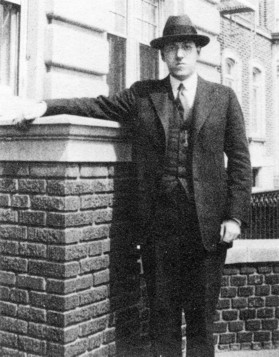
Welcome to the ultimate DNA Test from Hell. If The Temple was an iron coffin at the bottom of the sea, Facts Concerning the Late Arthur Jermyn and His Family, later republished under the punchier title The White Ape, is a slow-motion car crash through five generations of the worst genetics in British history. Written…
-

Lock the hatch and check your oxygen levels, because we are diving into the high-pressure, low-sanity world of The Temple. Written in 1920 and first published in 1925 in Weird Tales, this is Lovecraft’s version of a submarine thriller, but instead of a heroic crew, we get a boat full of Imperial German sailors who…
-
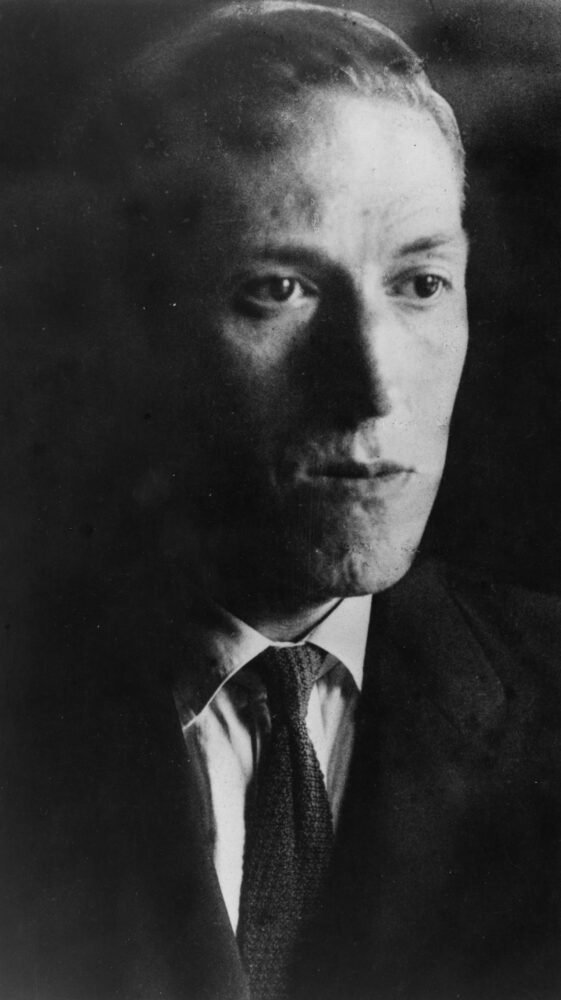
Let’s step out of the foggy New England docks and into the marble hills of Arcadia, where friendship curdles, ambition festers, and the trees have very long memories. Where The Terrible Old Man crept through fog and shadow, claiming the souls of those foolish enough to step into his world, The Tree grows silently in…
-
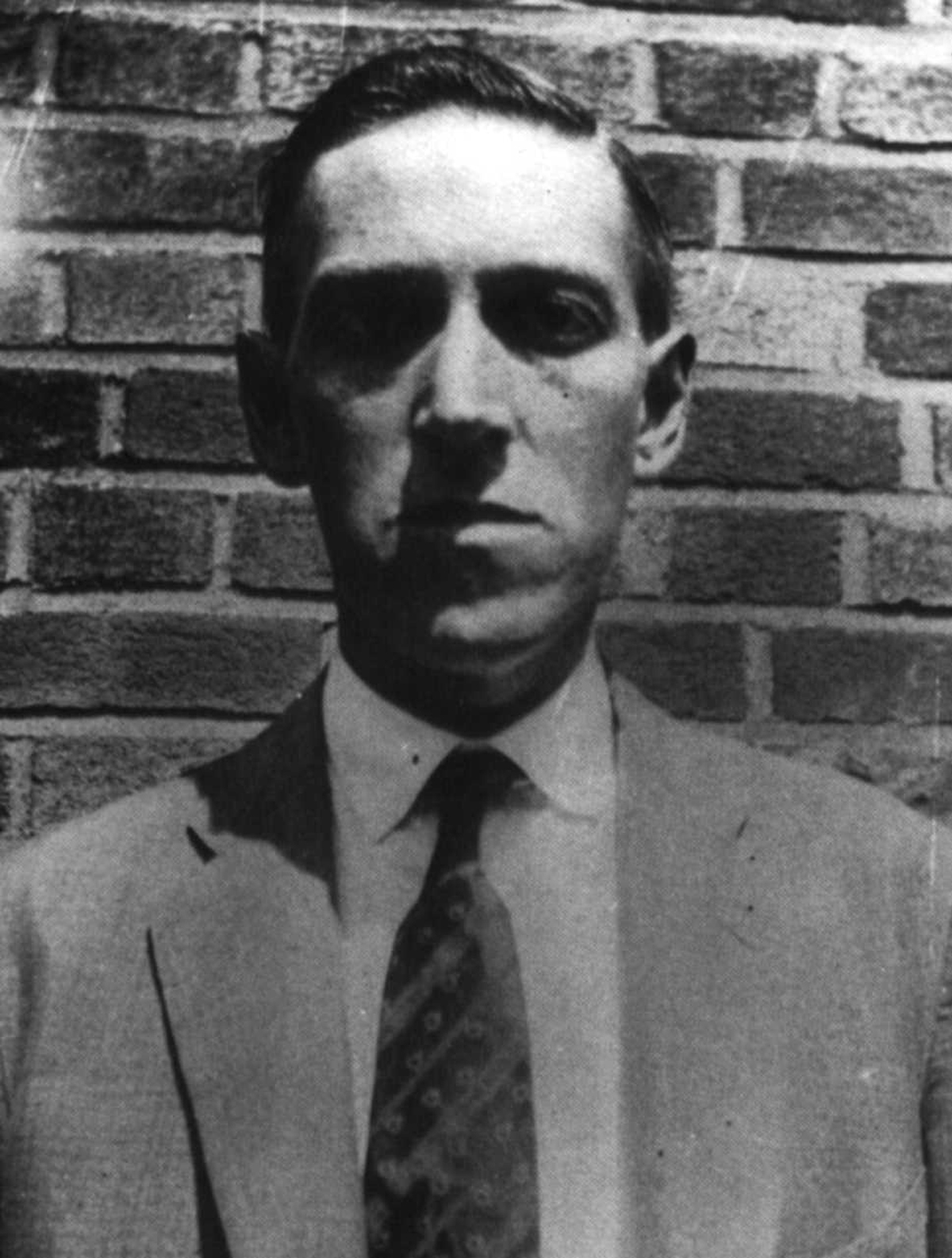
In January 1920, H. P. Lovecraft shifted the focus from the ethereal mists of the Dream-lands to the salt-crusted, pre-revolutionary streets of Kingsport, grounding his horror in a tangible coastal reality where the weight of history and ancestral memory presses as heavily as the tide. The Terrible Old Man is not merely a short story;…
-
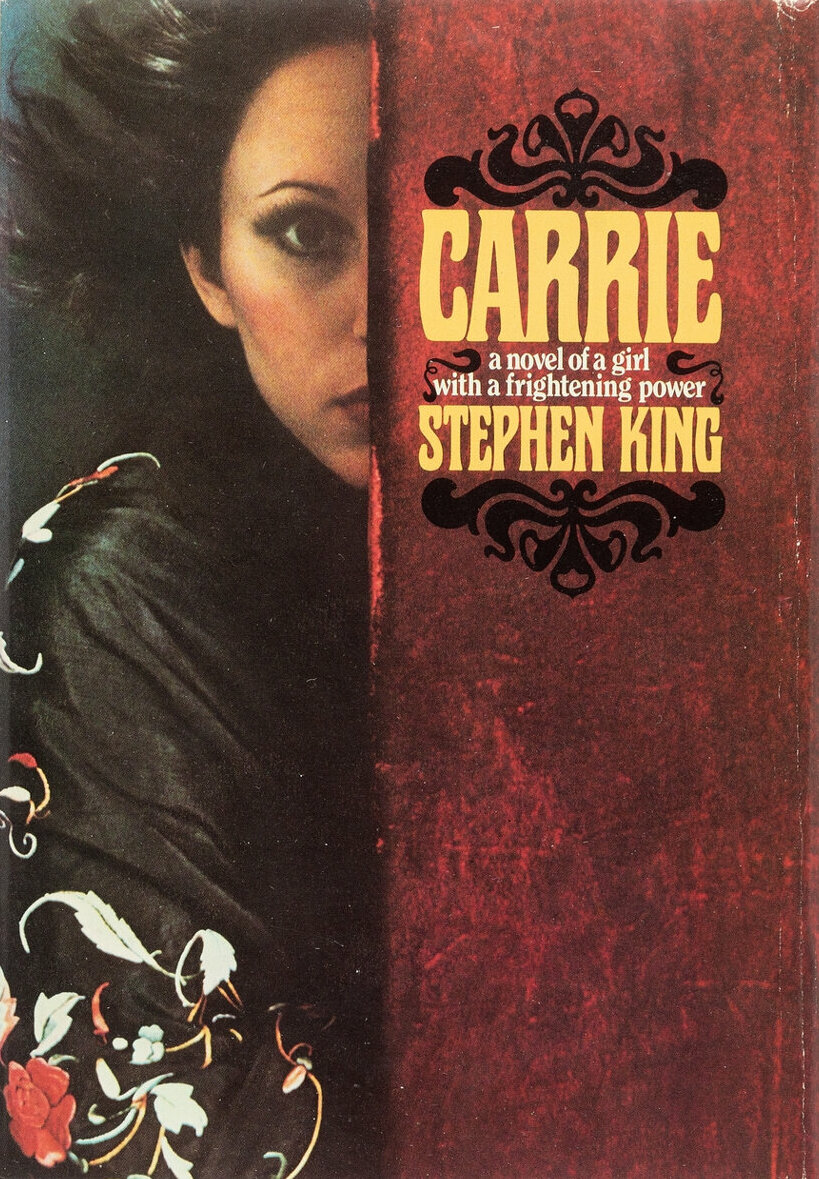
Recently I re-read Stephen King’s debut novel Carrie. I hadn’t read it since high school and reading it again as an adult gave me a far deeper understanding of the book. Not just as a profound empathetic statement, not just as a piece of social commentary, but also as a formative text for King as…
-
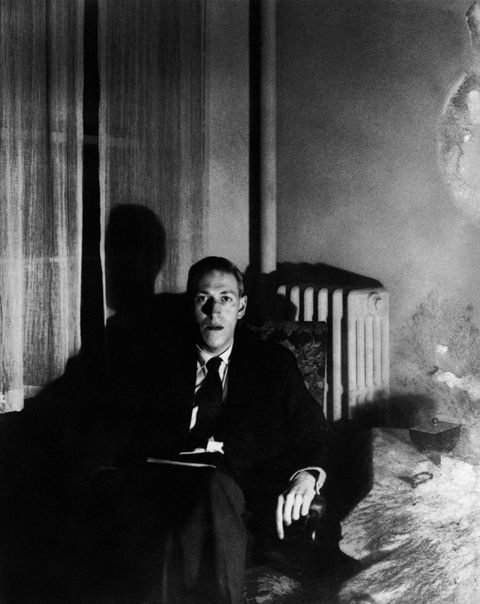
With the the 1919 composition of The Statement of Randolph Carter, the Cosmic Horror shifted trajectory. We are no longer sailing through the iridescent mists of the Dream-lands or witnessing the geological revenge of silent water-lizards. We are in a swamp. We are in a graveyard. We are standing over a hole in the earth…
-
In mid-1919, H. P. Lovecraft moved his cosmos from the lighthouse of the soul to the foundations of civilization itself. With The Doom That Came to Sarnath, he produced a prose-poem of staggering cruelty and historical inevitability. This is not a story about ghosts or monsters in the traditional sense; it is a story about…
-
In October 1919, H. P. Lovecraft stood upon the precipice of a radical stylistic transformation. Inspired by the rhythmic, antique beauty of Lord Dunsany, he penned The White Ship—a story that ostensibly reads like a fairy tale but functions as a brutal, existential autopsy. If Beyond the Wall of Sleep was a rupture of the…
-
In the spring of 1919, H. P. Lovecraft turned his gaze away from the ancestral graveyards of New England and to the state mental hospitals of the Catskills region. With Beyond the Wall of Sleep, we encounter one of the most aggressive ruptures in the Lovecraftian canon. If Polaris was a dream of a lost…
-
With the 1918 composition of Polaris, we move from the stinking, salt-caked mire of the Pacific into a realm of glacial, celestial dread. If Dagon was a biological shock to the system — a revelation of prehuman flesh and submerged antiquity — Polaris is a psychological dissolution. It marks one of H. P. Lovecraft’s earliest…