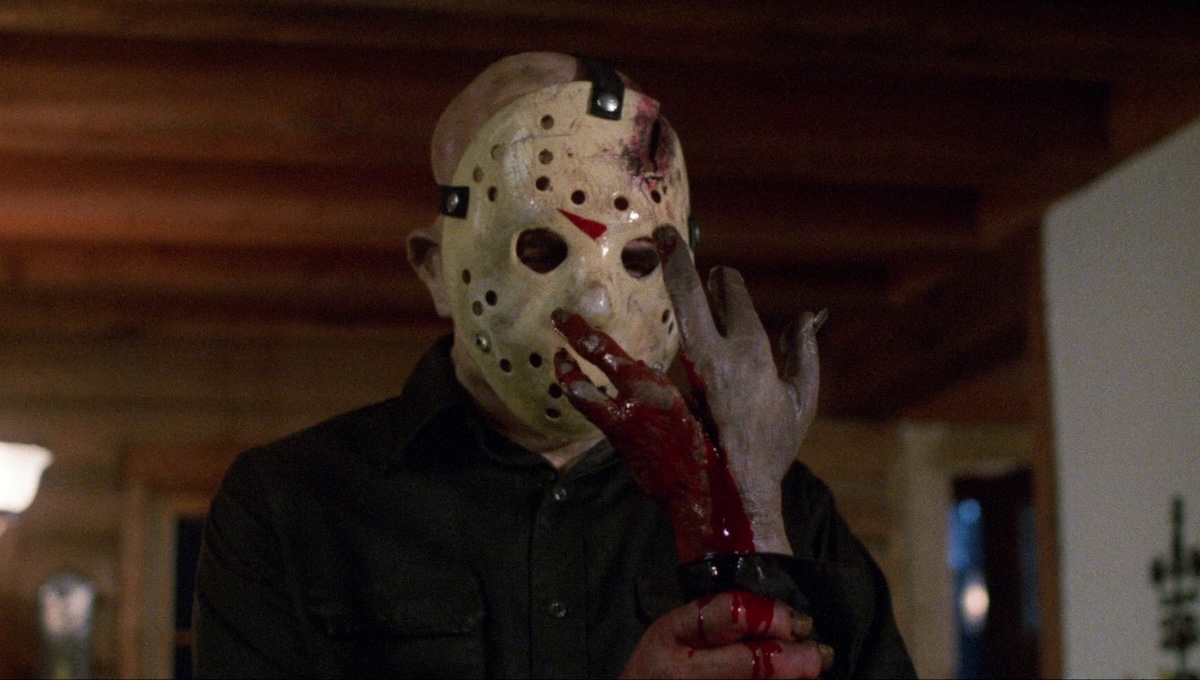
By 1984, the slasher genre was showing signs of fatigue and repetition. The Parent-Teacher Associations were up in arms, the critics were exhausted, and the formula was becoming as predictable as a 1950s sitcom. Paramount Pictures, sensing the end of an era, decided to do something radical: they decided to actually kill their golden goose. They wanted a grand finale that would leave the fans satisfied and the body count insurmountable.
To achieve this, they made the single best decision in the history of the franchise: they brought back Tom Savini. Savini, the Sultan of Splatter, a key effects designer in earlier films, returned for Part IV with a mission to up the practical gore. The result is a high-octane, sweat-soaked 80s horror thrill ride that cements itself as a definitive slasher classic.
The Resurrection: Death is Just a Suggestion
We pick up exactly where Part III left off. Jason Voorhees has an axe in his skull, his mask is off, and he’s being carted away like a sack of rotten potatoes. But the film’s terror starts where death is official: the Wessex County Morgue.
The opening sequence is a masterclass in atmospheric dread. We meet the night shift: Axel, a coroner who enjoys aerobics videos and light sexual harassment, and a nurse who just wants to go home. Axel is the perfect trash character, he’s smug, he’s unlikable, and he’s destined for a Savini-fied exit.
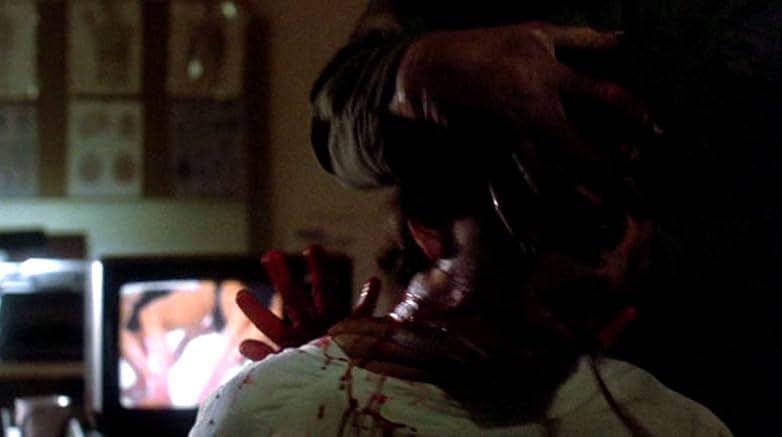
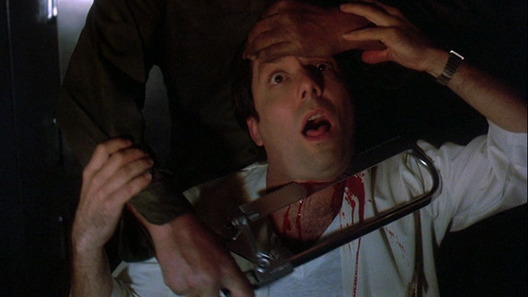
When Jason wakes up, it isn’t a jump scare; it’s a biological event. He doesn’t just sit up; he creaks. He groans. He is a massive, physical presence that feels heavier and more dangerous than any version we’ve seen before. The kill on Axel, a hacksaw to the throat followed by a surgical twist of the neck, is our first taste of Savini’s blood-soaked genius. It’s brutal, it’s practical, and it tells the audience: “The 3D gimmicks are over. This is real gore.”
The Jarvis Family
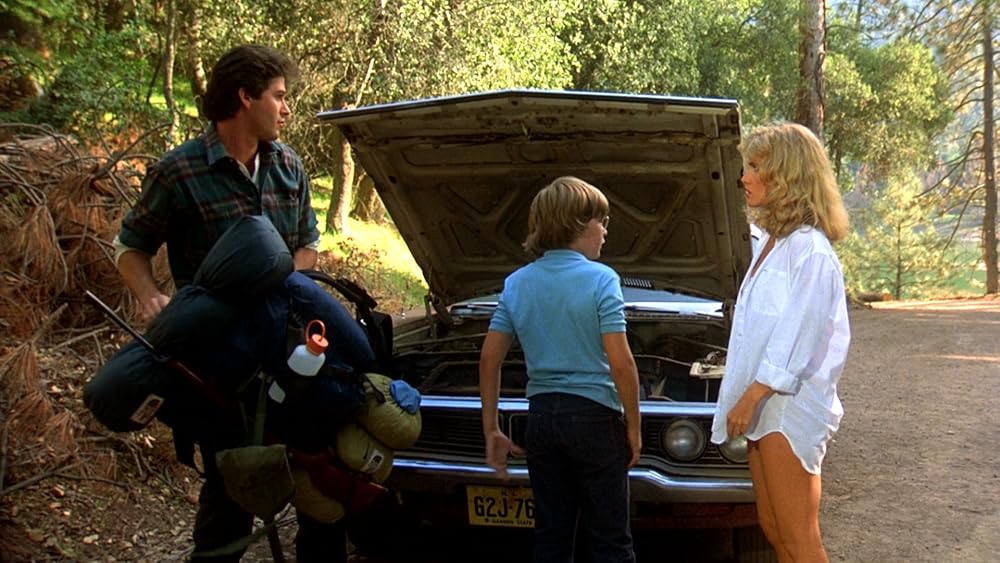
Jason reemerges early in the film on a stretch of road before making his way toward the Jarvis residence, we meet our heroes. For the first time, we aren’t just following a group of doomed campers. We are following the Jarvises.
Trish Jarvis is our Final Girl prototype, strong, protective, prone to walking around in her underwear, and capable. But the real star is Tommy Jarvis (Corey Feldman). Tommy is, however, slightly unhinged. His room is a sanctuary of practical effects, monster masks, and horror lore. He spends his time making prosthetics and scaring his sister.
Tommy is the audience. He represents every kid who stayed up late to watch Hammer Horror films or read Fangoria. By making the protagonist a horror fan, the movie creates a deep connection. We aren’t just rooting for a victim; we’re rooting for one of our own. Tommy’s knowledge of monsters is ultimately what gives him the edge over Jason. It’s fandom as a survival skill.
80s Archetypes at Play
Next door to the Jarvises, a group of teenagers has rented a cabin. In any other movie, these would be cardboard cutouts. But The Final Chapter gives them just enough personality to make us miss them when they’re gone.
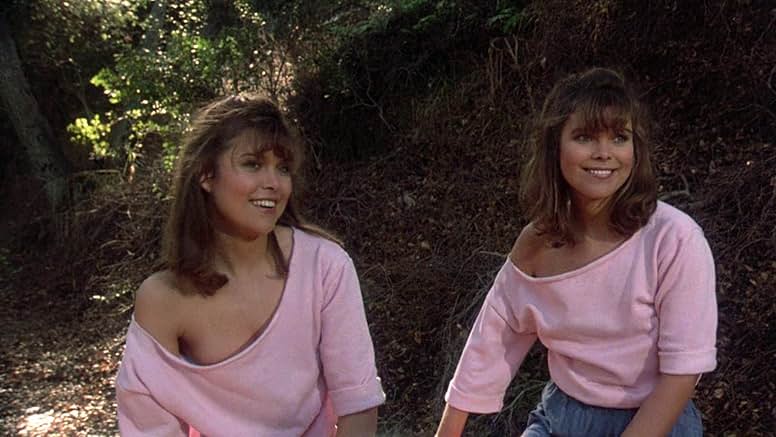
The twins, Tina and Terri, provide that classic ’80s exploitation energy. We have the hunk, the Nerd, and then… we have Jimmy.
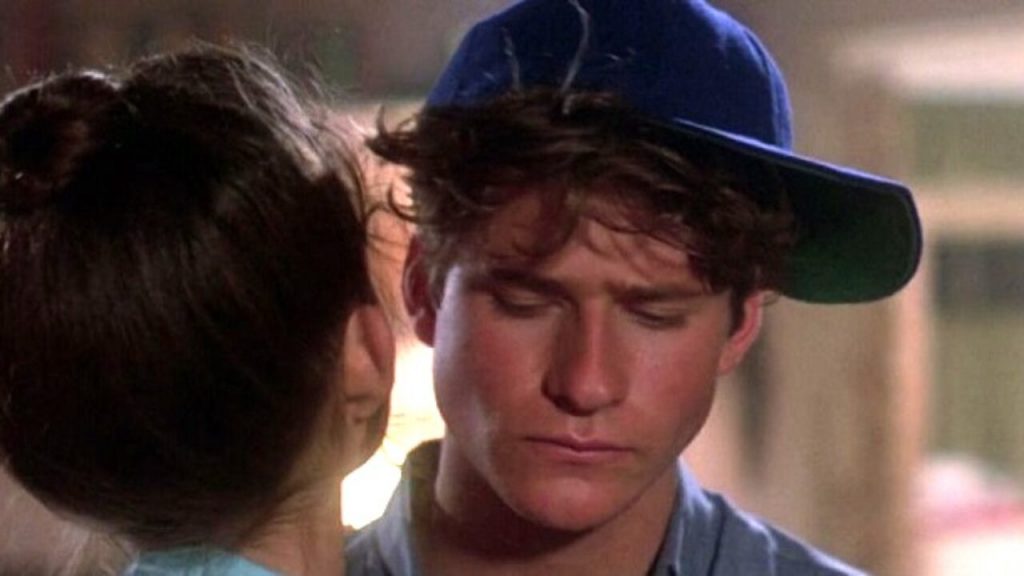
Crispin Glover as Jimmy is a gift from the gods. He is awkward, twitchy, and desperate to prove he’s a man. His subplot about being a failure with women is treated with an absurd amount of sincerity. And then, of course, there is The Dance.
Ain’t it glorious? Set to the strains of Love Is a Lie, Glover launches into a rhythmic spasm that defies physics. It’s part-Charleston, part-grand-mal-seizure. It is the peak of 80s weirdness. As a horror fan, you live for these moments. It’s a goofy, human moment that hits just before the carnage erupts. You laugh at Jimmy, you root for Jimmy, and then you watch Jason put a meat cleaver through Jimmy’s face.
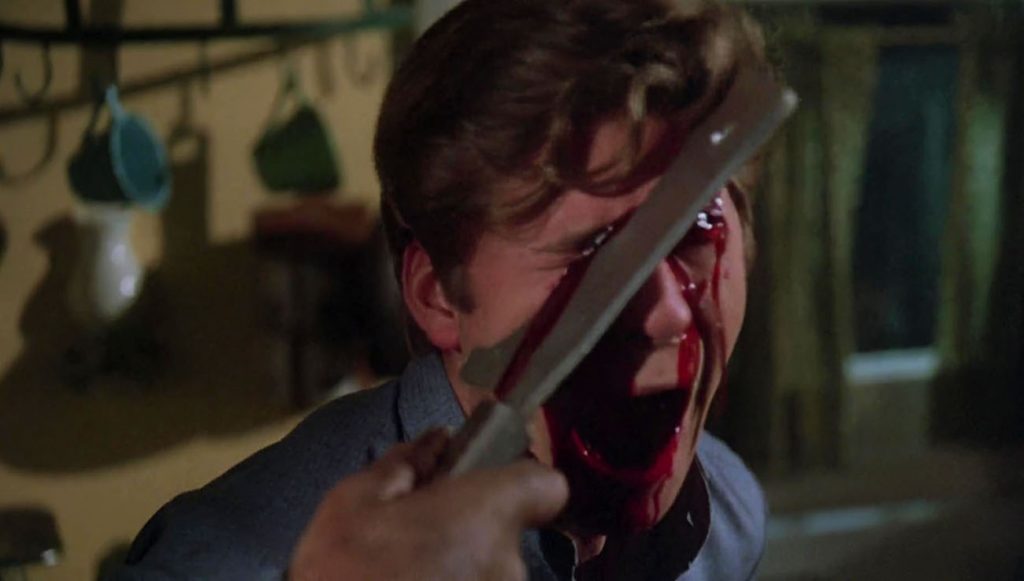
Because Jason is an asshole.
The Savini Factor: The Sultan’s Revenge
Tom Savini returned to this film because he wanted to see Jason die properly. He brought a level of sophistication to the practical effects that hadn’t been seen in the series since the original.
The Window Smash: When Jason throws a victim through a window, the impact feels heavy. It’s not just a stunt; it’s a collision.
The Spear Gun: A classic kill involving a spear to the groin while underwater. It’s fast, it’s mean, and the blood-cloud in the water is a beautiful bit of horror.
The Shower Crush: Jason literally crushes a girl’s head against the shower wall. The prosthetic work here is subtle but effective, you see the skull give under the pressure.
The appeal is in the physics of the kill. Savini doesn’t just show a knife; he shows the resistance of the flesh. He shows the claret pumping out in time with the heartbeat. It’s the kind of splatter that honors the production’s commitment to The Final Chapter.
Joseph Zito’s Siege
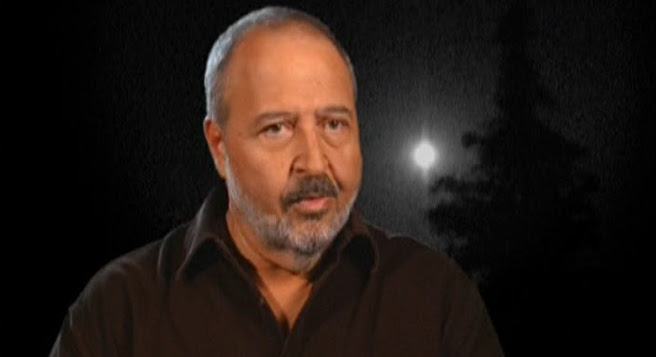
Director Joseph Zito (who cut his teeth on the ultra-gritty The Prowler) understands that a slasher is only as good as its pacing. The first half of the movie is a slow-burn teen sex comedy with a looming shadow. But once the sun goes down, the movie shifts into a siege.
Zito uses the two houses to create a playground of tension. We see the kids partying in the fun house while Trish and Tommy watch from the safe house. As Jason moves between them, the safe house becomes a cage.
The kills are edited with a blistering speed. There’s no fluff here. One character goes to the basement, dead. One character goes to the kitchen, dead. One character goes to the shower, dead. It’s a relentless beat that builds toward the final confrontation. Zito’s direction is lean, mean, and perfectly suited for a this, supposed, grand farewell.
The Ted White Factor
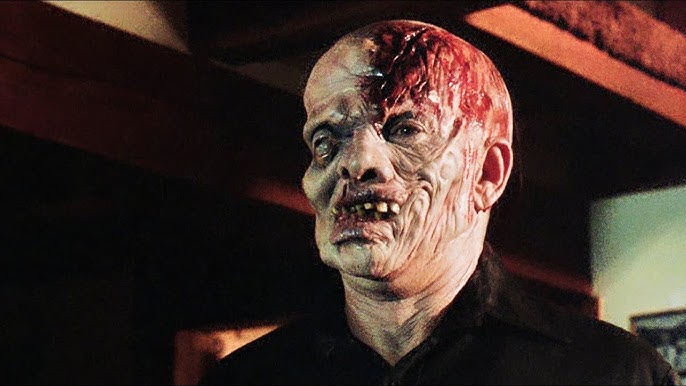
We have to credit Ted White, the stuntman who played Jason. White was a veteran who famously hated the trashy nature of the film but brought a professional, terrifying physicality to the role.
His Jason is the classic version. He doesn’t run, but he moves with a predatory speed. He doesn’t teleport, but he’s always exactly where you don’t want him to be. Ted White brought a serious, physically intense portrayal to Jason that contributed to the character’s menacing presence on screen. When Jason smashes through a door in this movie, he isn’t a guy in a suit; he’s an unstoppable force.
A Psychoanalytic Execution
The finale of Part IV is arguably the film’s most Gothic moment. Trish and Tommy are the last ones left. Trish tries the Final Girl approach, fighting back with a machete and a lot of screaming. But it’s Tommy who finds the solution.
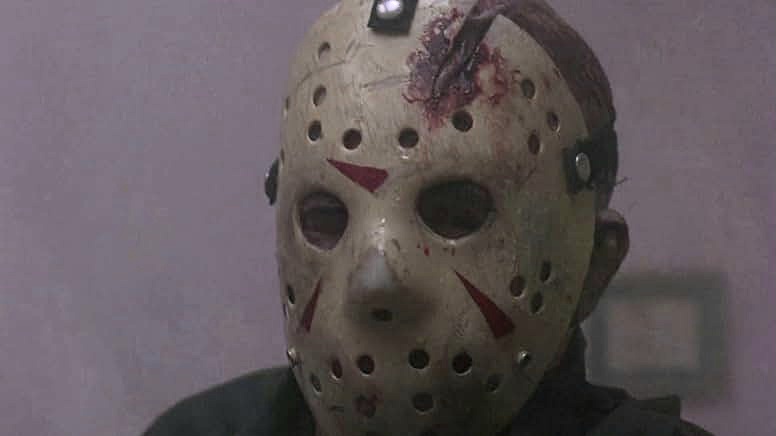
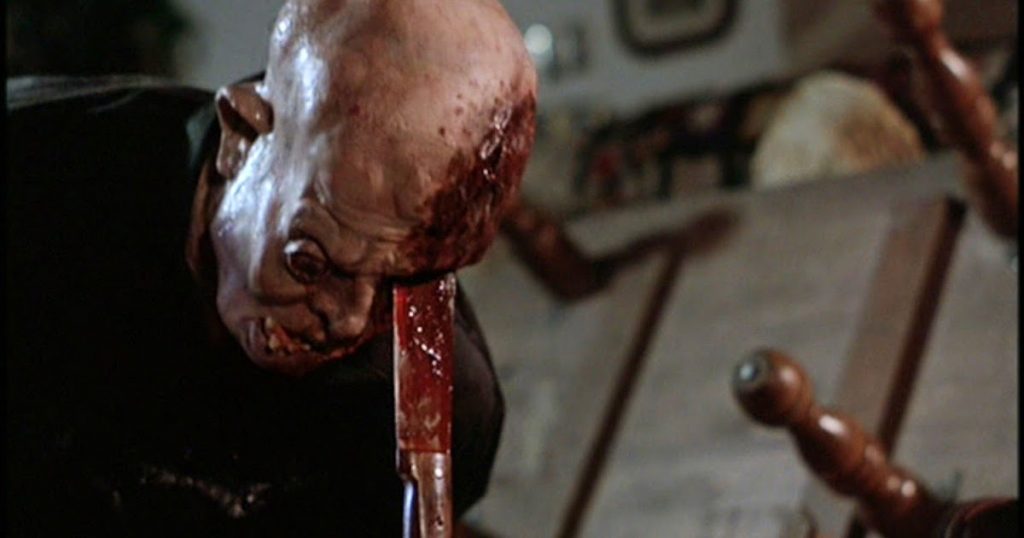
Tommy realizes that Jason isn’t just a killer; he’s a trauma. He uses his mask skills to confront Jason and gain a tactical edge in the final fight. When Tommy steps out into the rain-drenched hallway, Jason stops. Jason’s moment of hesitation feels strangely profound. The monster is staring at his own past. This pause allows Trish to knock the hockey mask off, revealing the Savini-designed face underneath, a distorted, rotting mess that looks like a bruised potato.
And then, the Machete Slide.
Tommy slams the blade into Jason’s head. As Jason falls, the side of his skull slides down the blade. The practical effect is stomach-churning. You see the eye-socket split. You see the blood-soaked chaos. You see the finale unfold. But then the stakes get even sharper. Tommy doesn’t stop. He grabs the machete and starts hacking. He becomes the monster to kill the monster.
The psychological collapse of Tommy Jarvis is the darkest twist in the entire series. The Final Chapter ends on an unsettling, unresolved tone that suggests Jason’s evil hasn’t been fully purged. It’s a 10/10 ending that suggests that evil doesn’t die, it just changes masks.
The Legacy: Why It’s Still the King
Friday the 13th Part IV marks the turning point between the human, mortal Jason and the increasingly supernatural, unstoppable force he becomes in the later films.
It has:
The Best Kills: Savini’s magnum opus.
The Best Character: Tommy Jarvis, the fanboy hero.
The Best Horror Movie Dance Ever: Crispin Glover.
The Best Ending: A dark, psychological punch to the gut.
It set a standard that the rest of the 80s struggled to meet. When they tried to do Part V without Jason, the fans revolted. When they brought Jason back in Part VI, he was a zombie. Part IV is the last time Jason felt real, and for many fans, Part IV remains one of the most impactful slasher entries of the series.
It’s a ruthless love letter to the fans, dripping with blood, sweat, and gore. It revels in the trash, masters the practical, and stakes its claim as a bona fide classic. This is the movie that reminds you why the slasher will always bite harder than reality. It’s relentless, wild, and beautifully brutal.
Leave a Reply