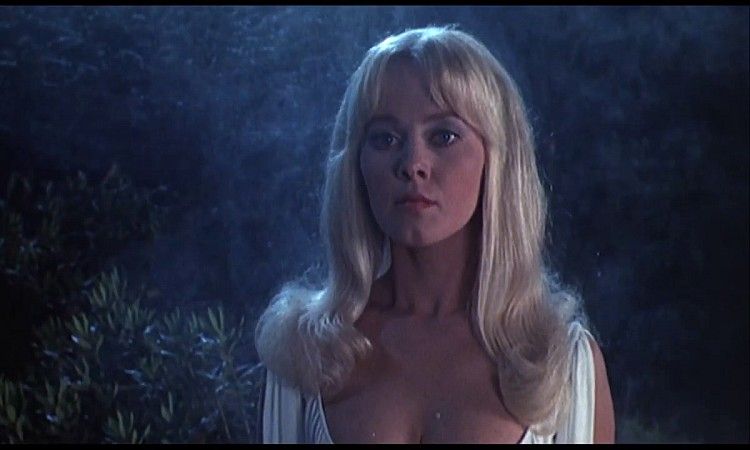
Hammer was in trouble in ’71. They were like a zombie at a disco, trying to look cool, but their limbs were falling off. They’d just had a hit with The Vampire Lovers, but Ingrid Pitt had bailed, Terence Fisher had literally broken his leg, and the studio was actively trying to modernise and court younger audiences as Gothic horror began losing box-office dominance. So, they handed the keys to Jimmy Sangster, the man who basically wrote the Hammer Bible, and told him to make a sequel. Sangster’s response? He basically threw his hands up and said, “Fine, let’s make it weird.”
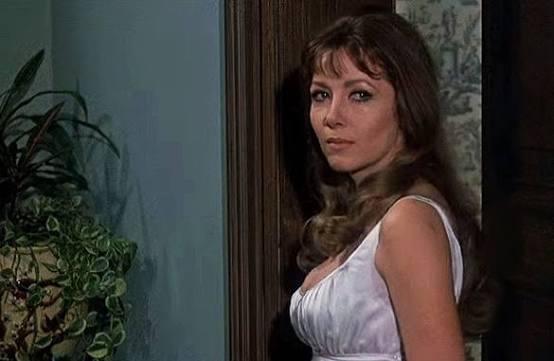
The Ingrid Pitt Sized Hole in the Castle Wall
To understand why Lust for a Vampire feels like a fever dream, you have to understand what it was missing: Ingrid Pitt. In The Vampire Lovers, Ingrid was a force of nature. She didn’t just play a vampire; she was the ancient, predatory ache of the Karnstein bloodline. She had gravity. She had I-could-eat-your-soul-for-breakfast energy.
When she declined the sequel, Hammer panicked. They didn’t just need a vampire; they needed a vibe. Enter Yutte Stensgaard. Yutte was a Danish starlet who looked like she belonged on a beach in a Bond movie, not in a damp crypt in Styria. She is the Danish Dynamite of the series, and while she’s stunning, she has the screen presence of a very beautiful, very confused lamp.
The studio’s solution to her lack of ancient menace? They dubbed her! Every time Mircalla speaks, it’s not Yutte, it’s a voice actress trying to sound Gothic. It adds this incredible layer of B-movie surrealism. It’s like watching a dubbed Godzilla flick where the monster is wearing a silk nightgown and has better hair. The Karnstein legacy, once presented as an ancient, corrupting bloodline, is pushed into the background in favour of surface appeal. What had been steeped in dread and menace now feels softened, streamlined, and styled for broader appeal.
It’s the first clear sign that the emphasis had shifted. Instead of deepening the family’s sinister mythology, the film leans toward spectacle and sensuality, prioritising visual allure over genuine threat.
The Strange Love Incident
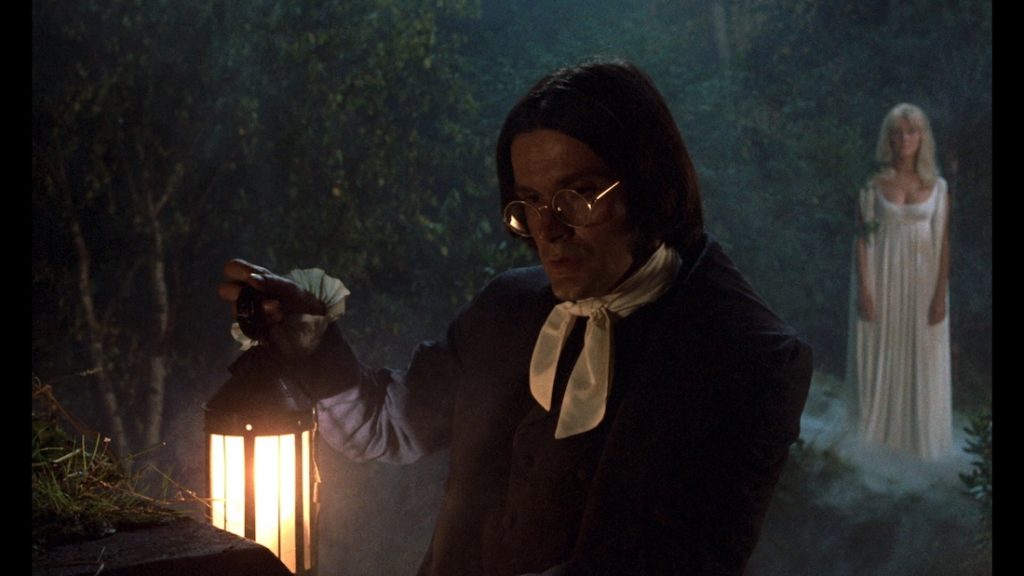
Ralph Bates: The Original Creepy Fanboy of Transylvania
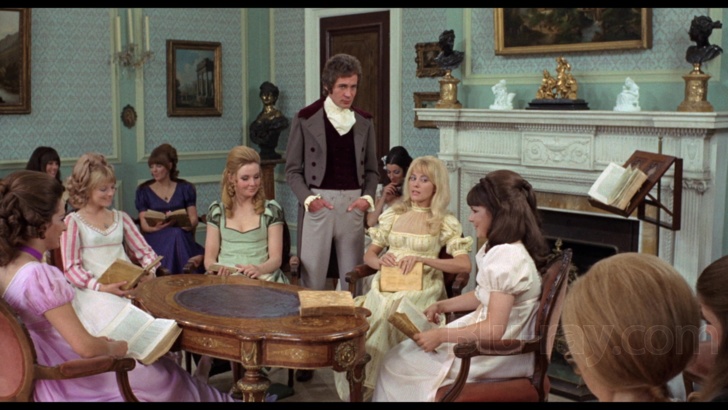
Gothic Girls Gone Wild: The Finishing School Edition
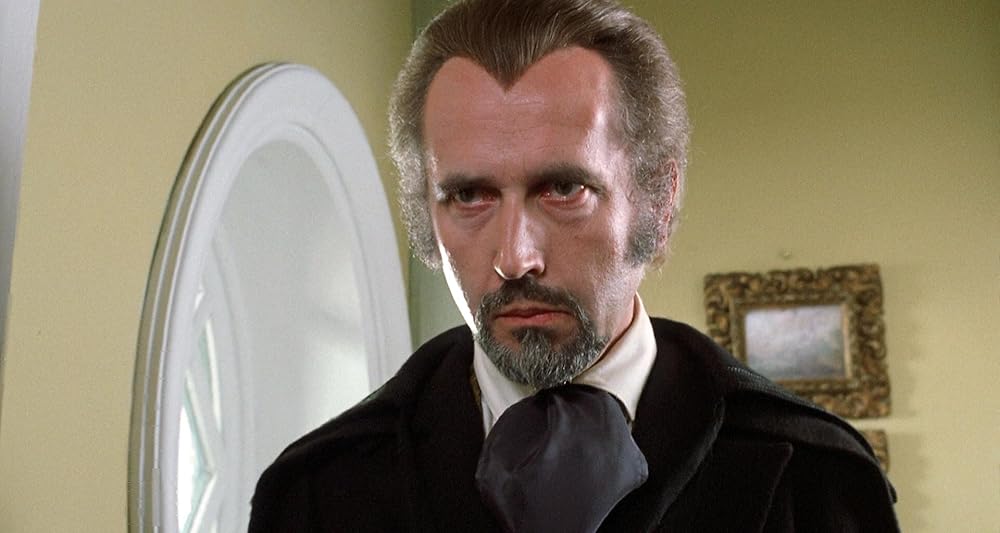
The Mike Raven Factor: The Man Who Would Be Lee
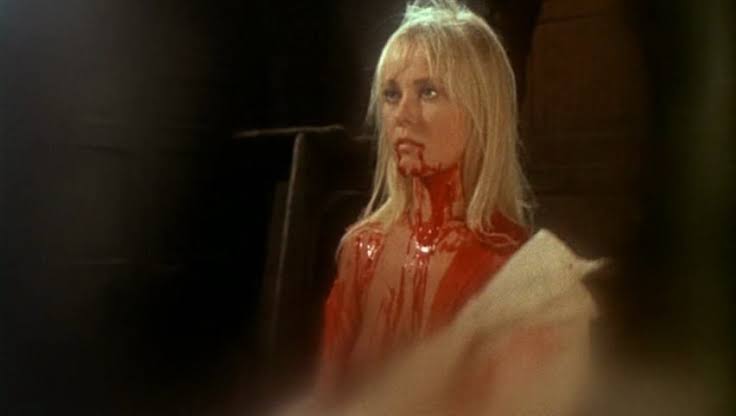
The Practical Effects: Red Paint and Rubber Fangs
Hammer’s blood in the 70s was a specific shade of bright, candy-apple red. It didn’t look like real blood; it looked like someone had an accident with a gallon of Sherwin-Williams.
In Lust for a Vampire, the practical effects are a mixed bag of who cares? and wow, that’s gross. We get some decent throat-rippings and some classic stake-to-the-heart action, but the makeup on the vampires is… questionable. They look less like undead horrors and more like they’ve been out clubbing for three days straight.
The fangs are clearly uncomfortable, the contact lenses make everyone look like they have a severe eye infection, and the mist on the floor is so thick the actors are practically swimming in it. It’s that low-budget, high-energy rhythm that makes these movies so much fun. It’s not about realism; it’s about the effort. You can tell the crew was working with five bucks and a dream, and they managed to make it look like a million-dollar nightmare.
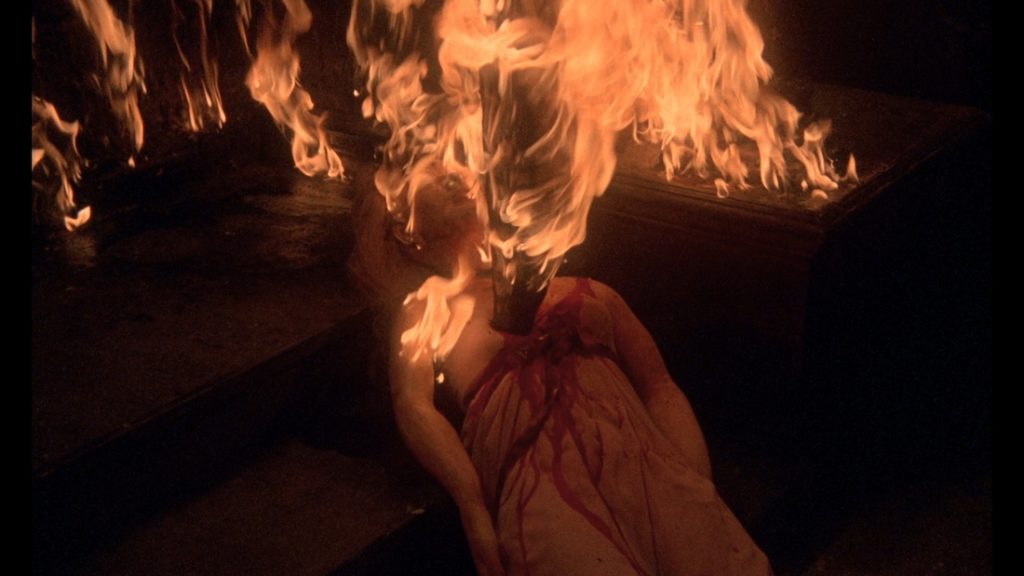
The Heat-Seeking Stake: Gravity’s Divine Judgment
We have to talk about the ending. In a traditional movie, the hero, usually a guy with a square jaw and a crucifix, fights the vampire in a dramatic showdown. Not here. In Lust for a Vampire, Mircalla is defeated by… physics.
The castle (which is actually the school) is on fire. Mircalla is wandering through the burning ruins, looking for her boyfriend. Suddenly, a wooden rafter in the ceiling catches fire and breaks. Does it just fall to the floor? No. Does it miss her? No. This sharpened, flaming beam of wood drops from the ceiling with the precision of a heat-seeking missile and lands right in her heart.
THUMP. Game over. She’s pinned to the floor like a butterfly in a collection box. It is the one of the dumbest deaths in the history of cinema. It’s like the movie just gave up and said, “Look, we’re at the 90-minute mark, let’s just drop the house on her.” It’s the ultimate anti-climax, and it is HILARIOUS. It’s the moment the Gothic Serious officially died and was replaced by The Gothic Ridiculous.
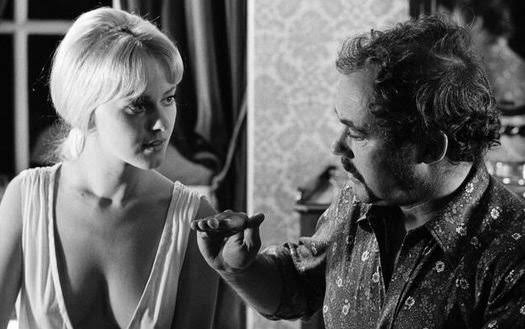
Jimmy Sangster’s Sabotage
We can’t ignore the man behind the camera, either.
Jimmy Sangster was a writer by trade. He wrote the screenplays for Curse of Frankenstein and Dracula. He made Hammer. But by 1971, he was tired. He didn’t want to direct this movie. He famously said he “didn’t give a damn” about the script and just wanted to finish it so he could go home.
You can feel that on screen! There’s an irreverent, “why-not?” energy to the whole thing. “Should we have a pop song?” Sure. “Should we have a falling beam kill her?” Why not! “Should we have a guy who can’t act play the Count?” Whatever, just keep the camera rolling. This sabotage is what makes the movie great. It’s a professional director just throwing the rulebook out the window. It’s Gothic Anarchy. And in genuinely not giving a fuck, Sangster accidentally created a masterpiece of cursed cinema.
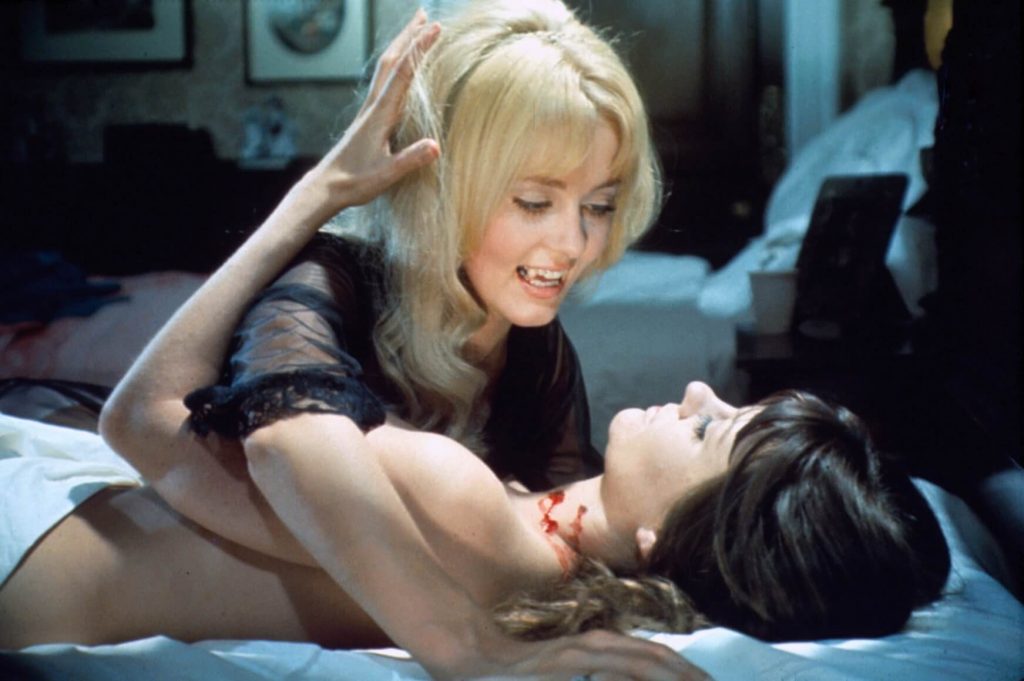
The Finishing School as a Microcosm of the 70s
The finishing school isn’t just a set; it’s a metaphor for Hammer’s own struggle. It’s an old, traditional institution that is being invaded by something young, sexy, and dangerous. The teachers want to maintain decorum, but the girls are all listening to pop songs and getting bitten by vampires.
It’s the Old Guard (Cushing, Lee, Fisher) vs. the New Blood (Bates, Stensgaard, Sangster).
Hammer was trying to keep the Gothic Finishing School together, but the 1970s were burning the building down. Lust for a Vampire is the sound of that building collapsing in slow-motion while a folk singer strums a guitar in the background.
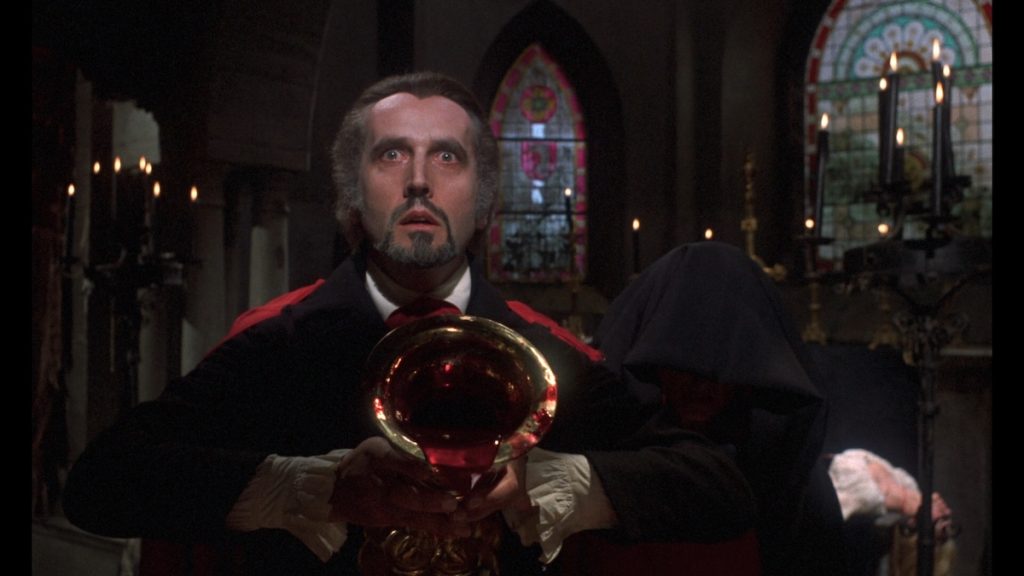
Final Thoughts: Blood, Bubblegum, and Bad Decisions
So, is Lust for a Vampire a pile of crap? Yes. Absolutely. It’s a disaster from start to finish. The acting is wooden, the music is insane, the plot is a sieve, and the ending is a joke.
But is it a good pile of crap? It’s a freaking mountain of gold.
It captures a moment in time when a legendary studio lost its mind and decided to just have fun. It’s high-energy, it’s irreverent, and it’s witty in its own clumsy way. It embraces the absurdity of the genre. It doesn’t ask for deep philosophical analysis. It asks you to grab a beer, sit back, and laugh at the stupidity of it all.
If you enjoy your Gothic horror slightly unhinged, equal parts velvet corsets, pop-song surrealism, and bright arterial enthusiasm, then Lust for a Vampire might just win you over.
It doesn’t always land the bite, but it never forgets to show its fangs.
Leave a Reply