Tag: Hammer Horror
-
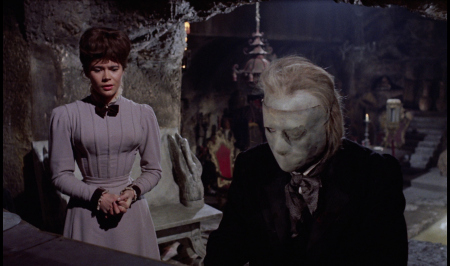
By 1962, Hammer’s Gothic world had already been soaked in blood and revelation. Dracula and Frankenstein had rewritten the language of British horror; The Curse of the Werewolf had turned that language into lamentation. And then came The Phantom of the Opera — not a storm of violence, but a sigh. Terence Fisher’s Phantom is the…
-
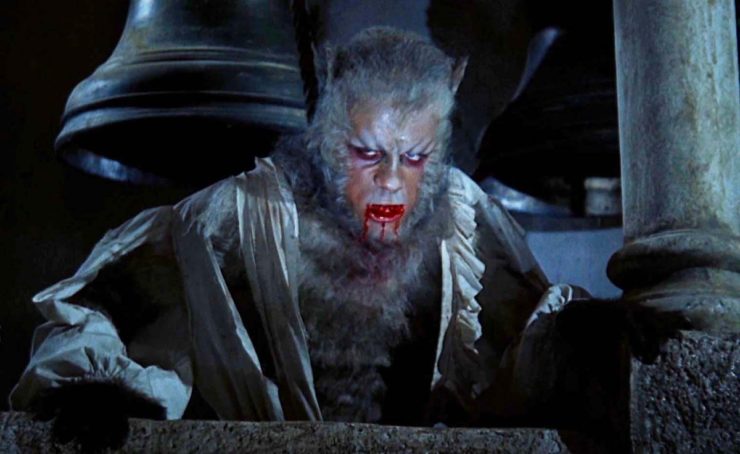
By 1961, Hammer had built a cathedral of color and shadow. Their Gothic universe was now a mythology unto itself — stitched together from the corpses of old legends, electrified by desire, faith, and decay. Into that world of crucifixes and candlelight came The Curse of the Werewolf, Terence Fisher’s lone venture into lycanthropy. It…
-
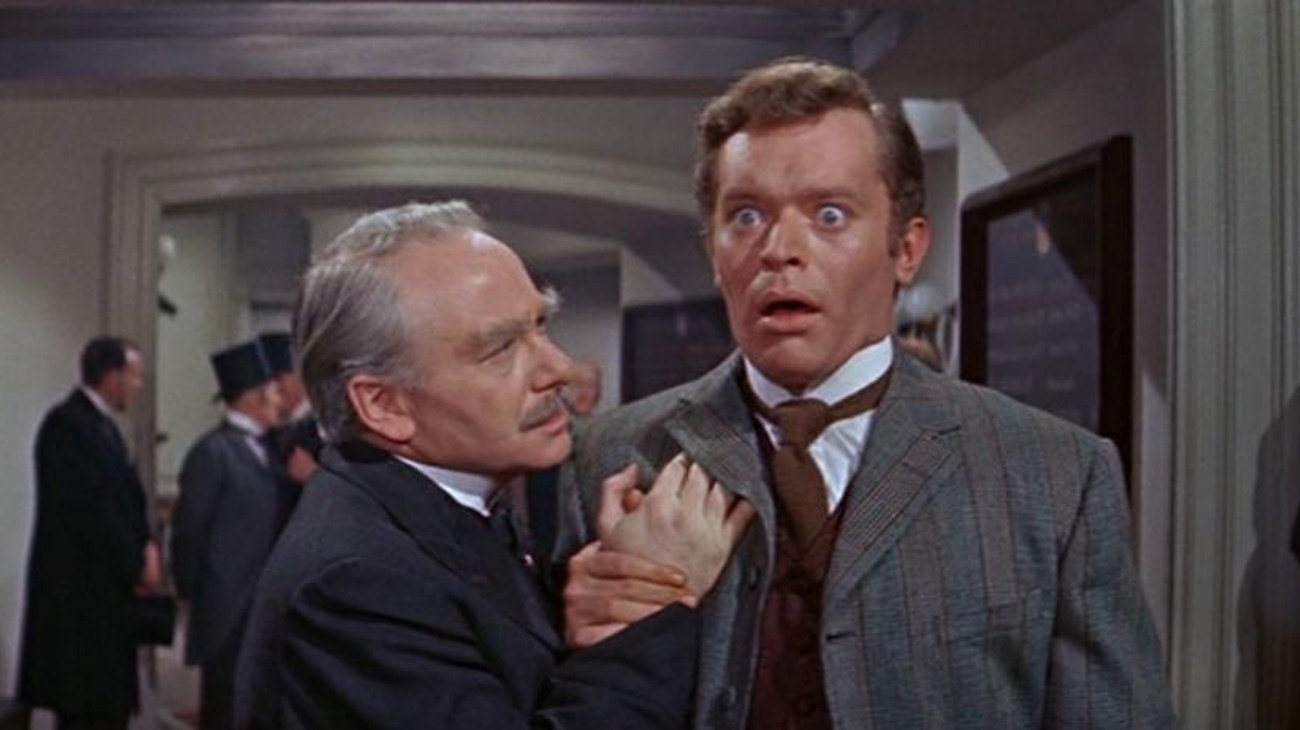
By 1960, Hammer Films had conquered the Gothic. Dracula and The Curse of Frankenstein had redrawn horror in shades of crimson and candlelight; The Brides of Dracula had turned that terror into liturgy. And then, without warning, Terence Fisher turned the gaze inward. The Two Faces of Dr. Jekyll is not a film of monsters…
-
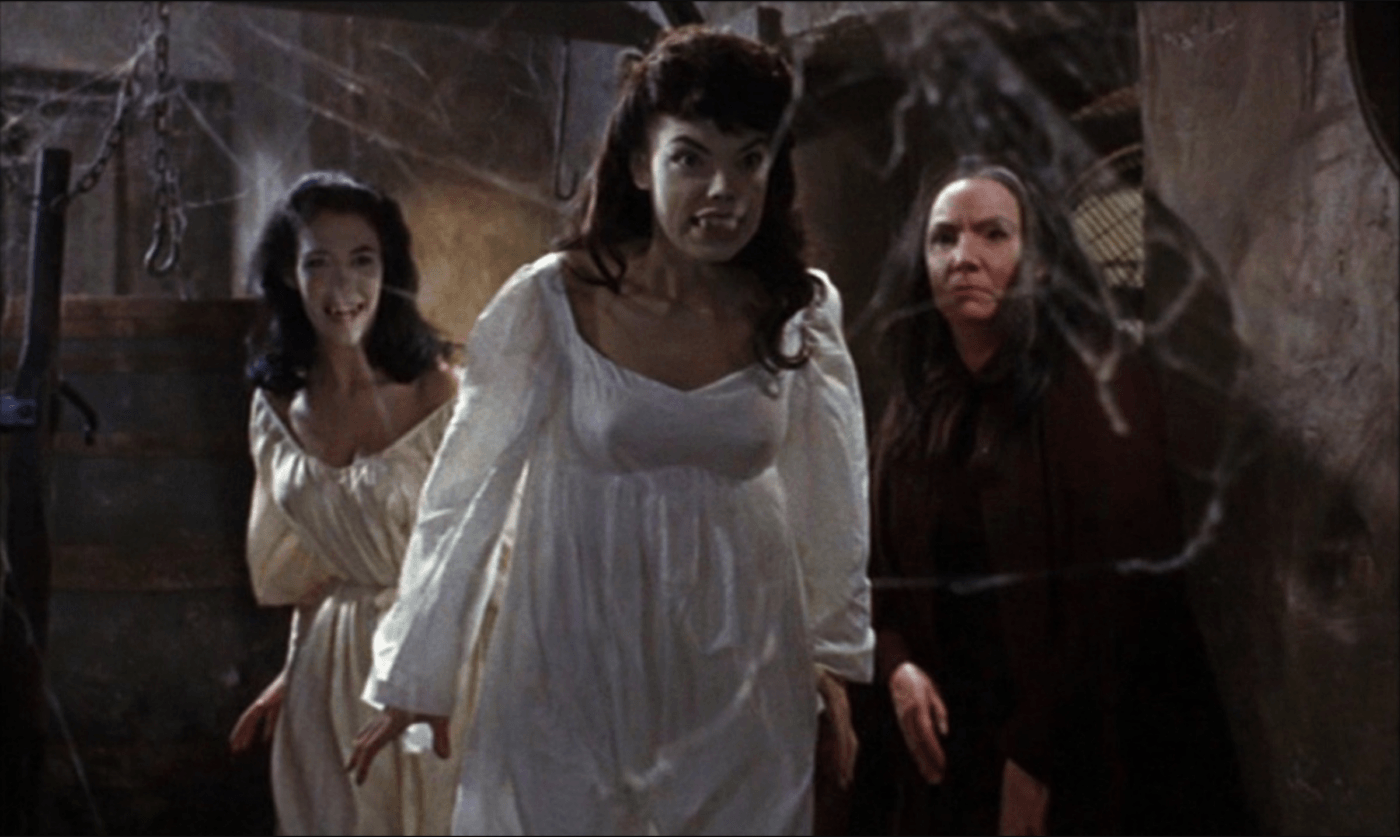
If Dracula (1958) was Hammer’s resurrection — the blood-soaked birth of modern Gothic horror — then The Brides of Dracula was the sermon that followed. This is Terence Fisher’s cathedral of the damned, his hymn to sin and salvation sung through fangs and candlelight. It is also a paradox — the Dracula film without Dracula,…
-

By the end of the 1950s, Hammer had perfected resurrection. They had resurrected Frankenstein, resurrected Dracula, even resurrected the very idea of Gothic cinema. And now, with The Mummy, they turned resurrection itself into religion. Released in 1959, The Mummy is not merely a remake of the Universal classic — it’s a reinvention. A funeral…
-
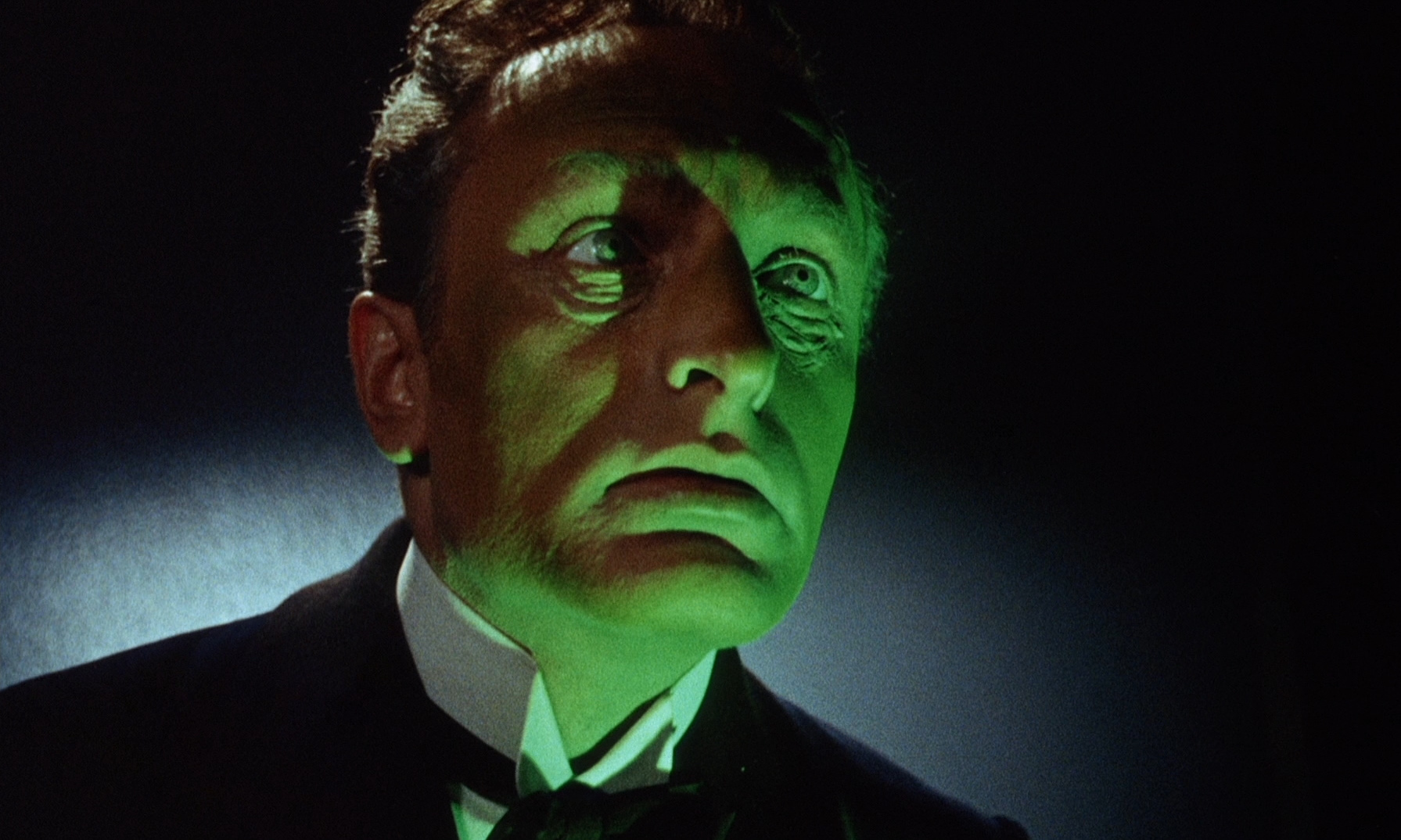
By 1959, Hammer had become an empire of beautiful decay. The blood of Frankenstein had dried to a glossy crimson, The Hound of the Baskervilles had wrapped dread in civility, and the studio was now looking inward — away from monsters, toward man’s most intimate horror: the fear of dying. The Man Who Could Cheat…
-
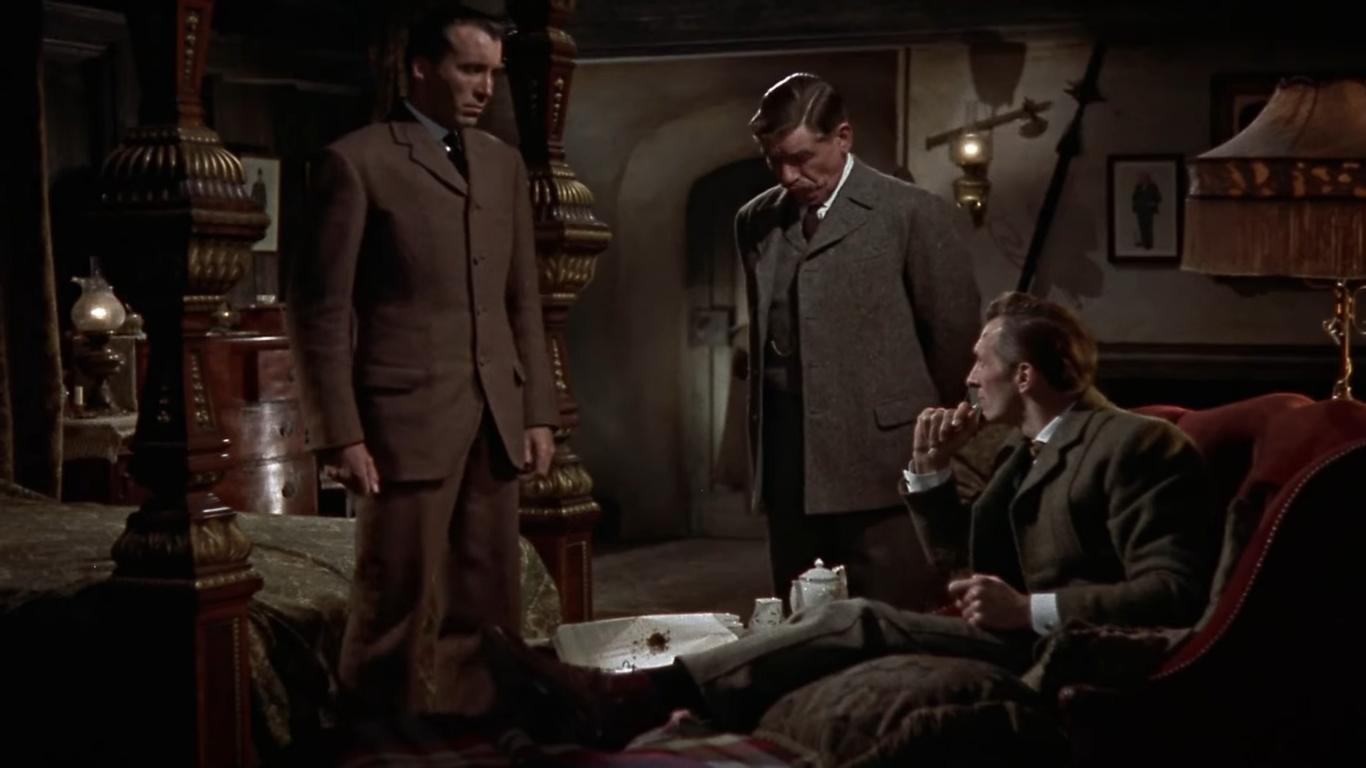
After The Revenge of Frankenstein, Hammer had nothing left to prove. The blood had already been spilled, the moral lines blurred beyond recognition. What came next wasn’t escalation — it was refinement. The Hound of the Baskervilles (1959) wasn’t about gore or monstrosity. It was about atmosphere. About dread that slithers rather than strikes. This…
-
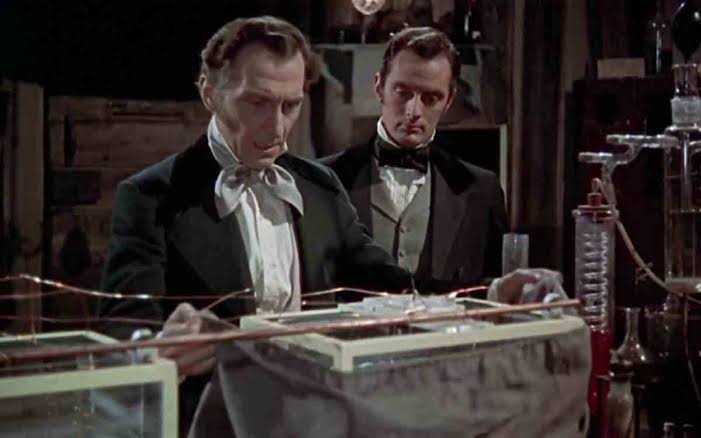
By the time The Revenge of Frankenstein hit screens in 1958, Hammer was no longer testing the waters — it was baptizing itself in blood. The Curse of Frankenstein had shattered the old order, turning the genteel Universal monsters into something vivid, violent, and human. The Abominable Snowman had cooled the chaos, testing the moral…
-
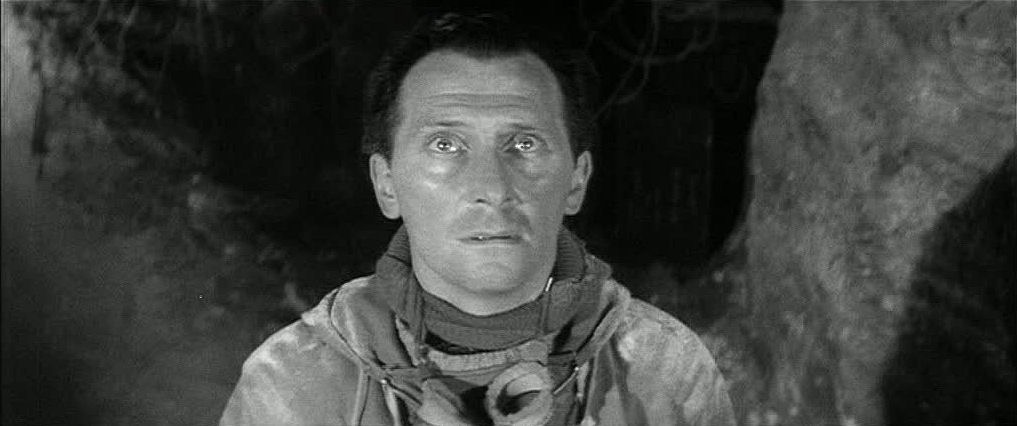
After the blood and blasphemy of The Curse of Frankenstein, you might expect Hammer’s next foray into horror to keep that arterial flow going — another plunge into the lurid, the violent, the gothic. But instead, they went cold. The Abominable Snowman (1957), directed by Terence Fisher and written by Nigel Kneale, is the quiet,…
-
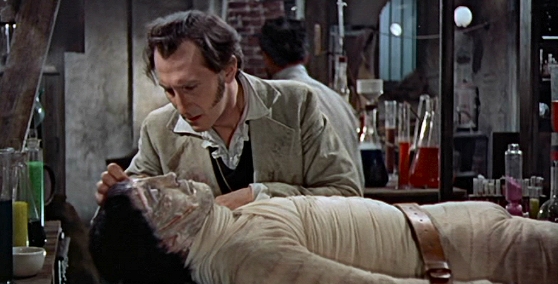
We’ve already ventured into the coffin of Hammer’s Dracula — that blood-soaked fever dream that redefined Gothic horror and drenched British cinema in technicolour blasphemy. But before the Count ever bared his fangs, before Cushing and Lee carved their names into horror’s stone altar, there was another experiment — quieter perhaps, but no less revolutionary.…