Shot in the dying breath of the sixties and released into the hangover of a new decade, The Horror of Frankenstein is a strange movie. An amalgamation of past and present, that you will either love unequivocally or despise with every fibre of your being. The Gothic laboratory, once a place of flickering candles and Promethean dread, has been refitted with the cold, sterile fluorescent lights of the Swingin’ Sixties hangover. Hammer Film Productions was at a crossroads. Peter Cushing’s Baron was the gold standard, but the gold was tarnishing in the eyes of a cynical, youth-driven market.
To save the franchise, they didn’t look forward—they looked inward. They hired Jimmy Sangster to effectively dismantle and rework his own 1957 masterpiece, The Curse of Frankenstein, but with a twist: they removed the heart and replaced it with a sneer. The result is The Horror of Frankenstein, a film that is less a horror and more a forensic study of the death of the soul.
Birth of the New Baron
We begin with Victor as a student, and immediately, the tone is set. This is not a man driven by a tragic desire to help humanity.
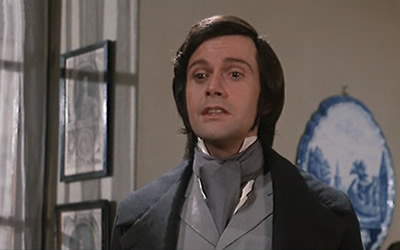
In the opening act, we see Victor at university with his friend Karl. There is a profound ontological shift here. Where Cushing’s Victor was a man of intense, almost monastic focus, Ralph Bates’ Victor is a dandy of destruction. He views education not as a path to enlightenment, but as a series of obstacles to be bypassed. His intellectual superiority is a weapon, not a gift. By showing his early years, Sangster is highlighting his narcissism—the idea that the monster wasn’t created in a lab; it was raised in a classroom.
Victor is that guy. You know the one—the smartest kid in the class who thinks everyone else is a sub-human NPC. He doesn’t want to discover the secrets of life; he wants to skip the homework and get straight to the god-complex. Ralph Bates plays him with a smug, punchable energy that is honestly refreshing. He’s not a tortured genius. He’s a prick. And the movie knows it. It’s the first time a Frankenstein movie actually admits that the protagonist is a total loser who just happens to be good at biology.
The Digitalis Patricide
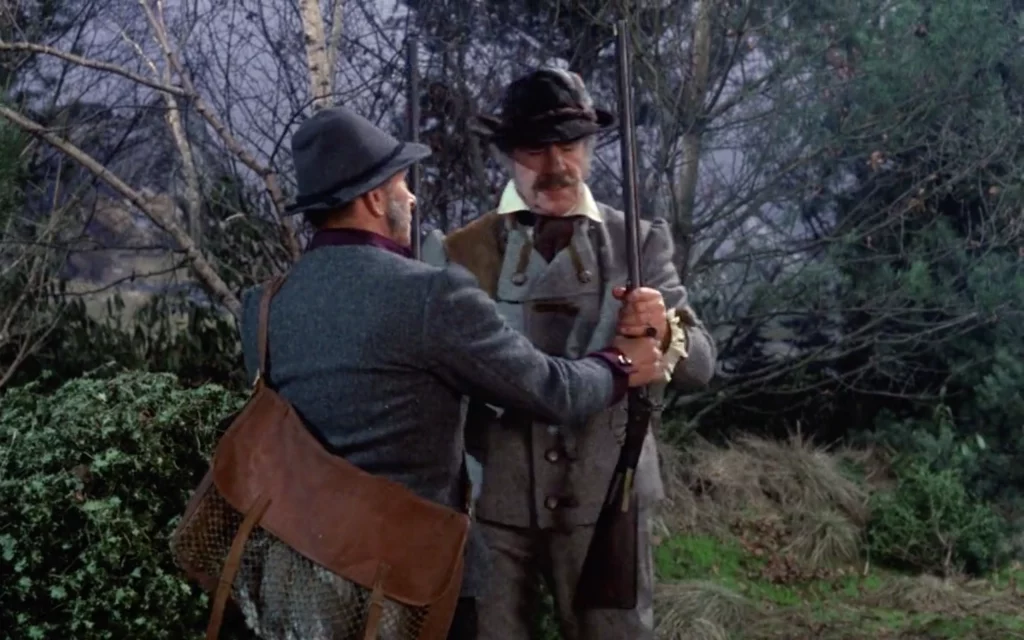
The death of Baron Frankenstein (George Belbin) is the moment the film declares its independence from the moral structures of the 1950s.
The murder of the father is the ultimate ritual of liberation. Victor doesn’t kill out of rage; he kills for funding. By switching his father’s heart medicine for digitalis, he is performing a chemical coup. This is the death of the Old Order. The father represents the weight of tradition, the estate, and the moral boundaries of the past. By liquidating him, Victor creates a vacuum that he intends to fill with his own ego. It is a cold, clinical act of patricide that strips the Gothic of its emotional resonance and replaces it with the arithmetic of inheritance.
This is the most honest scene in the movie. Victor doesn’t give a damn about his dad. He just wants the keys to the castle and the checkbook. He kills his old man with the same emotional engagement you’d use to cancel a gym membership. It’s brutal, it’s petty, and it sets the stage for everything that follows. If you thought this was going to be a story about moral struggle, the digitalis swap is the movie telling you to grow up. In Victor’s world, people are just obstacles with pulses.
The Graverobber and the Economy of Flesh
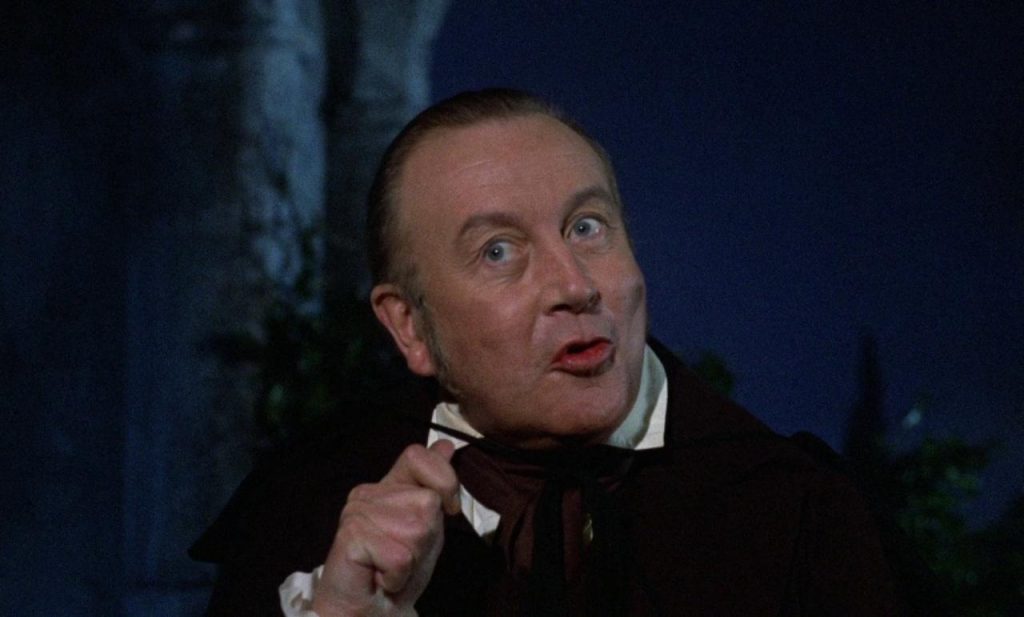
Enter Dennis Price as the Graverobber. His presence adds a layer of black comedy that defines the film’s raw reality.
Price brings a weary, professional cynicism to the role. He is the Merchant of Decay, the man who understands that in Victor’s world, the body is just a commodity. The interaction between Victor and the Graverobber is a dialogue between two different kinds of predators: one who steals for survival and one who steals for pride. The lab becomes a site of physical eorganization, where the dead are harvested to feed the vanity of the living. It is a grotesque parody of the Industrial Revolution—flesh as the new coal.
Dennis Price is the only person in this movie who seems to have his head on straight. He knows the world is a dumpster fire, and he’s just trying to make a quick quid. He treats graverobbing like he’s a door-to-door salesman. When Victor starts complaining about the quality of the parts, the Graverobber’s reaction is priceless. It’s a reminder that the Great Work of Frankenstein is built on the backs of people who are just trying to pay the rent. It’s the most working-class horror moment in the Hammer canon.
Alys and Elizabeth
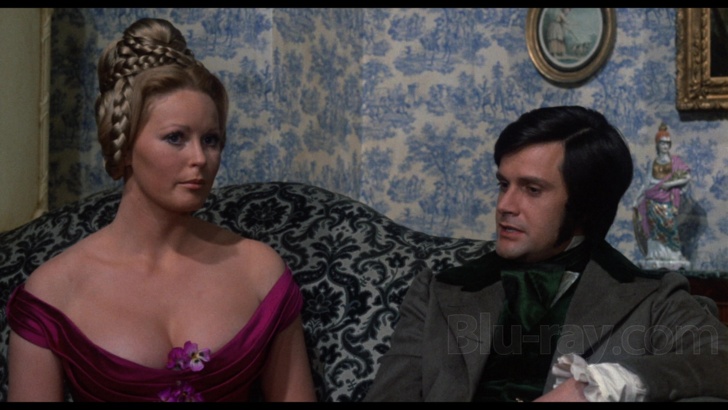
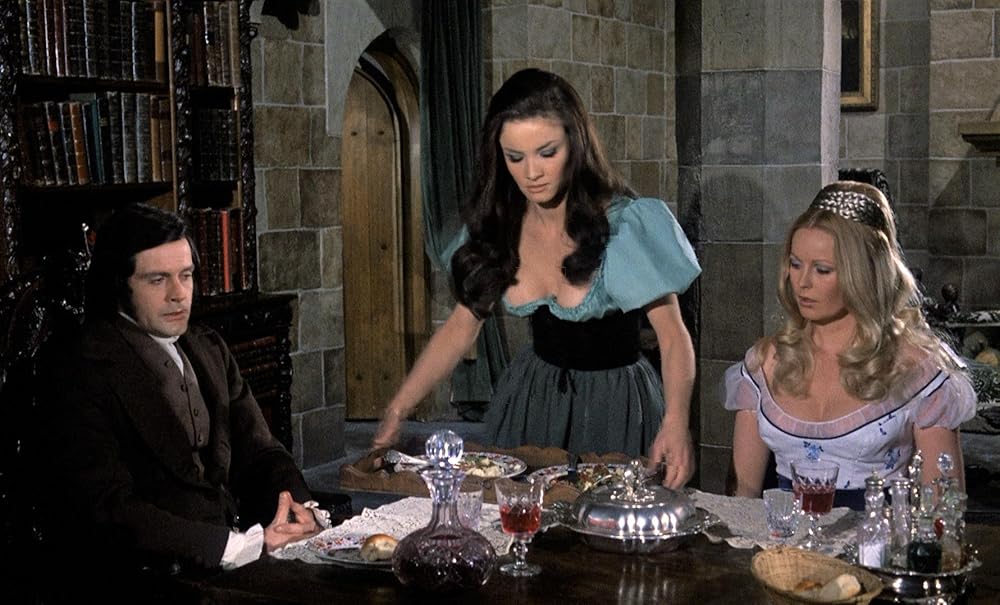
The two women in Victor’s life—Alys (Kate O’Mara) and Elizabeth (Veronica Carlson)—represent the two poles of the film’s crumbling morality.
Alys is the shadow of the domestic sphere. She is the housekeeper who understands that Victor has no conscience, so she operates on the level of leverage. She trades her silence and her body for a position of power. Elizabeth, conversely, is the pure relic—the childhood friend who represents the Gothic tradition of the victim-bride. The tragedy is that Victor values neither. To him, Alys is a variable to be managed and Elizabeth is a trophy to be ignored. He is a man who has replaced love with biological utility.
Kate O’Mara is a force of nature. She’s the only one in the movie who actually gets Victor. She’s not corrupted by him; she’s an equal opportunist. She sees a guy with a castle and a secret, and she moves in for the kill. It’s gothic sleaze at its absolute peak. Then you’ve got Elizabeth, who spends the whole movie looking confused while Victor treats her like a piece of furniture. It’s a bleak look at relationships—one is a blackmail scheme, and the other is a boring social obligation. Victor isn’t a lover; he’s a user.
The Prowse Creature
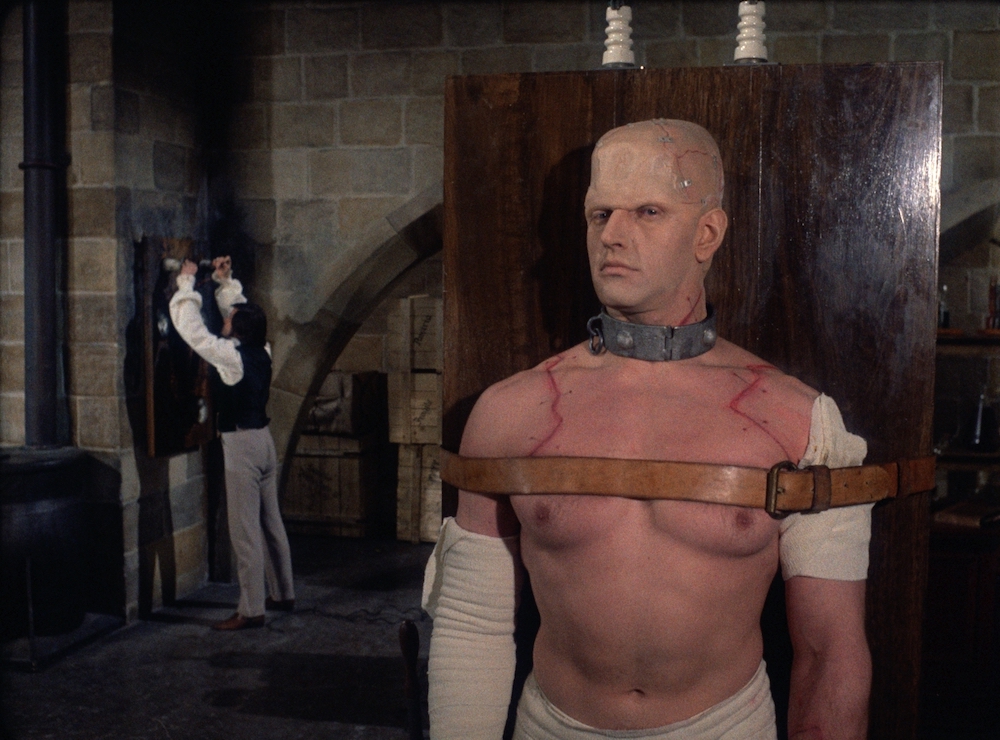
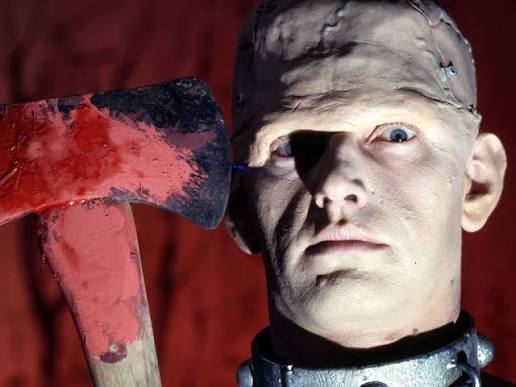
When the creature finally rises, played by David Prowse, we see the literalization of Victor’s hollow ambition.
This monster is not the new man of Mary Shelley’s dreams. He is a physical apex without an intellectual core. By casting a bodybuilder like Prowse, Sangster is making a visual statement: Victor’s science is obsessed with the exterior. The creature is a mindless, lumbering golem—a reflection of Victor’s own internal void. He has created a weapon, not a life. The monster doesn’t have the tragedy of the Lee version because there is nothing human to mourn. He is just a collection of meat and bone, animated by arrogance.
The monster is a tank. He’s huge, he’s scary, and he looks like he belongs on the cover of a muscle magazine. But he’s also got a face that looks like it was put together by someone who was half-asleep. He doesn’t have a soulful gaze; he just has a where’s my protein shake? stare. And that’s the point. Victor didn’t want a child; he wanted a bouncer. He sends the monster out to kill people who annoy him like he’s sending an angry email. It’s the ultimate lazy sociopath move.
The Satirical Inspector
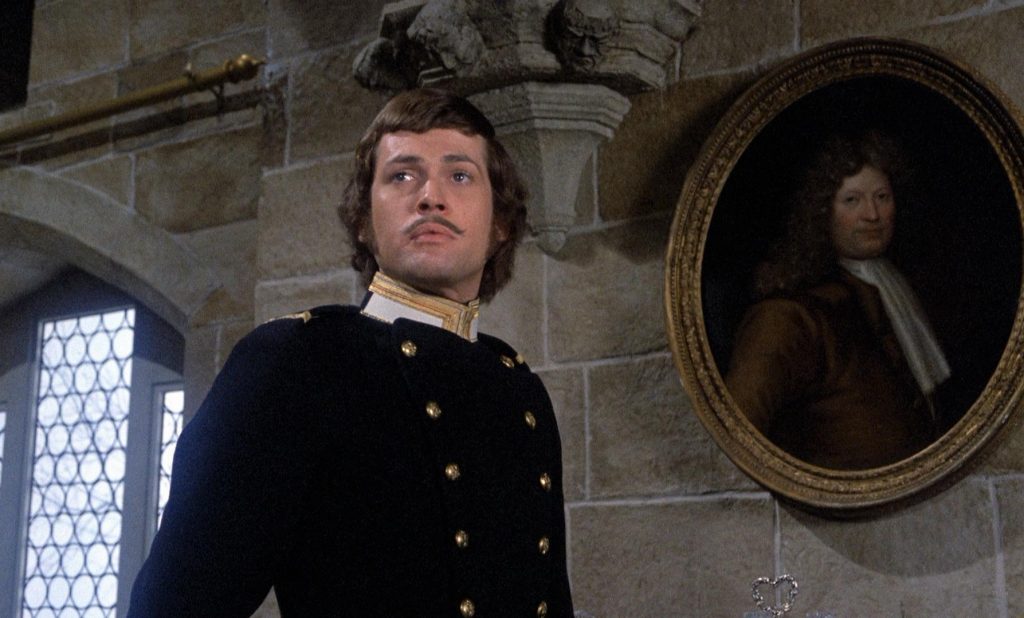
The investigation into the murders is led by Lieutenant Henry Becker (Jon Finch) who seems to be in a completely different movie—a dark comedy.
The Lieutenant represents the incompetence of the institution. In a world where a sociopath like Victor can operate in broad daylight, the law is reduced to a joke. The Lieutenant’s polite banter and his failure to see what is right in front of him highlight the stupidity of the systemic collapse. When the authorities are more concerned with manners than with truth, the predator is free to roam. The detective work is not a pursuit of justice; it is a ritual of futility.
The Inspector is a classic British trope—the polite, bumbling copper who’s too busy being proper to notice the ten-foot-tall fucking monster in the basement. He’s there to provide the dark laughs, but the real joke is that Victor is getting away with murder because everyone is too polite to call him a freak. It’s a cynical view of the world where the bad guy wins because the good guys are too busy following the rulebook to realize the bad guy burned the rulebook ten scenes ago.
The Acid Bath
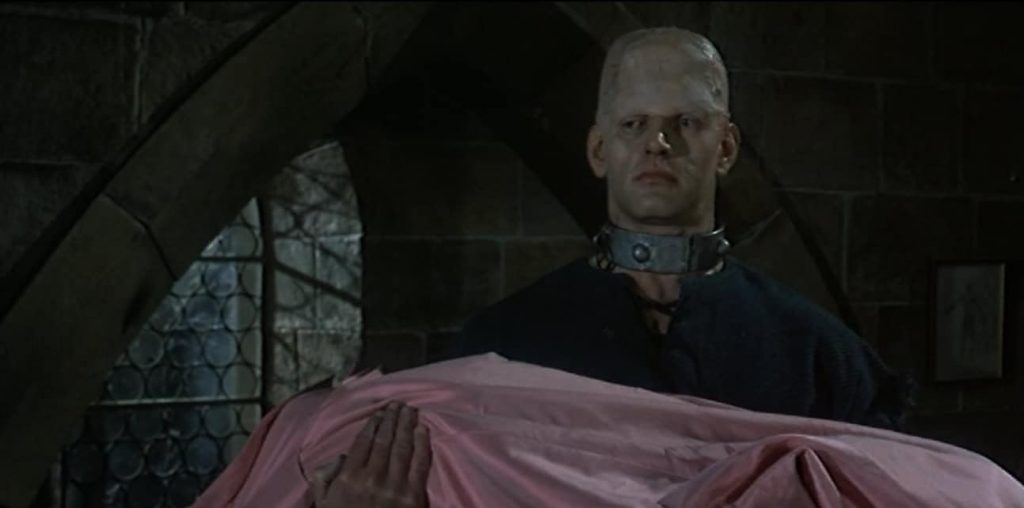
The finale of the film is not a moment of catharsis, but a moment of chemical neutralization.
The ending is the ultimate rejection of the Gothic sacred. There is no cleansing fire, no divine judgment. The monster is lured to an acid tank by a child—the ultimate symbol of innocence—and is simply dissolved. The evidence is liquidated. It is a modern, industrial ending for a modern, industrial monster. Victor doesn’t repent; he merely watches his mistakes disappear. The horror is that there is no moral consequence—only the loss of biological material.
The monster falls in the acid. Sizzle, pop, gone. That’s it. No epic battle, no castle blowing up. Just a guy falling into a vat of chemicals because a little girl tricked him. It’s the most anticlimactic, nihilistic ending in the whole series. Victor stands there, realizes he’s in the clear, and basically goes back to his dinner. He wins. The monster is gone, the witnesses are dead or ignored, and Victor is still the Baron. It’s the ultimate bastard wins ending: life is cheap, science is a lie, and the biggest jerk in the room gets to keep the castle.
Final Thoughts
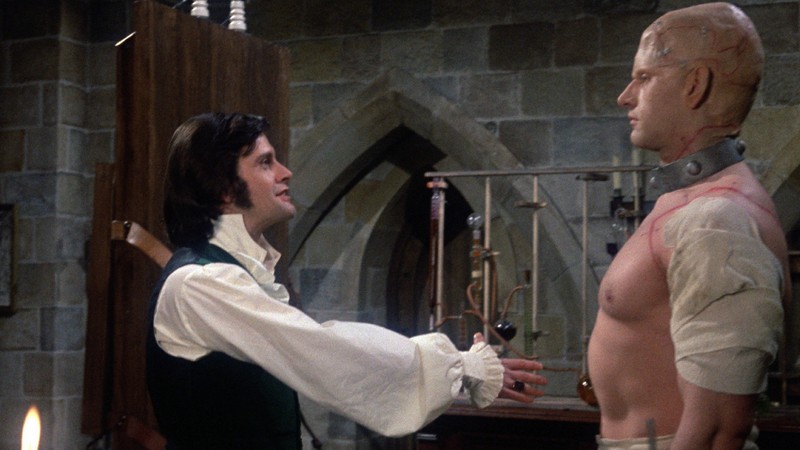
The Horror of Frankenstein is the reality of the 1970s. It is a film that admits the Gothic is dead and replaces it with a sneer.
Patricide is it’s foundation. You can’t have progress without killing the Old Man. Victor is the ultimate disruptor. The Monster is simply a tool. Creation isn’t about life; it’s about utility. If it doesn’t serve the ego, it’s just scrap metal.
The ending proves that morality is a luxury. The one who survives isn’t the good man; it’s the one who can dissolve his mistakes in acid.
It is a an unlikable likeable film because it refuses to be important. It refuses to be Gothic. It refuses to be Hammer. And in that refusal, it becomes one of the most honest films the studio ever made. It’s a movie about a sociopath, made by people who were tired of being classy, and it’s beautiful in its ugliness.
Leave a Reply