Warning: There are spoilers for both Silent Hill 2 and Return to Silent Hill in this article.
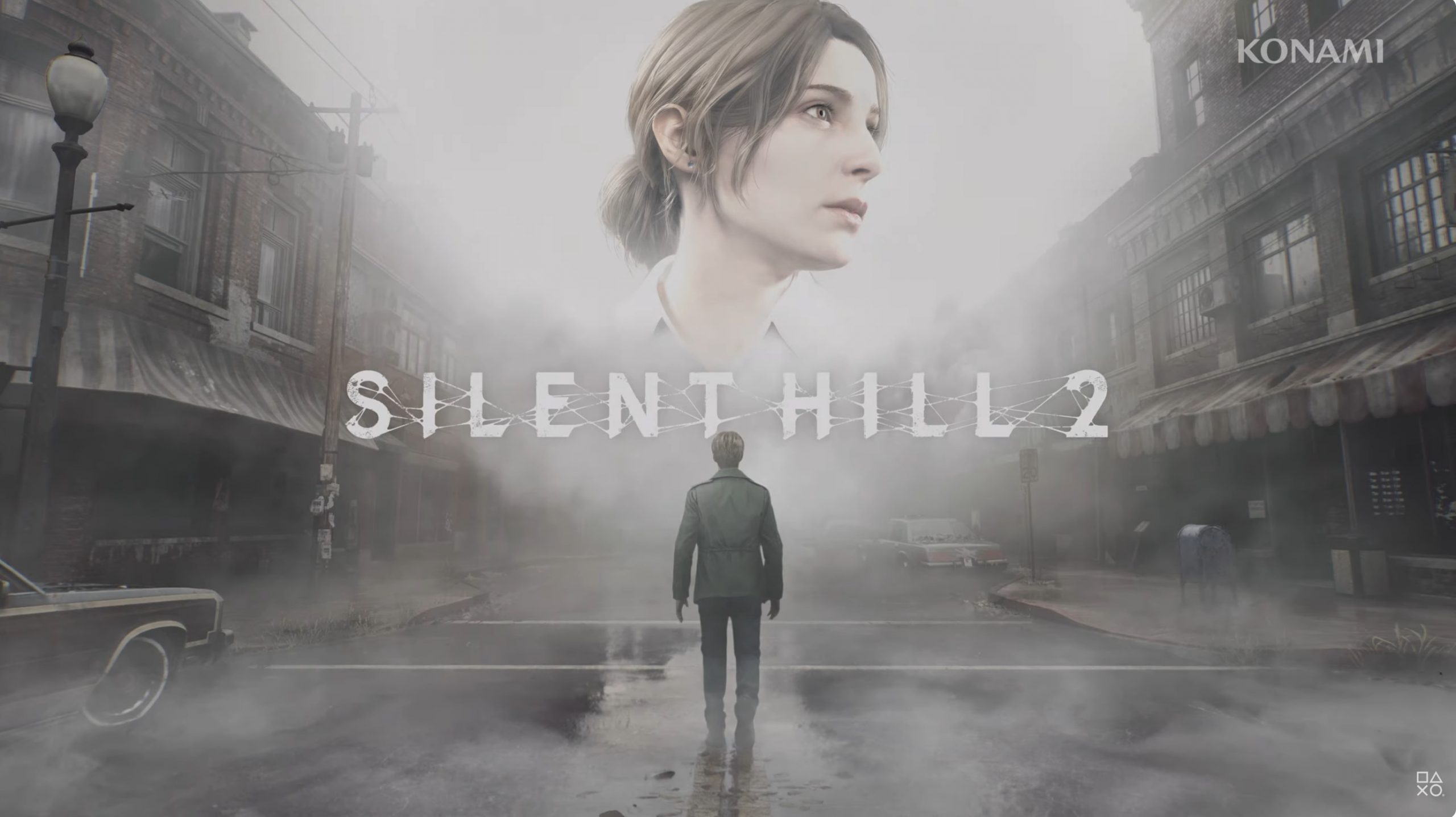
As you can tell from this recent article, Christopher Gans’ adaptation of the classic psychological survival-horror game Silent Hill 2 failed to meet expectations. Through and through, it was a disaster on almost every level, altering fundamental aspects of the game. Characters were changed, backstories were added (and removed), and lore was altered. Although there are some similarities, the Silent Hill 2 adaptation from the game was altered so much that the emotional experience fans hoped would translate to film ended up far, far, far, out of reach. For these reasons, Silent Hill 2 succeeds as a piece of art, where Return to Silent Hill fails.
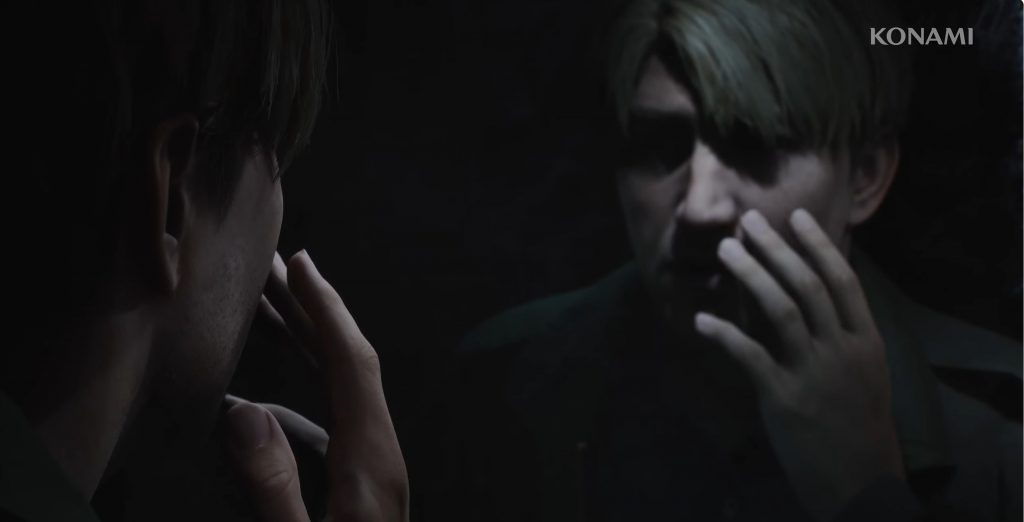
The inciting moment for the plot is when James receives his letter from Mary. The game starts shortly after this, when James arrives in Silent Hill. He begins with a monologue:
I got a letter. The name on the envelope said ‘Mary’…my wife’s name. Couldn’t possibly be true, a dead person can’t write a letter…
This is where Return to Silent Hill makes its first misstep. In the movie, James receives the letter while in his apartment, with text that differs from that of the game. Players would have loved to have seen the letter replicated onscreen, but were robbed of this moment.
Furthermore, a mystery is established by the very presence of the letter in the first place. How can a dead person, such as Mary, write to James? The game reveals that Mary is dead within the first few minutes, but the movie doesn’t tell us this until halfway through. First-timers are robbed of the letter’s mystery when they may very well think that Mary is still alive, somewhere in Silent Hill.
On the topic of Mary, James’s meet-cute with her is entirely unnecessary. The film should have begun in the restroom, where the game started. Anyway, the film’s introduction is used to establish that Mary is leaving Silent Hill (escaping from a cult, as later revealed). In fact, in the movie, Mary lived in Silent Hill, raised by a cult. In the game, Silent Hill was James and Mary’s special place, just a getaway for them. How much better would it have been to leave Mary’s backstory a mystery, seeing her only through James’s eyes?
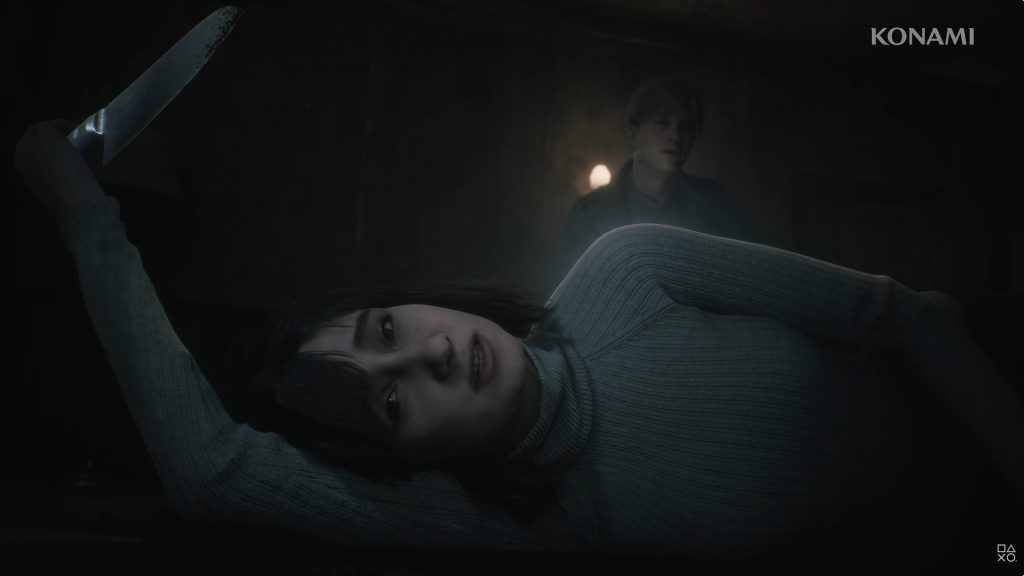
Instead, Mary is transformed into an amalgamation of the characters Laura, Angela, and Maria. In the movie, they’re just different aspects of Mary’s personality, rather than individual characters. This not only destroys Mary’s character, but it also completely changes others. For example, in the game, Laura is an innocent child who doesn’t see monsters because of the lack of darkness in her heart. In the movie, she’s just a creepy girl holding a spooky baby who beckons James further along in his journey.
Angela’s backstory is folded into Mary’s, implying that Mary was also sexually abused as a child, but this robs the version of Angela in the movie of any staying power. She barely gets any screen time anyway, and the scenes that do replicate those of the game, like Angela’s mirror scene, have lost their impact. Angela has lost her arc as a character, and her walk up the stairs of fire, the powerful acceptance of her death and fate is lost.
When Maria is introduced in the game, she slyly asks James, “I don’t look like a ghost, do I?” James’s comment, “You look just like my wife…your hair, your clothes, they’re just different,” introduces Maria as a double of Mary. “My name is Maria,” she replies.
However, in the film, she doesn’t even introduce herself until several scenes later. The entire mystique of Maria’s character is ruined. The most integral scene featuring Maria’s character, the jail cell scene, is nowhere to be found either. When Maria does die, it’s by James’s own volition, with him controlling Pyramid Head rather than as a continual punishment of his sins.
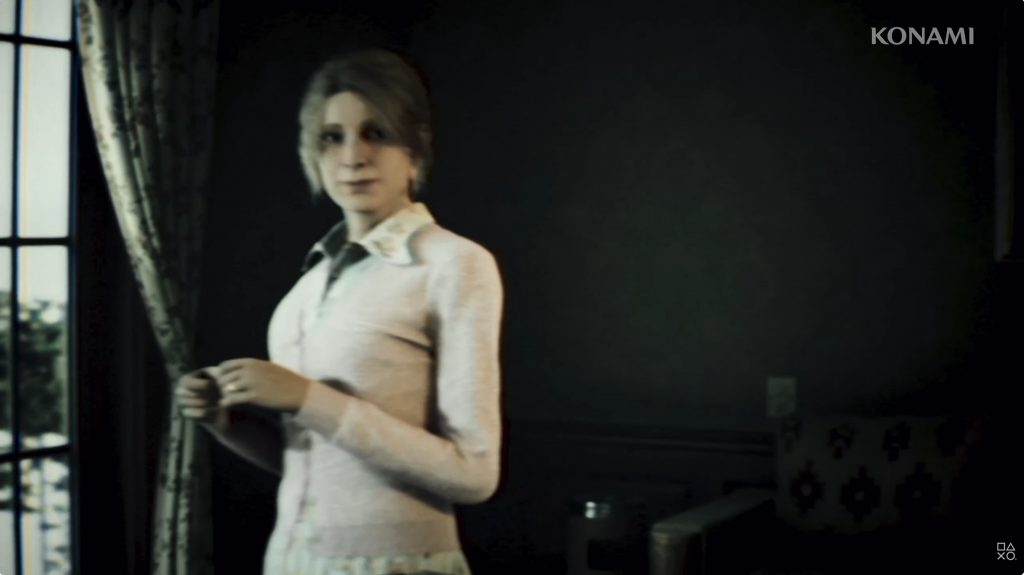
And this gets us to the central problem of the film, the flaw that ruins everything. Revealing that Mary actually *asked* James to kill her robs the story of its impact. James is absolved of most of the guilt that was latent in the game’s story, the guilt that sent him to Silent Hill in the first place. The grief he is dealing with, is significantly lessened, and the themes of sin and redemption that the game so heavily dealt with are washed aside.
Also lost are the reasons for why James kills Mary in the first place. The game implies that it might have been a mix of sexual frustration, depression, and pain from having to deal with Mary’s sickness. There’s also the possibility of James wanting to relieve Mary of her suffering. The genius of the game, however, is found in how you play it. Depending on the choices you make, James’s motivations for the deed change, giving you what is essentially a different character in each game.
Instead, in the film, we are left with the impression that James is experiencing psychosis and is currently at a mental hospital. Like the film Jacob’s Ladder (a much better movie by the way), all of the events in Silent Hill have been a fabrication of James’s fragile mental state.
In the final moments, he imagines himself back at his meet-cute with Mary and he drives off with her to happiness. The fact that this is all in James’ mind is an insult to the journey he takes in the actual game, and a terrible way to alter the dark nature of Silent Hill into just the delusions of an insane man.
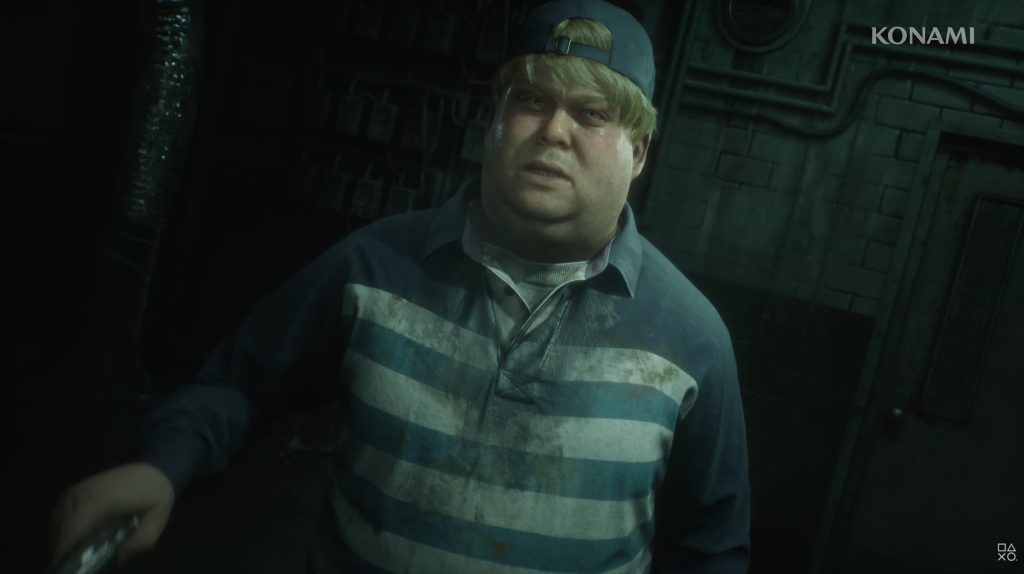
Forgive me for a moment while I jump back for a second. The Eddie of the film is reduced to a brief cameo. In the game, he is used to foreshadow the revelation of James’s murder of Mary. When James kills Eddie, he remarks that he has killed a human being, a sin that James has, ironically, already committed. In the movie, Eddie is nothing more than a pointless character who shows up for less than a few minutes.
Lastly, Pyramid Head is reduced to a monster, blatantly a simplistic symbol of James. True, PH is a mental representation of James, but he is much more than that. He also stands for James’s sexual frustration, a theme that is barely explored in the film. The infamous mannequin assault scene is instead replaced with a beating down of a literal spider monster. In fact, the mannequin is nowhere in the film to speak of.
There are many, many more reasons why Return to Silent Hill pales in comparison to its source material, but I don’t want to be writing this article forever. Just know that if you have only experienced Silent Hill 2 by watching Return to Silent Hill, you have a much better experience waiting for you in the game. It is much better written, more subtle, and carries a lot more emotional weight. It conveys its subject matter with maturity.
Give it a chance, you won’t regret it.
Leave a Reply