The modern horror landscape is obsessed with being important. We are currently drowning in a sea of elevated genre films where every ghost is a stand-in for intergenerational trauma and every monster is a metaphor for a suppressed social anxiety. It’s all very polite, very academic, and very, very boring. The industry has become a collection of therapy sessions disguised as movies, where the primary goal isn’t to scare you, but to make you feel enlightened. They want to sanitize the dark. They want to turn the visceral into the intellectual.
Yeah, Terrifier 2 was having none of that shit
Released in 2022, Damien Leone’s sprawling, 138-minute opus didn’t just break the rules; it acted as if the rules were a joke told by someone who had never actually seen a drop of blood. It arrived with a, roughly, $250,000 budget bolstered by fan crowdfunding and deferred labor and a runtime that would make a Marvel executive sweat. It was unrated, uncut, and utterly unapologetic. It didn’t ask for a seat at the table; it walked into the room, flipped the fucking thing over, and started hacking it into pieces with a rusty axe. It revels in its own chaos, brilliant in its command of practical gore, and fearless in rejecting the cautious, safe approach of modern studio horror. Terrifier 2 is the unflinching proof of what happens when a filmmaker stops chasing prestige and starts putting the audience’s adrenaline first.
The 138-Minute Siege
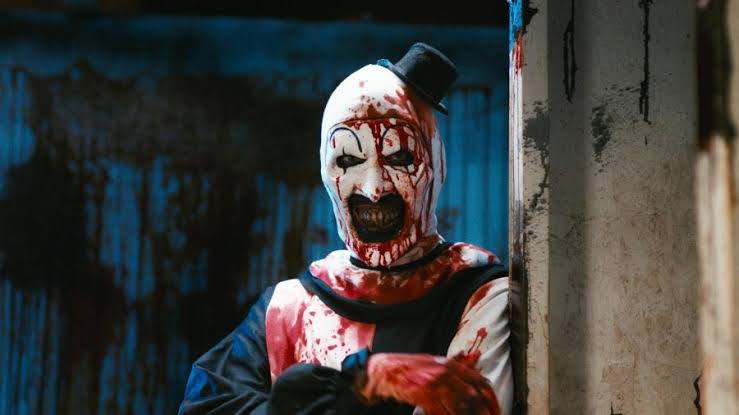
The first thing some of the civilized critics complained about was the length. “A slasher shouldn’t be two hours and twenty minutes,” they cried, clutching their stopwatches. They argued that the rhythm was off, that the pacing was indulgent. But they missed the point so spectacularly it’s almost funny. The runtime of Terrifier 2 is its first and most important act of defiance. By extending the film to such an indulgent length, Leone is making a statement: Art the Clown will not be rushed.
In a standard studio slasher, the kills are timed to the second—eight minutes of setup, thirty seconds of gore, back to the important dialogue. Leone rejects this rhythmic safety. He understands that true horror comes from the linger. When Art enters a room, time stops. We are forced to stay in the moment until the reality of the violence becomes almost unbearable. The length isn’t a flaw; it’s a commitment to the ordeal. It’s a witty rejection of the TikTok-brain attention span that demands a jump-scare every ninety seconds. Terrifier 2 demands that you sit in the blood until it gets cold. It forces you to witness the aftermath of the violence—the part where the killer doesn’t just leave, but stays to admire the carnage, to reorganize the limbs, to find the humor in the debris. That extra hour isn’t filler; it’s the sound of a filmmaker refusing to apologize for the depth of his obsession.
The Meat-Grinder Maestro
We live in an era where blood is added in post-production by an overworked intern on a MacBook. It looks like purple ink and has the physical weight of a ghost. It has no texture, no viscosity, and no soul. It’s sterile. It’s safe. It’s a lie.
Damien Leone is the antithesis of the CGI age. He is a writer, director, and editor who also happens to be a world-class special effects artist. He isn’t interested in your digital shortcuts. He wants the real thing—latex, silicone, and gallons of Karo syrup. The effects in Terrifier 2 aren’t just “good for an indie movie”; they are a masterclass in tactile, practical craftsmanship. Leone understands that the audience can feel the difference between a pixel and a prosthetic.
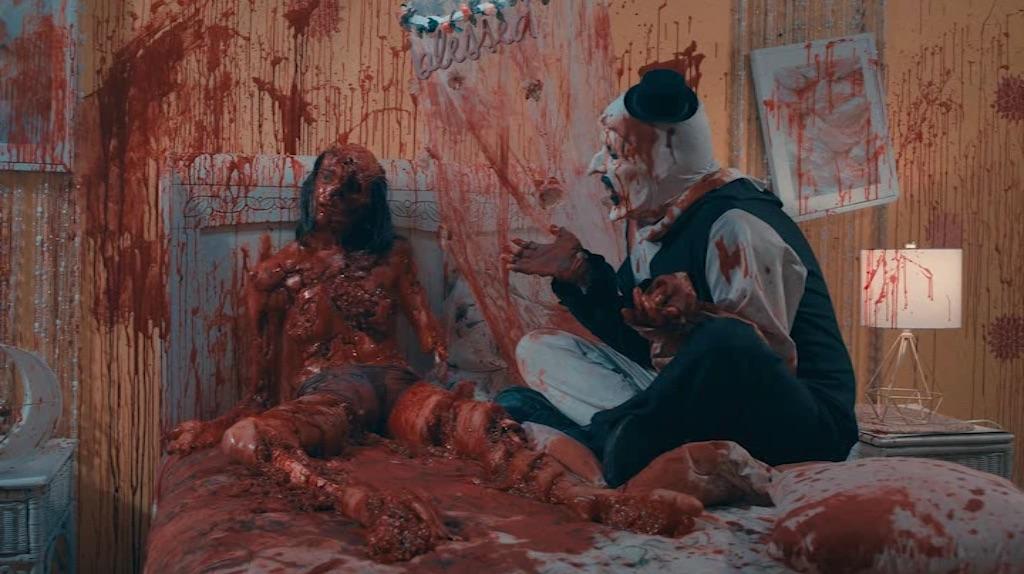
Think about the Bedroom Scene. You know the one. It’s the sequence that reportedly caused moviegoers to faint and vomit in theaters across America. It’s not just the level of violence that makes it effective; it’s the physical presence of the gore. You can see the tension in the prosthetics. You can see the way the flesh tears and the bone resists. It is a ten-minute sequence of pure, unadulterated anatomical destruction that refuses to cut away. This isn’t mere shock for its own sake; it’s a deliberate rebellion against the sterile, CGI-heavy horror dominating the 21st century. Leone is showing us exactly what we are made of: meat, guts, brains, and a terrifying capacity for suffering. He is reclaiming the splatter throne from the corporate entities that tried to bury it in the 90s.
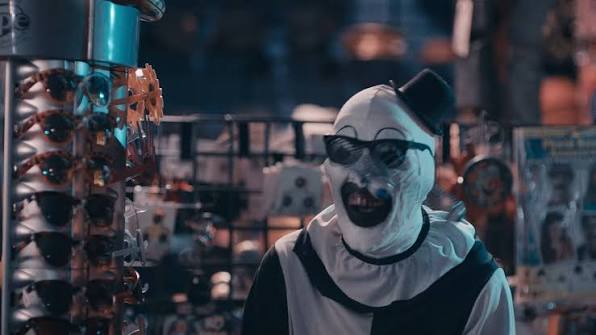
Art the Clown: The Mime of the Absolute Abyss
Before we get to Sienna, we have to talk about Art. David Howard Thornton’s performance is one of the most clever bits of character work in the last twenty years. Most modern slashers try to give their killers a tragic origin story or a psychological why to make them relatable. They want us to understand the killer so we can feel safe in our diagnosis.
Not Art the Clown.
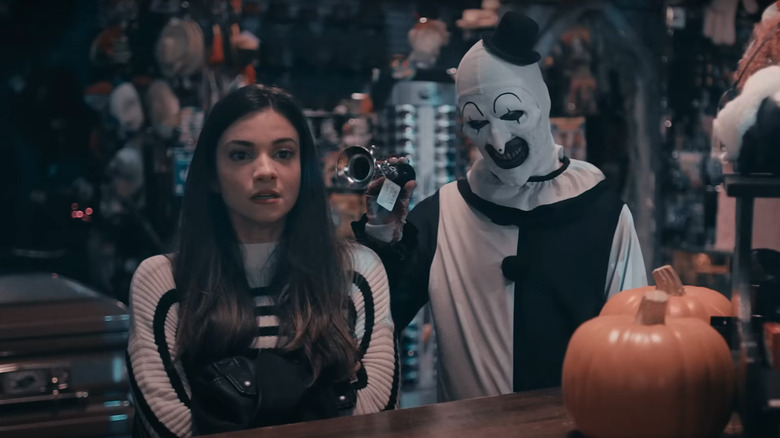
Art the Clown doesn’t have a why or a reason. He doesn’t need one. He is a mute, black-and-white vacuum of morality. He doesn’t speak, he doesn’t explain, and he doesn’t care about your empathy. His wit comes from his pantomime—the way he finds a childish, gleeful joy in the most horrific acts imaginable. He isn’t a stalker in the traditional sense; he’s an entertainer who treats murder like a vaudeville routine. When he honks his horn or does a little jig after disemboweling someone, he’s mocking the audience’s desire for gravity.
The fact is that at the blackend heart of the character: he finds us funny. He finds our fear, our prayers, and our biological fragility to be a hilarious joke. He is a rhythmic, dramatic inversion of the scary clown trope. He isn’t scary because he looks like a monster; he’s scary because he is a fucking monster, one that looks like he’s having the time of his life while he’s tearing yours apart. Thornton’s physicality—the way he moves like a silent film star—gives Art a presence that no dialogue-heavy villain could ever achieve. He is a silent witness to the end of the world, and he’s laughing the whole time.
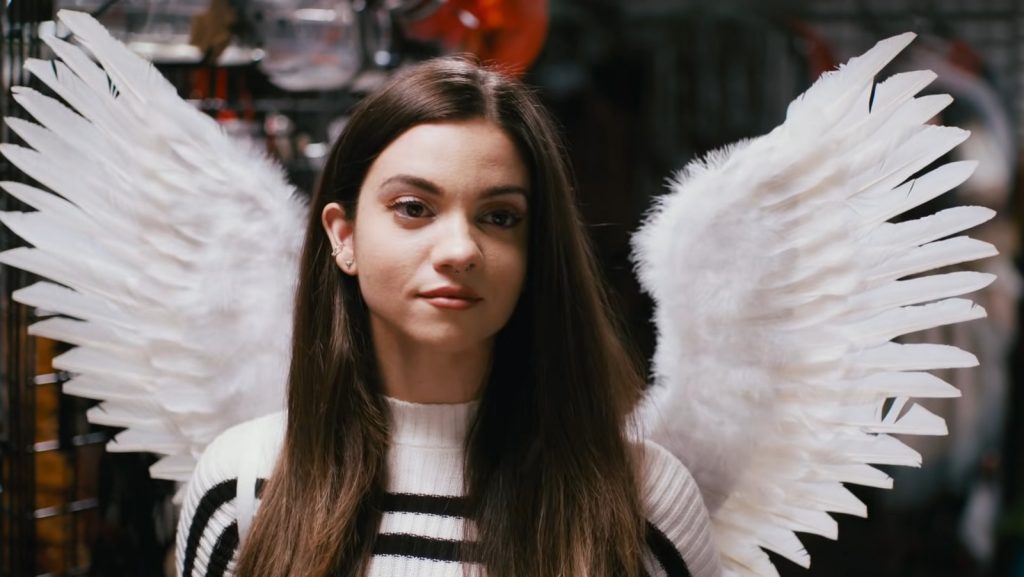
Sienna Shaw and the Final Girl 2.0
While Art is the star, Terrifier 2 would be nothing without Lauren LaVera’s Sienna Shaw. If Art is the void; Sienna is the light that refuses to be consumed.
Modern Final Girls are often written as victims who eventually find the strength to survive—the trauma model of heroism. Sienna is different. She is written as a warrior who was born for this, even if she doesn’t know it straight away. She isn’t just a girl trying to outrun a killer; she is a mythic figure engaging in a spiritual war.
The cleverness of the film lies in how it weaves her father’s legacy—his drawings, his visions, and the supernatural sword—into the narrative. It’s an approach to the genre that elevates the slasher into something resembling a dark fantasy epic. Her power isn’t born from suffering—she commands the narrative by respecting the rules, rituals, and realities of her world. When she enters the Clown Cafe, she isn’t just a victim in a dream sequence; she is a hero navigating a psychological siege.
LaVera’s performance is as physical and punishing as Campbell’s in The Evil Dead, and she earns her place in the pantheon of horror legends through blood, sweat, and a refusal to stay down.
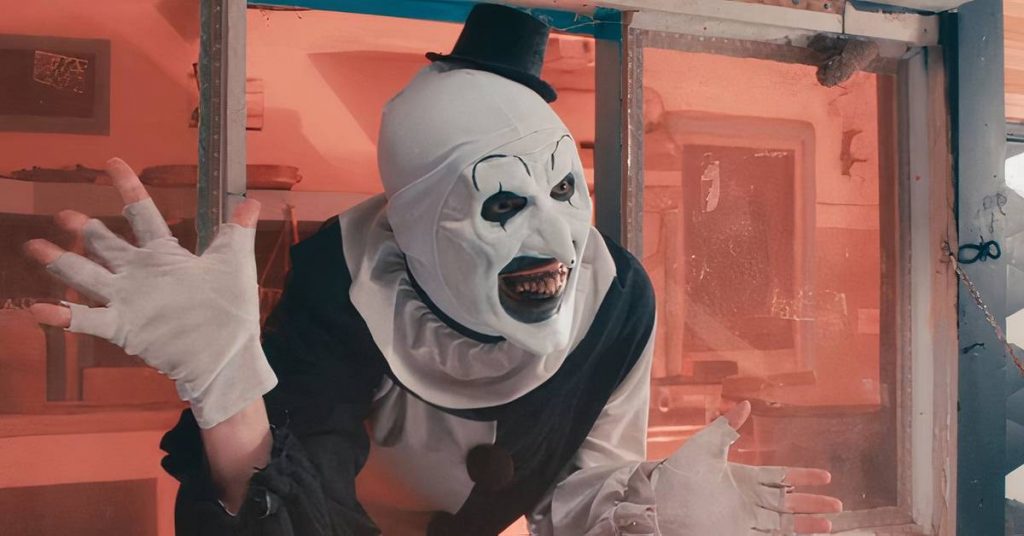
The Clown Cafe
This is the sequence that polarized the audience—a surreal, nightmarish commercial within a dream that breaks the reality of the film. To the me, this is where Leone shows his hand. He’s not just making a slasher; he’s building a mythology.
The Clown Cafe is a masterpiece of psychological unease. It uses the bright, sanitized imagery of a children’s show and fills it with the rotting subtext of Art’s world. It’s witty, it’s grotesque, and it serves as a direct warning for Sienna. It tells her (and us) that the threat isn’t just a man in a costume; it’s something older, something that has been waiting in the drawings of her father. It’s a rhythmic and dramatic break from the slasher elements of the film that adds a layer of cosmic dread. It’s Leone saying, “You think you’ve seen the worst I can do? I can haunt your dreams, too.”
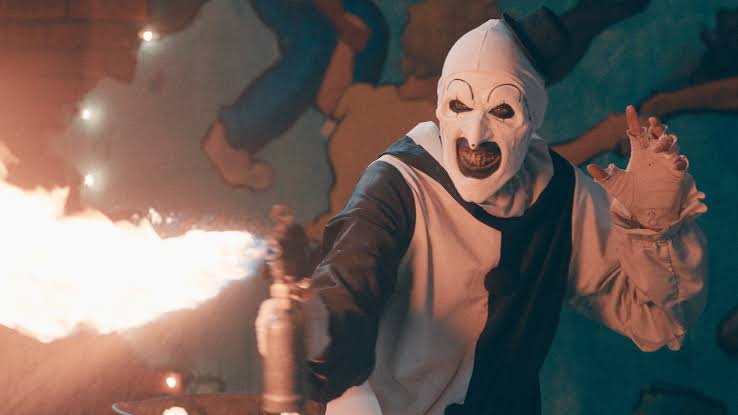
The Budget Myth
People see the $250,000 budget and think that cheap means easy. They don’t see the years of stop-and-go filming, the unpaid hours, and the sheer, conviction of a cast and crew who stayed in the trenches because they believed in Leone’s vision.
The success of Terrifier 2—grossing over $10 million theatrically and far exceeding expectations worldwide—is a massive middle finger to the studio system. It proved that you don’t need a massive marketing department, or the approval of the Hollywood gatekeepers to create a cultural phenomenon. You just need to give the audience something they haven’t seen before: the beautiful insanity a filmmaker who isn’t afraid to go too far. The film’s box office performance was driven by a fanbase that was tired of being treated like children.
Final Thoughts
Terrifier 2 is not a perfect movie by the standards of a film school textbook. It’s too long, it’s too loud, and it’s arguably too cruel. But that is exactly why it is a masterpiece of the modern era. The film trades refinement for the unvarnished, gut-level truth of terror. It is a movie that understands the truth of horror: that we go to these films to be confronted by the things we can’t control, to see the biological reality of our existence stripped of its layers.
It is the survival of the nastiest, and Art the Clown is the judge, jury, and executioner. If you can’t handle the Bedroom Scene, if you can’t handle the length, if you can’t handle the splatter, then stay out of the theater. The rest of us will be here, enjoying the show, honking our horns, and waiting for the next act.
Leave a Reply