It’s 1987 and the slasher genre was already starting to smell a bit like a basement after a flood. We’ve seen enough silent masked guys in the woods to be on the verge of burnout. The ‘Summer of 1984’ was a distant memory, and New Line Cinema was facing a crisis of identity. A Nightmare on Elm Street 2: Freddy’s Revenge had been a massive financial success, but it was a tonal outlier that broke the rules of the dream world without explaining why.
New Line needed a win. They needed to bring back the fans who wanted the logic of the original but with the scale of a blockbuster. So, they did the smartest thing possible: they backed up a truck of money to Wes Craven’s house and asked him to fix his monster. Craven teamed up with Bruce Wagner to write a script that was originally much darker and nastier than ehat we would eventually get.
Then came the polish. Enter Chuck Russell (the director) and a young Frank Darabont. They took Craven’s haunted house energy and injected it with Dark Fantasy steroids. What we got was a film that didn’t just follow the rules; it rewrote the entire damn playbook.
The Institutionalization of Horror: Setting the Stage
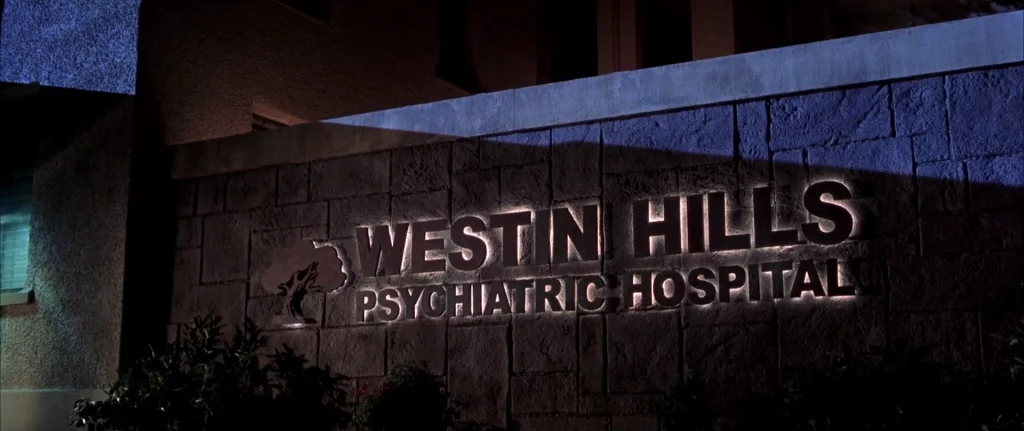
The genius of Dream Warriors begins with its location: Westin Hills Psychiatric Hospital. It is the perfect, most logical evolution of the Elm Street mythos. In the first film, the adults were in denial. In the third film, the adults have weaponized that denial by locking the kids up.
Think about the psychological horror of being a teenager who knows a supernatural child killer is stalking your dreams, only to have the people who are supposed to protect you tell you that you’re suicidal or delusional. It’s gaslighting on a cosmic scale. By moving the action to a psych ward, the film creates an immediate sense of isolation and helplessness. These kids aren’t just fighting Freddy; they’re fighting a medical establishment that is literally sedating them so they can be served up on a silver platter to the man in the sweater.
The Breakfast Club from Hell
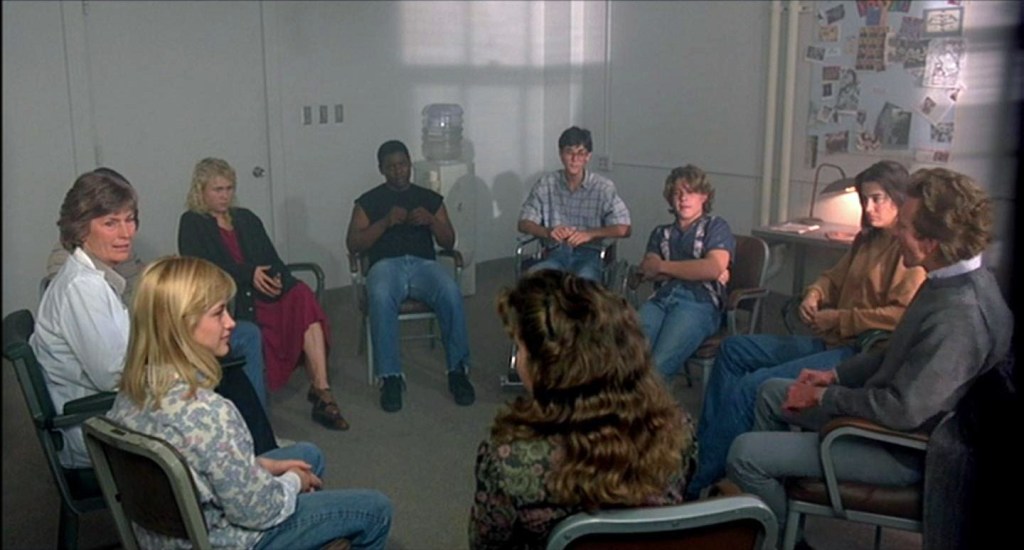
One of the greatest strengths of Part 3 is that it cares about its victims. In Friday the 13th, the victims are just that, victims, cannon fodder for Jason to murder in unique and entertaining ways. In Dream Warriors, they are a team. We have a ragtag group of misfits that feels like the dark mirror of a John Hughes movie:
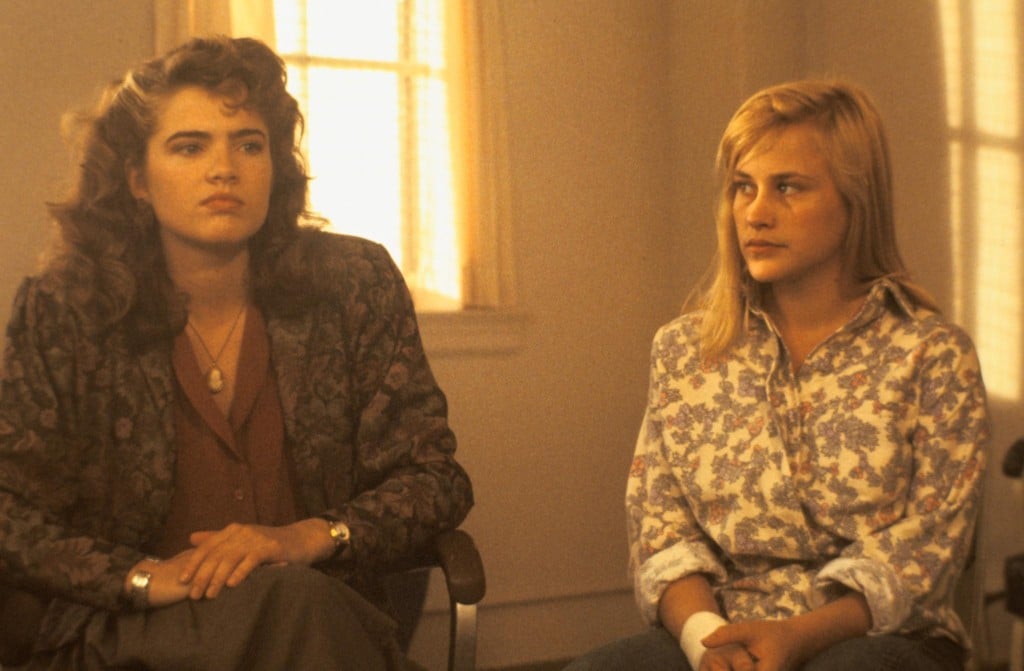
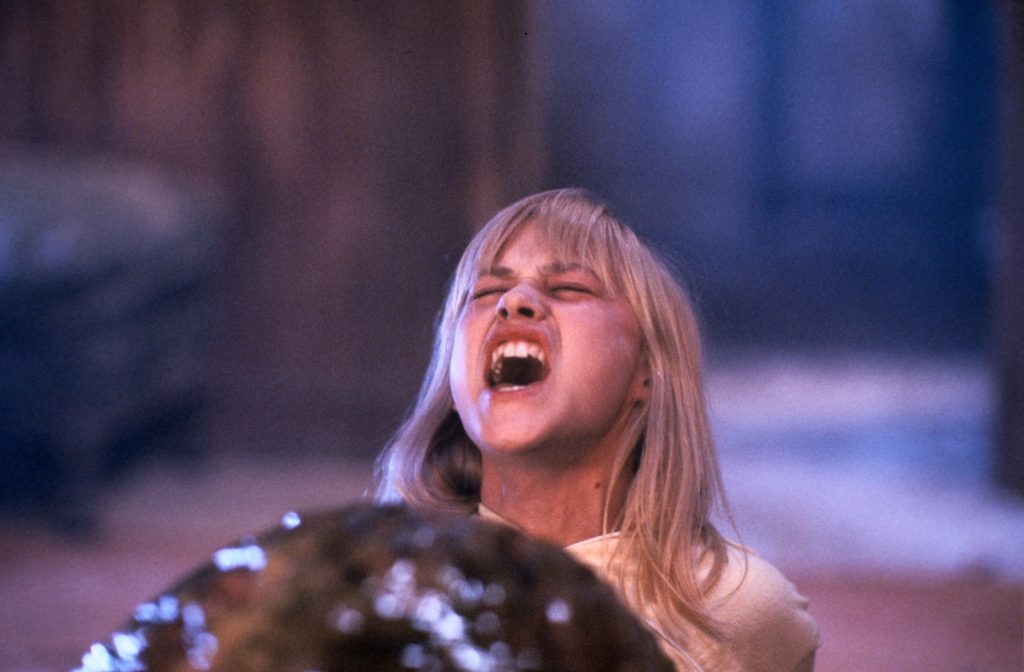
Kristen Parker (Patricia Arquette): Our surrogate lead. Arquette brings a fragile, wide-eyed intensity to the role. She isn’t a tough girl yet; she’s a terrified kid who just wants to stay awake. Her power, the ability to pull others into her dreams, is the method that allows the movie to function as a team-up.
Kincaid (Ken Sagoes): The Powerhouse. He’s the first one to call out the doctors’ bullshit, and he brings a much-needed aggressive energy to the group. His dream power? Incredible physical strength.
Taryn (Jennifer Rubin): The Beautiful and Bad punk girl. She’s a former addict trying to stay clean, and her dream persona is a switchblade-wielding warrior. Her death remains one of the most tragic and visually striking in the series.
Joey (Rodney Eastman): The Silent One. He’s so traumatized he doesn’t speak, but in the dream world, his voice is a weapon.
Will (Ira Heiden): The Wizard Master. A wheelchair-bound kid who finds freedom in the dream world as a powerful mage. His killing is the one that proves Freddy doesn’t care about your powers, he’s still the DM of this dungeon.
By giving these kids distinct personalities and special abilities, the film turns the slasher formula into an RPG. It’s no longer about if they can survive; it’s about how they fight back.
The Return of the Queen: Nancy Thompson
In the world of horror, the Final Girl usually gets one shot at glory before disappearing into the sunset or being killed off in a cheap sequel opening. Dream Warriors treats Nancy Thompson with the respect she deserves.
She isn’t the victim anymore; she’s the Obi-Wan Kenobi of Springwood. She’s the veteran with the facial scar and the grey streak in her hair who has seen the abyss and lived to tell the tale. Her arrival at Westin Hills changes the gravity of the movie. It bridges the gap between the 1984 original and the new era.
Nancy’s death at the end of the film is a great work of emotional manipulation. We think she’s won. We think the Father (the ghost of her dad) has come to save her. But when that glove pops out of the suit… it’s a gut-punch that still hurts forty years later. Nancy didn’t die because she was weak; she died because she was the only one brave enough to get close enough to Freddy to hurt him.
Robert Englund: The Evolution of a Legend
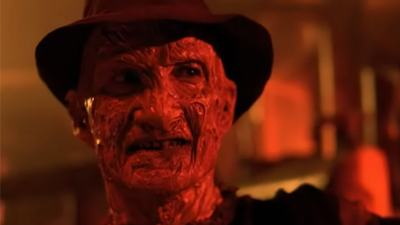
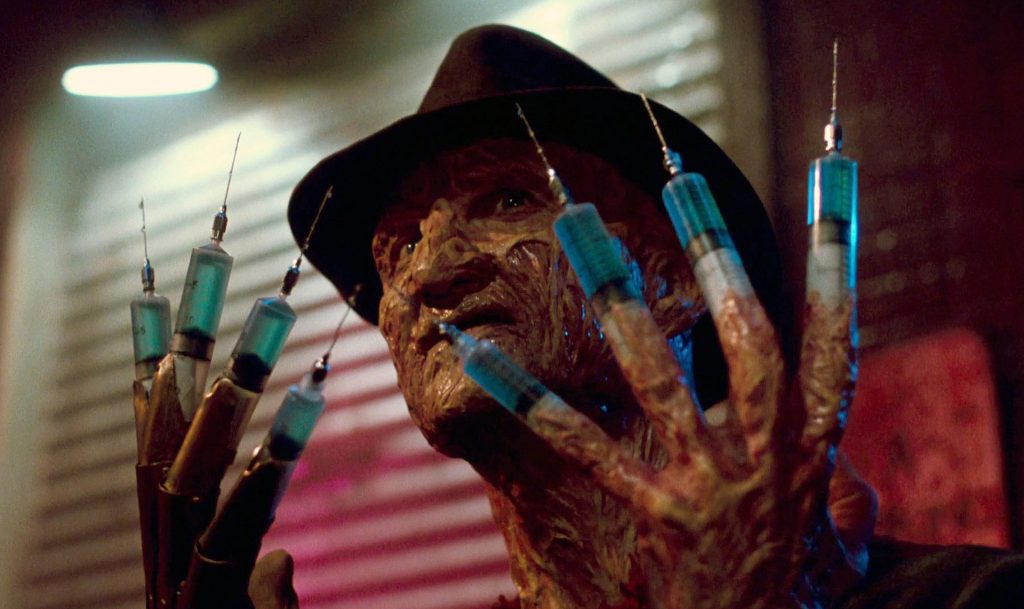
This is the movie where Freddy Krueger stopped being a monster and started being a Brand. In the first two films, Englund played Freddy as a skulking, shadowy ghoul.
In Dream Warriors, Freddy finds his theatricality. This is the debut of the One-Liner Freddy. He is the master of ceremonies. He enjoys the irony of his kills. He mocks his victims’ aspirations and fears.
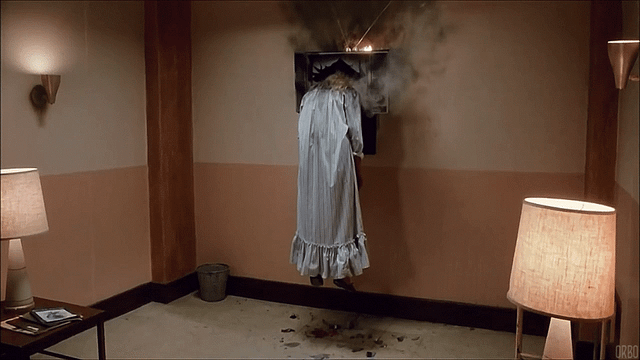
Take the Jennifer Kill (The TV Kill). Jennifer wants to be an actress. She’s staying awake by watching old movies. Freddy doesn’t just stab her; he turns the television into a mechanical trap, sprouts metallic antennas, and utters the line that defined the decade: “Welcome to prime time, bitch!”
It’s hilarious, it’s grotesque, and it’s undeniably iconic. However, Chuck Russell and Frank Darabont were smart enough to keep the humor balanced with genuine malice. Freddy is still scary here. He’s still a child murderer who takes a sick, sexualized pleasure in the hunt. He hasn’t become the Looney Toon of The Dream Child yet. He’s still a shark that happens to have a sense of humor.
The Special Effects
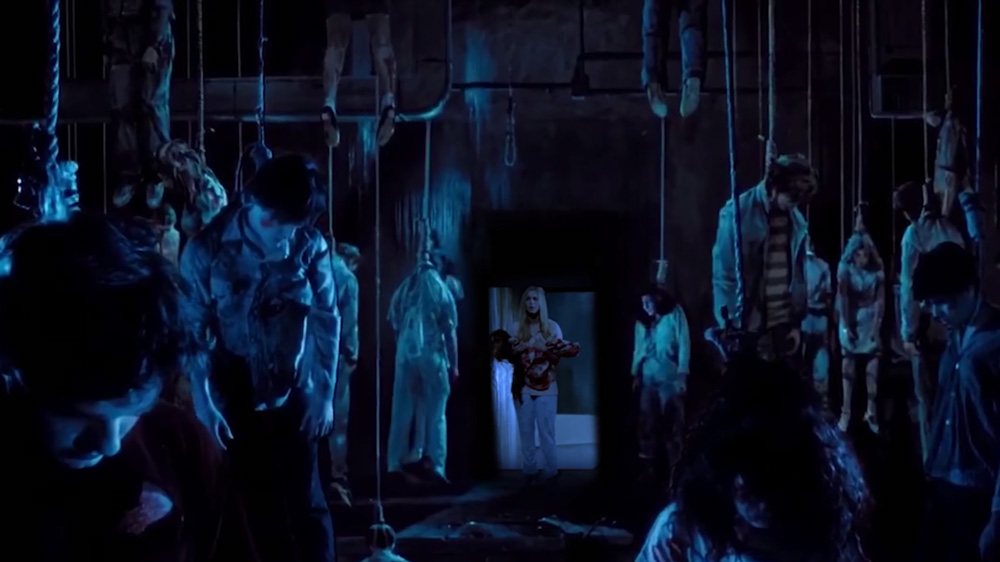
If you want to know why we old-school fans moan about modern CGI, look no further than the work of Kevin Yagher, Peter Chesney, and the Dream Quest team. Dream Warriors is a showcase of what is possible when you have a decent budget and a crew of absolute madmen with latex and clay.
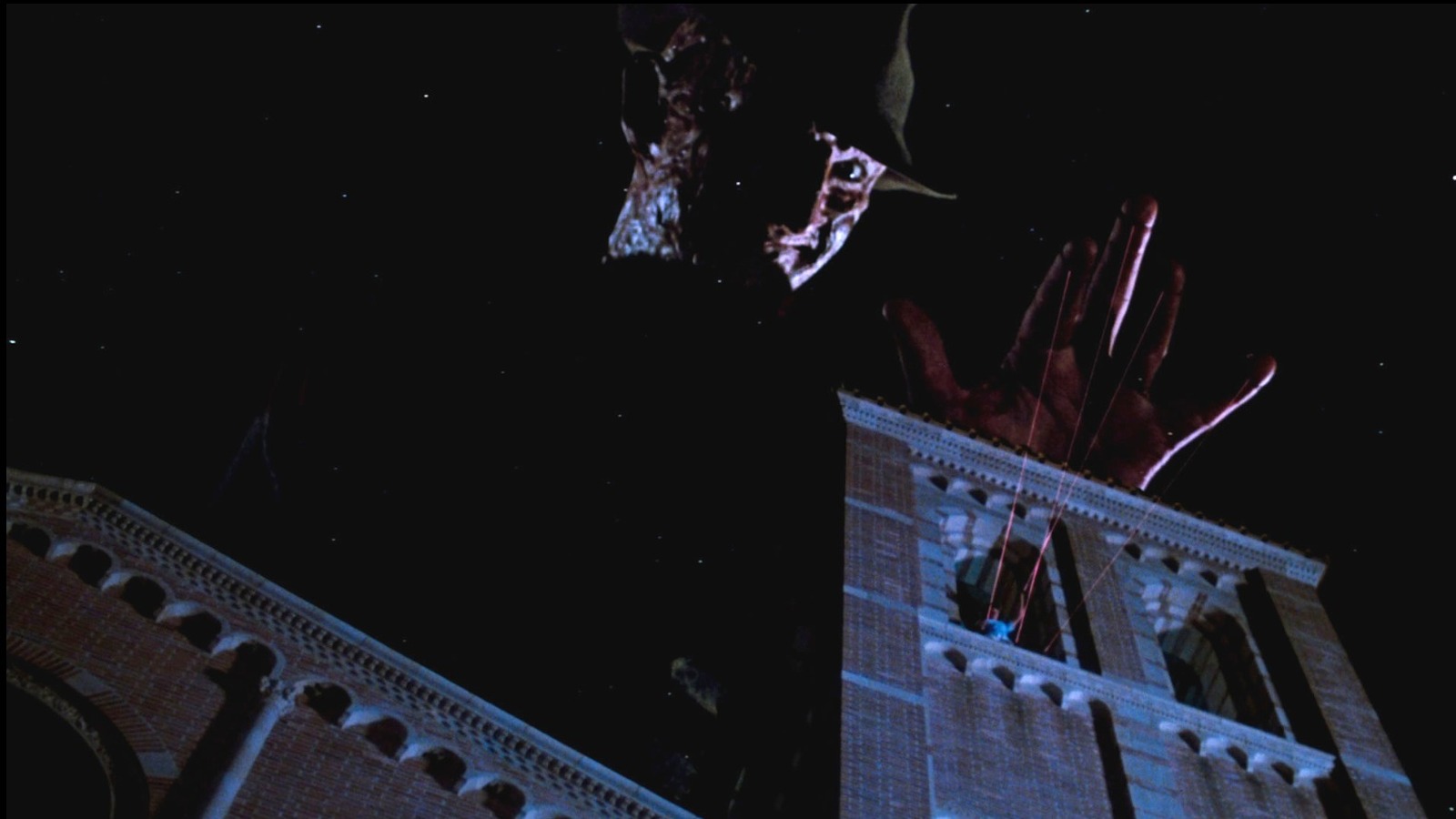
The Puppet Kill: This is arguably the most creative kill in the entire franchise. Phillip, the kid who makes puppets, is used as a human marionette. Freddy slices open his wrists and ankles, pulls out his tendons, and walks him off a rooftop. It is visually stunning, technically difficult (using a combination of stop-motion and forced perspective), and deeply unsettling.
The Freddy-Snake: When Kristen is pulled into the dream, she encounters a massive, stop-motion worm-like version of Freddy that tries to swallow her whole. It has a tactile weight to it. It’s slimy, it’s pulsing, and it looks real.
The Skeleton Battle: The climax involves a Ray Harryhausen-inspired skeleton fight in the real world. It’s a bit campy by today’s standards, but in 1987, seeing a stop-motion Freddy skeleton fight a doctor in a car junkyard was pure cinematic magic.
Every ‘Dream’ sequence is a mini-movie with its own unique visual style. From the hallway made of human arms to the asylum for the criminally insane, the production design is constantly pushing the boundaries of the genre.
The Lore: The Son of a Hundred Maniacs
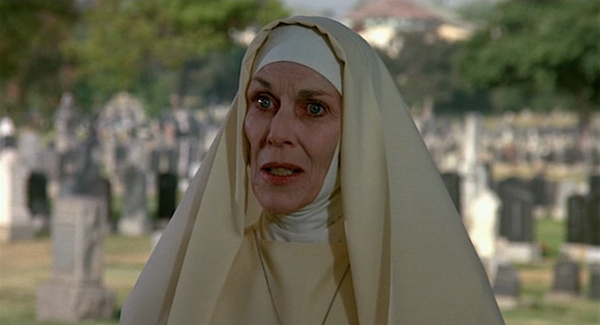
Every legend needs an origin story, and Part 3 gives us the definitive one. Through the character of Sister Mary Helena (the nun who keeps appearing to Dr. Neil Gordon), we learn the horrific truth about Freddy’s birth.
During a holiday weekend years ago, a young nun named Amanda Krueger was accidentally locked in the insane asylum part of the hospital with a hundred of the world’s most dangerous lunatics. For days, she was hidden and brutalized. The result was Freddy, the Son of a Hundred Maniacs.
This adds an even darker layer to the slasher formula. It’s not just about a guy who got burned in a boiler room; it’s about a being born of pure, concentrated human evil. It turns the Elm Street fight into a spiritual battle. It’s why they have to bury his bones in hallowed ground to stop him. It raises the stakes from a neighborhood squabble to an exorcism.
The Sound of the Dream: Dokken and the Heavy Metal Connection
In the late 80s, horror and heavy metal were in a symbiotic relationship. They were the two things parents hated most, so naturally, they belonged together.
The title track by Dokken, Dream Warriors, is the ultimate anthem. It’s got the soaring vocals of Don Dokken and the shredding guitar work of George Lynch. The music video, where the band helps Kristen fight off Freddy, is a prime 80s marketing. It signaled that Freddy was no longer just for the weird kids;he was a rock star. He was part of the mainstream rebellion.
The score by Angelo Badalamenti (who would go on to do Twin Peaks) is also incredible. It’s moody, atmospheric, and incorporates a lot of synth-driven dread that perfectly complements the aesthetic.
The Supporting Cast
A movie is only as good as its ensemble, and Part 3 is stacked. You have Craig Wasson as Dr. Neil Gordon, the well-meaning doctor who eventually becomes Nancy’s ally. Wasson brings a sincere 80s hero energy that balances the cynicism of the teenagers.
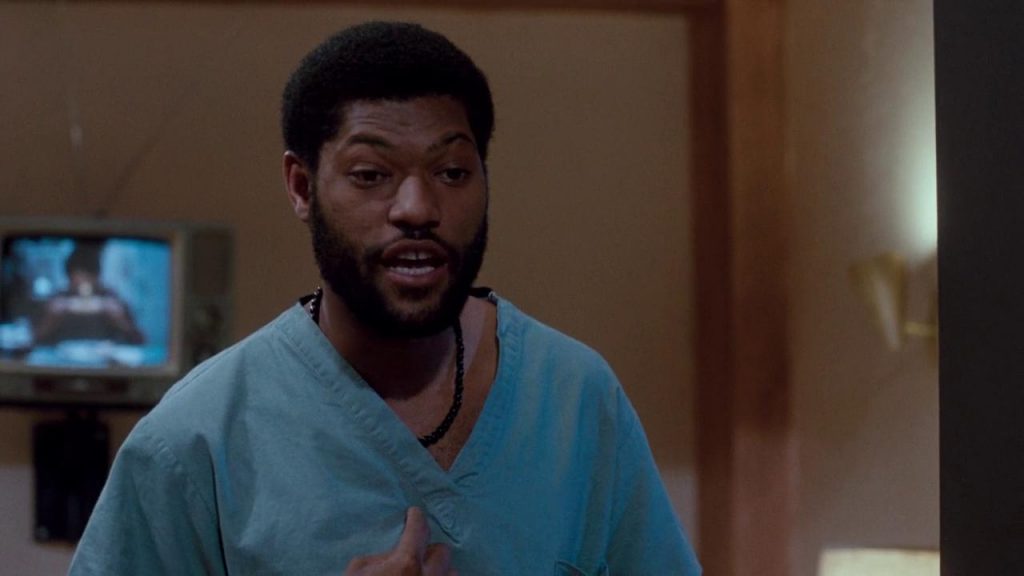
You also have Laurence Fishburne (credited as Larry Fishburne) playing Max, the hospital orderly. Even in a small role, Fishburne’s charisma is undeniable. He provides a human perspective to the chaos, acting as the big brother to the kids who have been discarded by society.
And we can’t forget Priscilla Pointer as Dr. Simms, the icy, bureaucratic head of the hospital. She is the human villain of the piece. Her refusal to believe the children, her insistence on medicating away the problem, is what allows Freddy to succeed. She represents the denial of the Elm Street parents taken to a professional extreme.
Why Dream Warriors is the Perfect Sequel
A Nightmare on Elm Street 3 is a perfect sequel because it expands rather than repeats. It doesn’t just give us more Nancy or more kills. It builds a mythology. It introduces the concept of dream powers, which opened up the franchise to infinite creative possibilities.
It also understands the hero’s journey. These kids start as victims, broken, scared, and suicidal. Through the course of the film, they find their strength, they find each other, and they become warriors. When Taryn says:
“In my dreams, I’m beautiful… and bad!”
before pulling out her switchblades, it’s a moment of pure empowerment. That’s why the movie resonates so much with people who felt like outcasts in their own lives.
Why I Love It
When you look at the landscape of horror today, you can see the fingerprints of Dream Warriors everywhere. It paved the way for meta-horror. It showed that you could have a high-concept, big-budget horror movie that still had a heart and a brain.
It was the peak of the Slasher Boom. After Part 3, the genre started to lean too heavily into the comedy, eventually leading to the self-parody of the early 90s. But for one shining moment in 1987, everything was in perfect balance. The scares were real, the effects were groundbreaking, and the Bastard Son of a Hundred Maniacs was the undisputed king of the box office.
If you call yourself a horror fan and you don’t have this movie in your top five, we need to have a very serious talk in the boiler room. It is imaginative, violent, and emotionally resonant. It is the reason we stay awake. This is the high-water mark of the 80s. It’s got the quips, it’s got the kills, and it’s got the heart, and it turned a nightmare into a legend.
Leave a Reply