Category: Film
-
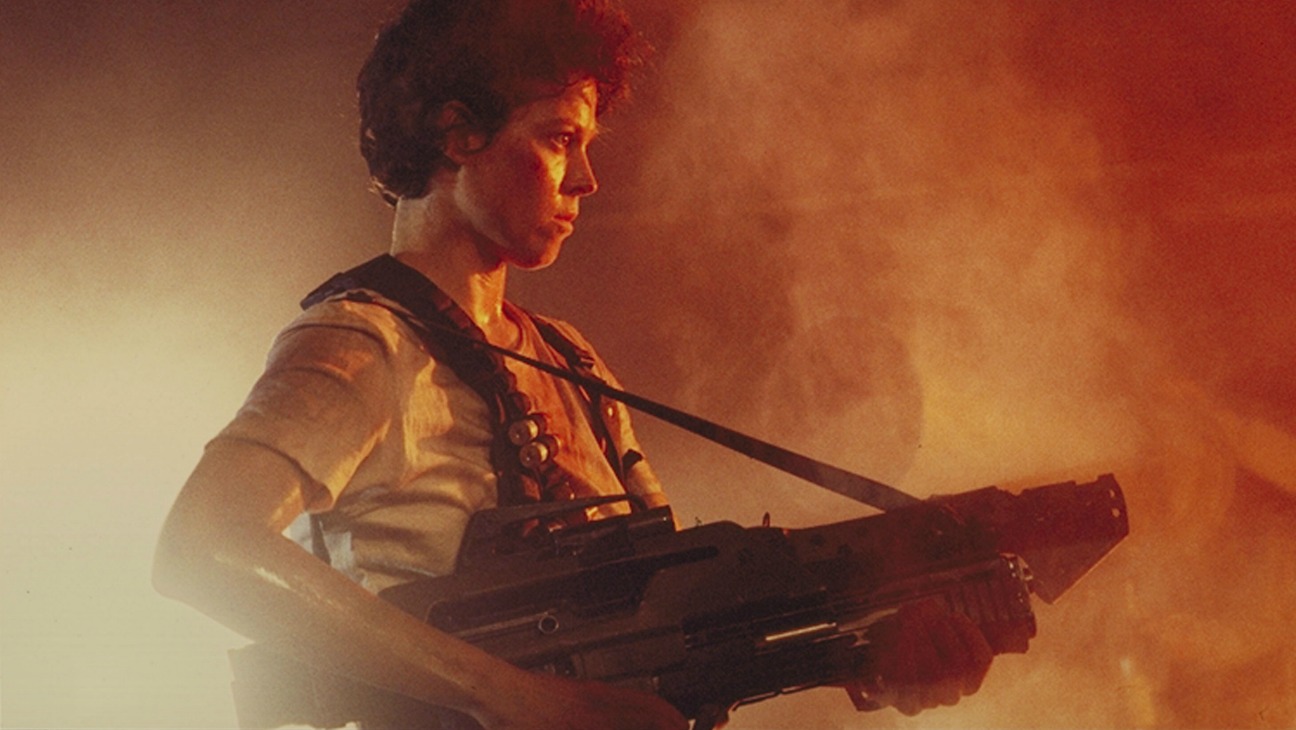
In 1986, James Cameron took Ridley Scott’s slow-burning nightmare and turned it into something louder, meaner, and infinitely more dangerous. Aliens didn’t just continue the story of the xenomorph, it escalated it. The lonely terror of a haunted freighter became a full-scale war in the dark, where pulse rifles rattle through steel corridors and motion…
-
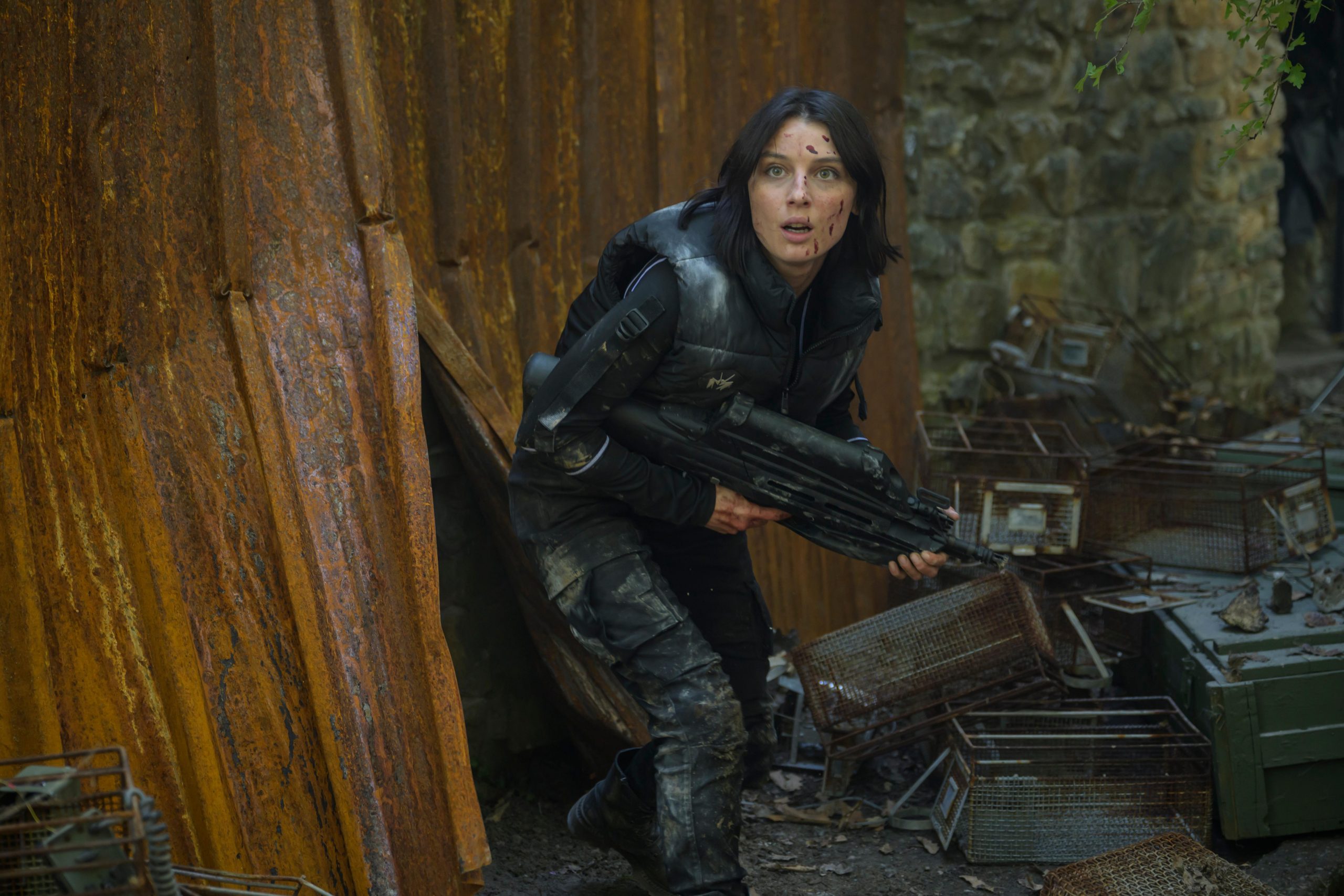
Well, I guess it’s inevitable. Once A.I takes over the world, we’ll all be on the chopping block. So, you can imagine my utter delight when the trailer for Dragn dropped, suggesting that the end might be closer than we think. At least, it is for these happy campers. In a team building exercise gone…
-
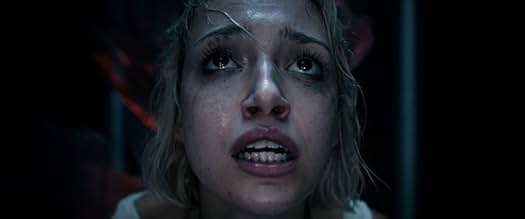
Slasher movies are great, aren’t they? There’s nothing more satisfying than spending an evening watching people get chopped up into hamburger meat in new and inventive ways, don’t you think? Well, what if you threw a little Cosmic Horror into the mix? The answer to that question can be seen here in the new trailer…
-
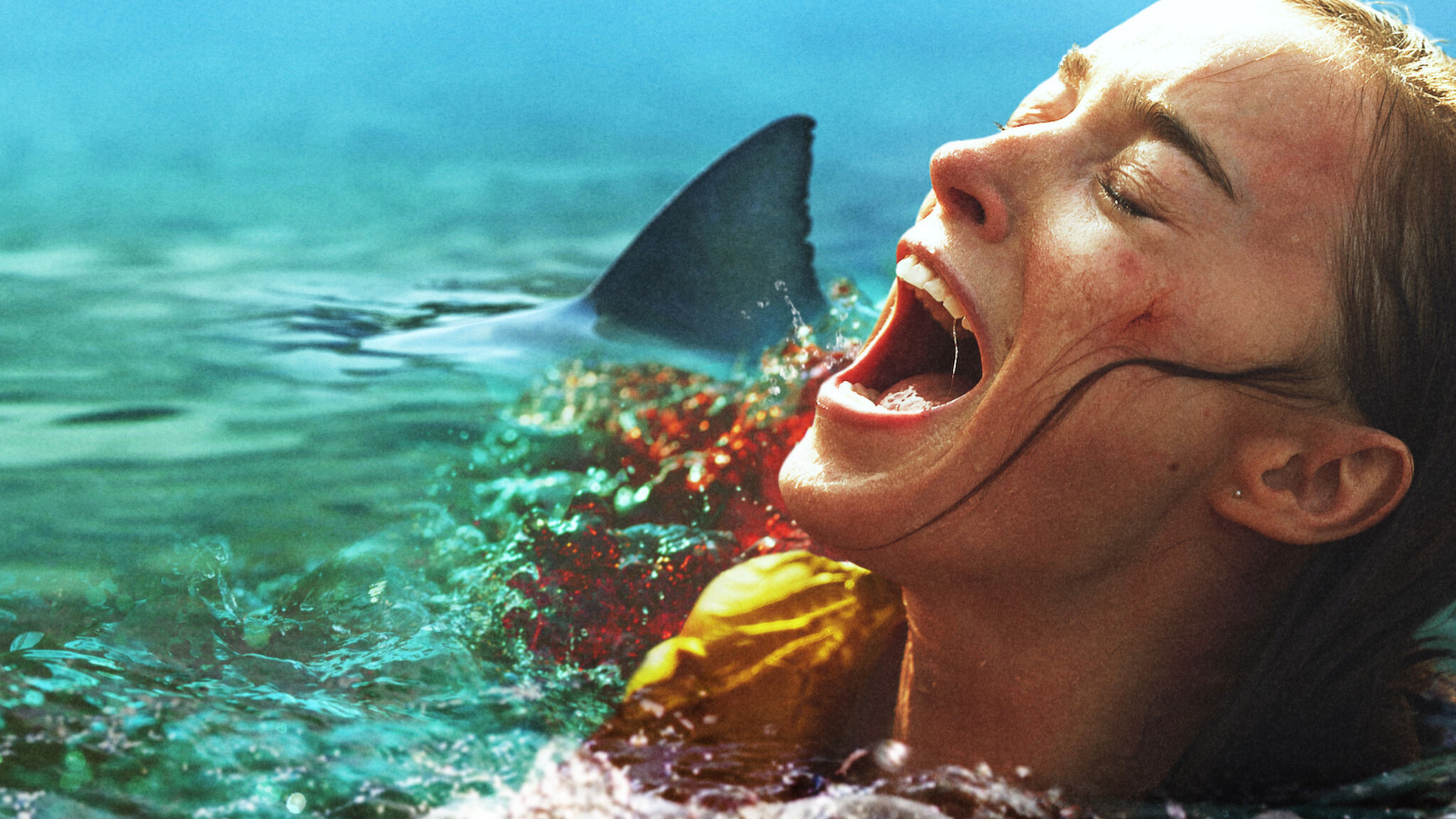
If being trapped in a category five hurricane wasn’t bad enough, Netflix decides that the cast of Thrash needs even more peril and adds a healthy does of shark attacks to their upcoming release. The press blurb reads: “When a Category 5 hurricane decimates a coastal town, the storm surge brings devastation, chaos…and something far…
-

That scream. I’d forgotten about that scream. The one where a man’s soul seems to have been wrenched from his body as the realisation of what has just happened hits him square in the face. The door slams. Then utter blackness. The credits start to roll, and underneath it all, there is still that scream.…
-

There’s a moment in the new trailer for They Will Kill You where one of the characters says: “Come on guys, it’s just one girl.” It just so happens that his one girl is Zazie Beetz who is in the middle of murdering the shit out of every Satanist she comes across, in unique and…
-

If horror movies have taught us anything, it’s never go to any hotel, anywhere in the world, for any reason whatsoever. The Shining, 1408, Psycho for gods sake, if these aren’t signposts that say ‘Turn back, go home, and lock yourself in your bedroom’ then I don’t know what is. It appears, however, that Adam…
-
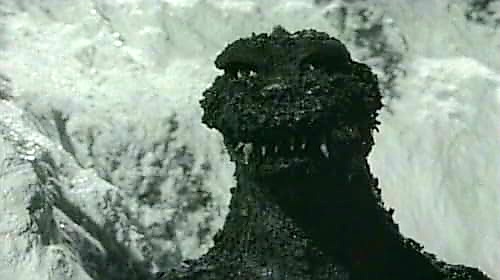
Forget the neon-drenched, hollow-earth acrobatics of the 2020s for a second. To truly understand the transformation of the King of the Monsters from political warning to arse whupping badass, we have to travel back to 1955. Just one year after the original dropped like an atomic bomb on global cinema, Toho gave us Godzilla Raids…
-
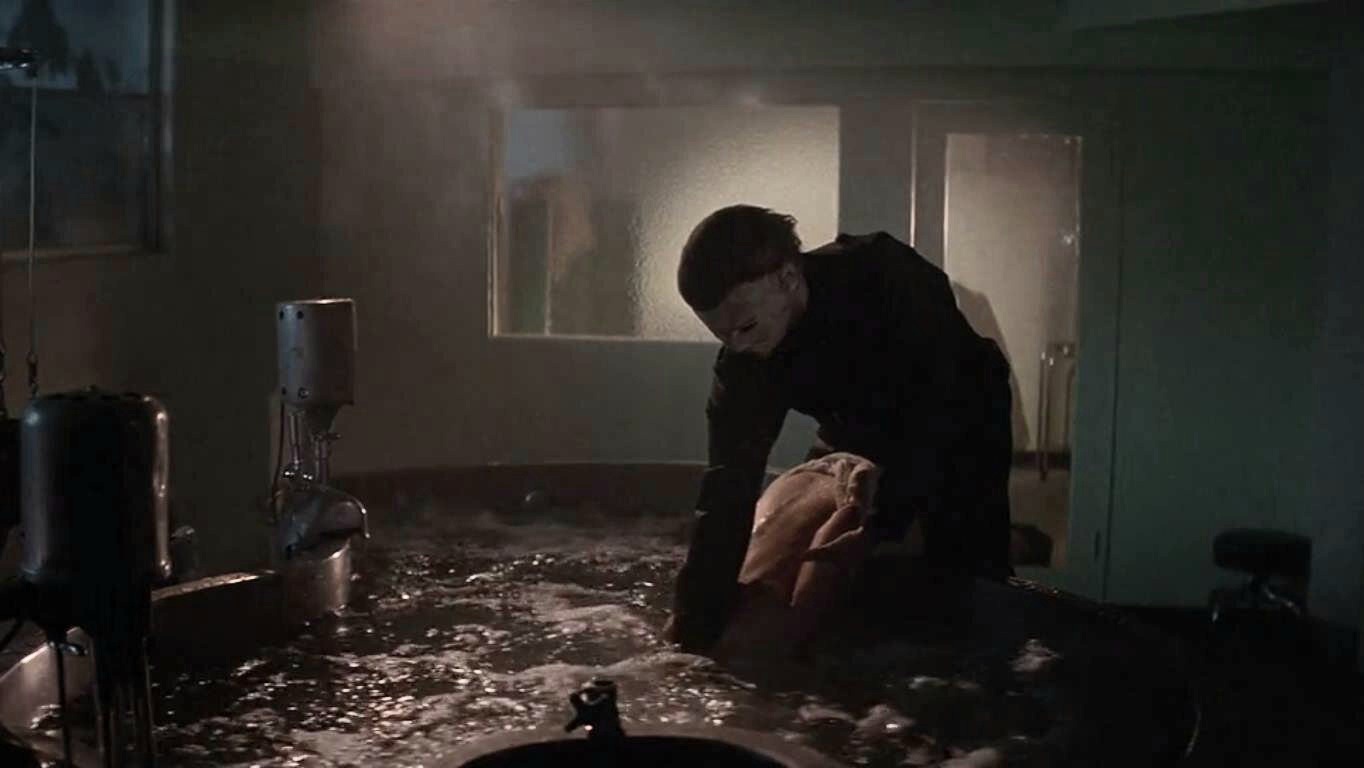
Forget the modern reboots for a second. Strip away the tangled timelines and the increasingly elaborate explanations for why Michael Myers just won’t stay dead .If you want to understand the moment early-80s horror changed gear, when the slow tension of the 70s gave way to the bloodier energy of the slasher boom, you have…
-
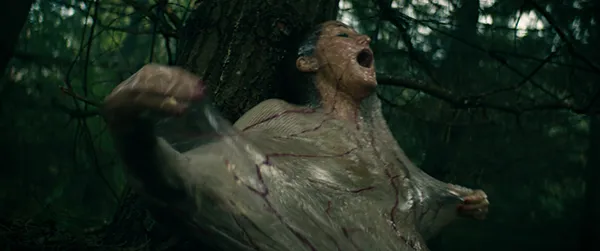
There are certain ways to sell a movie to me. You can have giant Cthulhu like monsters in it, you could mention that it is inspired by H.P. Lovecraft, or you could have a line in the trailer that states: “Oh wow, this is straight out of a fucking slasher movie.” The Daemon has all…