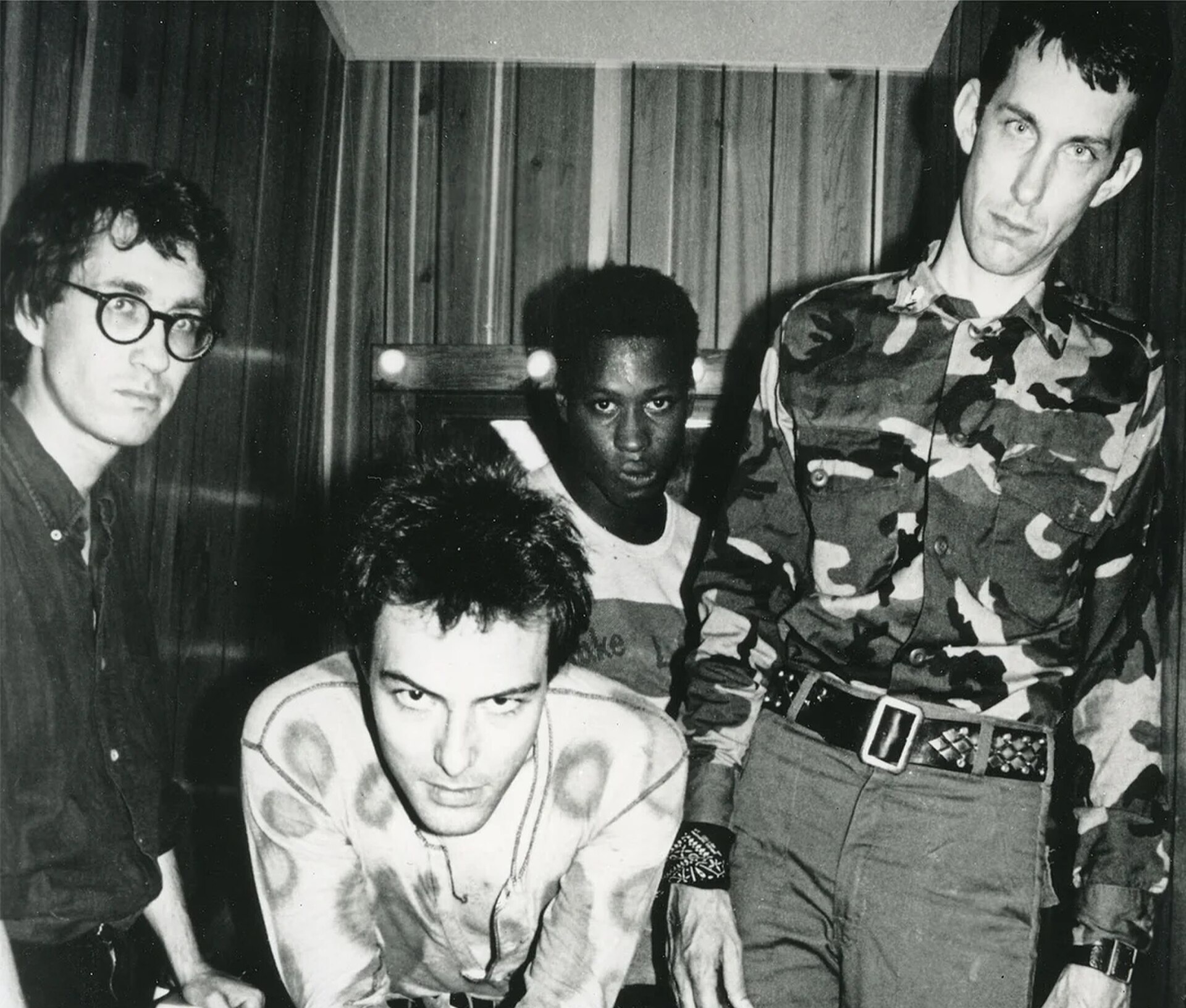
There was a time when Alternative music didn’t feel like a lifestyle brand.
It felt like a threat.
Not in the pearl-clutching ‘this music is corrupting the youth’ way politicians loved wheeling out every few years like a dusty Halloween decoration, but in the sense that these bands genuinely seemed disconnected from the normal rules of behaviour. They were chaotic, confrontational, weird, self-destructive, funny in all the wrong ways, and often looked like they’d wandered onto the stage after surviving a small-scale riot.
And people loved them for it.
Somewhere between corporate festival culture, algorithm-approved rebellion, and Punk bands selling anarchy coffee mugs online, a lot of that danger disappeared. Modern Alternative music still produces great bands, obviously, but very little of it feels genuinely unstable anymore. Even the chaos is often carefully packaged. Marketed chaos. Safe danger. The musical equivalent of buying a pre-ripped leather jacket from a fashionable shop.
But there was a period, roughly from the late 70s through the early 90s, where underground music genuinely felt like it was mutating in real time.
And nobody knew what the hell was coming next.
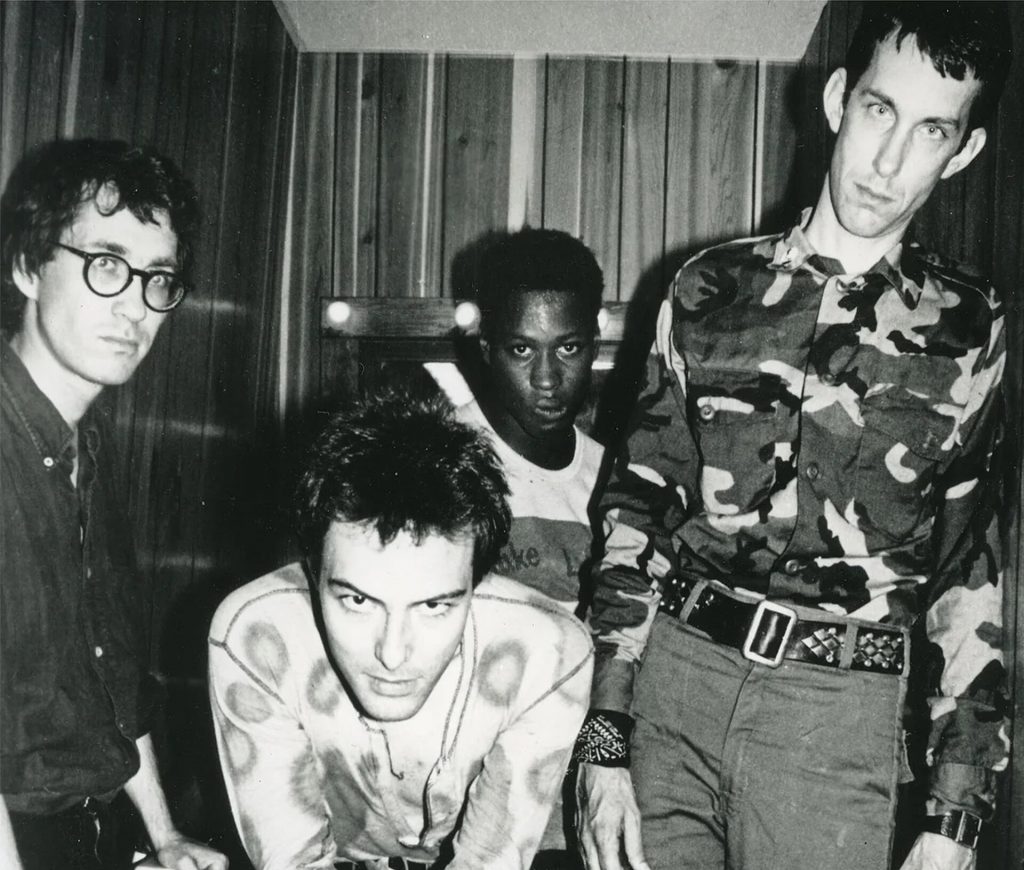
Dead Kennedys: Punk as a Weapon
If you want to understand dangerous Alternative music, you start with the Dead Kennedys.
Not because they were the heaviest band. Not because they were the weirdest. But because they understood something crucial:
Punk works best when it’s annoying.
Not fashionable annoying. Not ‘look at our edgy TikTok marketing campaign’ annoying, but truly irritating. The kind of irritating that makes authority figures visibly tense.
Everything about thr Dead Kennedys felt hostile: the sarcastic sneer, the breakneck speed, the surf-punk-from-hell guitar work, and the political lyrics that attacked everyone in sight.
Most importantly, they sounded intelligent without sounding academic, and that’s a difficult trick. Plenty of political bands disappear up their own backsides and start sounding like university lectures with distortion pedals attached. The Dead Kennedys never did.
Songs like Holiday in Cambodia and California Über Alles didn’t feel like carefully focus-grouped protest music. They felt dangerous because they were mocking systems openly and aggressively during an era when mainstream America was becoming increasingly polished, conservative, and media-controlled.
Then there was Jello Biafra himself, who looked less like a rock star and more like a sleep-deprived conspiracy theorist who had accidentally wandered into a Punk band rehearsal and decided to stick around.
That unpredictability mattered.
You got the feeling that anything could happen at a Dead Kennedys show: arguments, riots, revolution, there was always the sense that you were on the verge of something unique that would fuck the system.
Some modern punk still has the anger, but the Dead Kennedys had instability, and that was the difference.
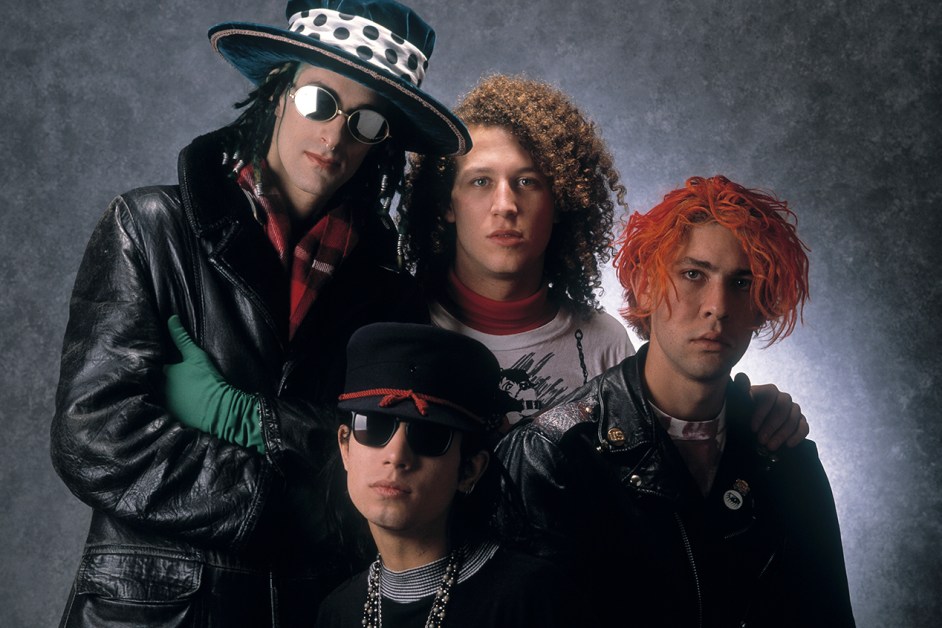
Jane’s Addiction: The Beautiful Collapse
Then came Jane’s Addiction, who somehow managed to fuse Art-Rock weirdness, Glam Sleaze, Metal energy, and Underground Culture into something that looked like it shouldn’t survive contact with the mainstream.
And yet it did.
Barely.
Jane’s Addiction felt dangerous for a completely different reason than punk bands like Dead Kennedys. They weren’t aggressive in the same direct political sense, instead they felt dangerous because they embodied excess.
Everything about the band looked unstable: the occult-ish aesthetics, the drug-drenched atmosphere, the mix of beauty and filth, and Perry Farrell looking like a carnival prophet broadcasting from another dimension.
When you listen to albums like Nothing’s Shocking or Ritual de lo Habitual now, they still sound oddly unfiltered. There’s Funk in there, Metal, Psychedelia, Goth atmosphere, Art-Rock experimentation, all mashed together with the confidence of people who genuinely did not care whether radio understood them.
That’s what made them important.
Alternative music before the 90s explosion wasn’t a clearly defined genre yet. Bands were still mutating and still evolving in public. Jane’s Addiction sounded like the exact moment Underground Culture realised it could become enormous without having to become normal.
Of course, the irony is that the Alternative explosion they helped create eventually smoothed out many of the rough edges that made bands like them interesting in the first place.
Classic alternative story, really:
Create something dangerous, and watch the industry turn it into a T-shirt at a shopping centre.
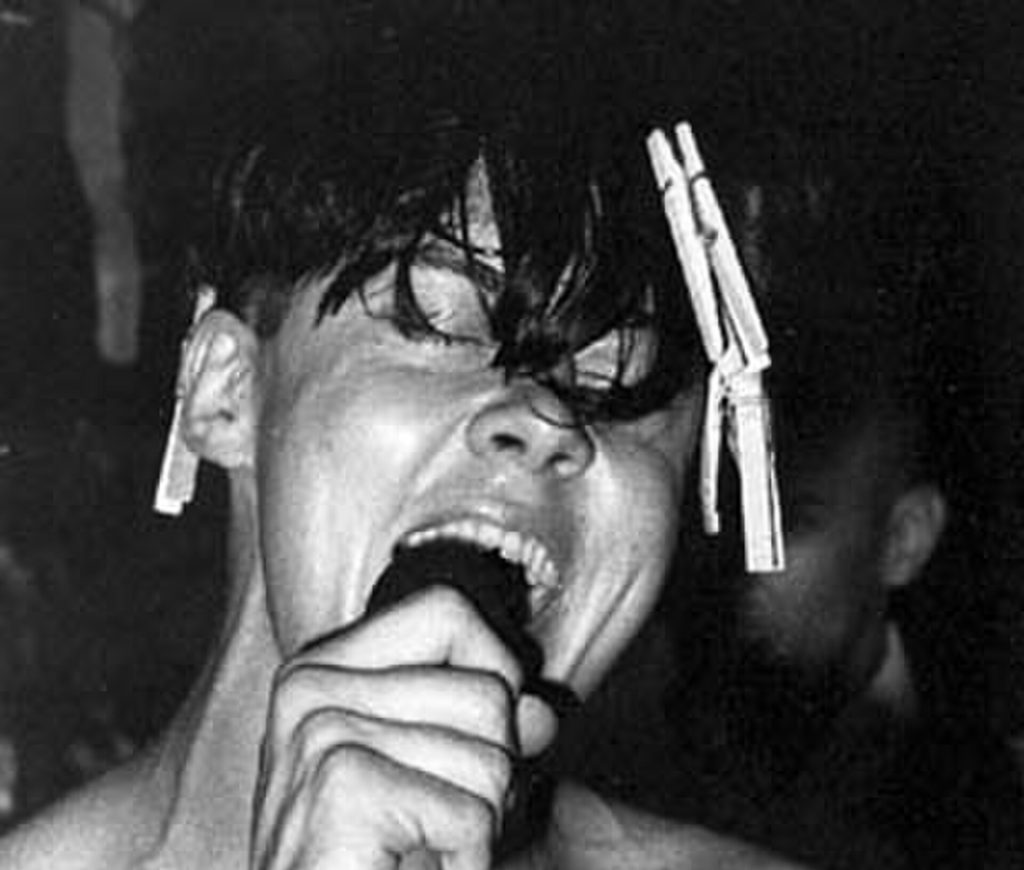
The Butthole Surfers and Complete Musical Anarchy
Then there were Butthole Surfers, and even in this beautiful madness we occupy there was nobody like The Butthole Surfers, who operated less like a conventional band and more like somebody had trapped a psychedelic nightmare inside a rehearsal room.
Trying to explain the Butthole Surfers to someone who has never heard them is almost impossible because the band seemed actively opposed to coherence. Trust me here, I have tried on more than one occasion.
Noise Rock, Punk, Psychedelia, Industrial, samples, tape experiments, and pure nonsense somehow all worked together.
But what made them feel genuinely dangerous wasn’t just the music. It was the sense that the band themselves might not entirely understand what they were doing from one night to the next.
Stories about old Butthole Surfers performances still sound fake: projected medical footage, strobe-light insanity, partial nudity, full nudity, audiences either mesmerised or deeply uncomfortable, and entire gigs descending into sensory warfare.
This wasn’t rebellion as branding, this was art made by people who seemed fundamentally uninterested in behaving like normal, rational human beings.
And god bless them for it.
The Underground audience responded because its culture has always been drawn toward authenticity, even ugly authenticity.
Especially ugly authenticity.
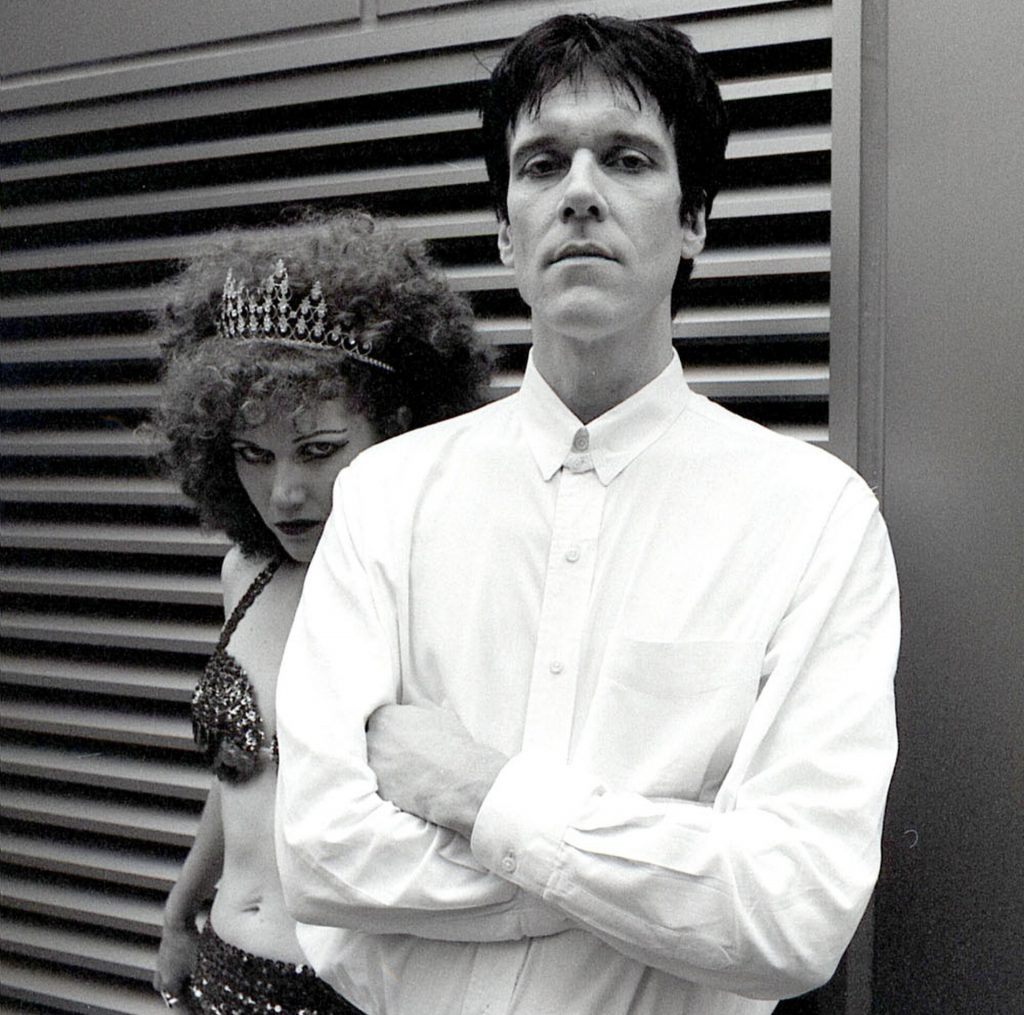
The Cramps and The Cult of Trash
I’ve said it before, and I’ll say it again:
If you don’t like The Cramps, we can’t be friends.
Before retro became a something to slap on merchandise, The Cramps were digging through the garbage of American pop culture and turning it into something gloriously diseased.
Rockabilly, horror movies, B-movie trash, sleaze, Surf Rock, and exploitation cinema all got thrown into the blender. This is because The Cramps understood that bad taste could become its own art form if you committed hard enough.
That’s important, in a fucking biblical kind of way, because underground music often thrives on cultural recycling. The difference is that bands like The Cramps recycled things because they loved them obsessively, not because nostalgia tested well with focus groups.
Their music sounded like midnight movies, broken neon signs, sticky cinema floors, and drive-in theatres where something illegal was happening behind the screen.
And more importantly, they made trash culture feel sacred.
That influence spread everywhere, bleeding into Psychobilly, Garage Punk revivals, Horror Punk, and Underground Alternative aesthetics in general.
Without bands like The Cramps, huge sections of Cult Music culture simply don’t happen.
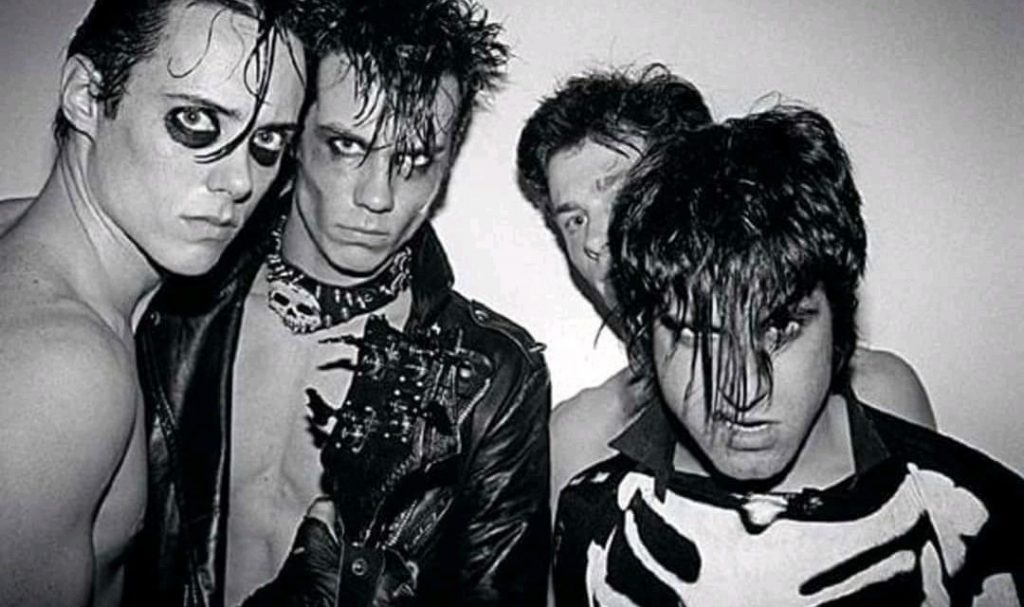
The Misfits and Horror as Identity
The Misfits took everything lurking in horror cinema and injected it directly into Punk Rock. The Misfits looked less like a traditional Punk band and more like a gang of undead greasers that had clawed their way out of a drive-in graveyard.
The genius of the Misfits was that they understood horror and Punk came from the same place: outsider culture. Cheap thrills. Moral panic. Fast, loud entertainment designed to upset respectable people.
While other Punk bands focused on politics or social collapse, the Misfits turned horror movies into a full-blown identity, and underneath the imagery, the music itself was relentless. Short songs with huge hooks and buzzsaw guitars. Everything delivered with the speed and energy of a band that sounded like it might disintegrate halfway through the set.
That’s what made the Misfits important. They weren’t parodying horror culture. They genuinely lived inside it.
The strange thing is that when the Misfits eventually became iconic that people forgot how weird they originally were. Modern audiences see the Crimson Ghost logo on T-shirts sold in shopping centres and assume they were always part of pop culture.
They weren’t.
At their peak, the Misfits made fuck all money and felt like forbidden music performed by people who had consumed too many VHS tapes and decided civilisation was optional.
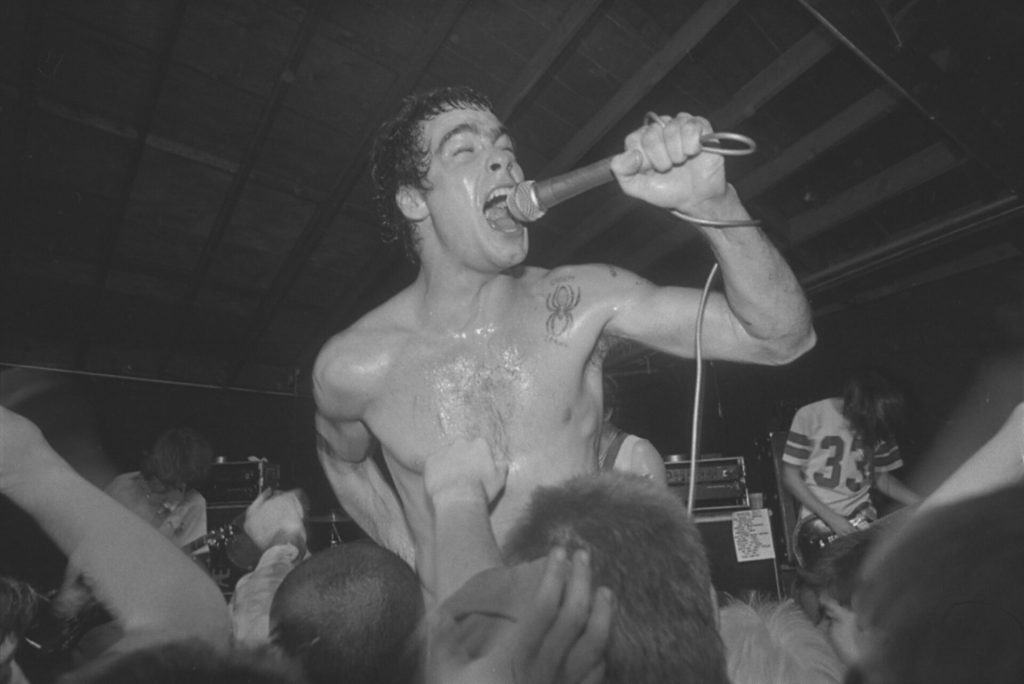
Black Flag and the Violence of DIY
You can’t talk about dangerous underground music without Black Flag. Black Flag didn’t just sound aggressive. They made the entire process of being in a band seem physically punishing.
Relentless touring, constant conflict, tiny venues, equipment disasters, violence at gigs, and complete burnout became part of the mythology surrounding the band.
Listening to Black Flag records still feels claustrophobic. There’s this suffocating tension running through songs like the band are trying to force themselves through the speakers by sheer aggression alone.
And again, sincerity mattered.
Nothing about Black Flag felt market-tested. It felt necessary.
That’s a huge difference between classic Underground Culture and modern imitation. Older bands often behaved like making music was survival, because it fucking was. Modern alternative culture sometimes feels more like content production.
The Moment Alternative Became Safe
Eventually, of course, the mainstream figured out there was money in all this noise.
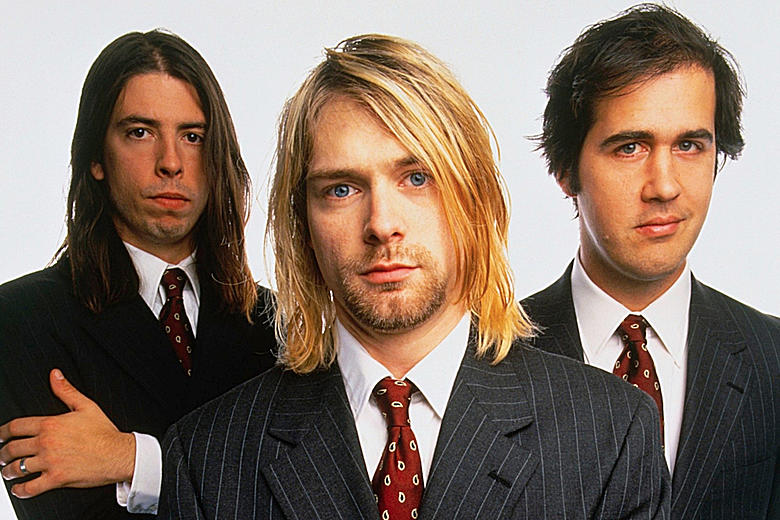
Alternative music exploded commercially in the 90s through bands like Nirvana, Pearl Jam, Soundgarden, and Nine Inch Nails, and while many of those bands were fantastic, the industry quickly learned how to package rebellion safely.
That’s the cycle. The Underground creates something unpredictable. The audiences connect with it. The corporations notice. And rebellion suddenly becomes a genre category.
By the late 90s and early 2000s, alternative often just meant rock music with slightly darker clothes.
The danger had been absorbed into branding.
Why People Still Crave Dangerous Music
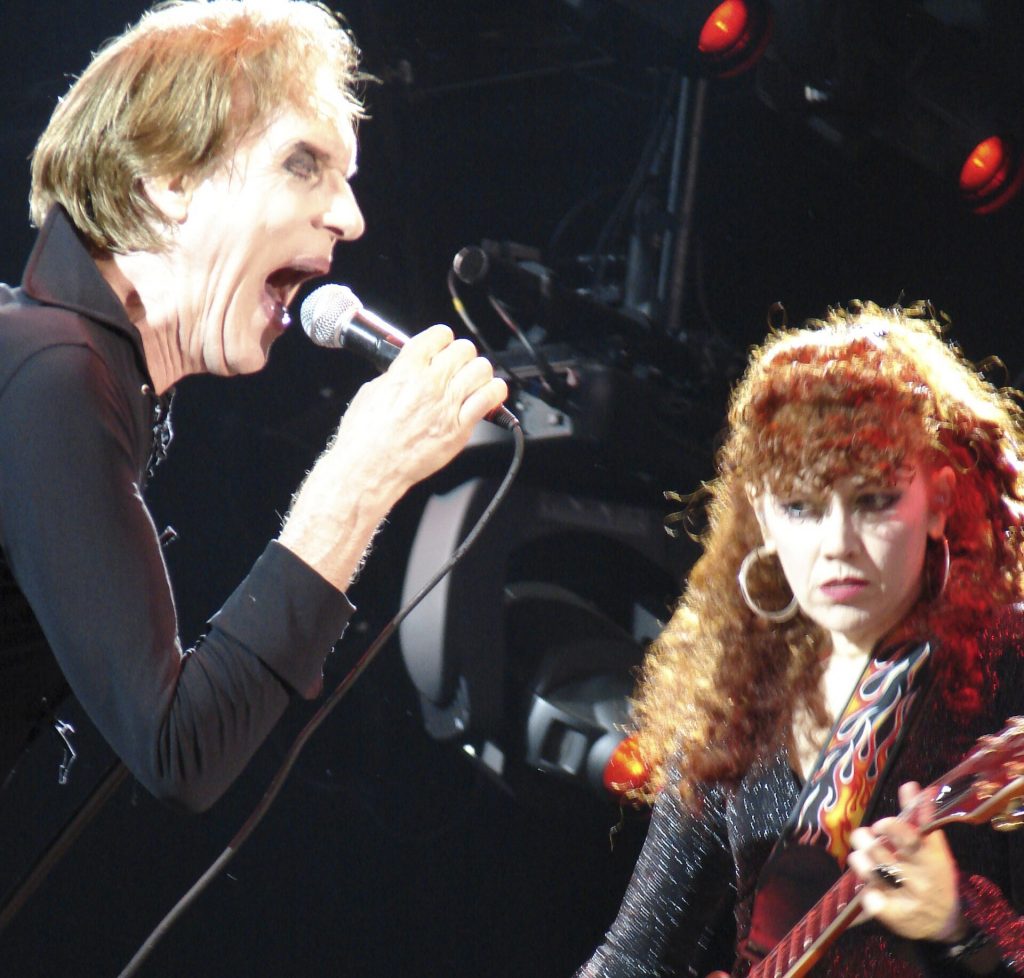
The reason audiences still obsess over these older bands isn’t just nostalgia. It’s unpredictability.
Modern culture is hyper-documented, hyper-visible, and hyper-managed. You can watch interviews, livestreams, behind-the-scenes footage, studio diaries, social media updates, and promotional campaigns before an album even releases. By the time many bands arrive, they already feel explained.
Older underground bands often arrived like transmissions from another planet. You didn’t fully understand them. That uncertainty made them magnetic.
And honestly? Some of them genuinely were dangerous: self-destructive behaviour, confrontational politics, chaotic performances, violent audiences, addiction, and complete instability.
Not dangerous in a cute retro way. Dangerous in a ‘this could genuinely go wrong tonight’ kind of way.
That is hard to recreate artificially because audiences can smell manufactured chaos immediately.
The good news is that underground culture never disappears completely. It just mutates. You still find flashes of genuine unpredictability in Noise scenes, Extreme Metal, experimental Punk, DIY Hardcore, and underground electronic music. The difference noe is scale.
Back then, alternative culture occasionally felt like it might actually overtake the mainstream entirely. Now it exists more like scattered cult cells operating underneath the surface.
Maybe that’s healthier.
The moment underground culture becomes too visible, something strange happens:
it starts playing at rebellion instead of living it.
The real reason bands like Dead Kennedys, Jane’s Addiction, Butthole Surfers, Black Flag, The Misfits, and The Cramps still matter is because they remind people of a time when alternative culture wasn’t fully mapped out yet.
Nobody knew where it was going. There were no algorithms guiding listeners toward similar artists. No streaming services carefully flattening scenes into playlists with names like Punk Energy Vibes.
You found these bands accidentally.
Or through obsession.
Or through somebody handing you a tape that looked like it had survived a house fire.
And once you found them, they felt like secrets. Dangerous secrets. Sadly, that feeling is rare now.
But every once in a while, if you dig deep enough into Underground Culture, you still catch glimpses of it: a genuinely unstable live act, a record too weird to market properly, a scene built entirely through word of mouth, or music that still sounds like it doesn’t care whether you understand it or not.
And honestly?
That’s where the good stuff will always live.
Leave a Reply