Dracula: The Creature of the Night
In today’s world, vampires are taken for granted in horror. We see them in movies, play them in games, and read about falling in love with them in books, but this wasn’t always the case. Bram Stoker published Dracula in 1897, a successful and widespread book; before that vampire stories were rare. Before Stoker gave the world Count Dracula stalking the streets of London most vampire stories described wild beasts hunting in the night. Stoker’s story gave them manners, charm, and sex appeal.
The book was adapted into a stage play in 1924 and revived on Broadway in 1927, and it was a hit. Crowds gathered to see, what was called in those days, “the scariest play of all time.” Back then successful plays would often become movies, and with the new addition of sound Broadway was the place to find the next big hit. Dracula wasn’t a musical but Universal Pictures quickly grabbed up the movie rights. Little did Universal know that they had just started their own collection of monsters, one that still creeps around the studio to this day.
The Director
As a veteran horror director of the silent era of movies, Tod Browning was chosen to direct Dracula. Known for movies like Freaks and the now lost London After Midnight, Browning was an early pioneer of horror cinema. His films were known for tension, clever camera movements, and horrifying visuals. Even now the sight of Lon Chaney in London After Midnight is unsettling and disturbing.
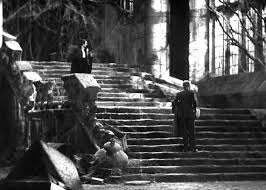
Even with Browning’s full list of accomplishments, Universal wasn’t fully convinced the movie would be a box office success and gave him only $350,000 to make the film. ($7.2 million inflated to current values.) This small budget didn’t hinder Browning and his team at all. The sets, cinematography, lighting, and surprisingly large amount of outdoor shots for the time look amazing. It is clear as you watch the film that care and effort went into making the movie look as good as possible.
Count Dracula and the Rest
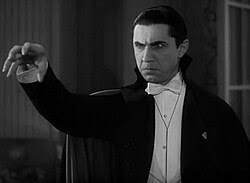
Count Dracula is famously played by Bela Lugosi, so much so that when people think of vampires, something like his portrayal probably comes to mind. Lugosi had played the character in the Broadway revival of the show and immediately was asked to sign on for the movie, and it’s not hard to quickly see why. From the moment he first appears on screen, you know this is his movie.
Lugosi commands the space and your attention with slick almost gliding movements, giving the character an other worldly feeling of grace. His voice is commanding but also has the ability to make you lean closer, as if every word he says will be important. His eyes make you want to turn away and yet you can’t stop looking deep into them.
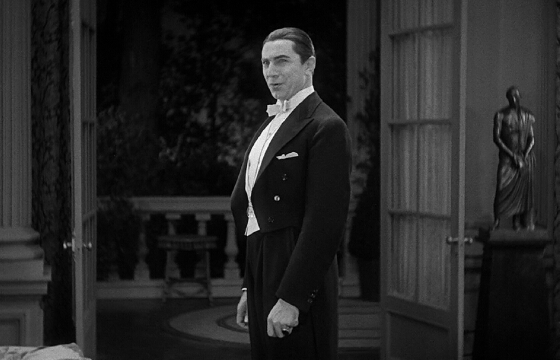
The one surprising thing from this portrayal of Dracula is how much he smiles. Normally we think of vampires as violent and rude goths, but Lugosi gives Dracula a lot of charm. He’s a gentleman and a noble, he’s one of the elite of high society. This gives an even bigger sense of menace to many scenes, as we know how much danger other characters face in the presence of this smiling, almost jovial man. With all this added together, when Bela Lugosi speaks the line, “I am Dracula,” you know that it is true.
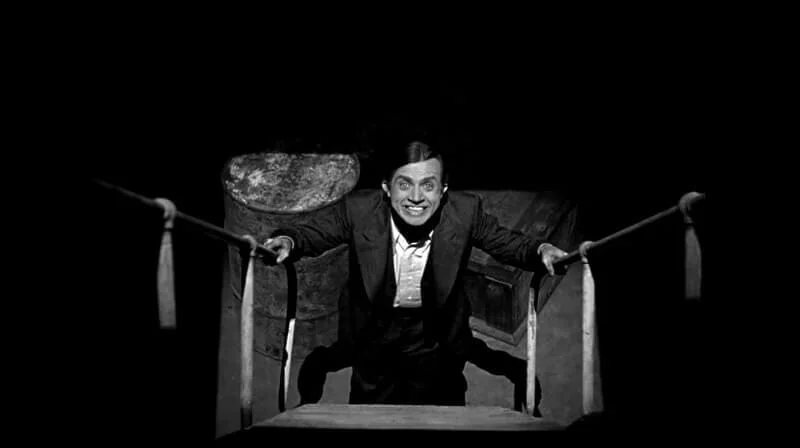
The rest of the cast give excellent performances, with each actor slotting nicely into their parts. Dwight Frye especially brings an impressive performance as Dracula’s real estate agent turned mad servant named Renfield. Frye brings a sort of desperation to the character that could almost be sympathetic, but then can turn on a dime into the raving lunatic almost gleefully recounting his murders.
The Plot
The film starts with Dwight Frye’s Renfield traveling to Transylvania to meet with Count Dracula. Dracula wants to move to London and has already picked out a home named Carfax Abbey. Once the legal documents are signed, Dracula bites and hypnotizes Renfield to protect him on the long journey to his new home.
Dracula arrives in London with a now insane Renfield, who is locked in an asylum next to Carfax Abbey. Dracula joins the ranks of the higher society quickly, all while hunting women in the streets, but Dracula sets his sights on high class prey. Mina, the daughter of the asylum’s manager, is that prey. Every night she is visited by Dracula, slowly falling under his control.
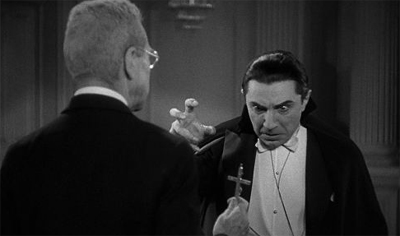
Eventually Dracula’s true identity is revealed to everyone, and he flees to his coffin before sunrise. Mina’s fiancée and a visiting doctor, Doctor Van Helsing, give chase and slay Dracula, releasing Mina from his control. She and her fiancé ascend the Abbey stairs into the sunlight to finish off the run time.
Legacy
Dracula was the start of what is now known as the Universal Monster Cycle. Universal began releasing new monster and creature films rapidly, and many of those films went on to become horror classics. Other studios began to copy Universal in releasing their own horror movies. Dracula started the age of monster cinema.
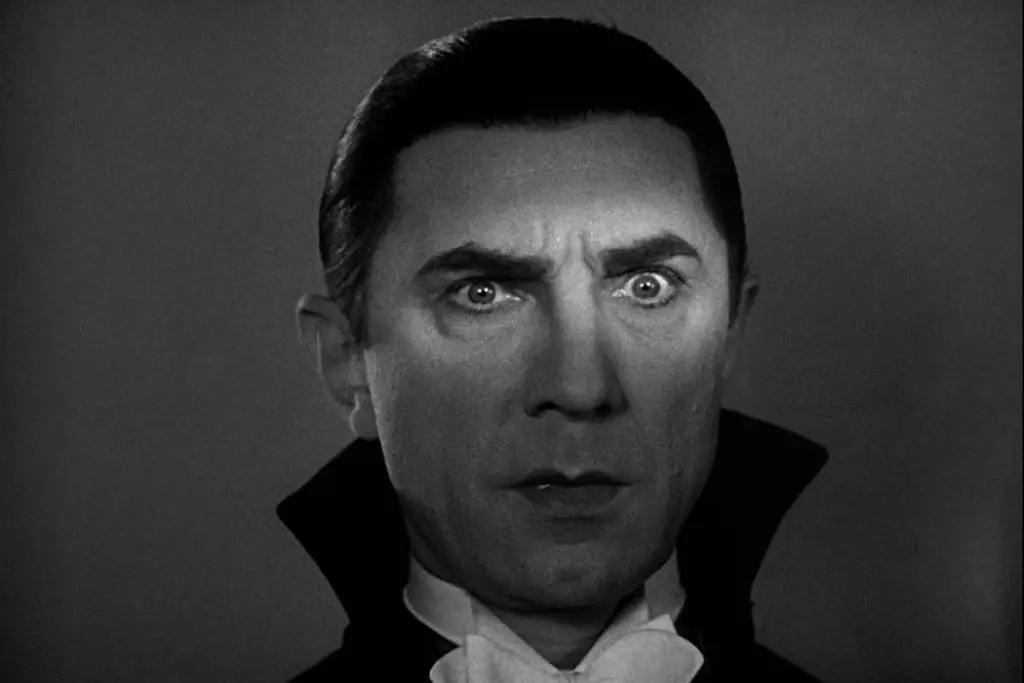
It also started the film career of Bela Lugosi, an actor recognized as a horror icon. Though his career was haunted by bad contracts and financial difficulties, Lugosi was always able to find work based on his name alone. His portrayal not only gave him a Hollywood career, but also set the standard of how vampires would look and act for years to come.
A Lesson of Horror
Dracula and many other vampire tales are often compared to stories of sexual assault or sexual awakening as it can be a good analogy for those issues. I think two issues are overlooked in vampire media that Dracula briefly touches on.
One being the slow possession of evil. We see Renfield and Mina both being transformed against their will. Renfield has reached the point of being too far gone, with Mina’s soul hanging in the balance. We see that this isn’t a willing process, with both characters lamenting the actions Dracula has forced them to take, and knowing that it can only lead to death.
Another issue that isn’t looked at often is the issue of class. In the film Dracula kills several women in the streets. These dead women were lower class women, with the only seen victims being a woman selling flowers for pennies. These unusual deaths are looked at as curious incidents that should be studied, but not taken too seriously- that is until Mina and her noble family are targeted by Dracula. That is when these high born characters and doctors begin to actively investigate and try to solve the problem. A most likely unintentional, but interesting analogy that can be made.
Personal Horror
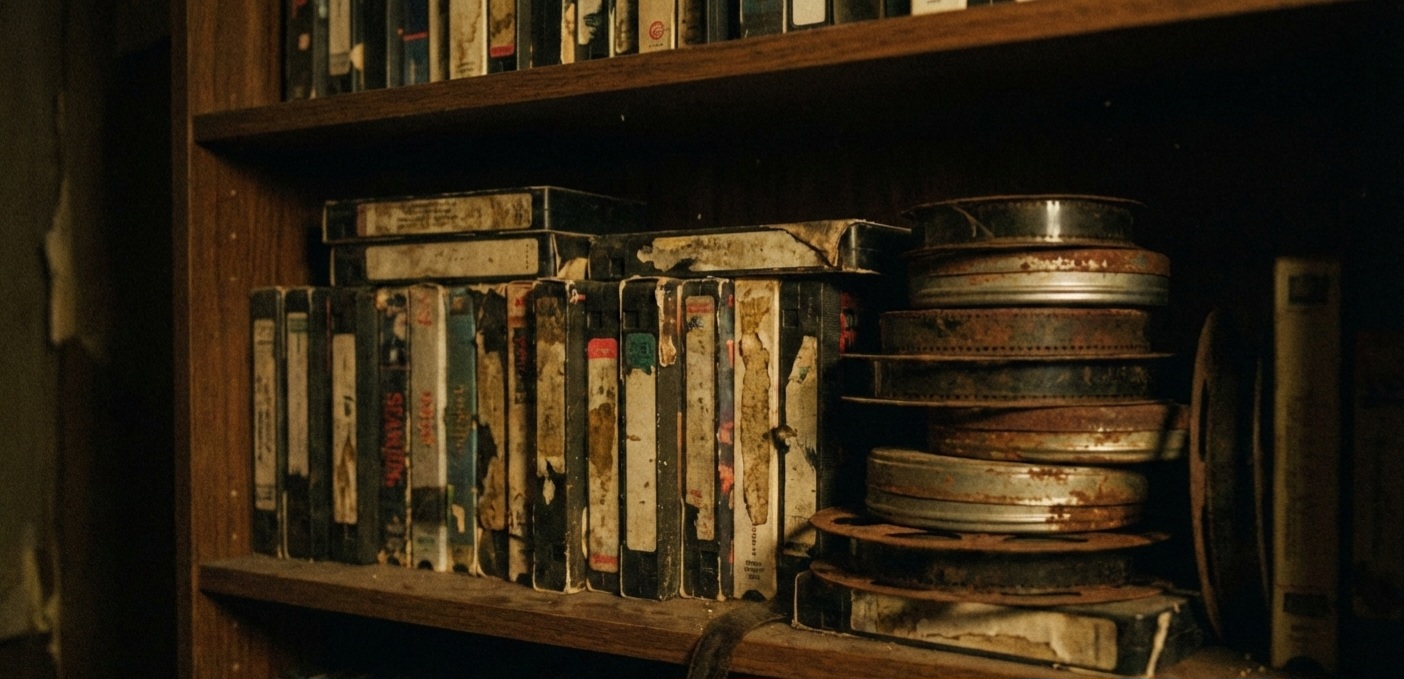
Dracula has always been part of my life. It’s one of my father’s favorite movies. I remember watching our old VHS tape of the movie. I couldn’t appreciate the fine acting and storytelling being done at a young age, only that Dracula was a scary man. Now that I’m older and I can acknowledge how technically and artistically the care is that went into this movie, not only can I safely say it deserves the respect and credit as a horror classic, but now it is one of my favorite movies too.
Thanks for reading.

Leave a Reply to Stone Cancel reply