Somewhere along the line, Grindhouse stopped meaning dangerous cinema and started meaning Instagram filter + ironic mustache energy. You know the type: artificially distressed footage, Tarantino cosplay, and jokes about exploitation without any actual bite. It’s cinema wearing a leather jacket it bought from a fancy boutique, clean stitching, no blood stains, and absolutely no smell. But real Grindhouse? Real Grindhouse is supposed to feel like you need a shower and a tetanus shot after watching it. So the question becomes: does modern cinema still understand Grindhouse, or has it just been acting like it for twenty years? Surprisingly, there are a few films out there still sweating, bleeding, and screaming in the right direction. Let’s dig them up.
What Grindhouse Actually Was (Before the Aesthetic Ruined Everything)
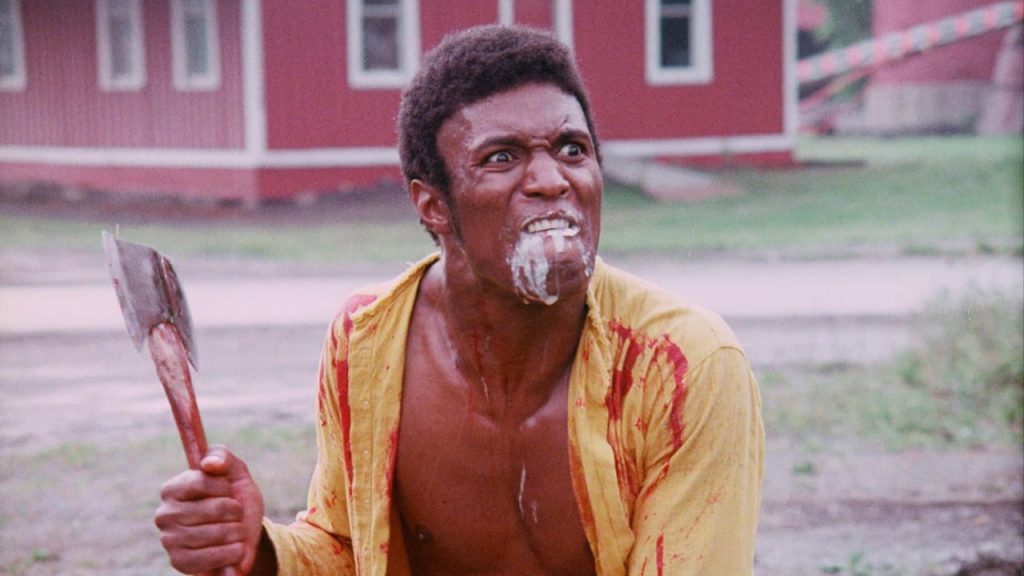
Before it became a branding exercise, Grindhouse cinema was low-budget exploitation films shown in decaying urban theaters, programmed back-to-back with zero respect for coherence. It was violence, sex, absurdity, and shock as the primary selling point. These films were made fast, cheap, and often by people who were completely unhinged. It wasn’t about homage; it was about survival through excess. That’s the key thing modern films often miss. Grindhouse isn’t a style, it’s a total lack of restraint.
But where does that lack of restraint and good morals still exist today?
Hobo with a Shotgun (2011)
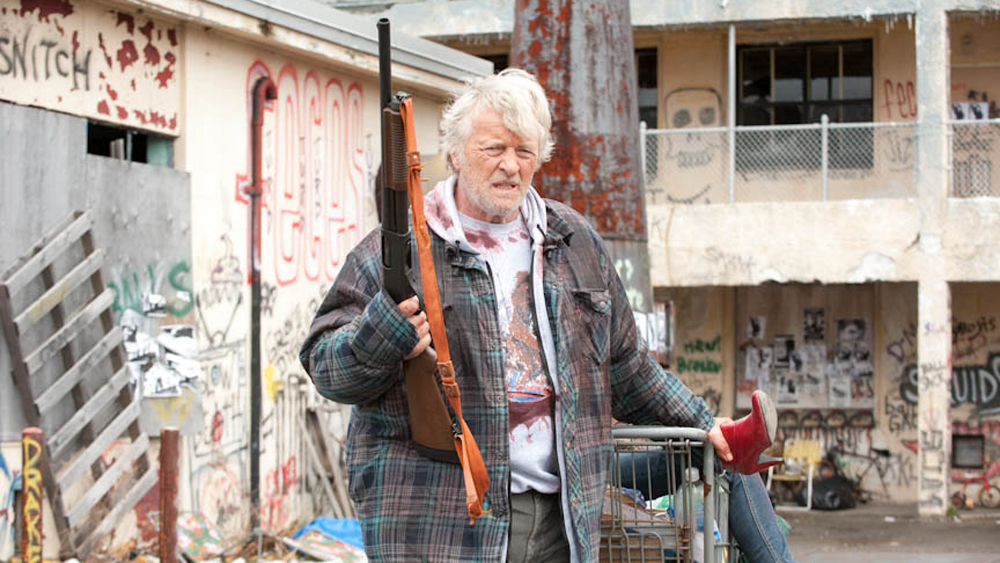
Let’s start with the obvious bruiser. A homeless man arrives in a corrupt city and decides the best solution to systemic rot is a shotgun and absolute rage. This film doesn’t whisper Grindhouse, it screams it through a broken megaphone while setting something on fire in the background. What it gets right is the exaggerated violence that borders on cartoon logic and a universe completely divorced from realism. Everything about this film feels like everyone agreed to go further than necessary. What makes it work is not nostalgia, it’s commitment. This isn’t referencing Exploitation Cinema; it is Exploitation Cinema, and it makes no bones about it.

The Machine Girl (2008)
This one feels like it crawled out of a VHS tape that was left in a puddle of industrial runoff. A schoolgirl loses her arm, replaces it with a machine gun, and proceeds to dismantle an entire criminal organization with the emotional range of a broken arcade cabinet. Yes, that sentence is real. It works because of the maximum overdrive energy from start to finish and practical effects that look like they were built in a shed full of bits of plastic, a few spray cans, and way too much fucking coffee. It has no interest in pacing, subtlety, or emotional realism. It follows pure escalation logic: every scene must be worse, or better, than the last. This is Grindhouse at its most honest, absurd violence delivered with complete sincerity. No wink, no apology, just momentum.
Turbo Kid (2015)
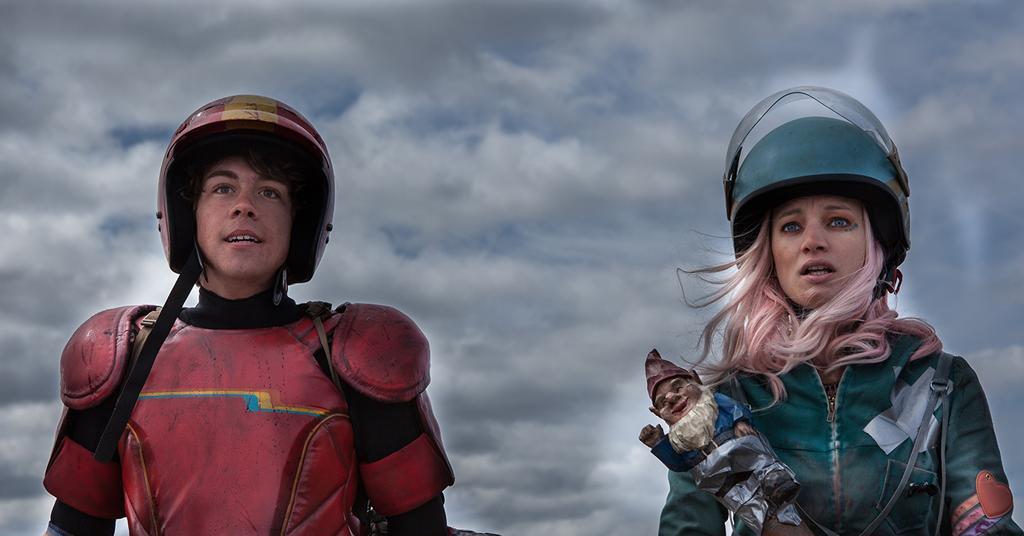
Now we shift tone slightly into something more polished, but still spiritually aligned with the underground. Set in a post-apocalyptic wasteland, a comic-book obsessed kid becomes a reluctant hero in a world that feels like it was built from rust, rubber tubing, and discarded BMX parts. On the surface, this looks too clean for Grindhouse. But underneath, the DIY energy and practical gore splatter aesthetic tell a different story. It works because it understands a crucial truth: Grindhouse isn’t just violence, it’s world decay presented as entertainment. This film is basically a love letter to that decay.
Mandy (2018)
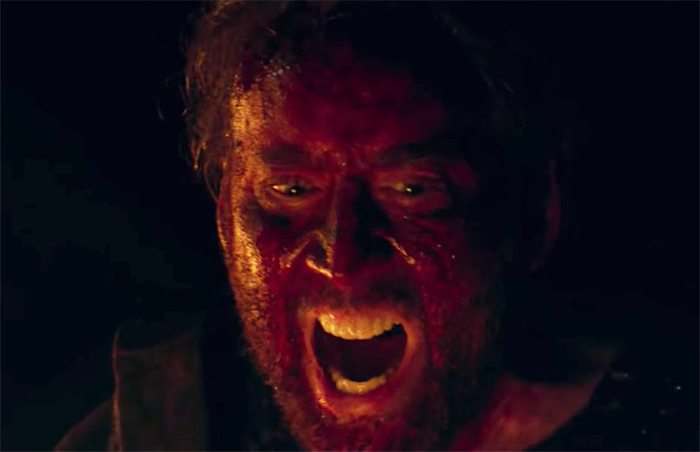
Now we get into the modern ritual cinema era. This is less Grindhouse in the traditional sense and more a case of “what if Grindhouse cinema took acid, joined a cult, and started painting everything in neon blood?” A lumberjack descends into a hallucinatory revenge spiral after a cult destroys his life. What makes it essential is the visual excess pushed into surreal territory and emotional simplicity filtered through madness. The scenes feel like Heavy Metal album covers brought to life, with Nicolas Cage doing whatever Nicolas Cage was genetically designed to do. This is Grindhouse filtered through dream logic. It shouldn’t work, but it absolutely does.
Death Proof (2007)
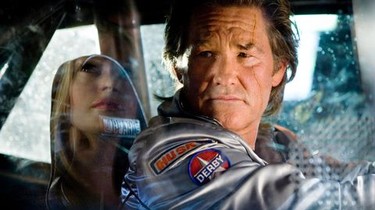
Yes, it’s Tarantino. Yes, it’s controversial in this context, but hear me out. This is one of the few modern films that actually understands structure as exploitation theatre. It’s slow, it’s repetitive, and it’s intentionally uneven. And then it snaps. The second half shifts tone entirely and becomes a revenge fantasy disguised as car carnage through pure stunt work brutality. Is it authentic Grindhouse? No. Is it an extremely studied reconstruction of Grindhouse energy filtered through a filmmaker who has watched too many VHS tapes? Absolutely. Think of it as Grindhouse by someone who knows exactly what made the best 70s movies tick like a bomb.
Fried Barry (2020)
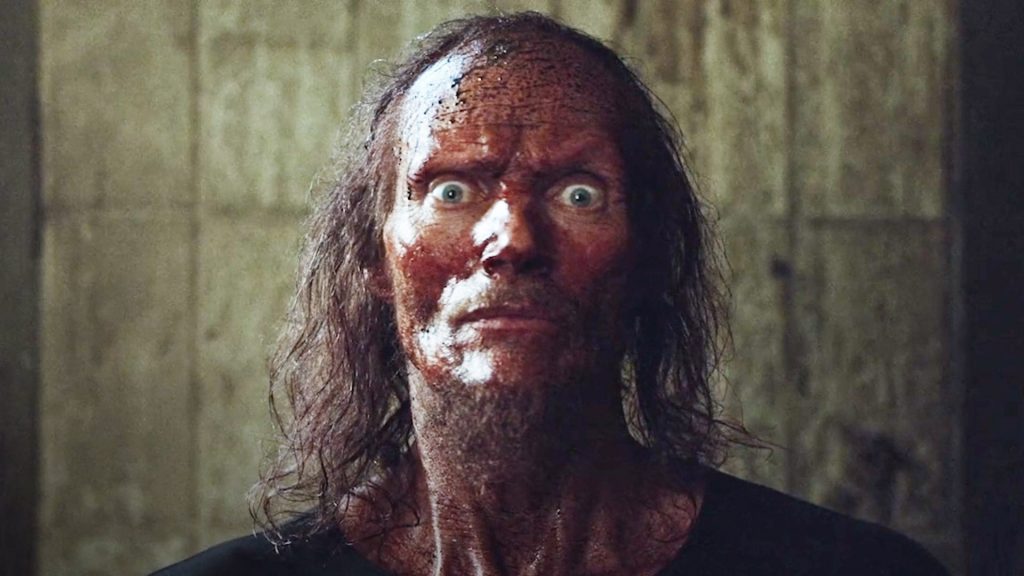
And finally, we descend into the real insanity of Grindhouse Cinema. A junkie gets abducted by aliens who use his body to explore human life. What follows is a grotesque, comedic, and violent wander through human behaviour as seen through something that does not understand it. This film is uncomfortable, surreal, and occasionally hilarious. It belongs here because Grindhouse was never just about gore; it was about disorientation as entertainment. It delivers that in spades, feeling like you’re watching someone channel surf through hell.

What Makes a Modern Grindhouse Film Real?
The dividing line is simple. Fake Grindhouse references Exploitation Cinema, uses film grain filters, adopts an ironic tone, and relies on self-aware dialogue. It’s a game of “we’re doing a thing you recognize.” Real Grindhouse is a commitment to excess, a total lack of giving a fuck what people think, and practical effects that feel genuinely dangerous, or at least stomach churning. The moment a film starts explaining itself, it dies. Grindhouse doesn’t explain; it attacks the screen and keeps going.
Why This Genre Keeps Coming Back
Outside of the fact that there are sick fuckers like me around, you mean? It keeps coming back because modern cinema is too clean. Everything is optimized, market-tested, and algorithm-approved. Grindhouse survives because it does the opposite. It asks, “what if we didn’t optimize this at all?” And weirdly, audiences keep responding to that. Deep down, people don’t just want polished horror or sleek action. They want mess, danger, unpredictability, and something that feels like it might fall apart mid-scene.
Final Thought: The Grindhouse Mirage
Modern Grindhouse is split into two camps. You have the tribute films that are clean and referential but slightly hollow, and the Grindhouse films that are extreme, and honest. The second category is where the real cinema still lives. Grindhouse was never about aesthetics; it was about refusing to behave. The moment cinema stops behaving, even slightly, is when it gets interesting again. If you strip away the nostalgia, the filters, and the retro branding, the real Grindhouse spirit still exists. It just doesn’t announce itself anymore. It shows up in chaotic indie films and extreme cuts that refuses moderation. If you know where to look, it’s still bleeding all over the screen.
Leave a Reply