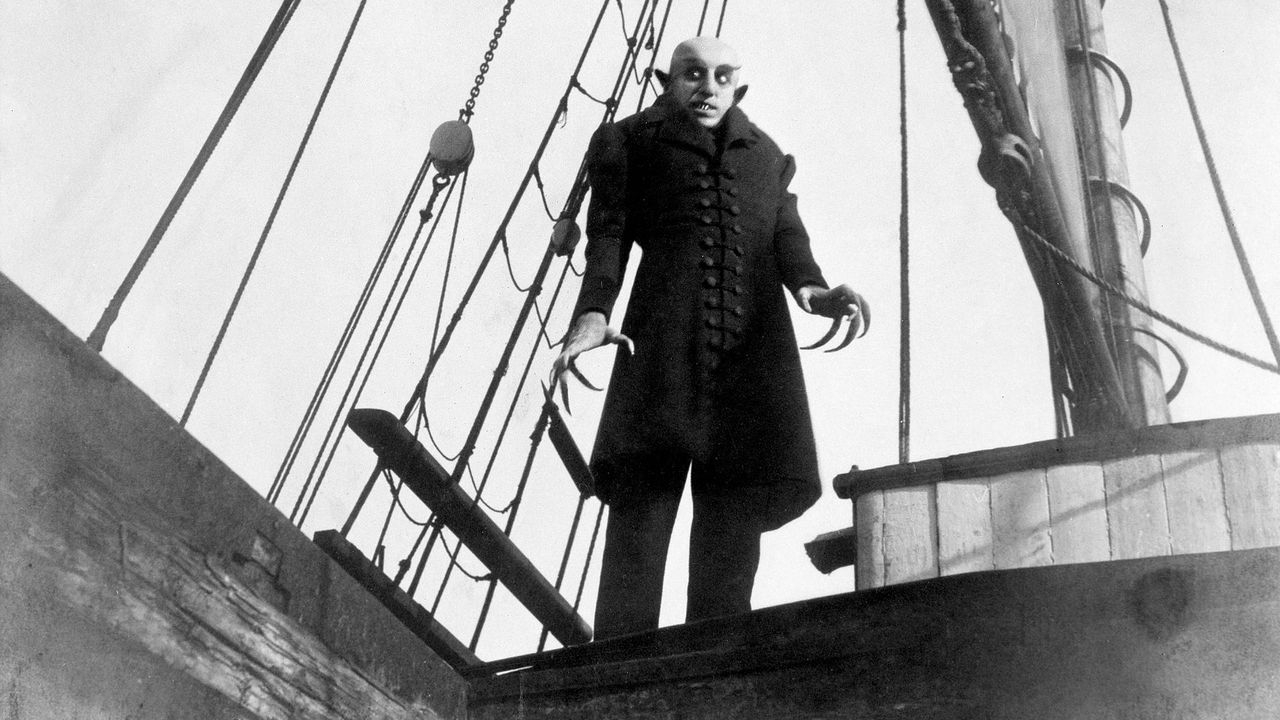
Robert Eggers’ latest take on the classic vampire film Nosferatu is currently scaring up a boatload of business at movie theaters everywhere, making it the perfect time for all sorts of fanfare to step into the limelight. While younger filmgoers may go in with little knowledge concerning F.W. Murnau’s 1922 German expressionist film Nosferatu: A Symphony of Horror, they may decide to follow up their experiences with the classic or another adjacent film. That includes director Robin Bextor’s documentary Nosferatu: The Real Story, a recent release that chronicles the backstory behind the film in a very tight seventy-one minutes.
Opening ominously, Nosferatu: The Real Story whisks its audience to the familiar hillside of Orava Castle. The one horror fans know without batting an eyelash, even if it’s only from Hotel Transylvania’s subtle animated nod. Lingering on the unique location creates ferocious excitement for what’s to follow, a feeling not often associated with a documentary feature. Ashley Innsdale begins to provide her narration and highlights the topics the film is about to cover. 1922’s Nosferatu was a film as equally dark as it was “shrouded in threat” and would inevitably become the grand monster of all horror films to follow—a fantastic analogy for a vampire infecting and turning its prey.
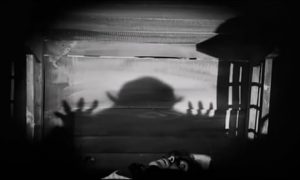
At over a hundred years old, Nosferatu: A Symphony of Horror is a one-of-a-kind dark seed featuring the iconic elements of a fiercely talented production team that would stoke the nightmares of millions of creatives and further inspire the next generations to make their films. And yet, it’s hard to imagine that Nosferatu was also a film that almost wasn’t.
Bextor’s Nosferatu: The Real Story is a true love letter to the cinematic provocation of the original film. It starts by diving into the production company Prana Films, the brainchild of producer Albin Grau, who wanted to finance films dealing in the occult. And, as Tobias Churton will tell you in the film,
He wanted to put the fruit of his alchemy, if you like, into the goal of spiritual awareness as he saw it. And wanted to make a series of films inspired by supernatural elements that would get people thinking around what he regarded as higher or deeper things, which broke down the idea of materialism.
From here, the documentary explores the Roaring Twenties, the German film movement in the wake of World War I, and the extreme copyright problems the film faced as an unauthorized adaptation of Bram Stoker’s Dracula, which threatened to remove it from existence.
Assembling an articulately verbose group of film historians and writers, Bextor’s documentary captivates on stories and insight alone before moving into the Nosferatu films that would eventually come after it, where it becomes effectually effortless. However, some of the content does get a little hazy. The connection between English occultist Aleister Crowley and Prana Films’ Albin Grau is an early topic that goes deeply into the mysticism surrounding the film but feels slightly unnecessary. Crowley and Grau were both a part of an esoteric order (like a Masonic temple for occultist beliefs). Still, aside from providing the association, Crowley is fascinating for those who don’t know him outside of the fictional portrayals, such as in Supernatural.
Crowley has nearly nothing to do with Prada’s release of Nosferatu: A Symphony of Horror. However, I will say he’s treated with far more respect and dignity by the panel of experts than he’s been given throughout the years. Crowley’s lifestyle choices and blatant dissent from religion have made him a furiously divisive character. It’s not surprising, given the strength of religion in societal values of the 1920s. As the film discusses Crowley in this manner, there’s a bit of connective tissue to filmmaker F.W. Murnau and the producers regarding the manner of alternative thinking and imbued anti-war subtext featured in their picture. However, the topic is mostly an inference to suggest the progressive ideals and thinking that underlined the artistry behind the film at a time when dissonance made you a monster. But, like any great documentary, Nosferatu: The Real Story lets viewers make up their minds with the information provided.
While Nosferatu: The Real Story digs into the history, its biggest strength is very much when it recounts the legacy of Nosferatu: A Symphony of Horror and the renditions that have been born from it, right into Eggers’ latest venture. While it can’t really offer anything beyond the promotional trailer for Eggers’ movie, the experts seem positively giddy for its release. Because this is a movie about a movie, this portion of the film allows everyone to gush about the subject, and that energy is injected into the audience.
However, we can’t mention strengths without weaknesses, and while Nosferatu: The Real Story provides commentary and knowledge from some wonderful sources, I couldn’t help but wish it had provided more. The limited resources the film uses are fine and probably emphasize the markings of how costly it is to put a movie like this together. One additional gripe is that Nosferatu: The Real Story also tries to slow down to extend its runtime. This is most noticed at the very start of the film, where the narration is very slow, and the stock footage and movie scenes linger on screen for just a beat too long. Regardless, in terms of entertainment detriment, this matters little.
All-in-all, Nosferatu: The Real Story is a delightfully quick trip through the history of cinema’s first monster movie, the strange and macabre people that made the film, the impact and legacy of the film, and the shock of it almost being lost altogether. While imperfect, it is a fantastic watch for horror movie lovers who want to know more about the one-hundred-year-old film. As for newcomers to Nosferatu, I suggest viewing the film Nosferatu: A Symphony of Horror first, otherwise you’ll be spoiled by the detailed breakdown of iconic cinematography and the film’s ending.
Leave a Reply