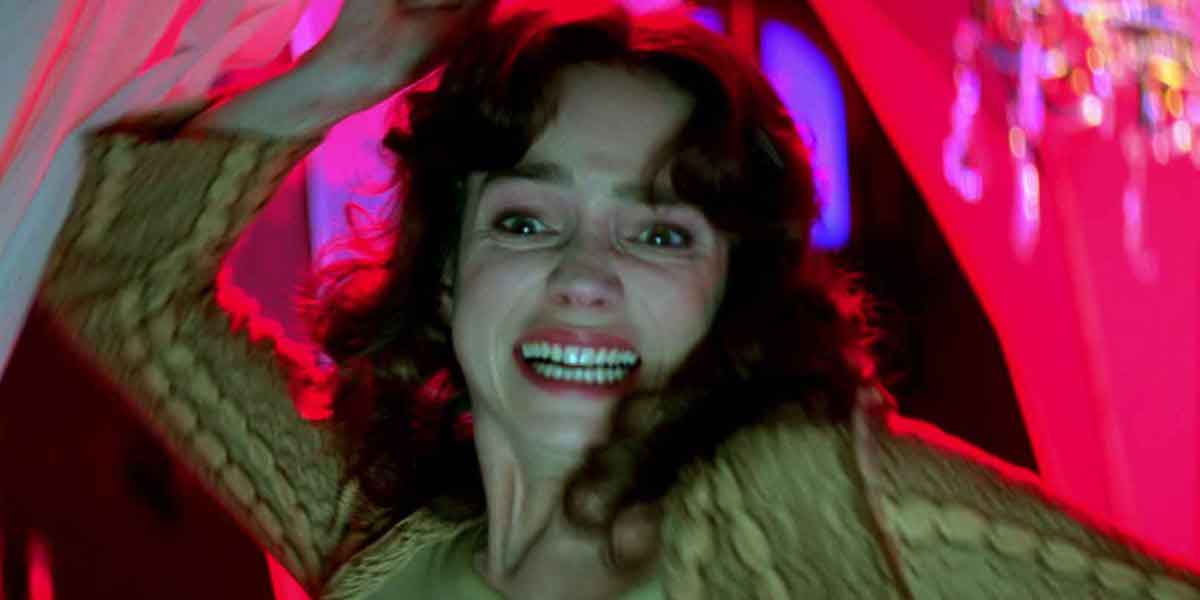
Dario Argento is a name that will forever be cherished by horror fans, and one film in particular seems to have captured the most black hearts: his 1977 classic Suspiria.
Chances are, if you’ve only seen one Argento film, it will have been Suspiria. While receiving mixed reviews on release, it has since become critically acclaimed and was even remade in 2018.
It couldn’t top the original, though: a real fairytale bathed in bright light and blood…
A Fairy Tale via De Quincey
From the start, Argento envisioned Suspiria as a fairy tale, inspired by the famous writer, essayist and romanticiser of the drug experience, Thomas De Quincey. His collection of prose poem essays, Suspiria de Profundis, made reference to the ‘Three Mothers’, for which Argento would create a trilogy of films, starting with Suspiria.
Working with Daria Nicoldi, the pair drafted a script based on the idea of the ‘Three Mothers’, but also utilising inspiration from fairytales such as Bluebeard, Pinocchio, and Alice’s Adventures in Wonderland. The main character of Suzy Bannon, meanwhile, was based on Snow White.
The story they would write certainly had the ingredients of a fairy tale; an innocent-ish girl comes to a strange European castle (in this case, school) where she is deceived by a coven of evil witches…
The Young Girl Visits The Castle…
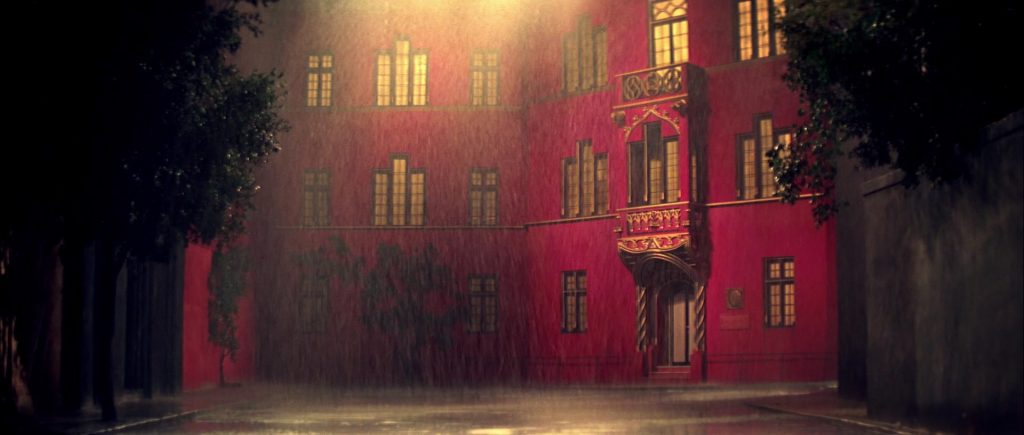
Suspiria‘s plot is simple on the surface: American Suzy Bannion has enrolled to study ballet at the prestigious Tanz Akadamie dance school, run by the authoritative and mysterious Miss Tanner and her deputy, the stern, brutal Madame Blanc. Upon her arrival, Suzy sees another student, Pat, flee from the school, and we soon see Pat killed in gruesome, supernatural circumstances.
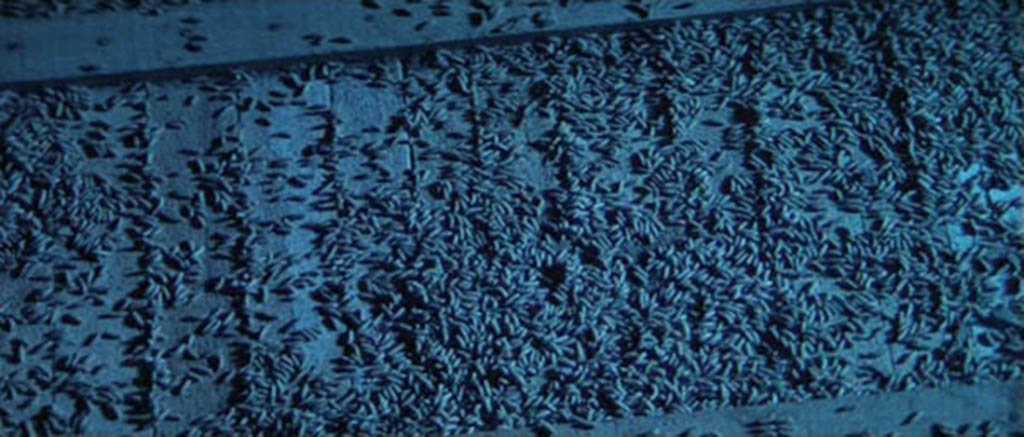
As Suzy attempts to settle into school life, several strange and horrific incidents occur; maggots from rotting meat kept in the attic fall through the ceiling and all over the students; Suzy is shown some kind of strange object by one of the kitchen staff that causes her to collapse; a restricted diet with red wine that suspiciously looks ike blood is prescribed; the blind pianist Daniel is viciously torn apart by his own dog; and Sara, Pat’s friend and now Suzy’s confidant, gets too close to the truth of these mysteries and is chased down, falls into a massive pile of coiled razor wire and then has her throat cut.
Suzy is told by a professor of the occult that the school was established by Helena Markos in 1895, with Markos accused of being a witch and the school being subsequently burnt down and rebuilt. Following the footsteps of the school’s leaders to a secret part of the school, Suzy discovers the staff plotting Suzy’s demise, and the semi-rotting, red-eyed Helena Markos herself, possessing Sara’s corpse to attempt to add Suzy to the list of the coven’s sacrifices. Remembering what she had been told, that a coven will die if its leader is removed, Suzy manages to stab Markos to death, causing the coven to die too. A victorious Suzy escapes as the school burns down behind her, history repeating itself.
It’s a deceptively simple plot: Suzy arrives, a series of awful occurrences happen, Suzy takes some advice, then she destroys the evil causing that was causing said awful occurrences. And yet, this actually plays to Suspiria‘s strengths. By offering such a simple canvas for Argento to paint on, the plot gave room to allow for interesting ambiguities and for the director to create an exquisite atmosphere to house his litany of terrors in.
Living in a Fever Dream
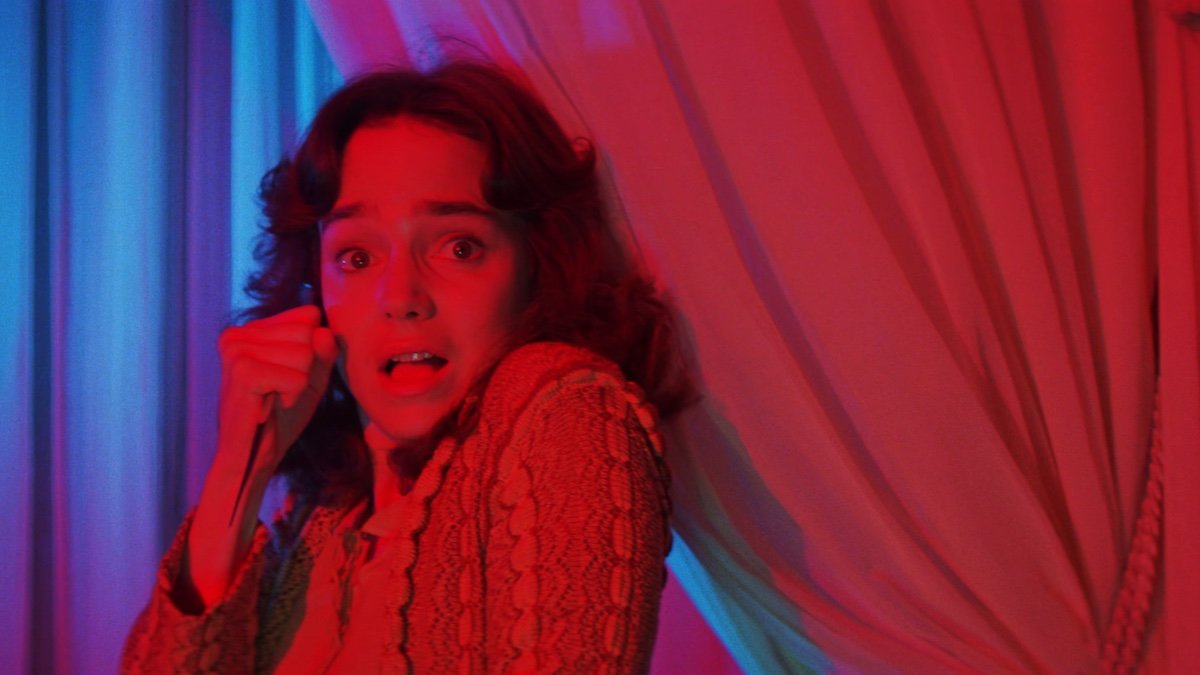
Suspiria functions almost like a macabre fever dream, which perfectly suits the sense of unreality that a fairy tale attempts to achieve, but more so—Argento combines his use of colour and visual aesthetic perfectly with the creeping dread and suggestion of mischief of the soundtrack to create an atmosphere throughout the entire film that is intense and hallucinatory.
You can’t talk about Suspiria without discussing the saturation of rich colour the film swims in; indeed, I can’t think of many films, at least in the horror genre, that are this decadently beautiful. Argento took the lush, saturated beauty of the Hammer Gothic movies, where the furnishings and blood were as colourful as each other, and upscaled it to the kind of visual sumptuousness seen in Kubrick films, or Hitchcock’s Vertigo.
Suspiria uses strong, rich, primal colours throughout to both please and unsettle the eye. Perhaps unsurprisingly, the colour red runs throughout the film, like blood through a vein, and symbolic of the haemoglobin shed throughout. But deep, secretive blues and jewel-like greens compete to create an atmosphere where mood can change in intensity with the switch of a shade.
As beautiful as it is to look at, though, this parade of colour also works to upset the status quo of both character and audience; everything appears too bright, even in comparison to the reality as usually portrayed by the cinema. Everything from the decor of rooms and buildings (the school’s hallways, for example, or the lobby of the apartment block Pat is killed in, with its blood-red walls with ornate patterns) to the lighting, appearing in places where it shouldn’t (why should a bedroom at night become bathed in green light when the room light is turned off? Why should Suzy be in a normally-lit room, but every shot of her toilet as she dumps her unwanted dinner in there be totally drenched in red? Where is the blue light coming from to cover Sara as she flails in razor wire?) appears to be too much, to a point that it becomes uncanny for us as an audience, drawn into this unreal, supernatural situation filmed as a fever dream. It’s both playful and unsettling, and I would genuinely call it a genius move.
The Sound of Death Encroaching
Were there ever composers more suitably named to score a horror film than Goblin? A progressive rock group from Italy, Goblin will be forever linked to the horror genre thanks to their sterling soundtracks for the likes of Deep Red, Dawn of the Dead and Phenomena. But it’s their soundtrack for Suspiria that, for me, offers their best work.
Sounding more like Amon Duul ii than Gentle Giant (thank God), Goblin’s main theme, heard at the start of the film and then throughout, fits Suspiria like a glove, its twinkling music box sound capturing the mischevous fairy tale atmosphere while darkening it with a droning low bass note (synthesised?), eerie breathing, whispered curses, and medieval-sounding guitar. The end result is the sound of dread for the impending doom that the music promises is to come.
Big, echoey, ritualistic (almost tribal-sounding) drums ramp up the tension, as if someone is being chased by something ancient (as indeed they are), while strange screams can be heard low in the mix, echoey and distant, as if suggestive of certain pain to come.
Combined with the film’s luscious colours, the total audio-visual experience is one designed to both tantalise and terrify in equal measure.
Blood for the Ballet
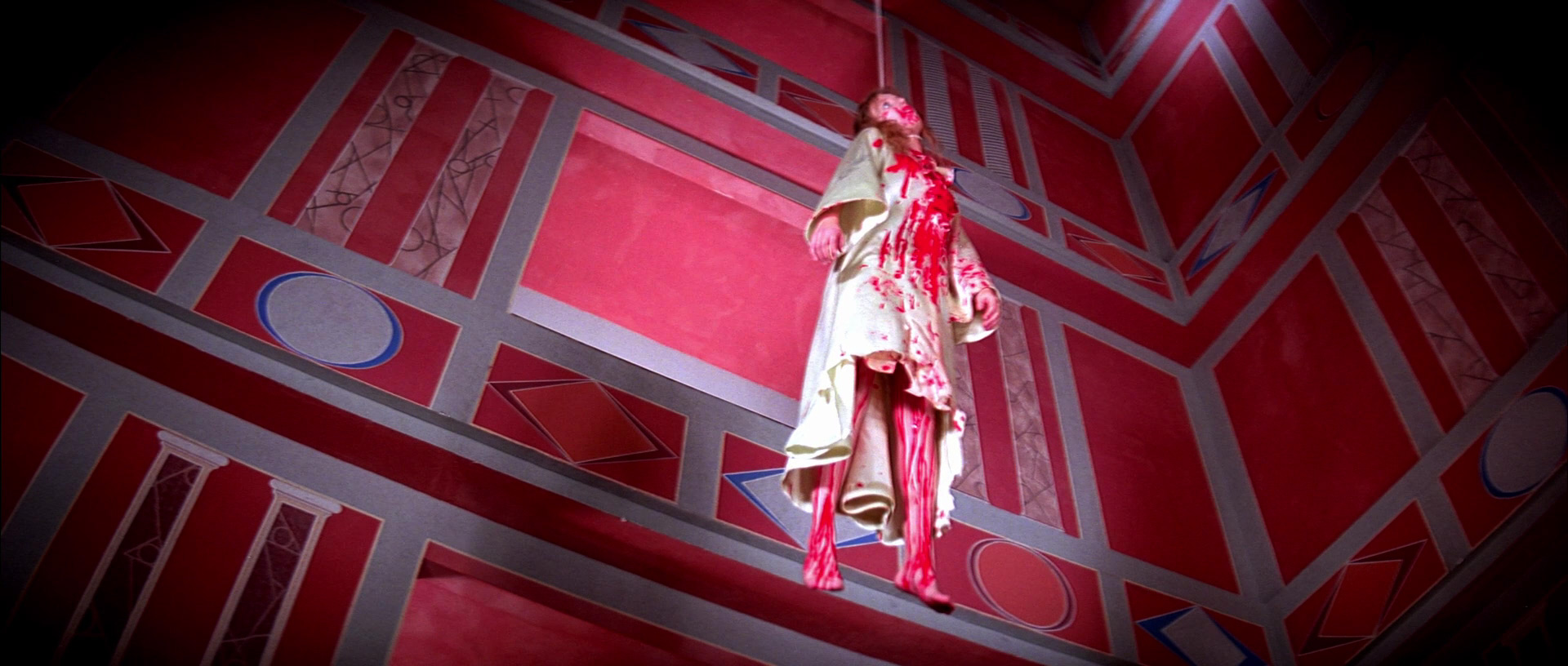
It would be amiss to talk about Suspiria and not discuss the quantities of claret that the film spills throughout, often in the most brutal manner. For all the talk of atmosphere and colour, as relevant as it is, this is a film that pleases the gorehound in all of us.
In typical Italian horror/giallo style, the kills in Susperia are loud, large and over the top, and fabulously so—this is not a criticism. Italian horror, certainly of the period, would overexaggerate the violence and viscera of its kills, utilising practical effects and bright red blood to gross out and terrify its audience while looking hyper-real into the bargain. Suspiria is no exception.
To be sure, the kills in Susperia are nasty; Pat falling through a stained glass skylight to be hanged to death by a wire; the mauling of Daniel by his own dog; Sara having to literally try and untangle herself from coils of razor wire that have pierced her skin and then having her throat slit. The blood is laid on thick and bright red, the pain in the brutality readily apparent in the screams and agonised faces of its sufferers (the razor coil part makes me wince every time).
What is striking about the kills in this film, however, is that much like the use of colour, it almost feels too much, taken to a slight excess before it pulls back. It’s this sense pushing further that further intensifies the violence of the kills and makes them memorable. Pat not only gets hung, but the camera slowly pans across to reveal that, unexpectedly, her friend was also killed, impaled by a shard of glass that fell from the skylight Pat smashed through; the razor wire is brutal in itself, yet its not that which actually kills Sara—she has to have her throat cut; and not only is Daniel mauled by his dog, which seems to be the thing that kills him, but then it moves past the point of death to show the dog chewing flesh, which it implies the dog has torn from Daniel (the effects didn’t stretch far enough to show the flesh being literally torn off the actor).
There would be nastier kills to come in Italian horror (I’m looking at you, Mr Fulci), but Suspiria packs a hell of a punch, pulling you in with the fairy tale and obliterating you with its blood lust.
Answer Me This, Storyteller
As alluded to above, Suspiria uses the simplicity of its plot as a canvas that the real meat of the film—the use of colour, deathly fairy tale soundtrack and its kills—are painted on. As such, this creates moments of ambiguity that are either welcome or irritating, depending on your point of view. Here are a few that have kept me thinking over the years. Answers on a postcard, please…
- The maggots from the meat falling through the ceiling to the girls are obviously designed to be a moment to disturb the audience, but were there any further implications to this? Was it just genuinely bad meat, or had the coven cursed the meat for nefarious purposes?
- What actually was the endgame for the coven? What were they trying to achieve? We can assume they were sacrificing students so that in some way it would keep Helena Markos—and therefore the coven—alive, but was that actually what they were doing? The only people we see killed by the coven are those who have stumbled on the secret or have upset them.
- What was the story with the chef/maid? We see her with Albert throughout the film, but then, when Suzy sneaks past the kitchen, we see that there is another woman who looks exactly like her. Which one did we see throughout the film? Who were they?
- What was the point of the restricted diet for Suzy? It seemed to knock her out at night, but not much else. Would the coven really be scared of Suzy, that she would see something?
Final Thoughts
Suspiria is one of the great 70s horror films, one of the greatest Italian horror films of all time, and just a stone-cold classic altogether. It showed, much like Hammer before it, that horror can be visually lush and luxurious and that this can actually add to the horror rather than just contrast it. The kills are classically brutal, and the fairy tale elements bring a sense of fun and atmosphere that makes the film stand head and shoulders above its remake. It’s this combination of pleasure and pain, luxury and brutality, that will keep horror fans coming back for further visits to the Tanz Acadamie for years to come.
Leave a Reply to Saturnalia Hits Digital April 24th With Murder on the Curriculum Cancel reply