Tag: Christopher Lee
-
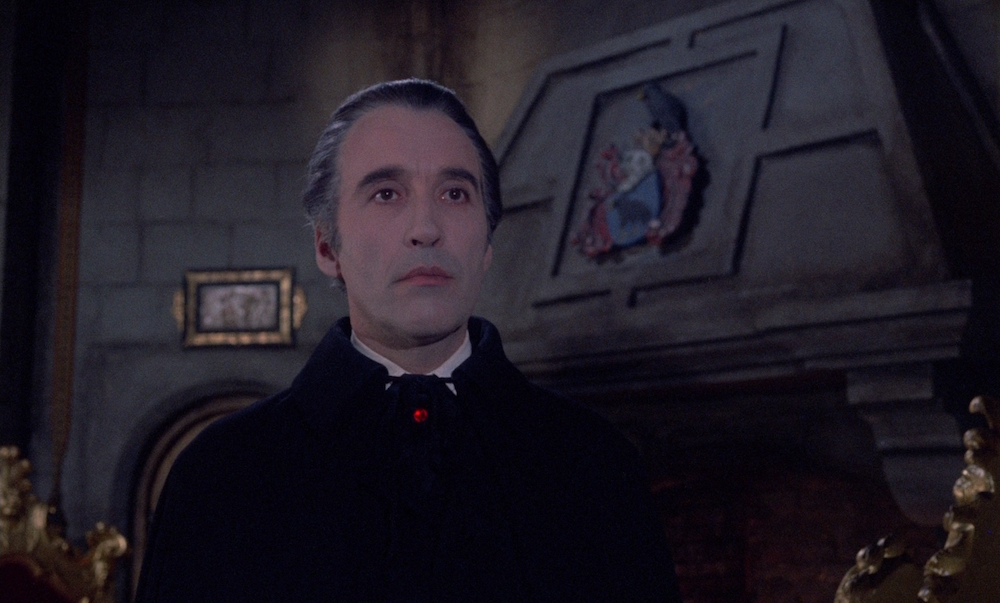
Welcome to 1970. The velvet-lined dream of the 1950s Gothic revival has not just ended; it has been eviscerated. Outside the gates of Bray Studios, the world is screaming. The counterculture has turned into a permanent riot, the Vietnam War is a televised charnel house, and the youthquake has moved on from ghost stories to…
-
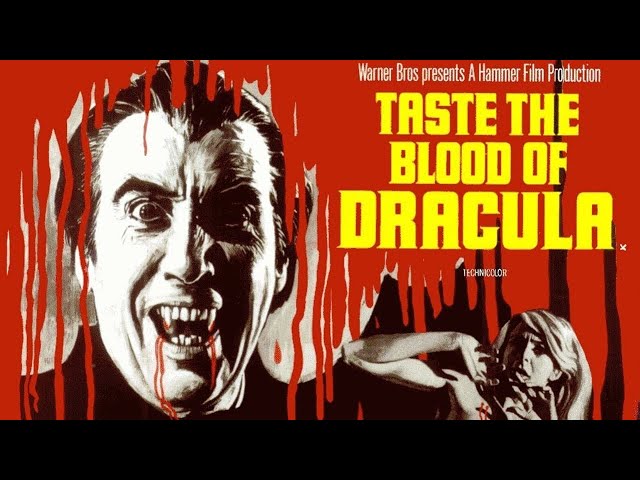
The year is 1970. The psychedelic haze of the late sixties has drifted away, leaving behind the cold, grey morning of a new decade. For Hammer Film Productions, the Gothic castle was no longer a sanctuary; it was a cage. The audience had seen the stakes, the garlic, and the crosses a hundred times over.…
-
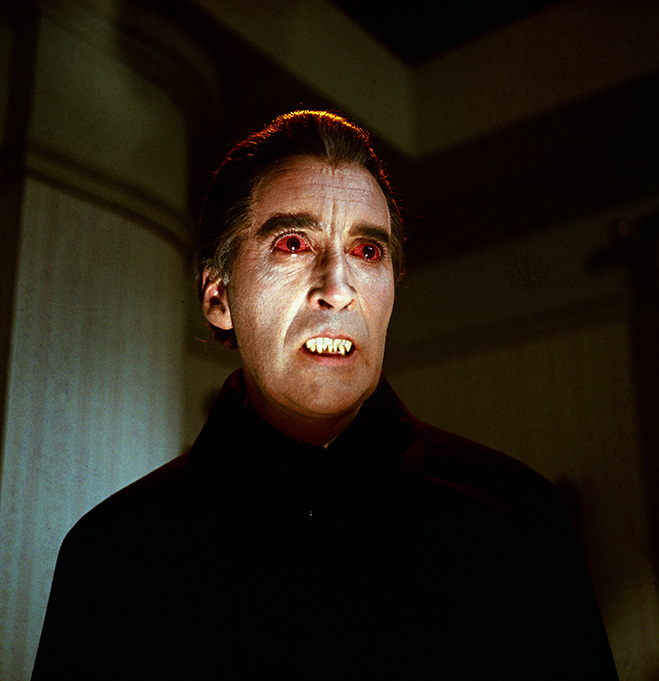
Hammer’s Dracula Has Risen from the Grave arrives not as a resurrection, but as an accusation. This is not the aristocratic seducer of Horror of Dracula, nor the vengeful revenant of Prince of Darkness. This Dracula is something more corrosive and more disturbing: a consequence. A curse summoned not by ritual, but by guilt. A…
-
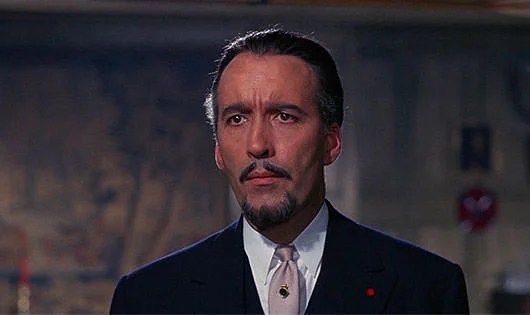
By 1968, Hammer Films was standing on unstable ground. The Gothic cathedral they had spent a decade building—brick by blood-soaked brick—was beginning to crack. The world was changing faster than the studio could repaint its castle walls. Youth culture had turned feral. Authority was suspect. Faith was eroding. Horror itself was mutating into something colder,…
-
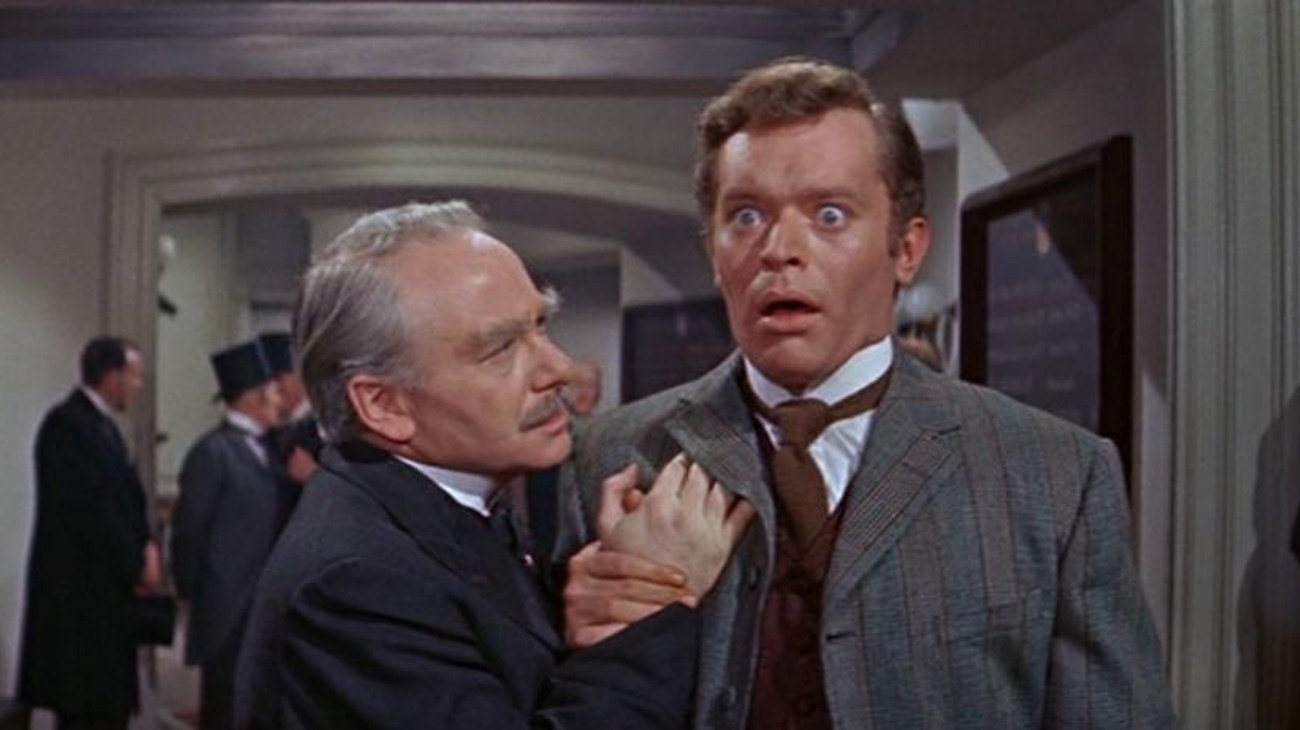
By 1960, Hammer Films had conquered the Gothic. Dracula and The Curse of Frankenstein had redrawn horror in shades of crimson and candlelight; The Brides of Dracula had turned that terror into liturgy. And then, without warning, Terence Fisher turned the gaze inward. The Two Faces of Dr. Jekyll is not a film of monsters…
-

By the end of the 1950s, Hammer had perfected resurrection. They had resurrected Frankenstein, resurrected Dracula, even resurrected the very idea of Gothic cinema. And now, with The Mummy, they turned resurrection itself into religion. Released in 1959, The Mummy is not merely a remake of the Universal classic — it’s a reinvention. A funeral…
-
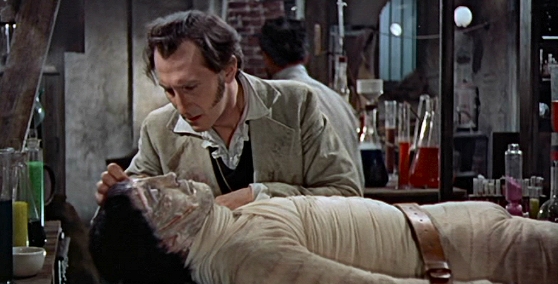
We’ve already ventured into the coffin of Hammer’s Dracula — that blood-soaked fever dream that redefined Gothic horror and drenched British cinema in technicolour blasphemy. But before the Count ever bared his fangs, before Cushing and Lee carved their names into horror’s stone altar, there was another experiment — quieter perhaps, but no less revolutionary.…
-
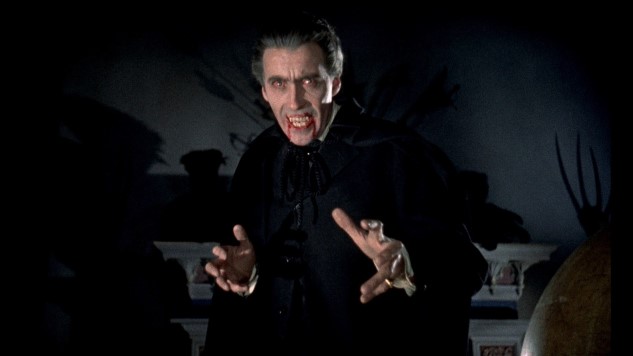
There’s something about the red velvet and candlelight of Hammer’s Dracula that feels almost sinful. Not just because it redefined horror, but because it seduced it. Before 1958, cinematic vampires were ghostly aristocrats, whispering through cobwebbed castles in black-and-white shadows. But Hammer Films — in their usual, gloriously excessive way — didn’t just want to…