Tag: Peter Cushing
-
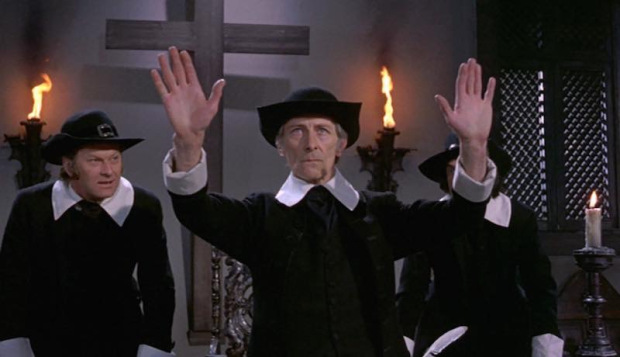
To understand Twins of Evil, you have to understand the state of Hammer Film Productions in 1971. They were under pressure. Hammer was responding more broadly to the rise of grittier, modern horror in the late 60s/early 70s (including Night of the Living Dead), plus declining US box office returns and shifting audience tastes, and…
-
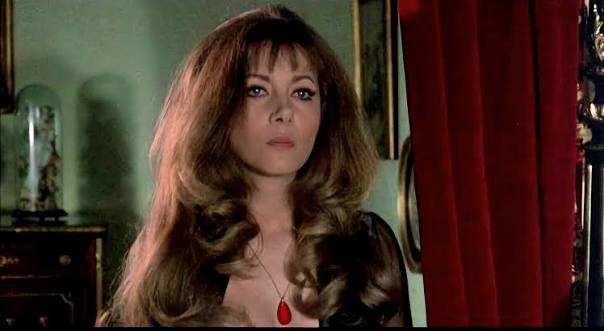
I wasn’t sure if I was going to cover the Karnstein trilogy. Mainly because as a series of movies, they’ve always struck me more as ‘Carry On Horror,’ and though that might not be 100% fair, these films, staring with The Vampire Lovers, are the moment Hammer realized flesh sold faster than fear. They are,…
-

The year is 1969. The Summer of Love has curdled into the Manson murders, the Vietnam War is a rhythmic pulse of televised slaughter, and the Gothic dream—that mist-shrouded world of tragic monsters and velvet-clad visionaries—is bleeding out on the floor. In this cultural twilight, Hammer Film Productions released Frankenstein Must Be Destroyed. It did…
-
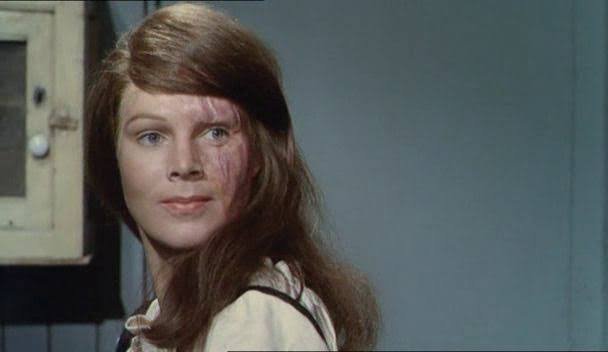
By 1967, the Hammer Frankenstein cycle stood at its most philosophical precipice. Following the commercial necessities of The Evil of Frankenstein (1964), the studio and, crucially, Terence Fisher and Peter Cushing, needed to return the series to its roots: not in the spectacle of electricity and muscle, but in the harrowing inquiry into the nature…
-

By 1964, Hammer Films stood at a crossroads. The great Gothic cathedral they had built—of blood, faith, and moral dread—was showing its cracks. Dracula and Frankenstein had already carved their myths deep into British cinematic history, terrifying and scandalizing audiences across the globe. Yet the hunger for more persisted. The world demanded another resurrection, another…
-
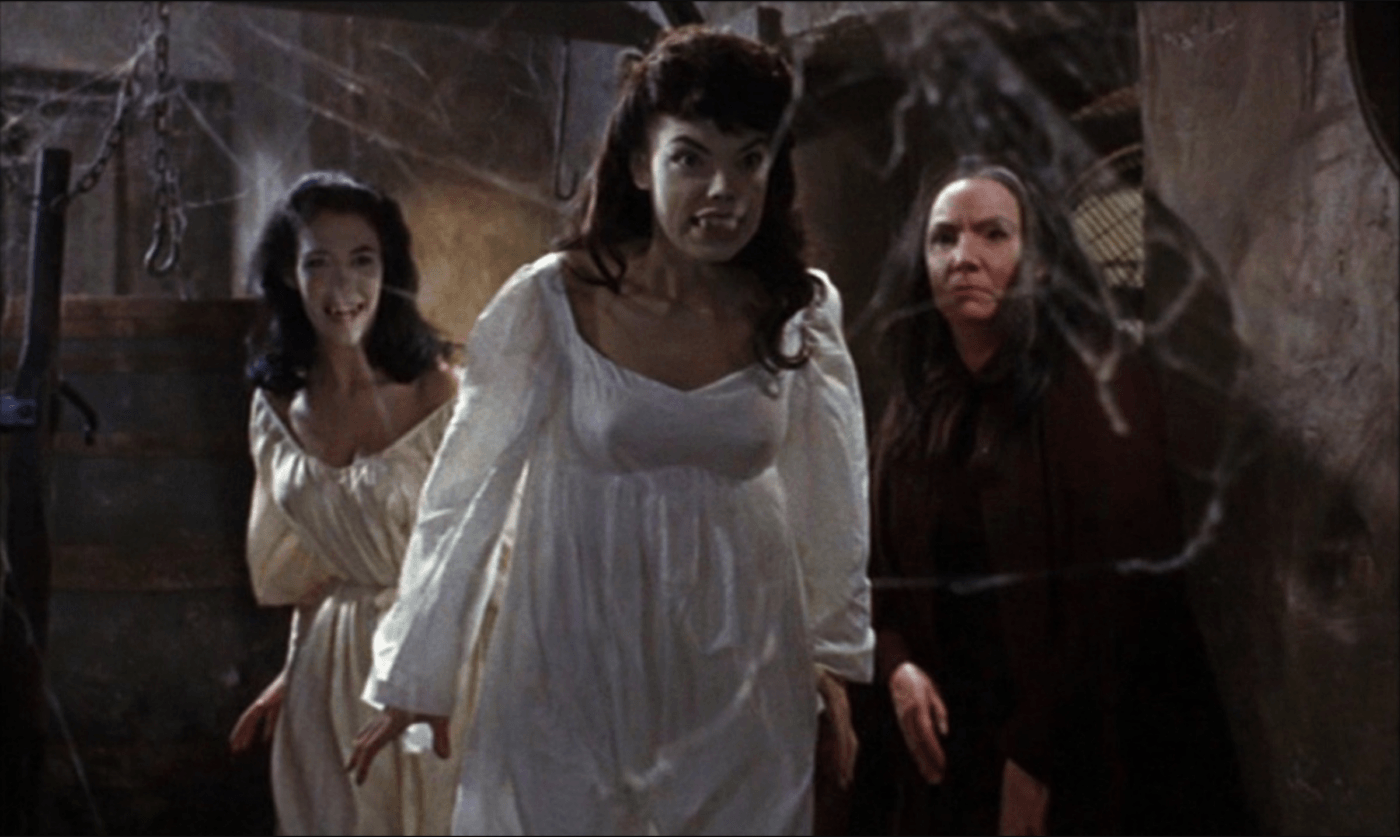
If Dracula (1958) was Hammer’s resurrection — the blood-soaked birth of modern Gothic horror — then The Brides of Dracula was the sermon that followed. This is Terence Fisher’s cathedral of the damned, his hymn to sin and salvation sung through fangs and candlelight. It is also a paradox — the Dracula film without Dracula,…
-

By the end of the 1950s, Hammer had perfected resurrection. They had resurrected Frankenstein, resurrected Dracula, even resurrected the very idea of Gothic cinema. And now, with The Mummy, they turned resurrection itself into religion. Released in 1959, The Mummy is not merely a remake of the Universal classic — it’s a reinvention. A funeral…
-
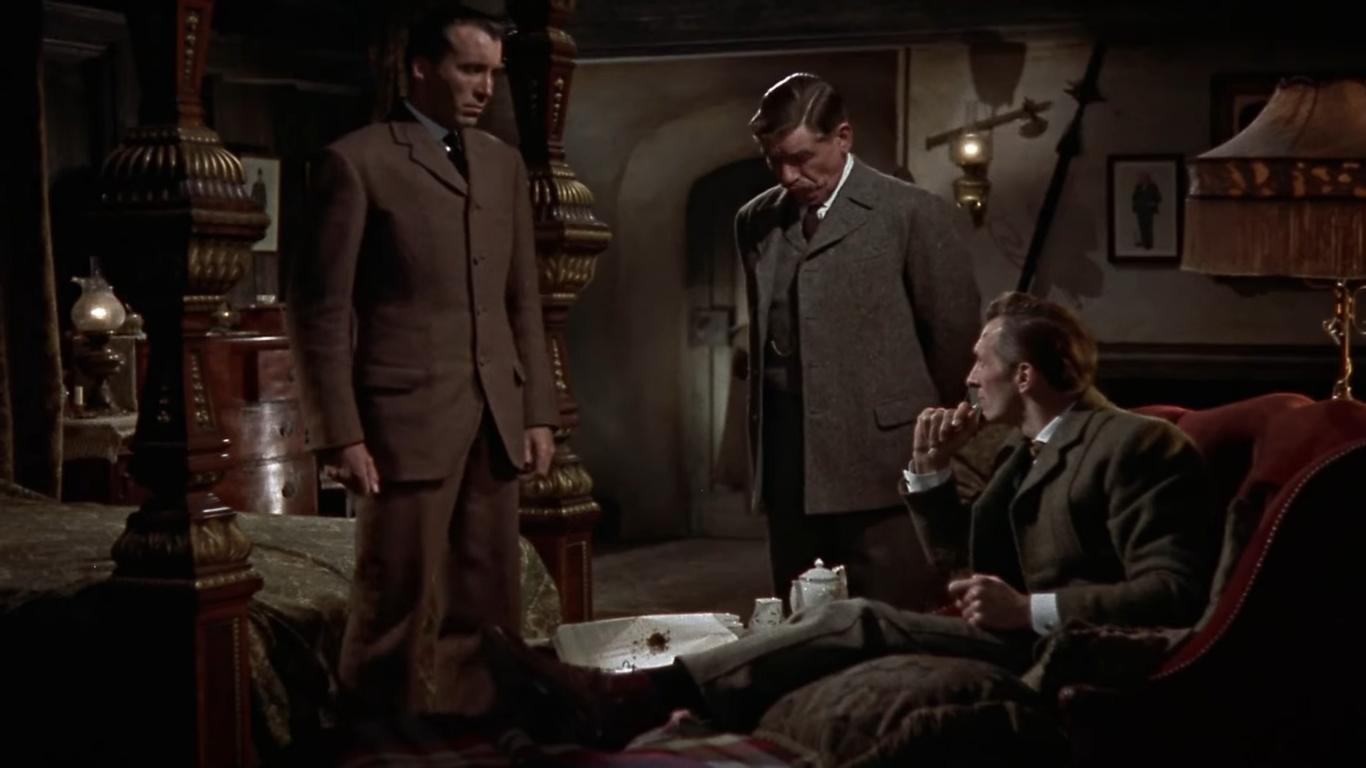
After The Revenge of Frankenstein, Hammer had nothing left to prove. The blood had already been spilled, the moral lines blurred beyond recognition. What came next wasn’t escalation — it was refinement. The Hound of the Baskervilles (1959) wasn’t about gore or monstrosity. It was about atmosphere. About dread that slithers rather than strikes. This…
-
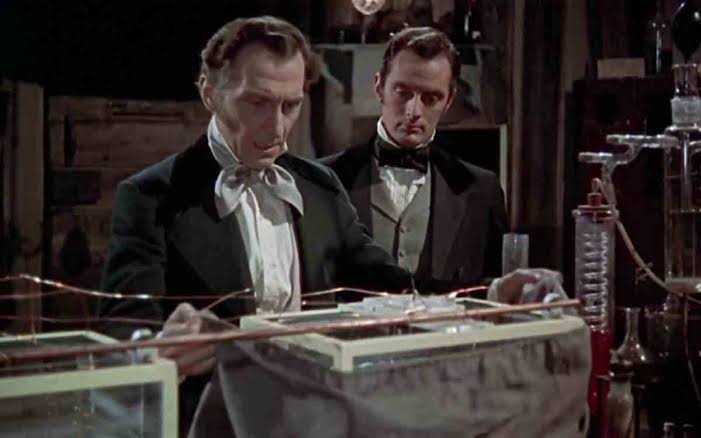
By the time The Revenge of Frankenstein hit screens in 1958, Hammer was no longer testing the waters — it was baptizing itself in blood. The Curse of Frankenstein had shattered the old order, turning the genteel Universal monsters into something vivid, violent, and human. The Abominable Snowman had cooled the chaos, testing the moral…
-
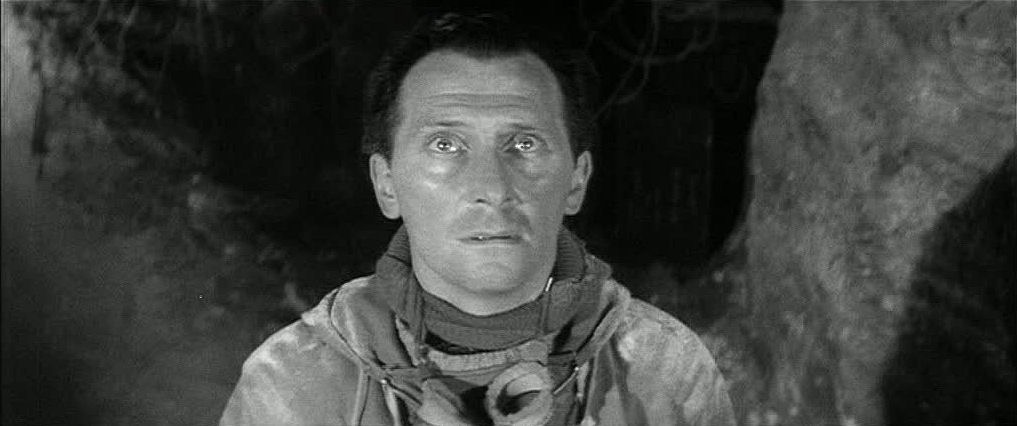
After the blood and blasphemy of The Curse of Frankenstein, you might expect Hammer’s next foray into horror to keep that arterial flow going — another plunge into the lurid, the violent, the gothic. But instead, they went cold. The Abominable Snowman (1957), directed by Terence Fisher and written by Nigel Kneale, is the quiet,…