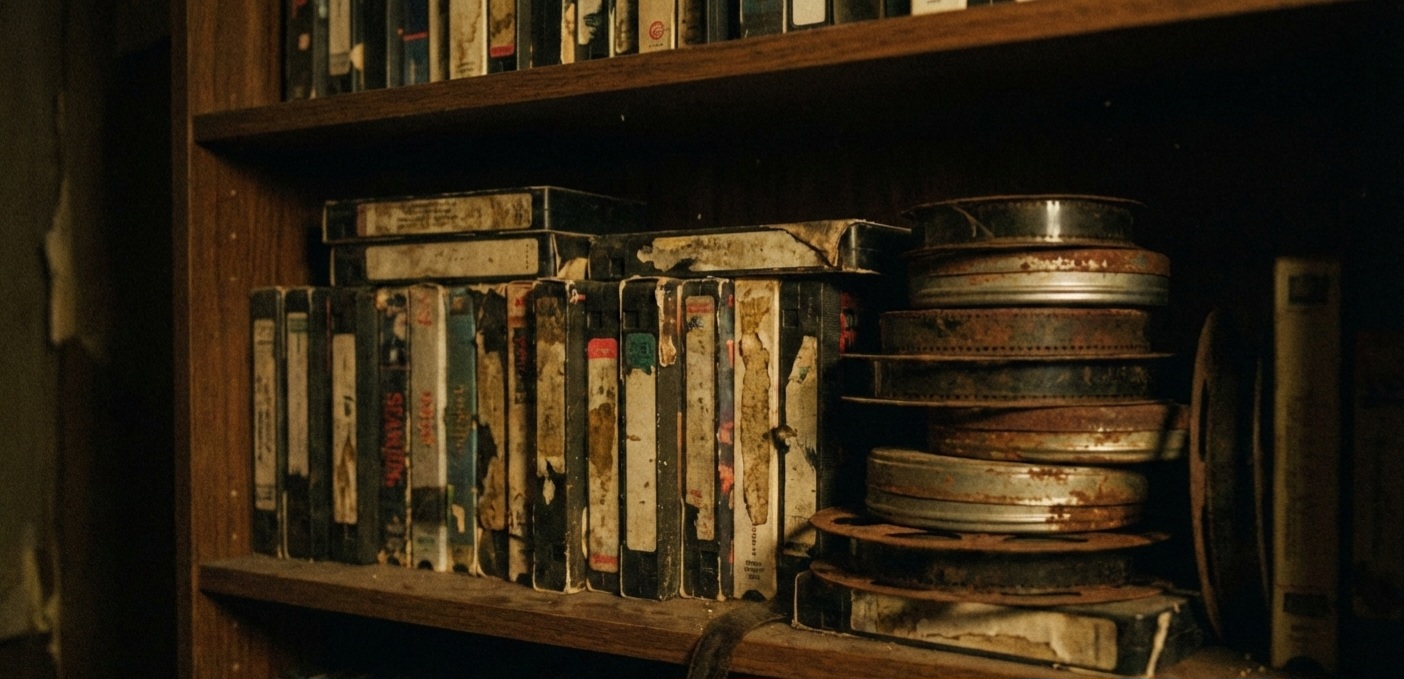
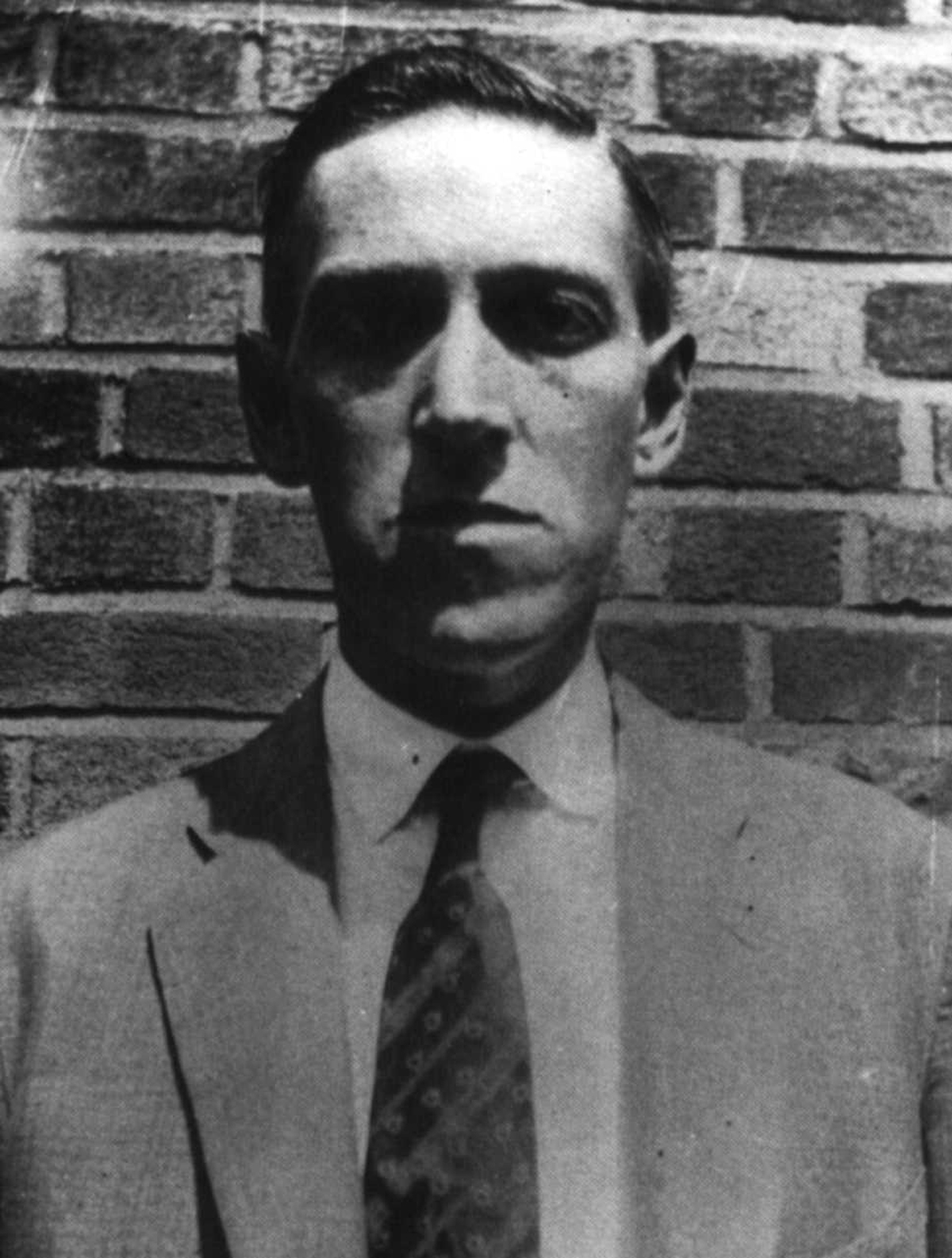
In January 1920, H. P. Lovecraft shifted the focus from the ethereal mists of the Dream-lands to the salt-crusted, pre-revolutionary streets of Kingsport, grounding his horror in a tangible coastal reality where the weight of history and ancestral memory presses as heavily as the tide. The Terrible Old Man is not merely a short story; it is a study in xenophobia, a lesson in territorial sovereignty, and one of the first moments where Lovecraft depicts local custom as a quietly lethal force. Here, the story strikes at the outsider’s arrogance.
The Sorcery of the Shore
The narrative of The Terrible Old Man is a brutal, clipped folk-legend. In the town of Kingsport—a place where the past isn’t remembered, it’s simply still there—lives the protagonist. He is a former sea captain, a relic of a colonial era that should have ended two centuries prior. He lives in a stunted and ancient house on Water Street, a structure that seems to lean toward the sea, listening to the secrets of the deep. He is so old that no one in Kingsport remembers him being young; he is a permanent fixture of the landscape, like the jagged cliffs themselves.
His only companions are the bottles. Within his house, he keeps a collection of leaden pendulums suspended in glass, each inscribed with a name from his past: Jack, Long Tom, Spanish Joe. He speaks to them as if they are living men. To the casual observer, this is the senility of a lonely old man. But here, the dead are arranged with a precision that makes their silence speak. He has tethered the dead to the physical plane through a system of rhythmic, swinging lead. This is not magic in the Harry Potter sense; this is occult engineering.
The plot is a collision of two irreconcilable worlds. Three professional criminals from the modern place—Angelo Ricci, Joe Czanek, and Manuel Silva—arrive in Kingsport. They are men of foreign extraction, a classic Lovecraftian trope representing the unassimilated threat to his idealized New England. They view the Old Man as a soft target, a fragile vessel of hoarded gold. They assume that his age and his isolation make him vulnerable. They break into his home on a moonless night, assuming they are the predators.They do not find treasure. They confront a reality where humanity has already been discarded.
Lovecraft refuses to describe the robbery itself; he only shows us the result. When the morning tide comes in, the townspeople find three cruelly gashed bodies on the shore—not just dead, but harvested. Meanwhile, the Old Man continues his silent conversation with his bottled ghosts, smiling a very peculiar smile.
The Fuck Around and Find Out Doctrine
I don’t look at what happens to the villains as horror; I look at it as a necessary correction. These three professional crooks looked at a guy who talks to bottles and thought, “Yeah, that’s an easy mark. Let’s go roll the geriatric for his doubloons.” They brought a switchblade to a metaphysical gunfight. They thought they were robbing a senior citizen; they were actually trying to mug a living relic of the primordial sea.
The force of this story falls squarely on the New Money mindset.—the people who think that because something is old, quiet, or outdated, it’s weak. Lovecraft is leaning into his own virulent xenophobia here, painting the interlopers as predatory sub-humans, but if you strip away the 1920s bias, the message is a roar: Respect the local legends or get turned into fish food. The Terrible Old Man is the ultimate gatekeeper. He’s the guy at the back of the bar who doesn’t say a word, but the locals know that if you touch his glass, you don’t go home. Ricci and his crew represent the tourists of the world—the people who walk into a sacred space (or an old man’s home) and think they can just take what they want because they have modern weapons and modern attitudes. They found out that modernity is a paper tiger when it’s faced with a man who seems to have bottled the souls of his enemies. They didn’t just die; they were processed. Lovecraft spares no subtlety in teaching the cost of arrogance. Don’t come to Kingsport with a crowbar and expect the ghosts to be polite.
The Law of the Timeless
In The Terrible Old Man, Lovecraft explores the concept of ancestral possession and the non-linearity of time.
The Temporal Anchor
The Terrible Old Man is not just an individual; he is a biological extension of the house and the town of Kingsport. He represents a temporal anomaly. To the three robbers, time is a linear resource—it’s something you use to get rich, to move from A to B. To the Old Man, time is a vertical stack. He is living in 1720, 1820, and 1920 simultaneously.
When the robbers enter his home, they aren’t just breaking and entering; they are trespassing into a different epoch. Lovecraft suggests that the modern world is a fragile skin stretched over an ancient muscle. When you puncture that skin, the muscle flinches. Violently. The robbery fails because you cannot steal from a man who doesn’t exist in the same reality as you. He doesn’t need to fight them; he just needs to let the gravity of his own timeline crush them.
The Pendulums of the Departed
The bottles are the most weird element of the story. They represent the quantification of the spirit. In Lovecraft’s universe, the soul is not some airy, ethereal thing; it is a vibration that can be captured and tethered to physical matter—specifically lead.
The Old Man is a soul-engineer. He has turned his comrades into a clockwork system of memory. This is the ultimate static power—the ability to hold onto the past so tightly that it becomes a physical weapon. The pendulums don’t just swing; they maintain the Old Man’s reality. They are the batteries for his existence. This is a rejection of the idea that the past is gone. Lovecraft is arguing that the past is simply packaged and waiting for someone stupid enough to open the bottle.
The Revenge of the Obsolete Man
In 1920, H. P. Lovecraft was a man drowning in a world he didn’t recognize. American culture was beginning to modernize rapidly in the postwar years. Lovecraft, who identified as an 18th-century English gentleman, felt like an old man himself, even in his late twenties.
This story is his revenge fantasy.
The Old Man is Lovecraft’s idealized avatar. He is strange, he is repulsive to the modern eye, and he is obsolete. But he possesses a terrifying, hidden power rooted in tradition and the soil. Lovecraft wants to believe that the old guard can still annihilate the New World without moving from their chairs. He is writing the script for the destruction of the outsiders who were plundering his New England heritage.
He is essentially saying: “Go ahead, come to my town. Try to disrupt my silence with your ‘modern’ greed. See what happens when you meet the things I keep in my bottles.” It is the scream of a man who feels marginalized by progress and decides to strike back with the only thing he has left: The heavy, unmoving eeight of history. He saw himself as the sentinel of a dying culture, and the bottled names were the books, the letters, and the traditions he was desperately trying to keep from breaking.
The Power of the Ellipsis
Lovecraft’s prose here marks a transition into Linguistic Minimalism as a tool of terror. He is learning that what you don’t describe is more terrifying than what you do.
The Kingsport Shiver
In The Terrible Old Man, the action happens in the white space between the paragraphs. Here, horror is not narrated, it is implied, living in the gaps, in the silences, in the unspoken consequences that stretch across the pages. By refusing to describe the cruel gashes, Lovecraft forces the reader’s imagination to become a co-conspirator in the horror. He uses a dry, almost journalistic tone to describe the aftermath, which makes the supernatural elements feel factual. This isn’t a scary story; it’s a Kingsport Police Blotter. That is the genius of this style of voice—it strips away the flowery language to show you the blood on the floor. It’s a found footage story before the technology existed.
The Silence of the Town
Look at the townspeople of Kingsport. They know the Old Man is wrong. They hear the screams from the house on Water Street. And they do absolutely nothing.
I love this. This is horror at its most pure and most ruthless. The community appears willing to ignore what happens inside his house. They’d rather have a Terrible Old Man who kills unwanted trespassers than a safe new town that sells out to the tourists and the tax-collectors.
This is a message for the modern world: If you move into a neighborhood and don’t respect the local spirits, don’t be surprised when the neighbors look the other way while you’re being dragged into the cellar. Lovecraft isn’t just writing horror; he’s writing a code of conduct for the void. He’s saying that the community isn’t there to save you; it’s there to protect the their reality from people like you. Kingsport is a cult of silence, and the Old Man is its High Priest.
Final Thoughts
The Terrible Old Man is a story about enduring power and the weight of history. Lovecraft contrasts the fleeting confidence of the robbers with the patient, almost inevitable authority of the Old Man. While Ricci, Czanek, and Silva move quickly, confident in their modern tools and instincts, the Old Man acts with the calm assurance of someone who is rooted in place and time. He doesn’t need to chase or strike in haste; the outcome is already determined by his knowledge, preparation, and the history embedded in his home and its objects. The swing of the pendulums, the silent presence of the bottles, and the unyielding architecture of his house are all instruments of a reality that the intruders cannot understand. In Kingsport, ignorance and arrogance meet a reckoning that requires no dramatic flourish—only patience, precision, and the quiet authority of the past asserting itself.
The Terrible Old Man establishes the Kingsport tone that would later define Lovecraft’s greatest works (like The Festival and The Shadow Over Innsmouth). It proves that the weird is not just in the stars or the dreams, but in the salty, blood-stained soil of the American coast.
We must remember the lesson of Water Street: Respect the weight of the past. It has more patience than you can imagine, it has no need for your modern laws, and its bottles are never full.The pendulums are swinging. The tide is coming in. And the Old Man is smiling.
Leave a Reply to The Temple (1920): The Iron Logic of the Deep Cancel reply