Author: Neil Gray
-
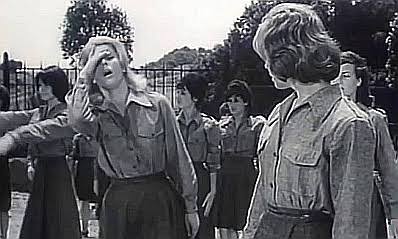
There are films you love because they’re good. There are films you love because they’re important. And then there are films you love because something in them is fundamentally wrong, and it presses a button you don’t fully understand. Werewolf in a Girls’ Dormitory is that third kind of film. This is a 1961 Italian…
-
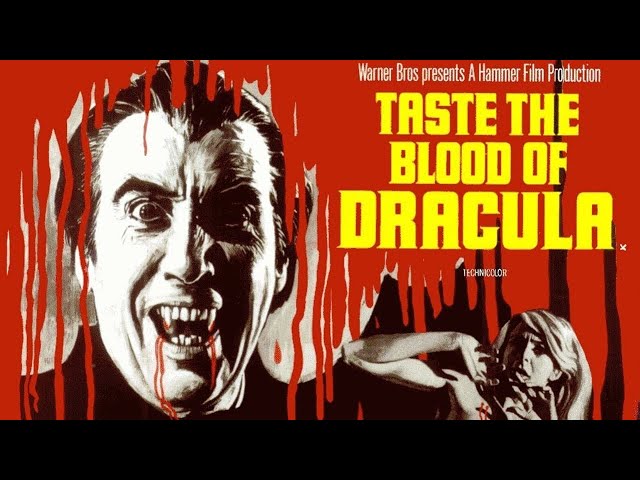
The year is 1970. The psychedelic haze of the late sixties has drifted away, leaving behind the cold, grey morning of a new decade. For Hammer Film Productions, the Gothic castle was no longer a sanctuary; it was a cage. The audience had seen the stakes, the garlic, and the crosses a hundred times over.…
-

The year is 1969. The Summer of Love has curdled into the Manson murders, the Vietnam War is a rhythmic pulse of televised slaughter, and the Gothic dream—that mist-shrouded world of tragic monsters and velvet-clad visionaries—is bleeding out on the floor. In this cultural twilight, Hammer Film Productions released Frankenstein Must Be Destroyed. It did…
-

The Undertaker (1988… ish) opens the only way a certain kind of late-80s horror film knows how: with a woman in immediate danger, a road that looks like it hasn’t seen a living soul since Nixon resigned, and dialogue so aggressively stupid it feels like it’s daring you to turn the film off What’s this?…
-
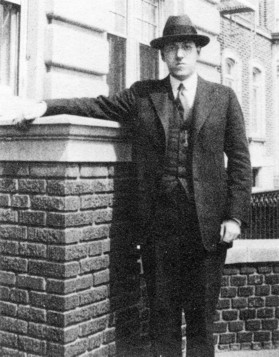
In October 1919, H. P. Lovecraft stood upon the precipice of a radical stylistic transformation. Inspired by the rhythmic, antique beauty of Lord Dunsany, he penned The White Ship—a story that ostensibly reads like a fairy tale but functions as a brutal, existential autopsy. If Beyond the Wall of Sleep was a rupture of the…
-
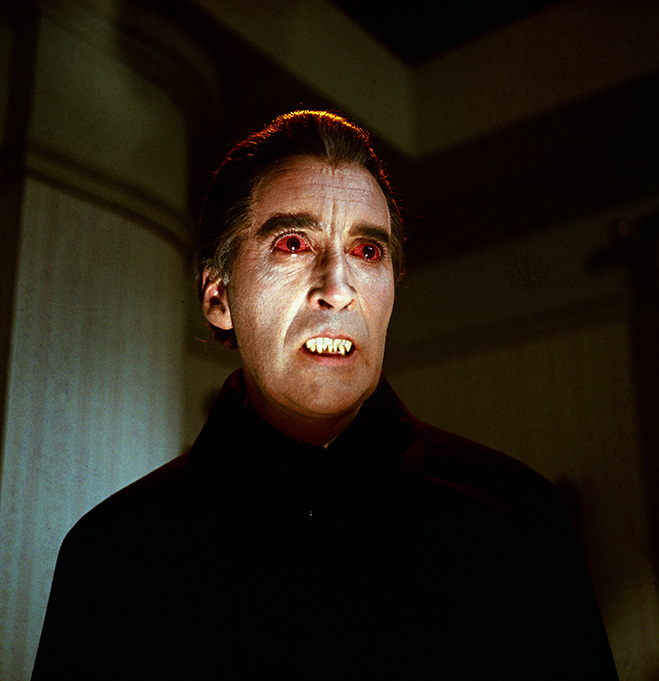
Hammer’s Dracula Has Risen from the Grave arrives not as a resurrection, but as an accusation. This is not the aristocratic seducer of Horror of Dracula, nor the vengeful revenant of Prince of Darkness. This Dracula is something more corrosive and more disturbing: a consequence. A curse summoned not by ritual, but by guilt. A…
-
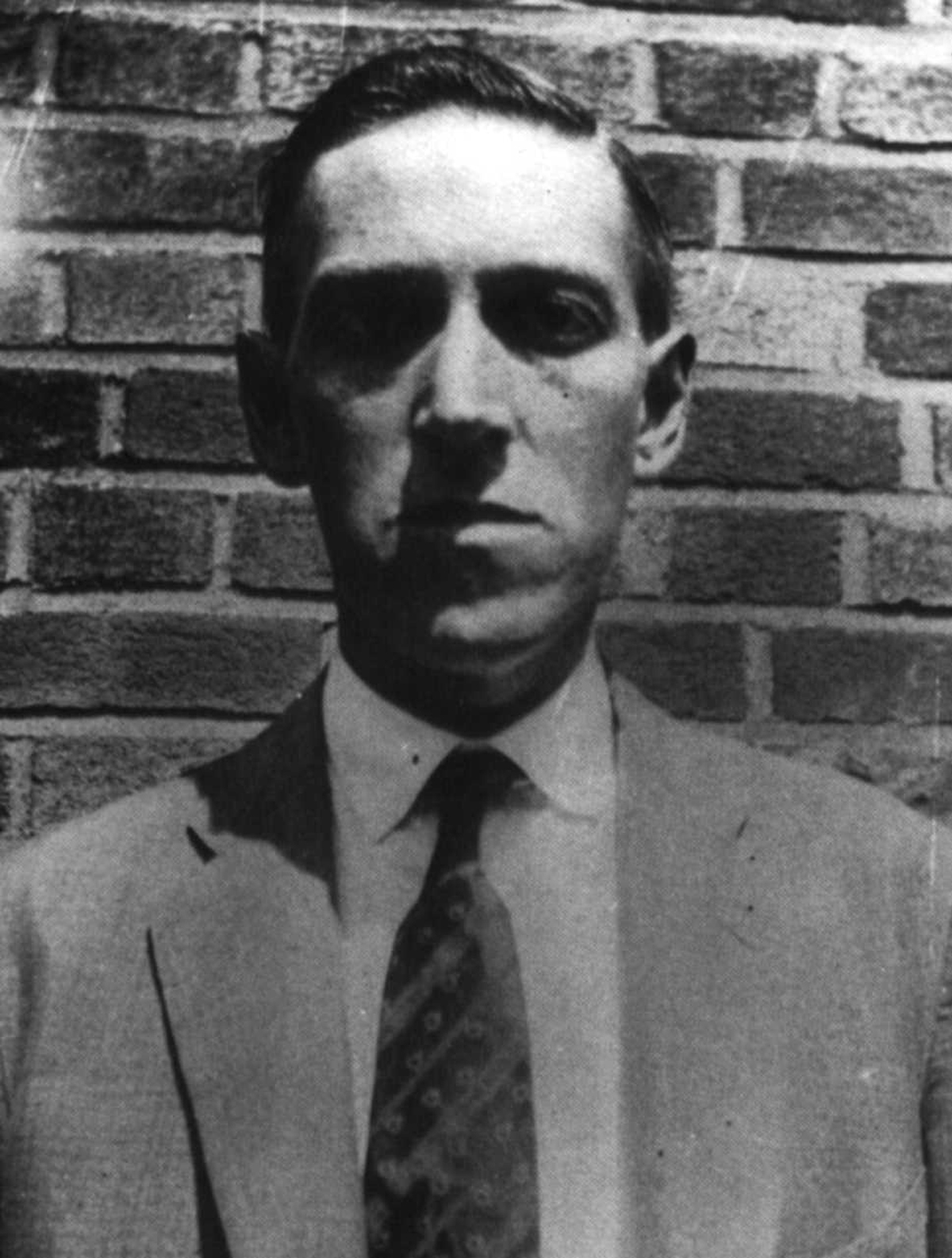
In the spring of 1919, H. P. Lovecraft turned his gaze away from the ancestral graveyards of New England and to the state mental hospitals of the Catskills region. With Beyond the Wall of Sleep, we encounter one of the most aggressive ruptures in the Lovecraftian canon. If Polaris was a dream of a lost…
-

By 1968, Hammer Films was standing on unstable ground. The Gothic cathedral they had spent a decade building—brick by blood-soaked brick—was beginning to crack. The world was changing faster than the studio could repaint its castle walls. Youth culture had turned feral. Authority was suspect. Faith was eroding. Horror itself was mutating into something colder,…
-
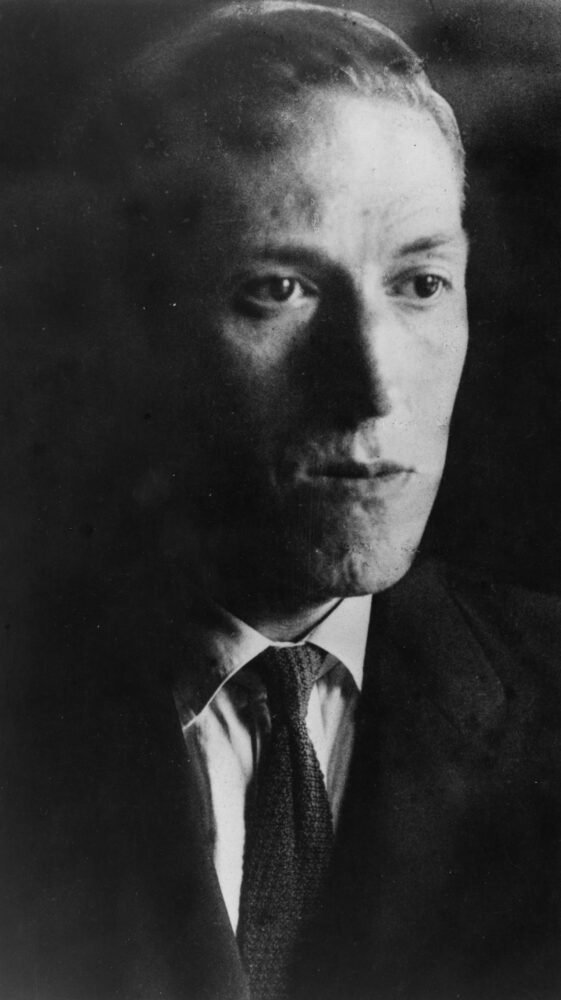
With the 1918 composition of Polaris, we move from the stinking, salt-caked mire of the Pacific into a realm of glacial, celestial dread. If Dagon was a biological shock to the system — a revelation of prehuman flesh and submerged antiquity — Polaris is a psychological dissolution. It marks one of H. P. Lovecraft’s earliest…
-
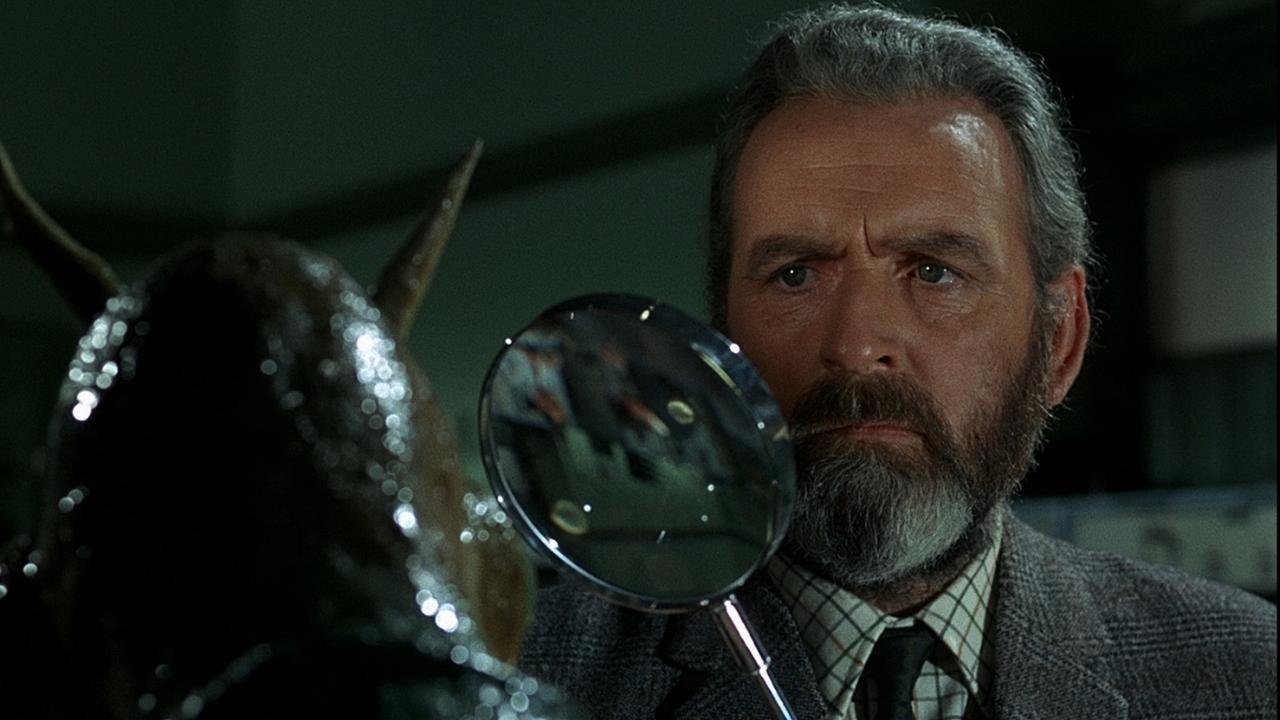
By late 1967, the Gothic castle was starting to feel a bit too safe. The shadows of Transylvania were familiar, almost comforting; they belonged to the world of velvet, candlelight, and ancient, predictable curses. To truly terrify an audience staring down the barrel of the Space Age, Hammer had to dig deeper—literally. They had to…