Author: Neil Gray
-
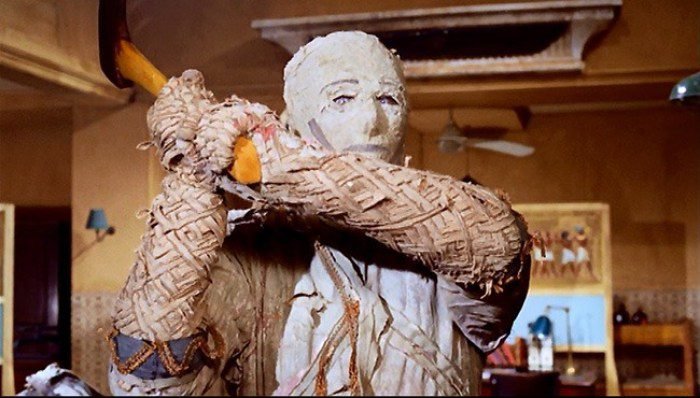
By 1967, Hammer’s Gothic cathedral was no longer echoing with hymns. The incense had burned low. The blood on the altar had dried into habit. What once felt transgressive, lush, and sacramental was now being gnawed away by a harsher, less forgiving reality. The world had changed, and Hammer—slowly, reluctantly—was beginning to understand that it…
-
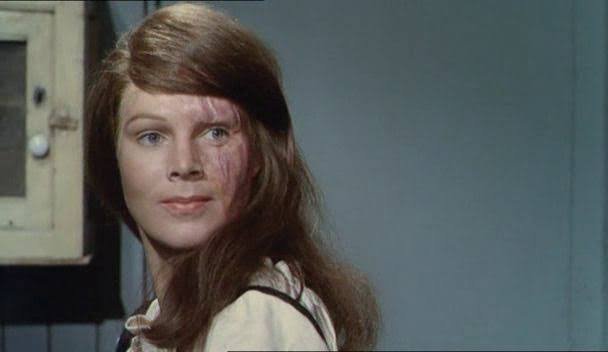
By 1967, the Hammer Frankenstein cycle stood at its most philosophical precipice. Following the commercial necessities of The Evil of Frankenstein (1964), the studio and, crucially, Terence Fisher and Peter Cushing, needed to return the series to its roots: not in the spectacle of electricity and muscle, but in the harrowing inquiry into the nature…
-
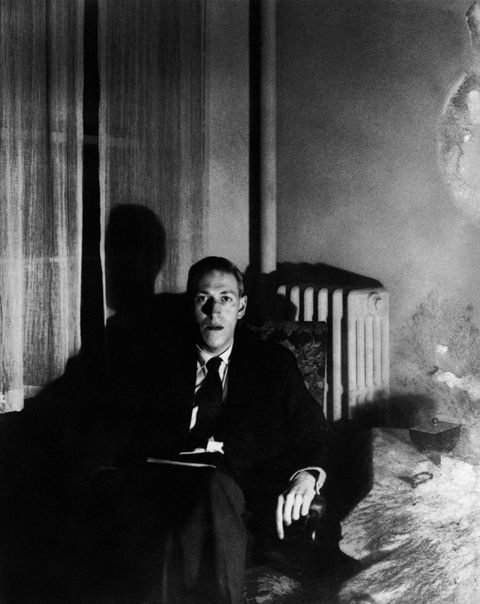
If we are to chart the dark, erratic heartbeat of H.P. Lovecraft’s creative life, we must begin not with a cosmic explosion, but with a quiet, moldering click of a key in an ancient lock. Written in the early summer of 1917, The Tomb represents the formal re-emergence of Lovecraft as a fiction writer after…
-
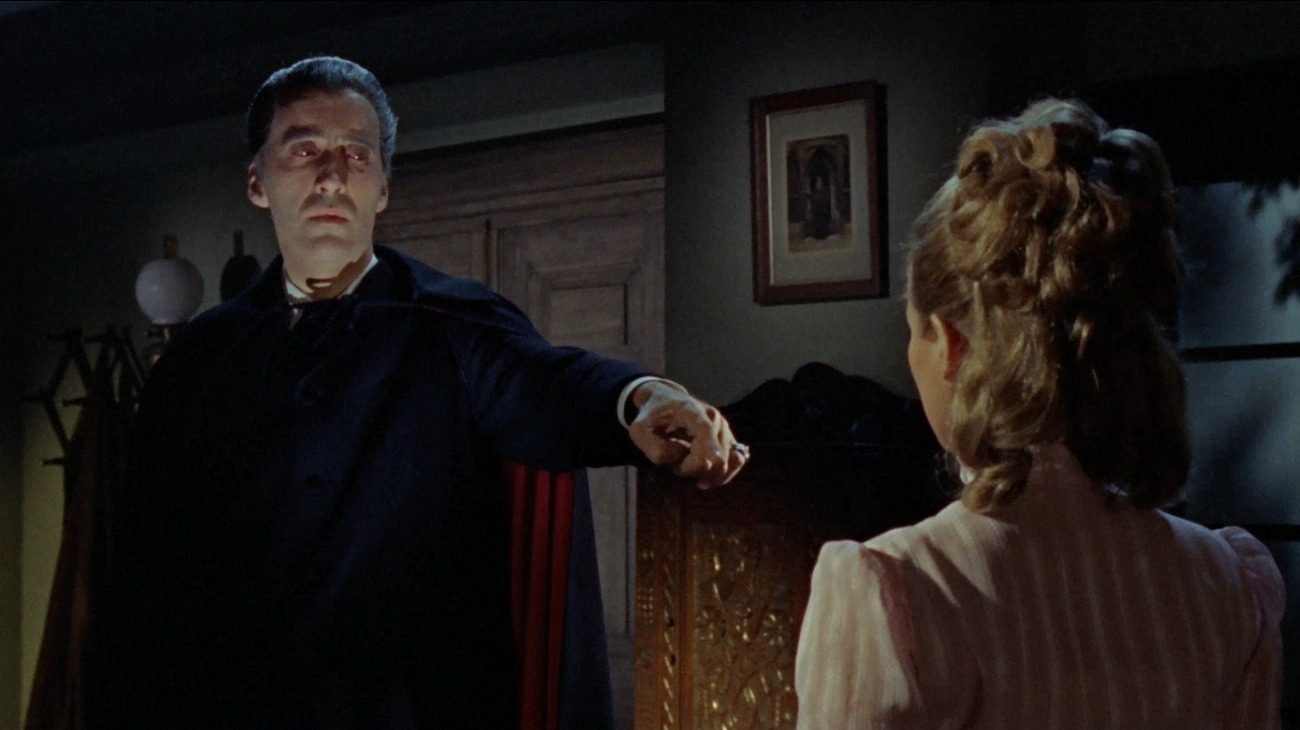
By 1966, the Gothic heart of Hammer Films was due for a massive, necessary shock. Following the commercial necessity of the psychological thrillers (The Nanny, Hysteria) and the (unfairly called) misstep of a sequel like The Brides of Dracula (1960)—which dared to feature a world without the Count—the studio was compelled to confront the simple,…
-
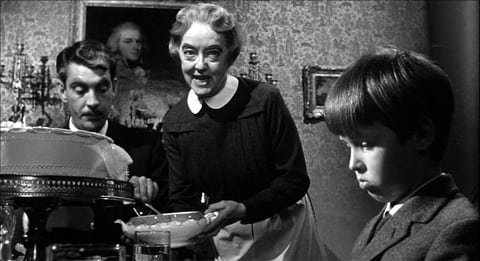
By 1965, the Gothic machinery of Hammer Films, which had once felt like a bold revolutionary engine, now risked becoming a repetitive ritual. Audiences, glutted on blood and capes, were demanding a different kind of terror—one closer to home, stripped of historical distance and supernatural alibis. The genre had been redefined by Alfred Hitchcock’s Psycho…
-
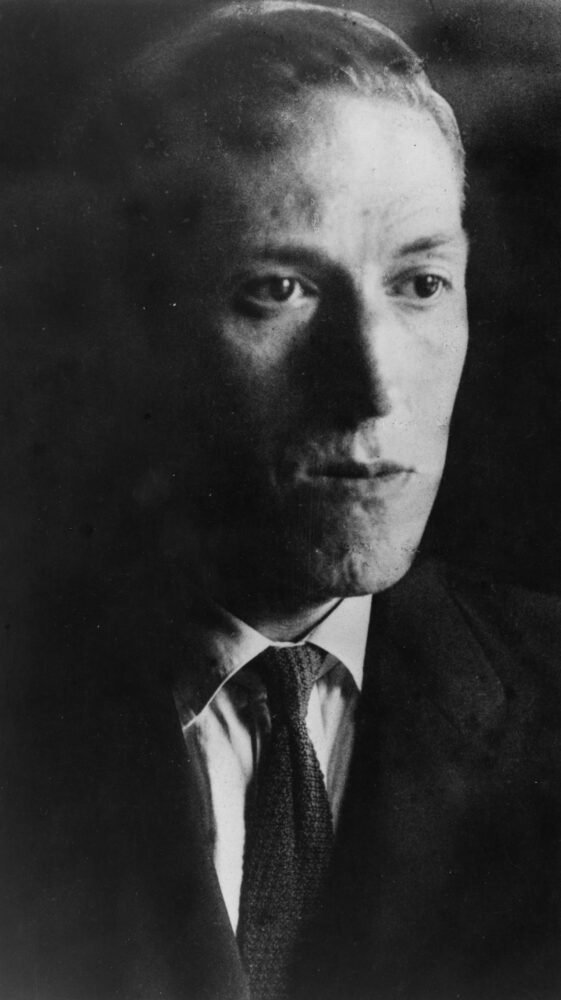
The Task of Taming H.P. Lovecraft: The undertaking to which this lengthy treatise—and the exhaustive articles which shall follow it—is dedicated, is one of profound, yet necessary, darkness. We embark here upon a meticulous, sequential expedition through the entire major body of fiction penned by Howard Phillips Lovecraft (1890–1937); not merely to recount the lurid,…
-
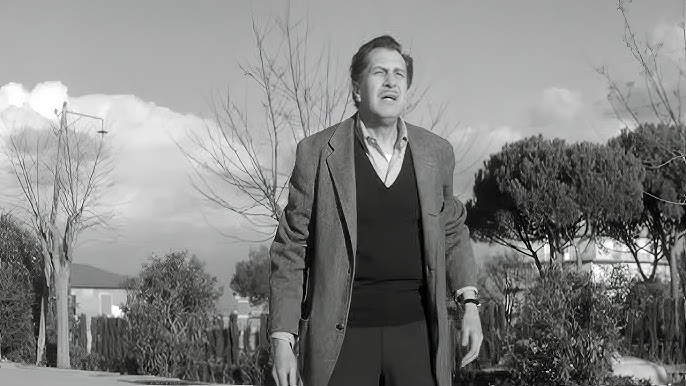
The Last Man (1826) – The Invention of Post-Apocalyptic Horror and the Terminal Annihilation of Hope The two preceding novels established Mary Shelley’s core thesis: the great horrors of humanity are self-inflicted, stemming from unchecked ambition and the ultimate failure to prioritize compassion and responsibility. With The Last Man, published in 1826, Shelley takes this…
-
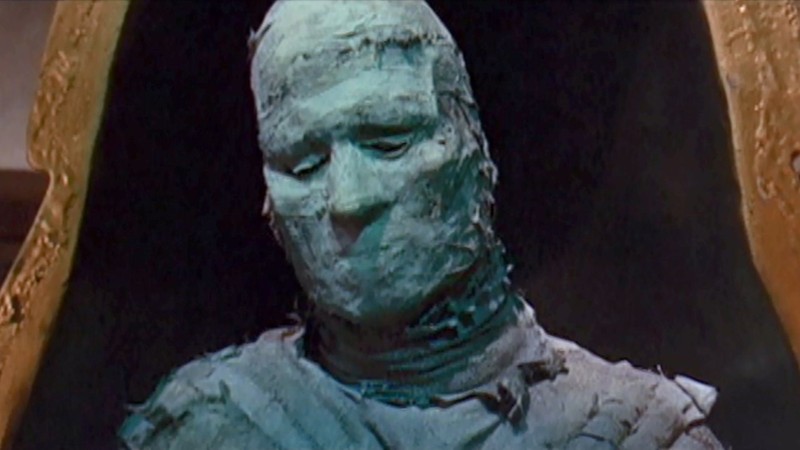
By 1964, Hammer’s Gothic machinery was running on instinct, guided less by inspired vision and more by the relentless momentum of commercial demand. The studio had resurrected monsters, seduced the dead, and given Technicolor blood a moral weight it hadn’t known before. Yet as The Curse of the Mummy’s Tomb emerged from the venerable, dust-shrouded…
-

By 1964, Hammer Films stood at a crossroads. The great Gothic cathedral they had built—of blood, faith, and moral dread—was showing its cracks. Dracula and Frankenstein had already carved their myths deep into British cinematic history, terrifying and scandalizing audiences across the globe. Yet the hunger for more persisted. The world demanded another resurrection, another…
-

Mathilda (1820) – The Abyss of Guilt and the Horror of the Self If Frankenstein was Mary Shelley’s grand, thunderous statement on the dangers of scientific ambition, then Mathilda is her whispered, devastating confession about the failures of the human heart. Written just two years after the publication of her magnum opus, this 1820 novella…