Author: Neil Gray
-
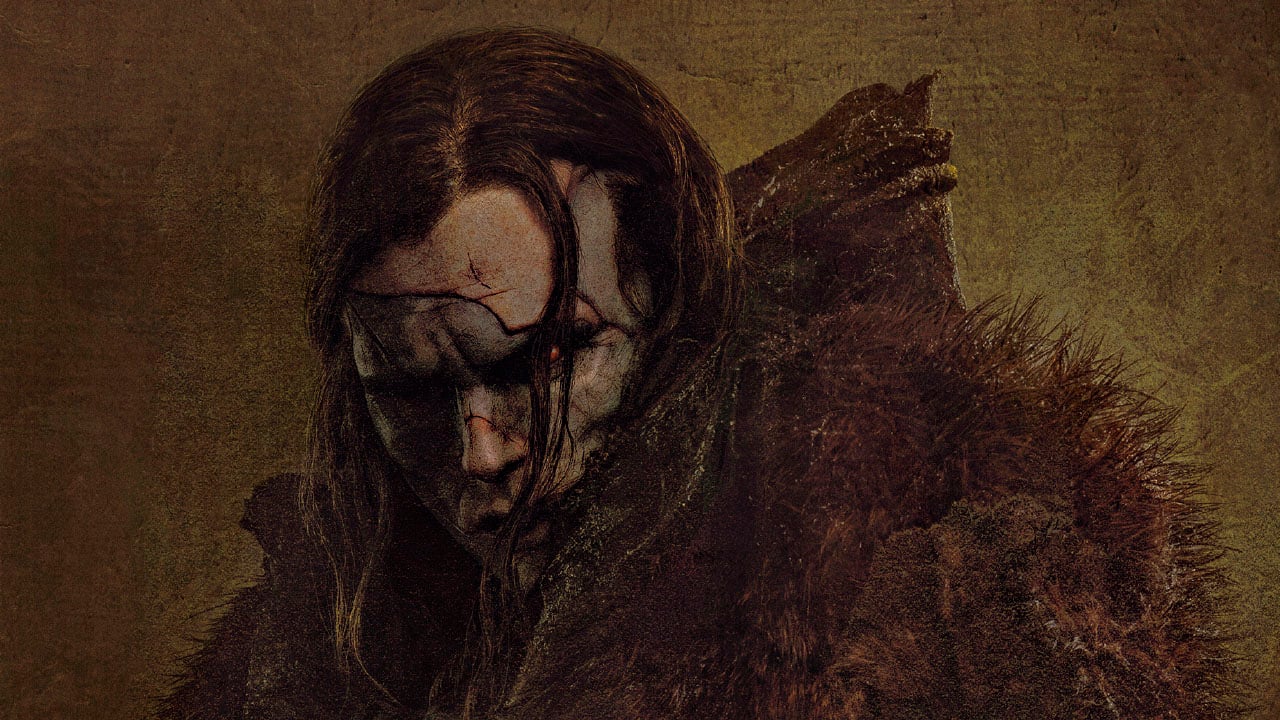
Frankenstein: The Spark of Being and the Birth of Modern Dread For too long, the story of Frankenstein has been trapped in the realm of bad costumes, green-painted foreheads, and B-movie screams, but that is an injustice that entirely misses the dark, vital truth: Mary Shelley didn’t just write a Gothic ghost story in 1818;…
-
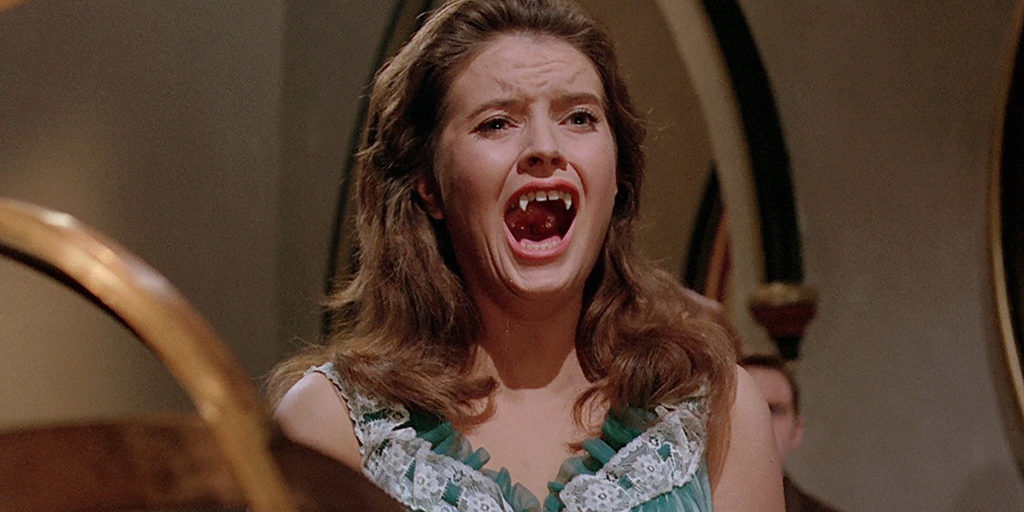
By 1963, Hammer’s cathedral of Gothic horror stood tall. Dracula had already bared its fangs to the world; Frankenstein had resurrected the flesh of gods; The Phantom of the Opera had mourned beauty’s decay beneath the stage. But now, with The Kiss of the Vampire, Hammer stepped into a new chamber — one where the…
-
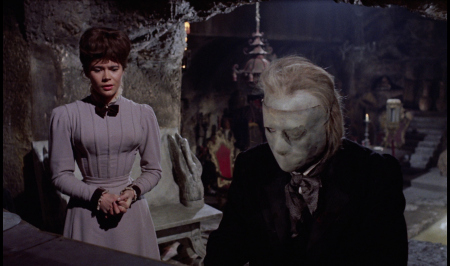
By 1962, Hammer’s Gothic world had already been soaked in blood and revelation. Dracula and Frankenstein had rewritten the language of British horror; The Curse of the Werewolf had turned that language into lamentation. And then came The Phantom of the Opera — not a storm of violence, but a sigh. Terence Fisher’s Phantom is the…
-
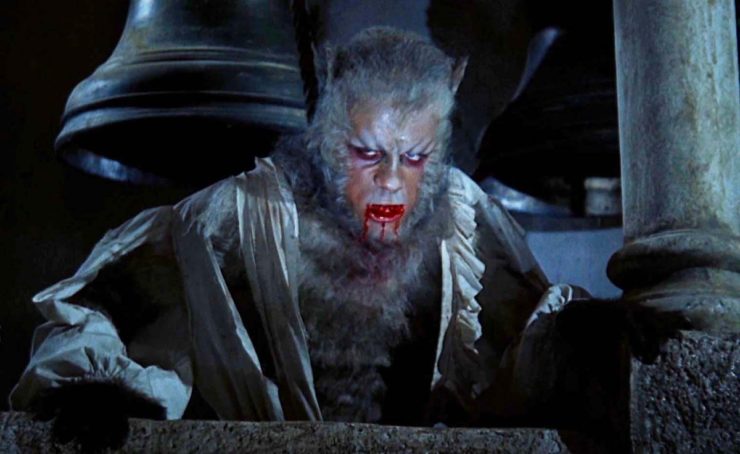
By 1961, Hammer had built a cathedral of color and shadow. Their Gothic universe was now a mythology unto itself — stitched together from the corpses of old legends, electrified by desire, faith, and decay. Into that world of crucifixes and candlelight came The Curse of the Werewolf, Terence Fisher’s lone venture into lycanthropy. It…
-
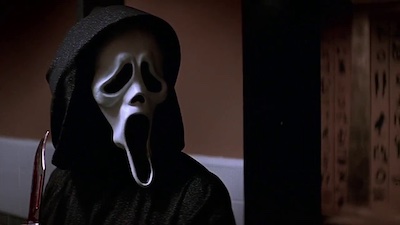
Act I: The Fucking Foreplay You all know the drill. You hear the magic word—SEQUEL—and the blood runs cold, not from fear, but from disappointment. It’s a studio contract, a cash-grab, a cynical, focus-grouped piece of cinematic product designed to wring a few more dollars out of a perfectly finished corpse. It’s a mandatory encore…
-
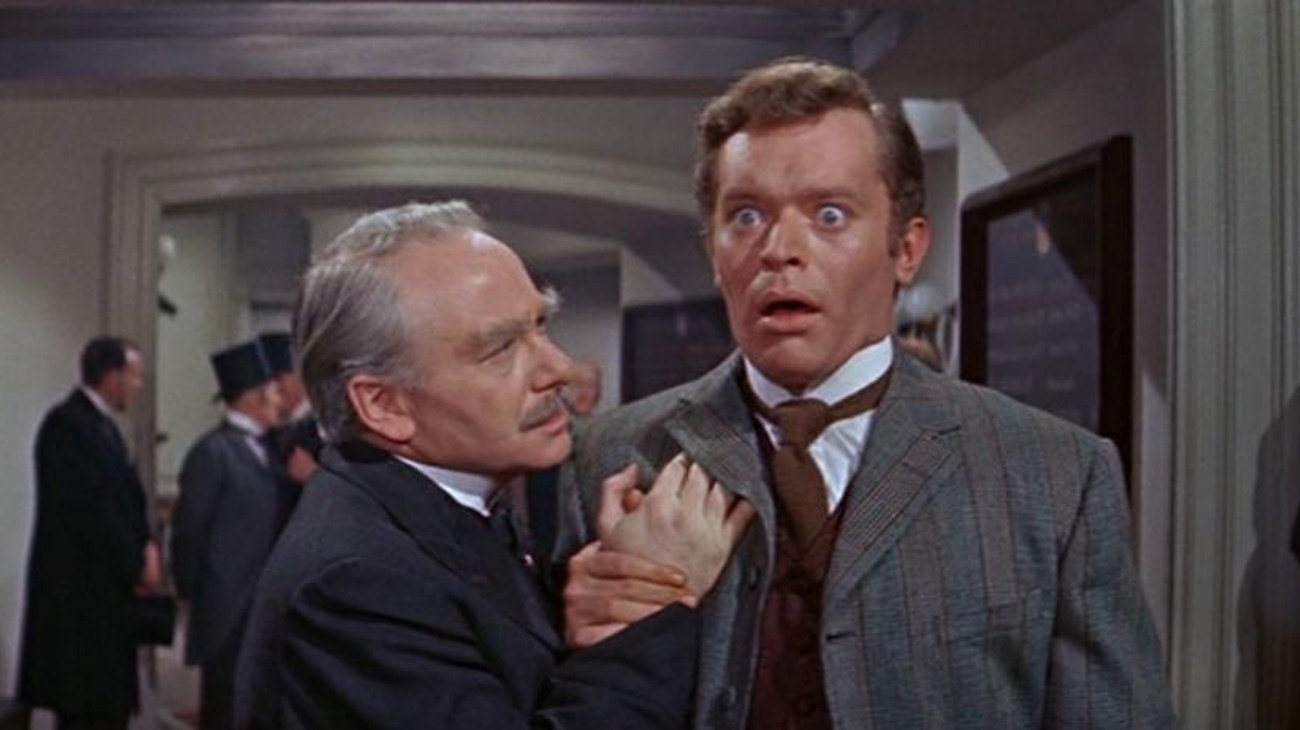
By 1960, Hammer Films had conquered the Gothic. Dracula and The Curse of Frankenstein had redrawn horror in shades of crimson and candlelight; The Brides of Dracula had turned that terror into liturgy. And then, without warning, Terence Fisher turned the gaze inward. The Two Faces of Dr. Jekyll is not a film of monsters…
-
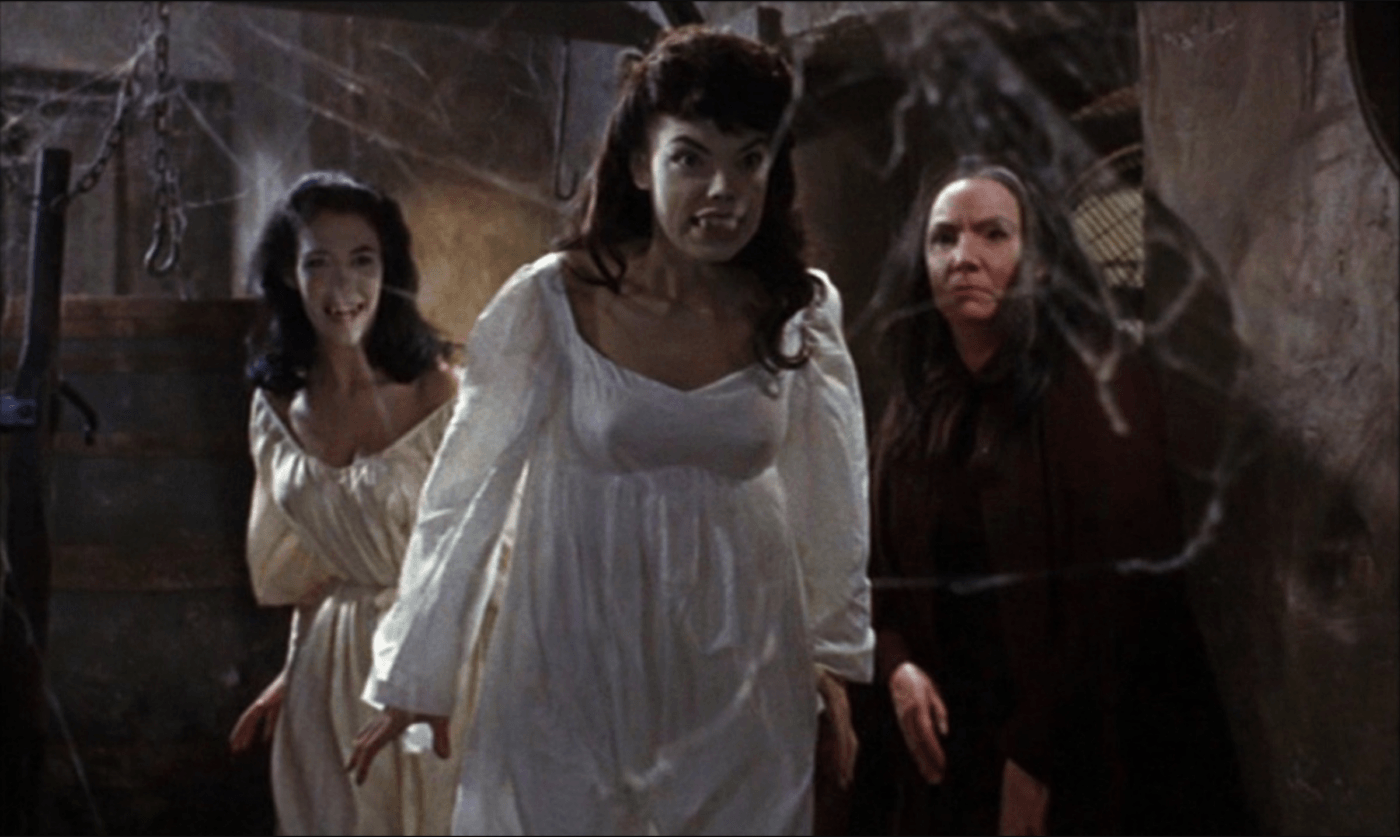
If Dracula (1958) was Hammer’s resurrection — the blood-soaked birth of modern Gothic horror — then The Brides of Dracula was the sermon that followed. This is Terence Fisher’s cathedral of the damned, his hymn to sin and salvation sung through fangs and candlelight. It is also a paradox — the Dracula film without Dracula,…
-

By the end of the 1950s, Hammer had perfected resurrection. They had resurrected Frankenstein, resurrected Dracula, even resurrected the very idea of Gothic cinema. And now, with The Mummy, they turned resurrection itself into religion. Released in 1959, The Mummy is not merely a remake of the Universal classic — it’s a reinvention. A funeral…
-
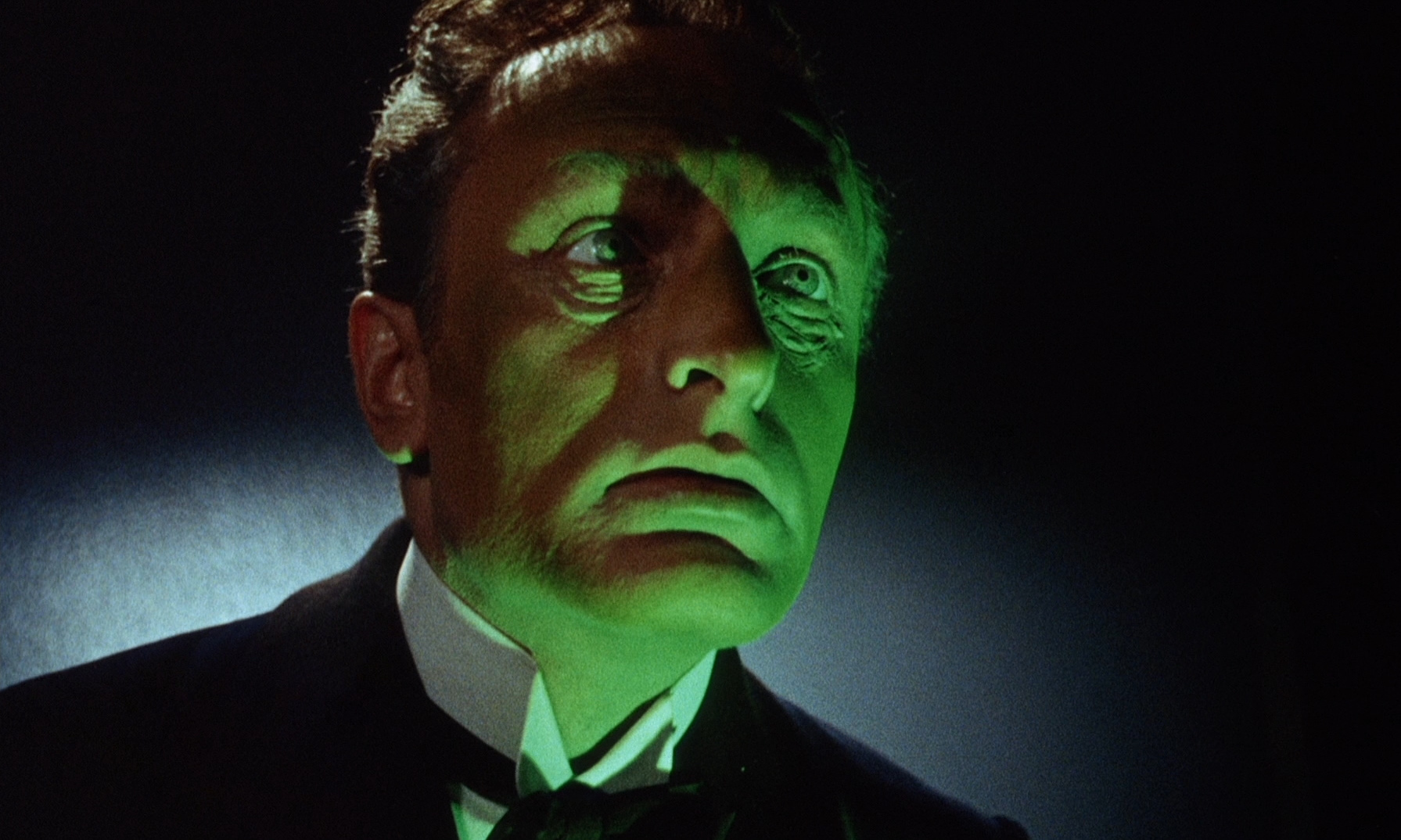
By 1959, Hammer had become an empire of beautiful decay. The blood of Frankenstein had dried to a glossy crimson, The Hound of the Baskervilles had wrapped dread in civility, and the studio was now looking inward — away from monsters, toward man’s most intimate horror: the fear of dying. The Man Who Could Cheat…
-
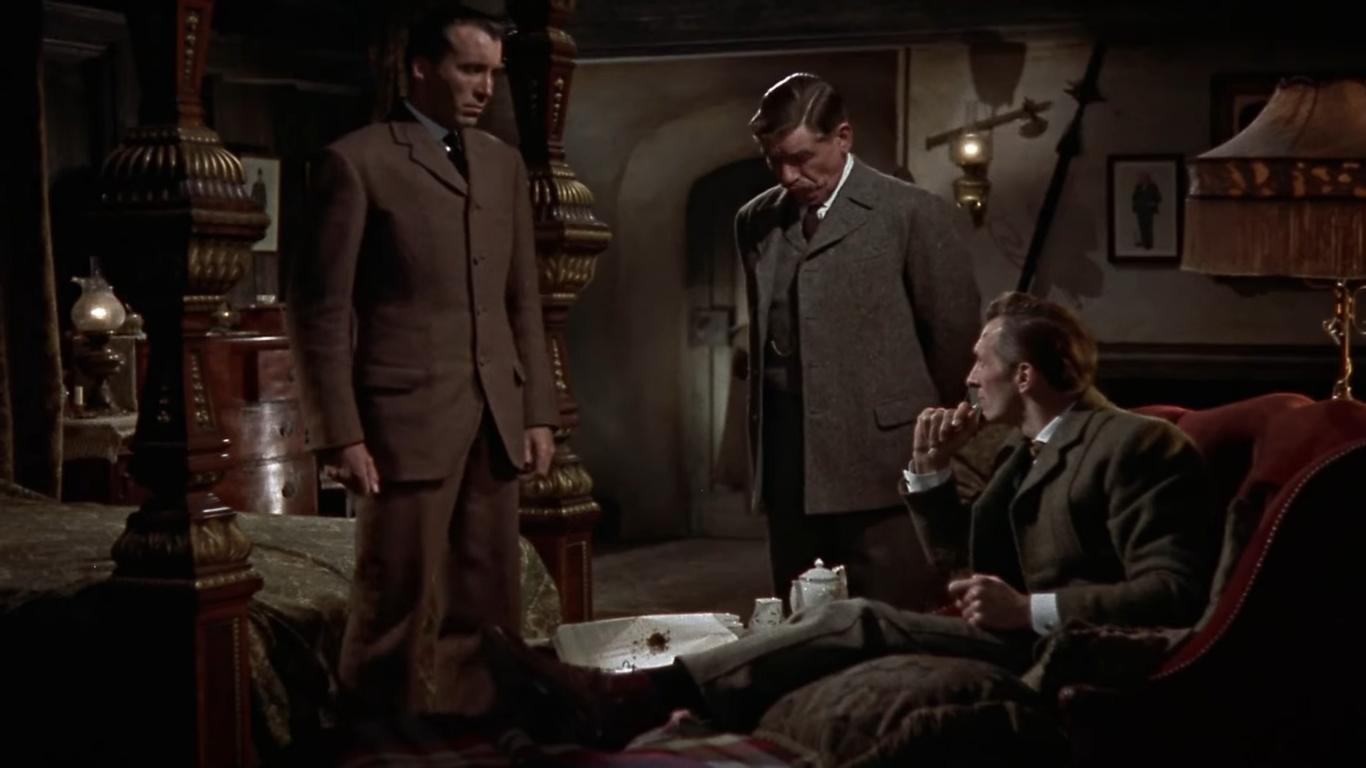
After The Revenge of Frankenstein, Hammer had nothing left to prove. The blood had already been spilled, the moral lines blurred beyond recognition. What came next wasn’t escalation — it was refinement. The Hound of the Baskervilles (1959) wasn’t about gore or monstrosity. It was about atmosphere. About dread that slithers rather than strikes. This…