-
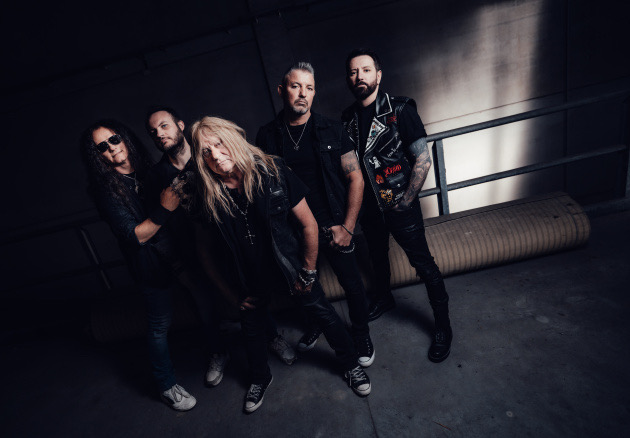
More than three decades after it was first conceived, a song written during early-’90s Gotthard sessions has finally found its way onto a record. Howling At The Moon, originally written by Jgor Gianola and the late Steve Lee, has been rediscovered and reworked by CoreLeoni for their upcoming album Generection. Led by Gotthard founding member…
-
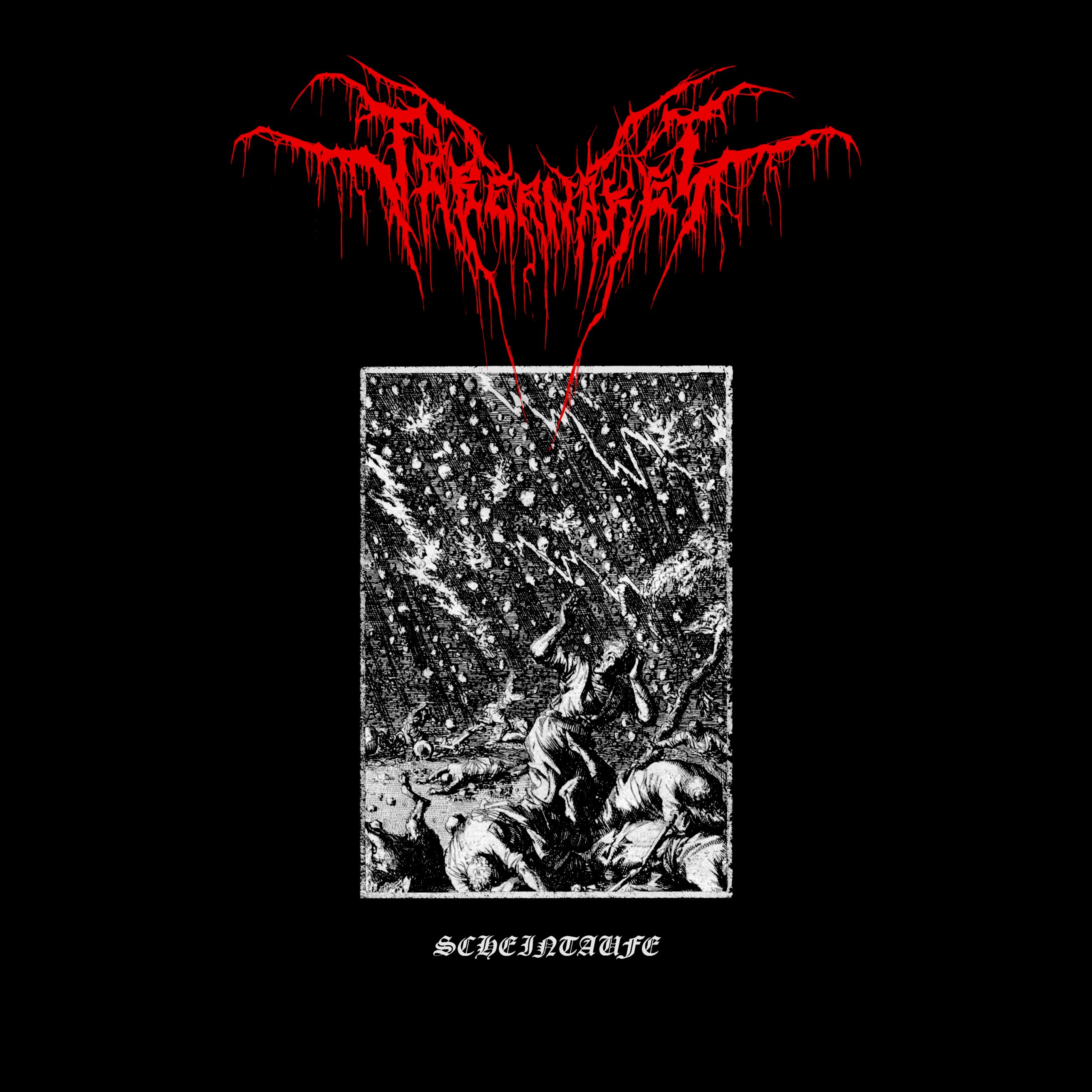
Listening to an album sung entirely in a band’s native tongue is a unique experience. After all, a lot of what I get from music is based as much on the words I am hearing as the sounds themselves. Now, when that involves black metal, as a lot of you know, without a lyric sheet…
-
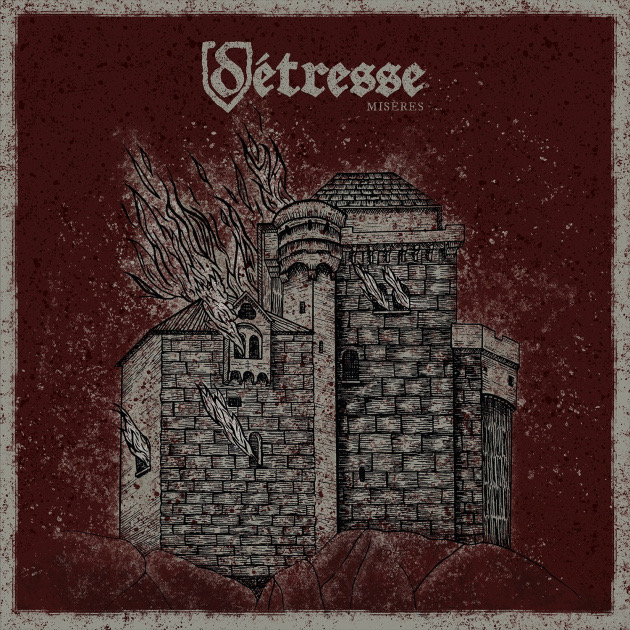
Black metal has never had much interest in offering easy answers. At its best, it shines a harsh light on humanity’s darkest instincts, and that’s exactly the path Détresse continue to follow with their second album, Misères, due for release on October 9 through Vendetta Records. Born from a collaboration between musicians in Austria and…
-
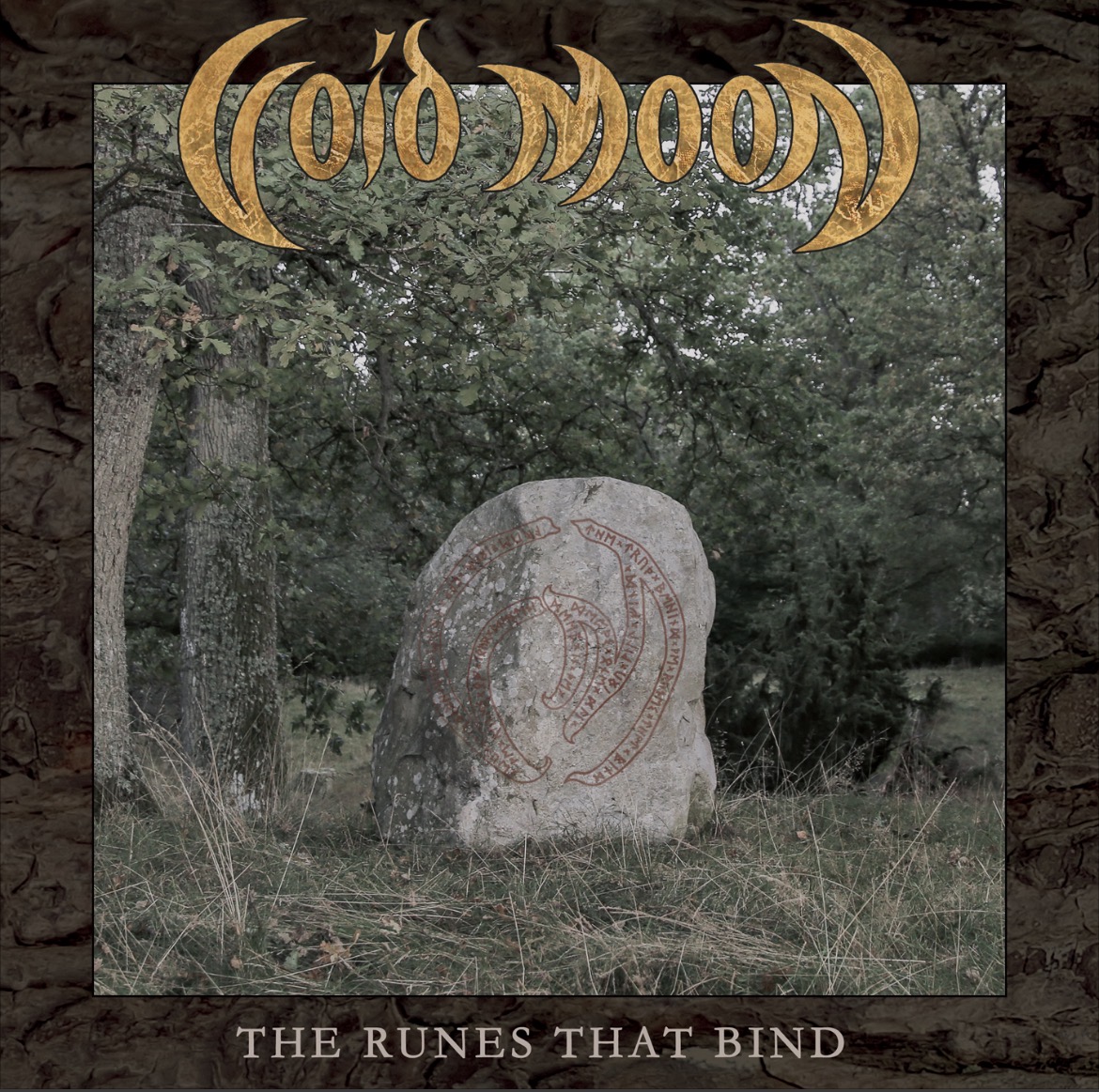
Epic doom has never been about chasing trends, and Sweden’s Void Moon have spent more than a decade proving exactly that. The band return on August 28 with The Runes That Bind, a new three-track EP arriving through Obelisk Polaris Productions. Founded by bassist Peter Svensson, Void Moon have built a steady presence within the…
-
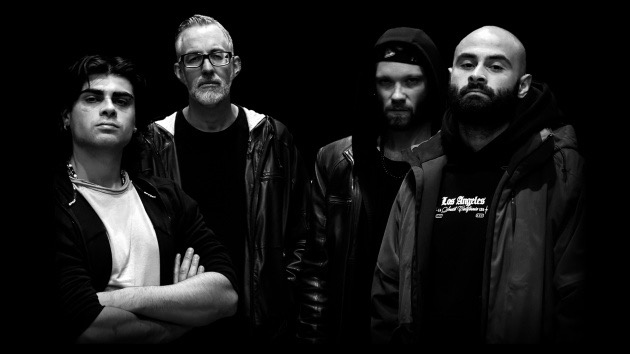
Moving to a new country can reshape more than just everyday life. For UK post-metal band Thrakian, it has become the foundation of their debut album, The Way. Originally formed by musicians from Bulgaria and now based in Wales, the quartet channel themes of identity, displacement and resilience into a sound that combines post-metal with…
-
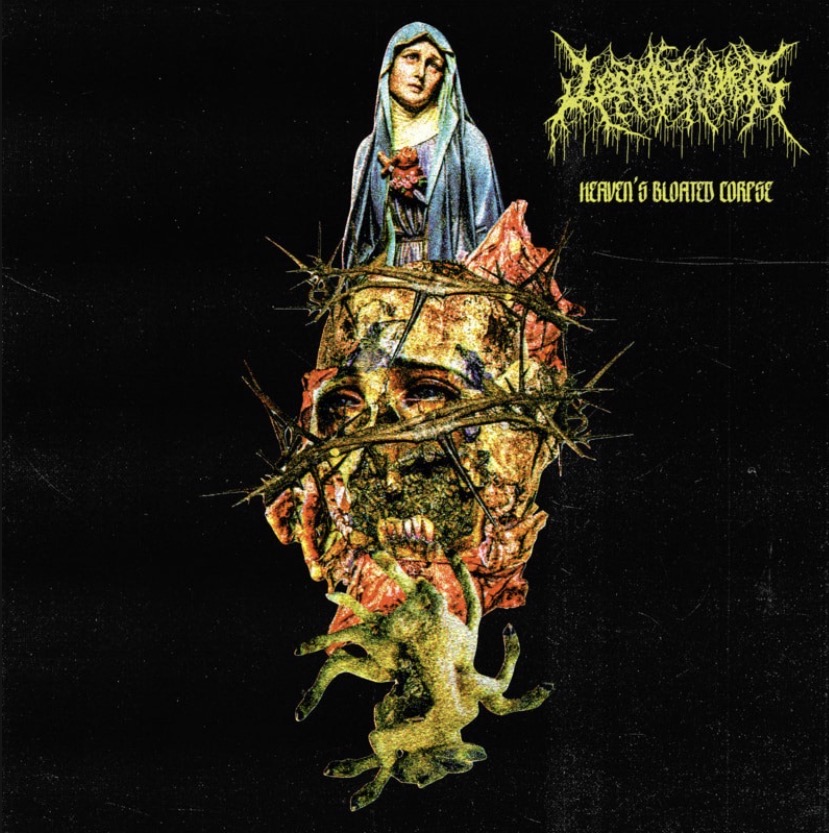
There aren’t many bands willing to describe themselves as playing “dissident death metal,” but Ireland’s Leadbelcher aren’t interested in taking the conventional route. Formed in 2024 by members and former members of bands including Sermon Of Flames, Mortichnia and Coscradh, the group will release their debut album, Heaven’s Bloated Corpse, on October 16 through Apocalyptic…
-
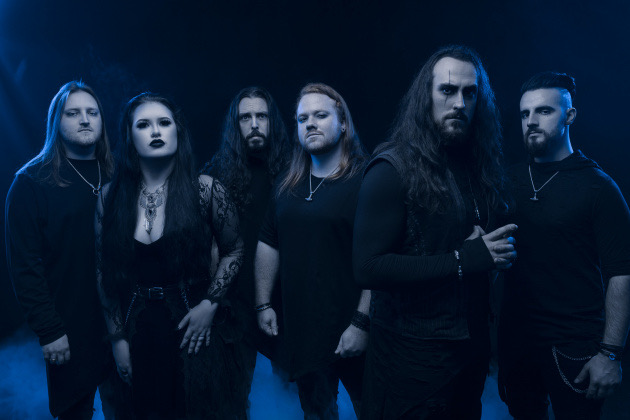
Some songs become milestones for a band, and for Australia’s Valhalore, Horizon was one of them. Originally released as the group’s first new music in six years, the track helped launch the run that led to Beyond The Stars, a deal with Reigning Phoenix Music / ROAR, and an expanding international profile. Now the band…
-
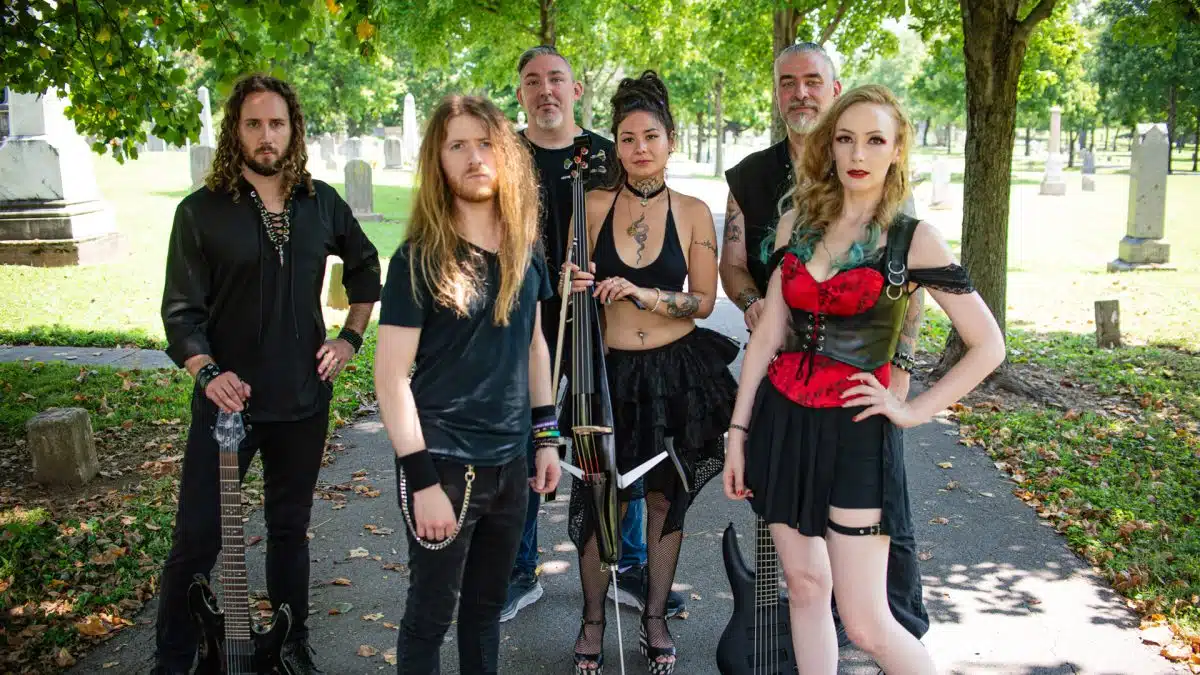
There is something timeless about looking up at a clear night sky, and Nashville symphonic power metal band Valkyrie’s Fire have taken that simple moment as the inspiration behind their new single Cascade. The track arrives alongside a new music video and is the second preview from their upcoming album Out of Darkness, due for…
-
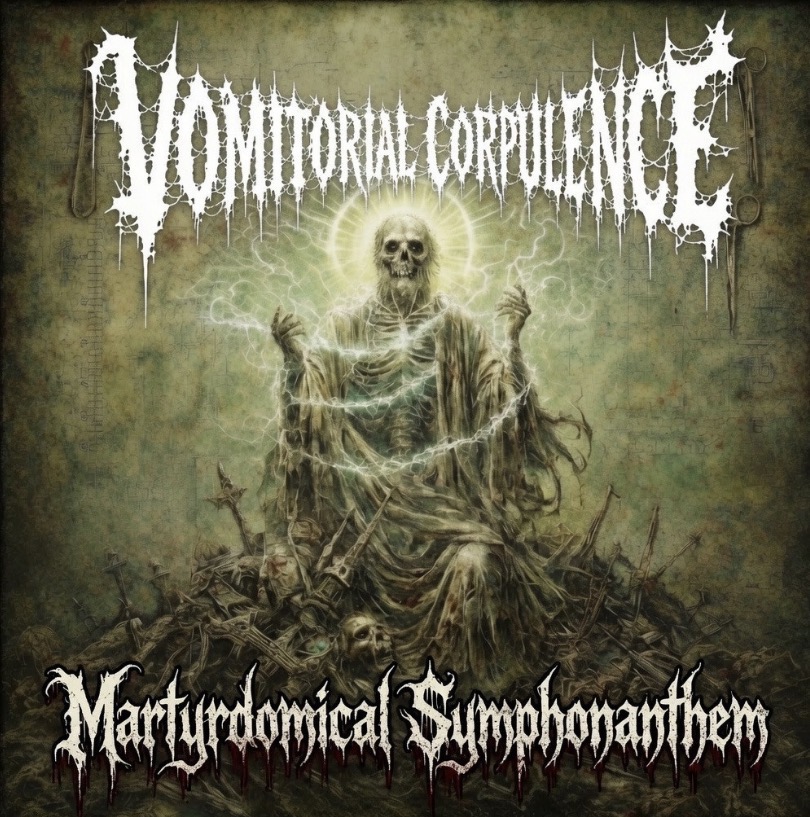
There are some band names that tell you exactly what you’re dealing with before you even hear a note. Vomitorial Corpulence are one of those names. Emerging from Melbourne’s extreme metal underground in the early 1990s, the band became one of the early forces in Australia’s goregrind and grindcore scene before disappearing from view. Now,…
-
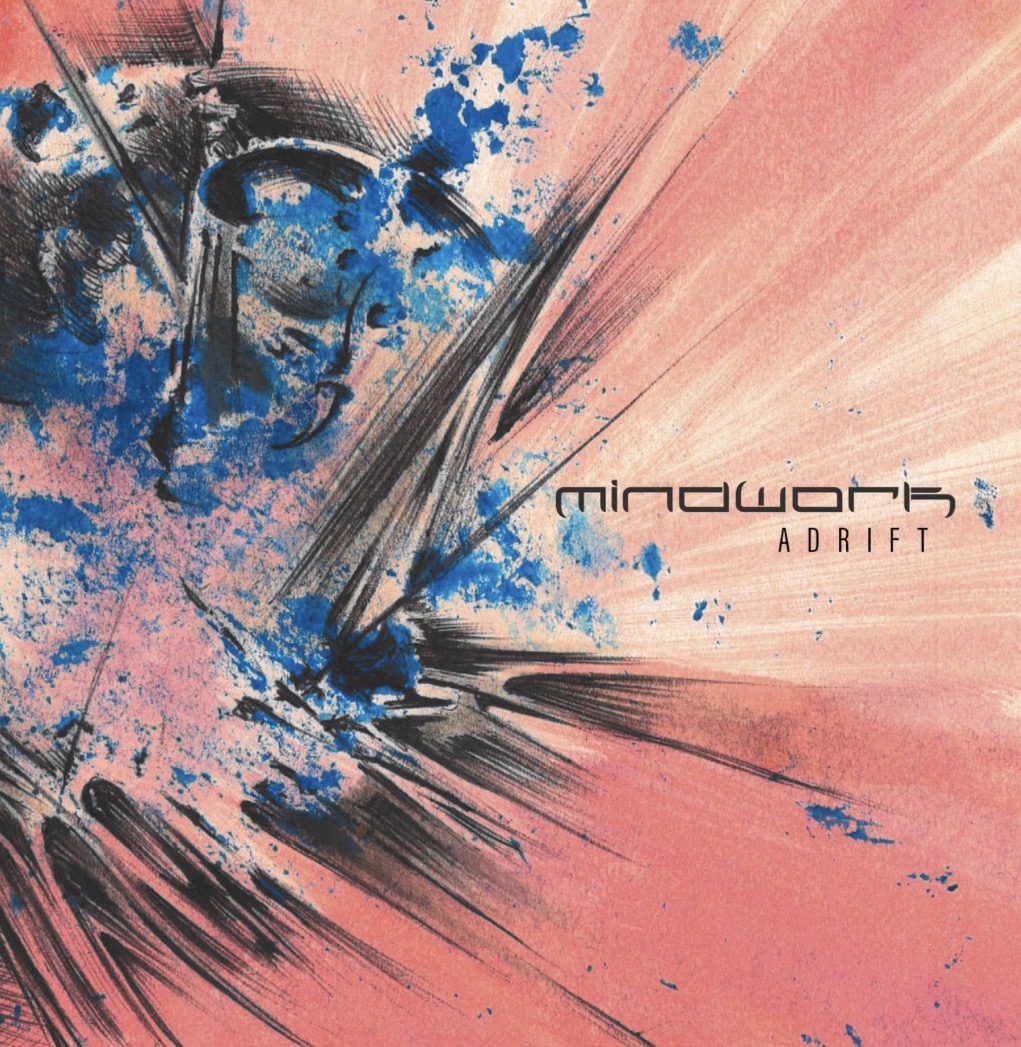
Fourteen years is a long time between albums, but Czech progressive death metal outfit Mindwork are finally back. The band will release Adrift, their first full-length since 2012’s Eterea, on August 27 as an independent release. Formed in 2007, Mindwork quickly made an impression on the Czech metal scene, earning two Anděl Award nominations before…