-
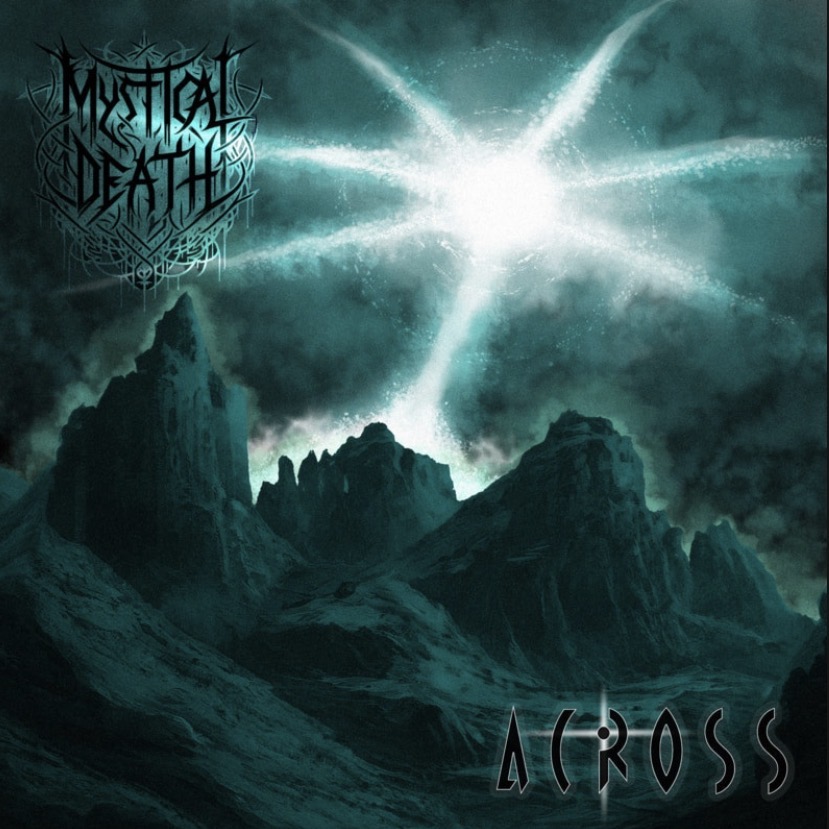
Dutch progressive technical death metal outfit Mystical Death will release their debut album, Across, on November 6 through Rottweiler Records. Formed in early 2024, the band independently released their debut EP, Carnation, later that year. The release caught the attention of Rottweiler Records, which reissued the EP in late 2025 with an additional bonus track.…
-

British occult horror Harbinger is set to arrive on UK digital platforms on August 11 through Miracle Media. The film centres on a sinister fortune-telling machine possessed by the spirit of a satanic serial killer, using its power to claim souls and return to the world of the living. Combining classic British horror influences with…
-

Chilean heavy metal outfit Domic have released Messenger Of The Last Words, the final preview of their forthcoming album, Where Echoes End, due in September. Driven by the band’s neoclassical heavy metal sound, the new single takes its lyrical inspiration from One Hundred Years of Solitude. The song centres on Amaranta Buendía, who, after learning…
-
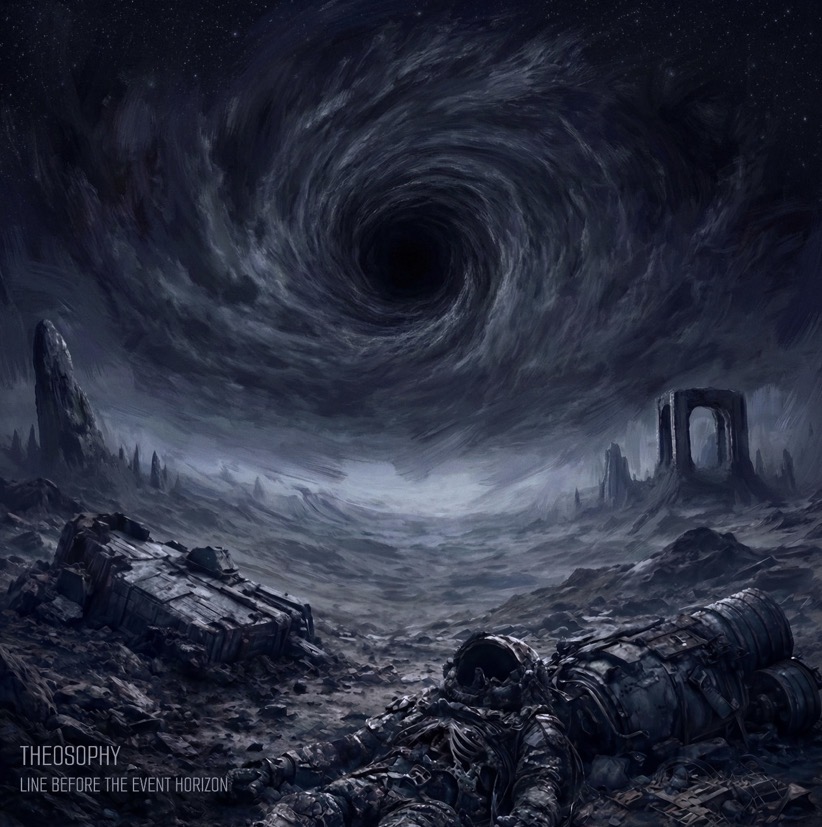
Russian black metal veterans Theosophy are set to release their seventh studio album, Line Before The Event Horizon, on September 25 through Apocalyptic Witchcraft. Since emerging in 2008 with a split release alongside fellow Russians Bizarrekult, the band have built an extensive catalogue that includes six studio albums, a live album, a compilation and several…
-
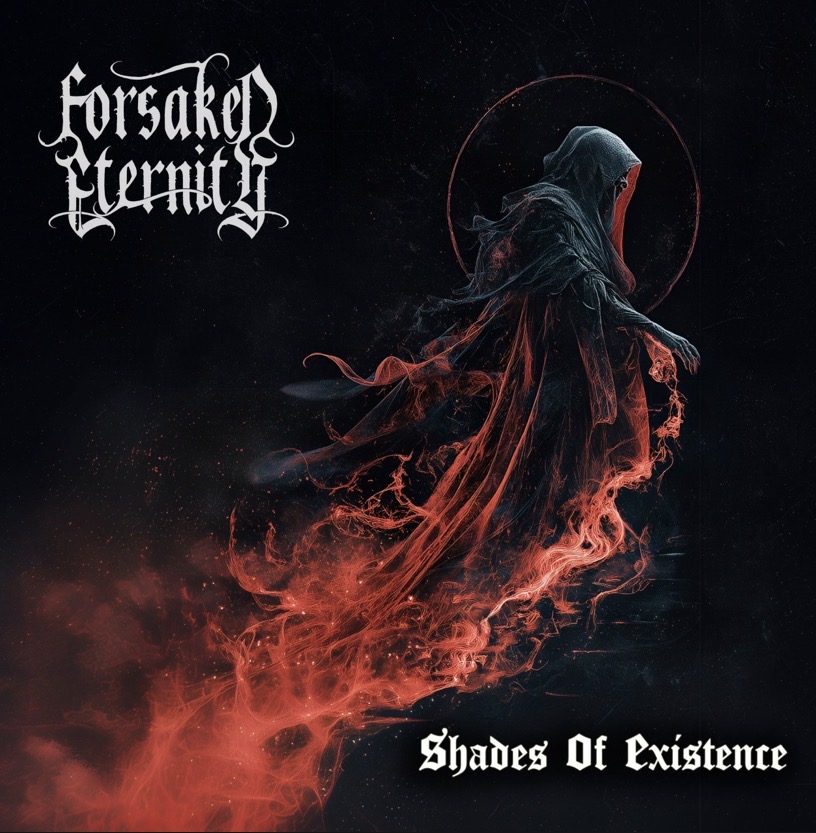
Four years after the release of their debut album, A Kingdom Of Ice, Portland, Oregon melodic death metal outfit Forsaken Eternity have announced their second full-length, Shades Of Existence, due out on September 25 through Rottweiler Records. Core members Vladislav Gayko and Nathan Mote remain at the heart of the project, joined by drummer Pierce…
-

If you come into Rapture and Perversion, the new split EP by Hessian and YHWH, expecting a fully produced, bombastic piece of overblown extreme metal then, to quote South Park, you’re gonna have a bad time. However, if you come into it expecting a raw, lo-fi, unapologetically black metal offering to the gods of all…
-
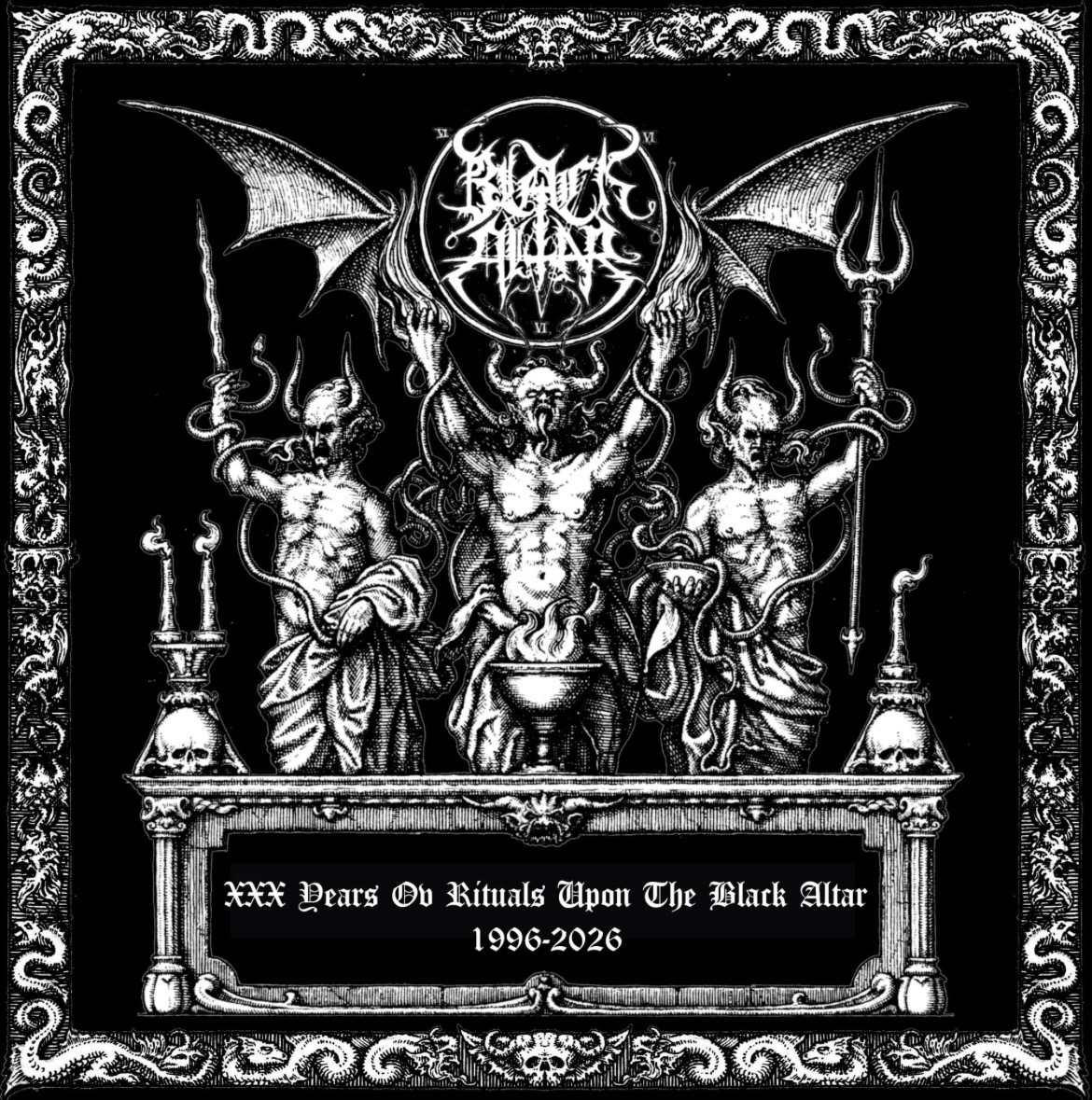
Odium Records have announced XXX Years ov Rituals Upon the Black Altar – 1996-2026, a special release marking 30 years of Polish black metal act Black Altar. The first track from the anniversary album, Infernal Damnation, is now available with an accompanying video. The release combines newly recorded material with selected songs from throughout Black…
-

Italian deathcore outfit Drown In Sulphur have released their latest single and accompanying music video, Groan From The IXth Circle, through Noble Demon. Taken from the upcoming EP Strix, due out on September 11, the track follows June’s New Moon Rising On Florence and offers another glimpse into the direction of the band’s revamped line-up.…
-
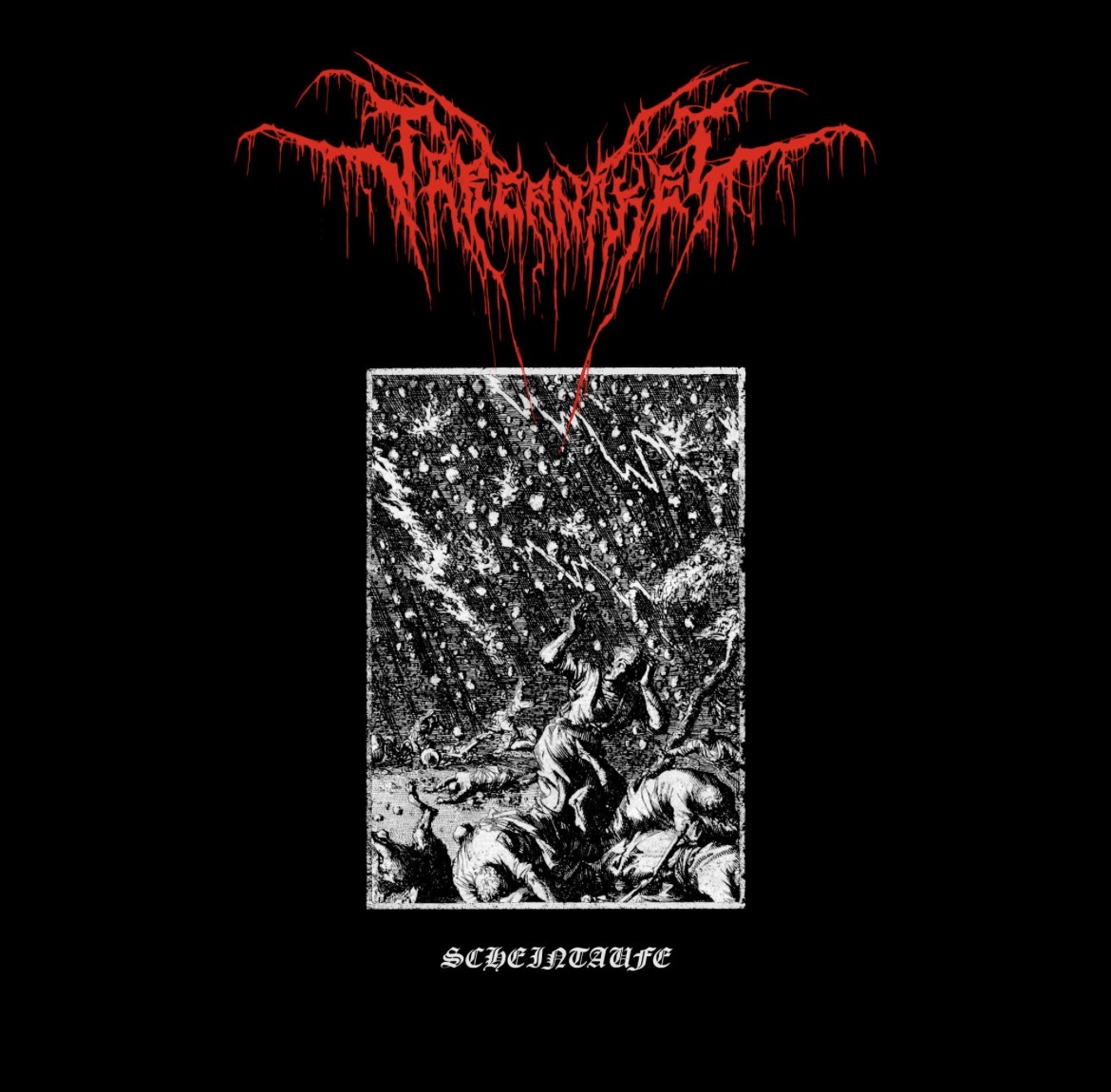
German black metal act Tabernakel have released their debut album Scheintaufe through Iconoclasm Conquest and Death Ecstasis Productions. Created entirely by Ignis Nefandus, Scheintaufe spans eight tracks across nearly 50 minutes, combining harsh riffs, shadowy melodies and the uncompromising spirit of early black metal. The album draws from the atmosphere and intensity of the genre’s…
-
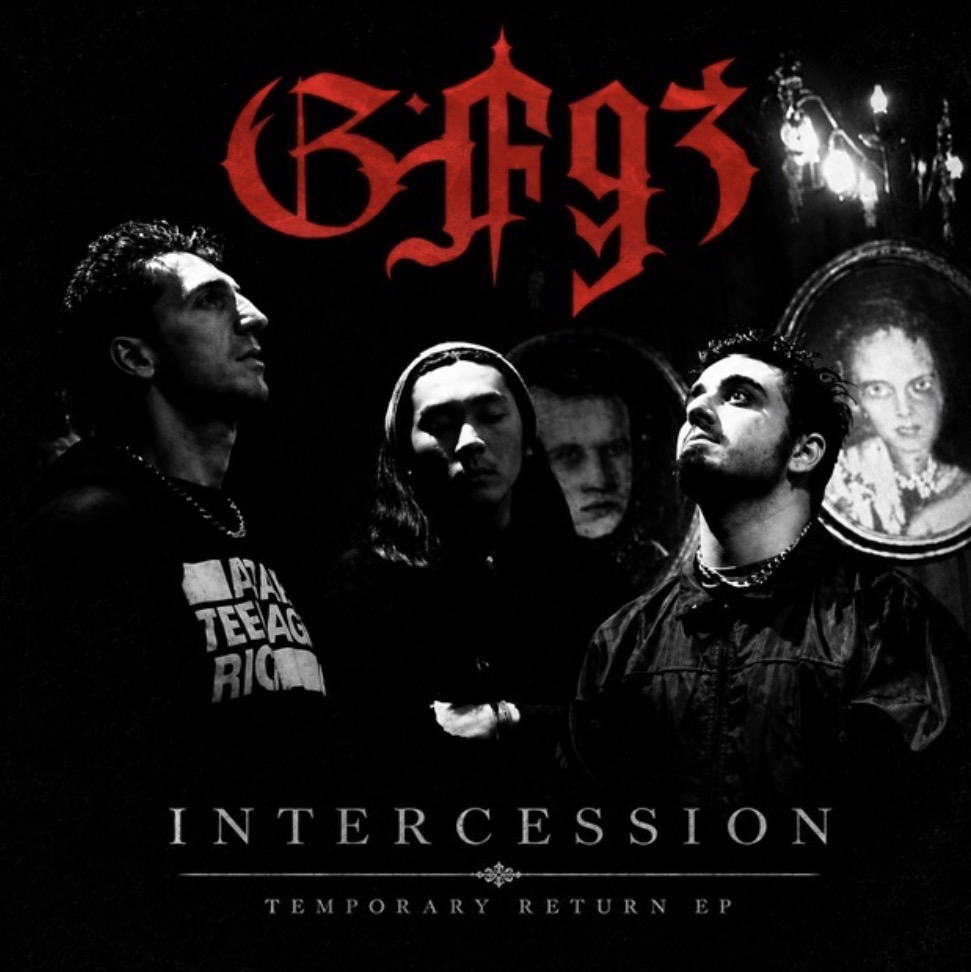
After 22 years away, Italian industrial metal outfit GF93 have resurfaced with Intercession, Temporary Return, a new EP that revisits three defining songs from the band’s catalogue through a darker, more atmospheric lens. The EP rebuilds Crist Buck RU, Demonology and Lost Boy with slower tempos, cavernous reverb and a heavier emphasis on atmosphere, transforming…