-
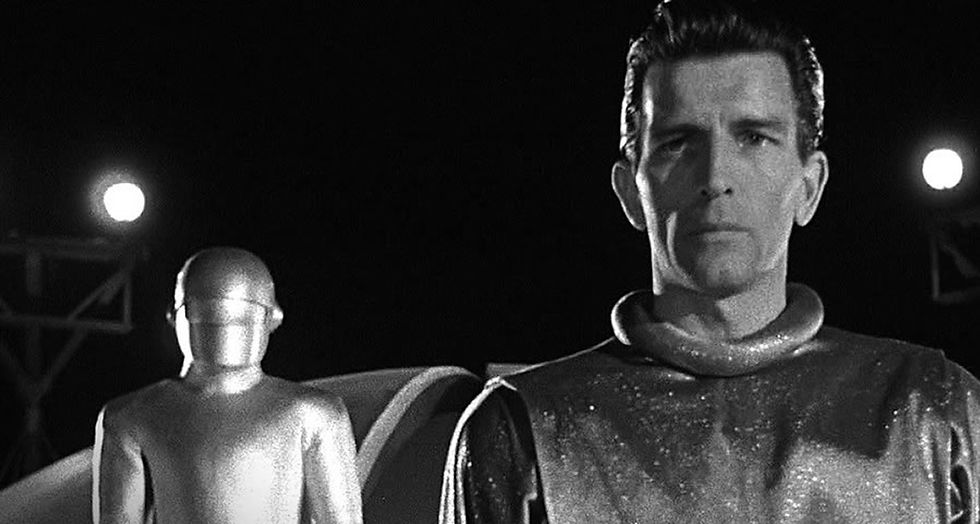
The Day the Earth Stood Still isn’t just a sci-fi movie. It is a cultural monolith. A clean, surgical slab of Cold War anxiety wrapped in chrome and delivered straight into the nervous system of 1951 America. This is Robert Wise’s The Day the Earth Stood Still. The real version. Not whatever that fucking awful…
-
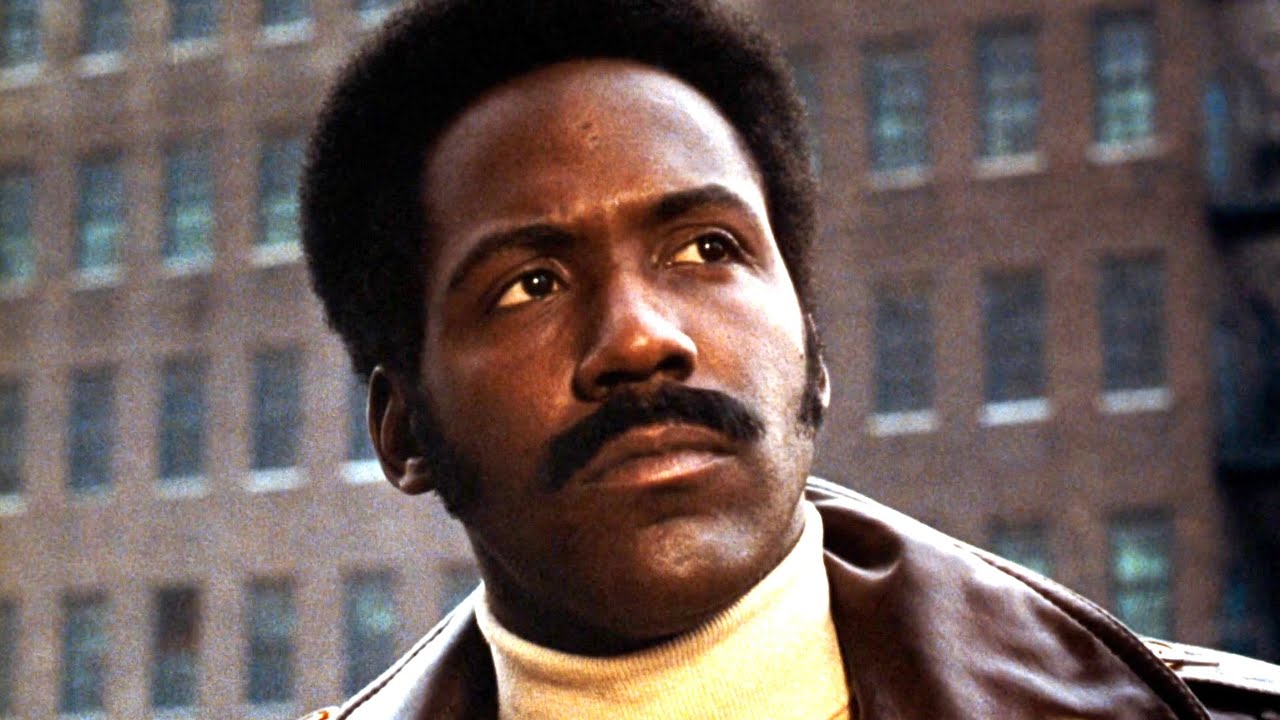
Listen up, you beautiful creeps and vinyl-spinning ghouls. Today we are digging into a 1971 hit that didn’t just change cinema; it kicked the door off the hinges, lit a cigar, and told the old guard to get the hell out of the way. We’re talking about Shaft. Directed by the legendary Gordon Parks, a…
-
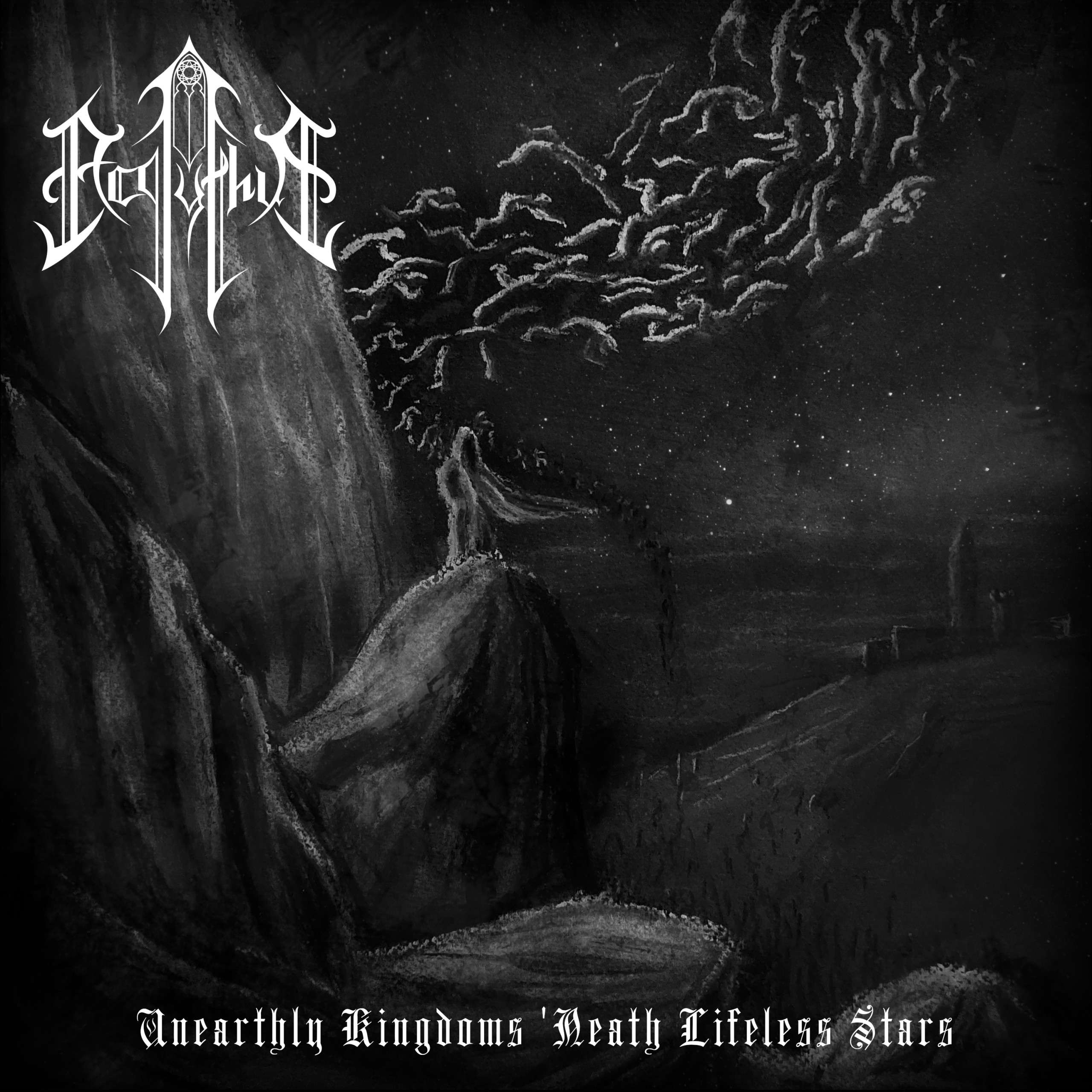
Finland and Heavy Metal are inseparable, like unpaid bar tabs and selective hearing, like rehearsal rooms that smell like damp cables and something that definitely died in 2003. There are more Metal bands per capita in Finland than there are reasons to leave the house, and every time you think the well has run dry,…
-
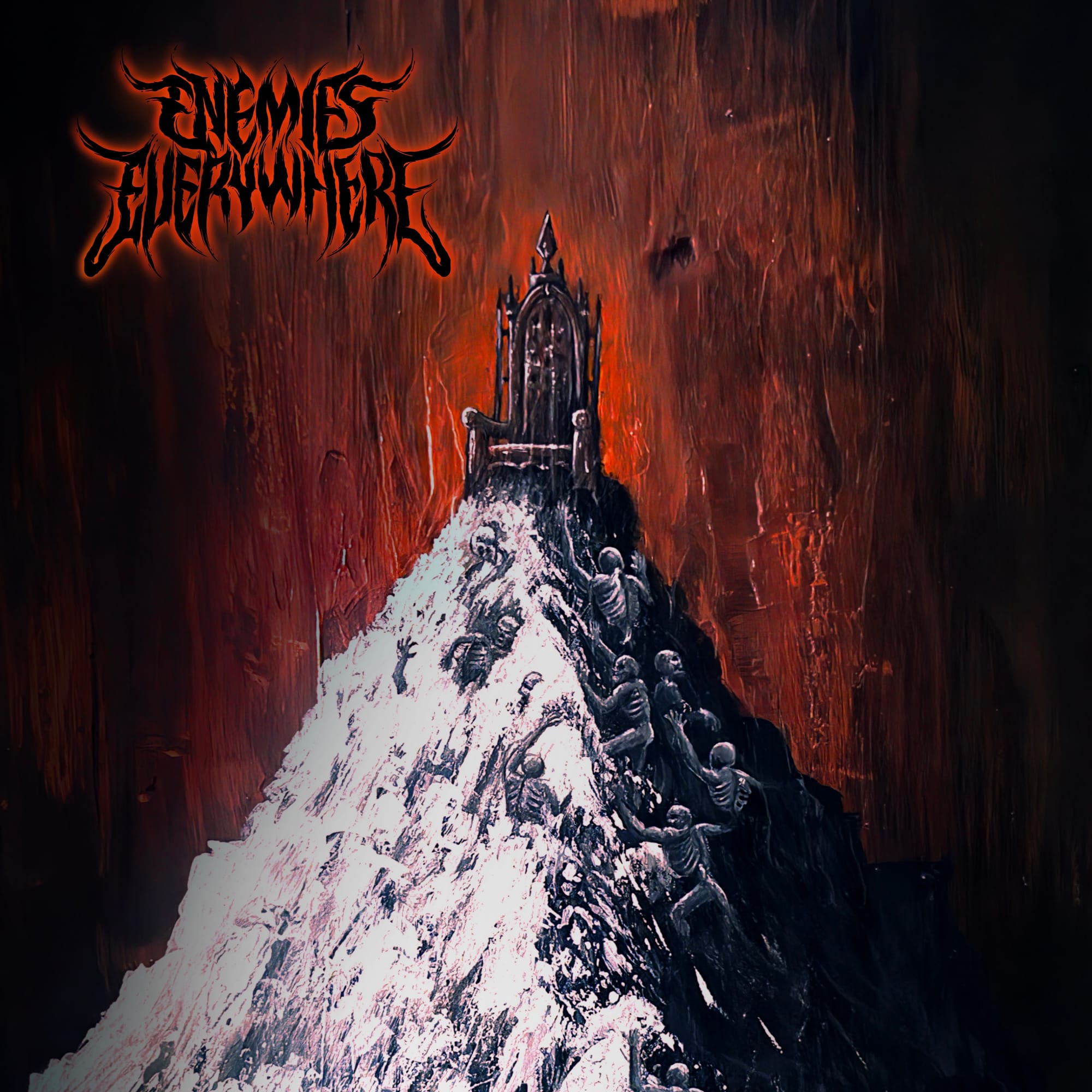
Since forming in 2022, Enemies Everywhere has been one of the busiest names in the Finnish Extreme Metal scene. After a massive run of shows at festivals like Bloodstock and Nummirock, and the addition of vocalist Sasu Mikkola in 2025, the band is officially moving into their next chapter. Their latest single, Atonement, is out…
-

The Australian duo Gopher has officially arrived with their debut, Tunnel Buddies, and it’s a chaotic mix of Grind Metal, and electronics that doesn’t take itself too seriously. Built by Ernie Bingo on vocals and Ned Smelly on guitars, the project leans hard into exaggerated storytelling and high-energy shifts, pivoting from blast beats and death/slam…
-
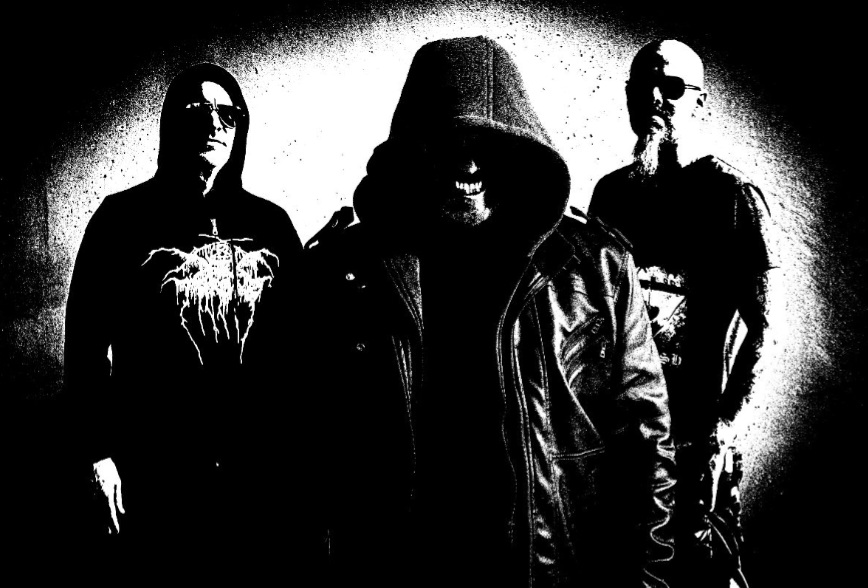
The Australian Extreme Metal supergroup Faustian is officially back, signing with Apocalyptic Witchcraft for their second album, Parable of the Sewer. The band is a bit of a powerhouse lineup, featuring members from The Berzerker, Psycroptic, Werewolves, Abramelin, and The Antichrist Imperium, and they’ve just dropped a visualizer for the lead single, Broken Better. The…
-
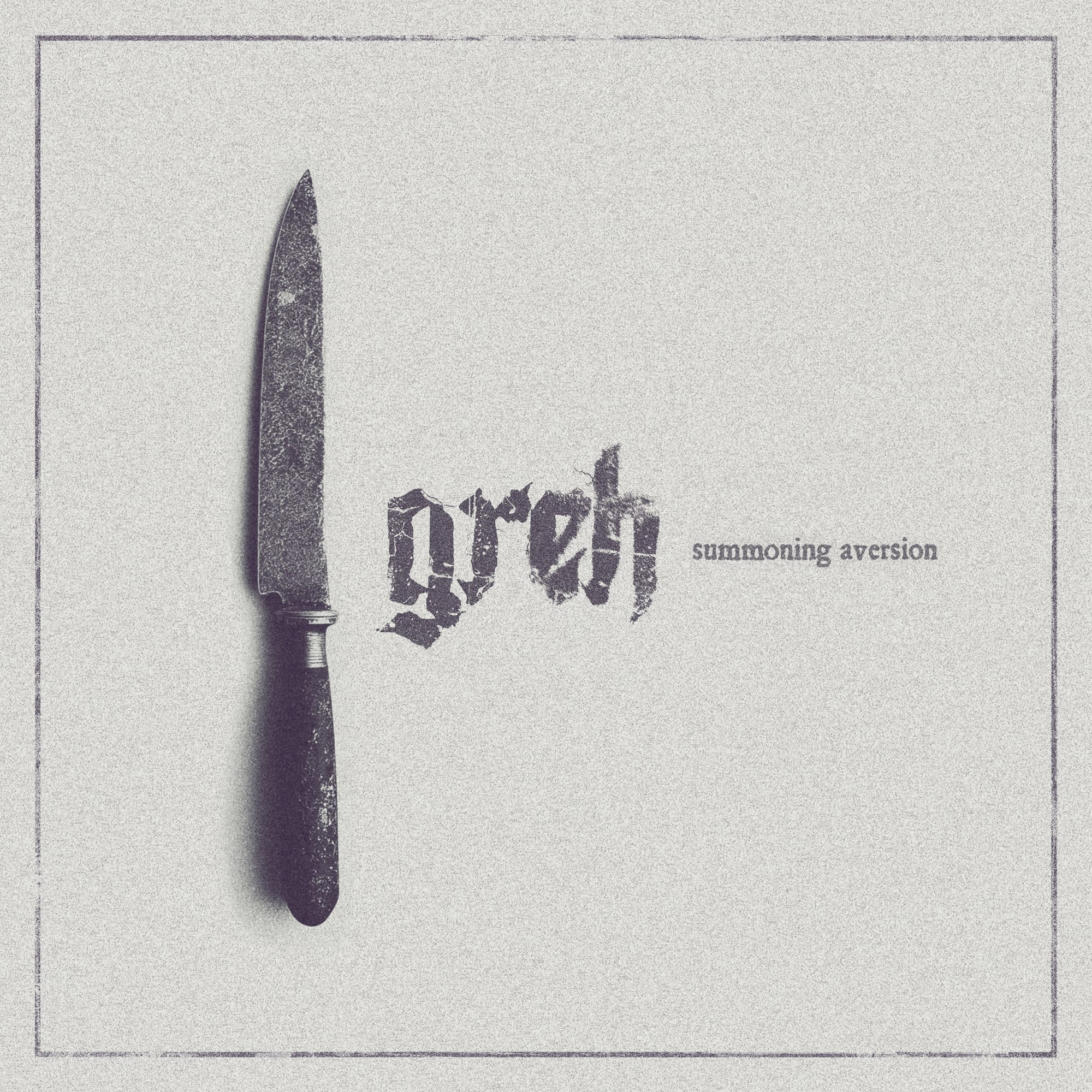
Greh has just dropped Summoning Aversion, giving us the first look at their upcoming album The Tyranny of Expectations due in early 2027. It’s a pretty sharp turn for the German trio; they’ve moved away from their Doom roots to lean into a much harsher mix of Black Metal and atmospheric synths. It’s stripped back…
-
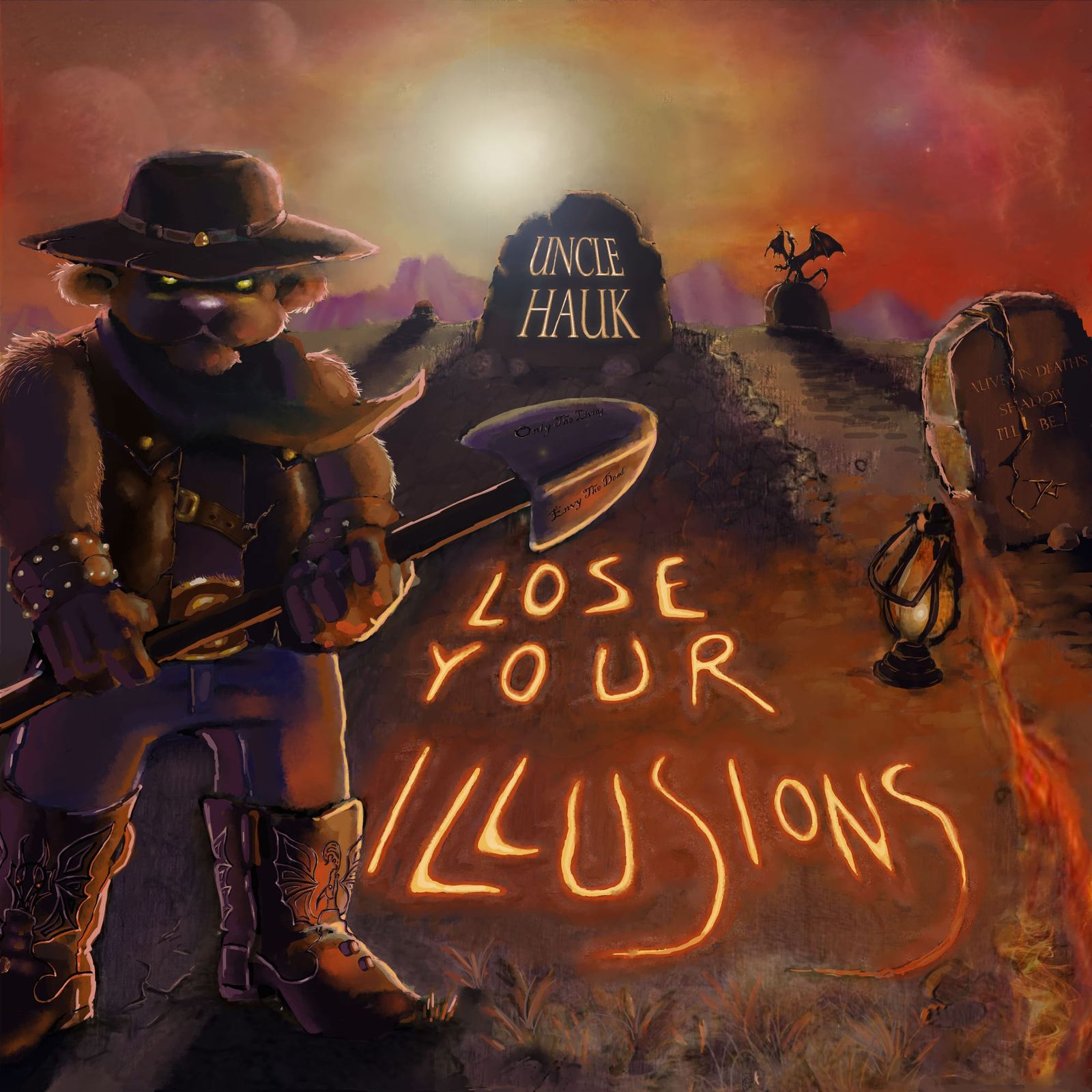
Uncle Hauk has officially unveiled Tsunami, the lead single from the upcoming solo album Lose Your Illusions. The project of multi-instrumentalist Hauk Heimdallsman, known for his work in Black Hat Society and Elf Queen, the new record spans nine tracks that refuse to be pinned down to a single genre. Instead, the music fluidly navigates…
-
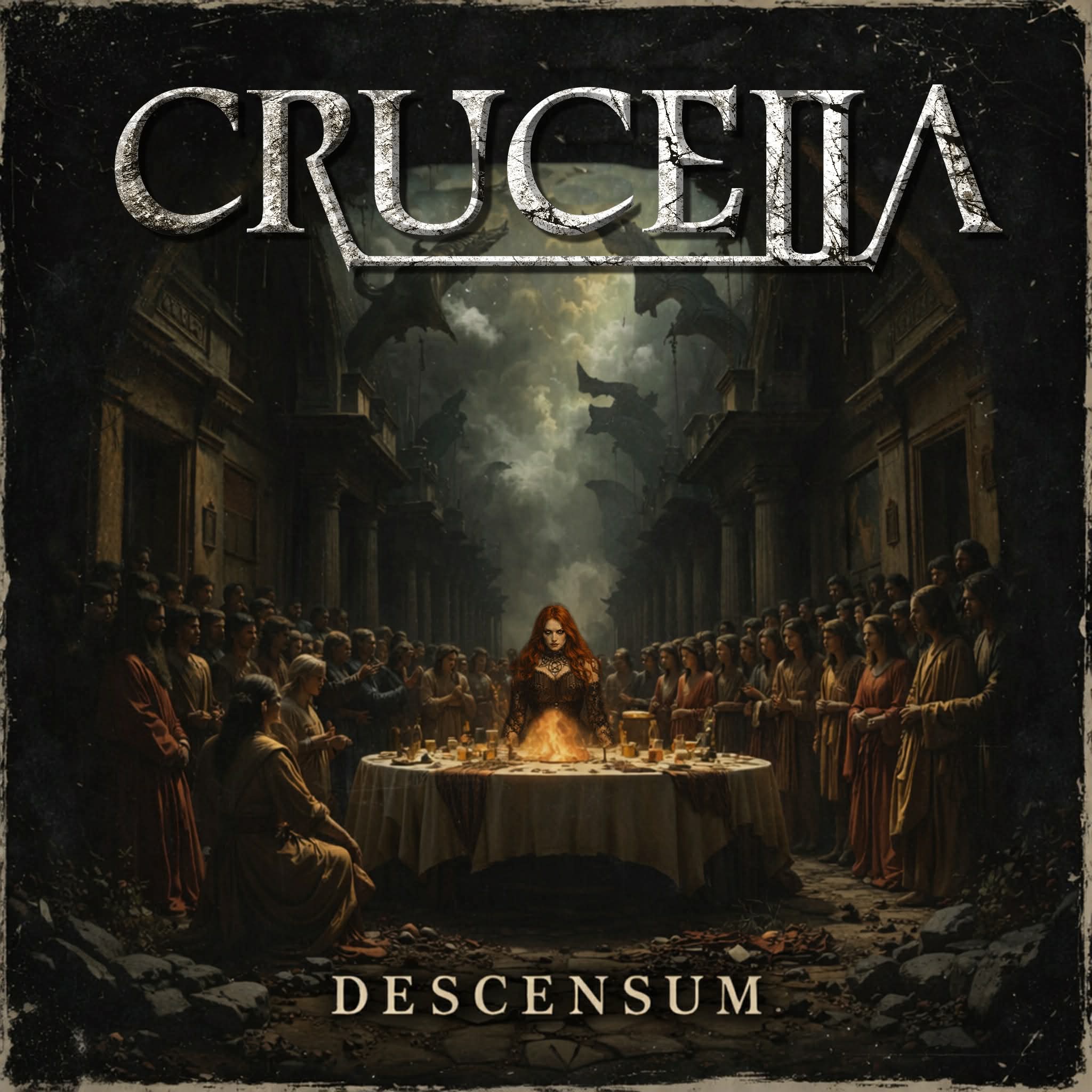
Swedish metal act Crucella has officially released their latest single, Descensum, a haunting fusion of Melodic Doom and Progressive Metal. As the fourth track composed by the band, the song serves as a meticulous study in contrast, navigating the thin line between serene, atmospheric soundscapes and sudden, violent shifts in intensity. This sonic volatility is…
-
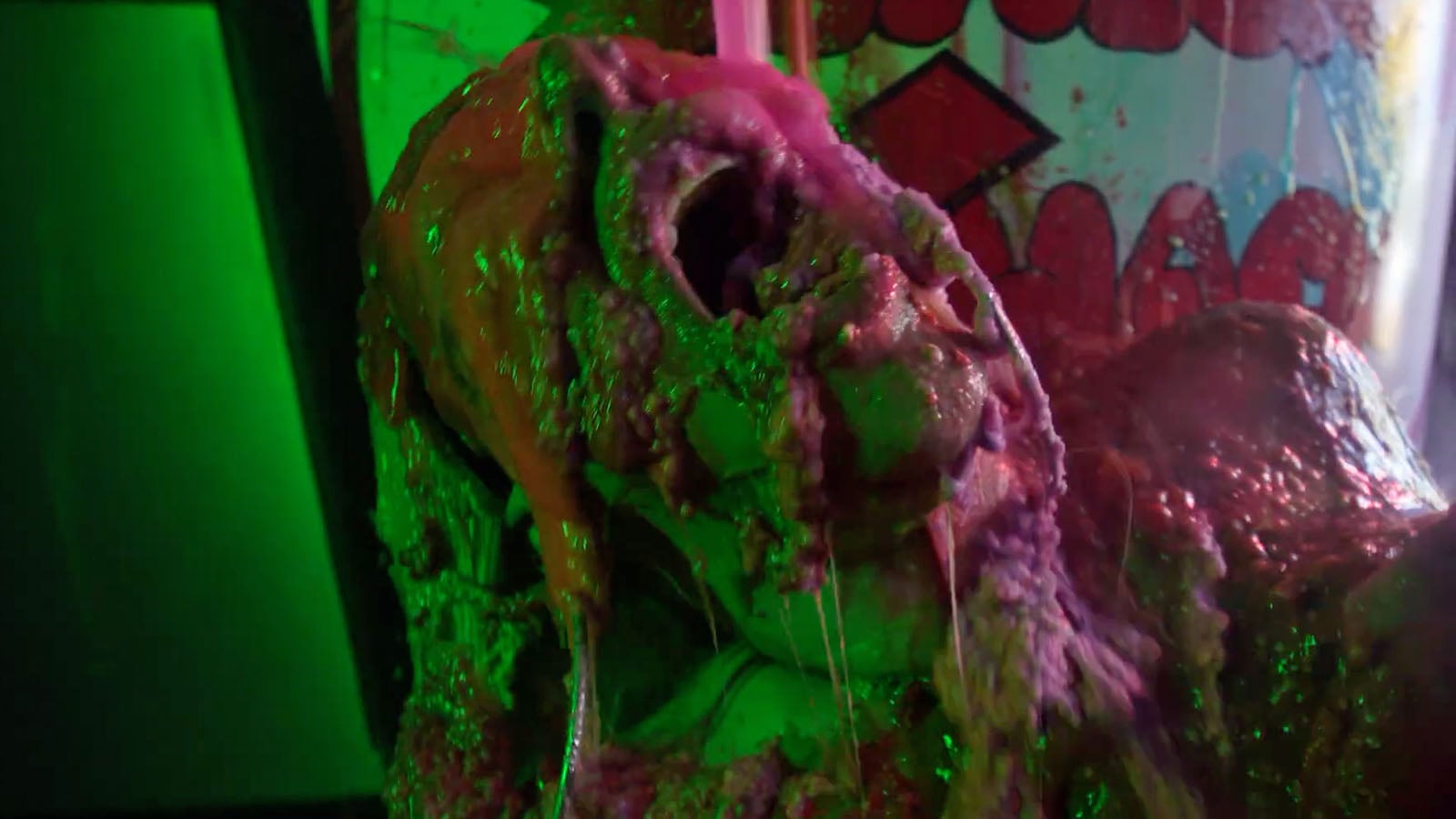
It should come as no surprise, to regular readers of The Cult Archives, that I fucking LOVE Troma Entertainment. Lloyd Kaufman is a movie-making monster genius and I will die on that hill. So imagine the unholy joy when word dropped that one of their most gloriously unhinged creations is clawing its way back from…