Category: Film
-
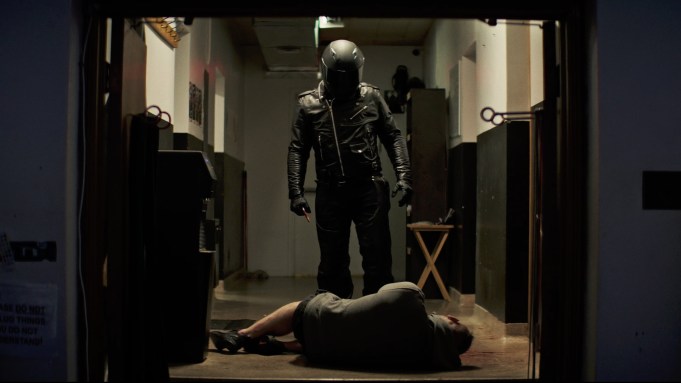
I love Grindhouse cinema and I make no bones about it. Whether it’s Pam Grier blowing drug dealers heads off with a shotgun in Coffy, or a bunch of rabid hippies guzzling down pints of claret in I Drink Your Blood, if it’s Grindhouse then it’s the right house for me. And that almost rhymed…
-
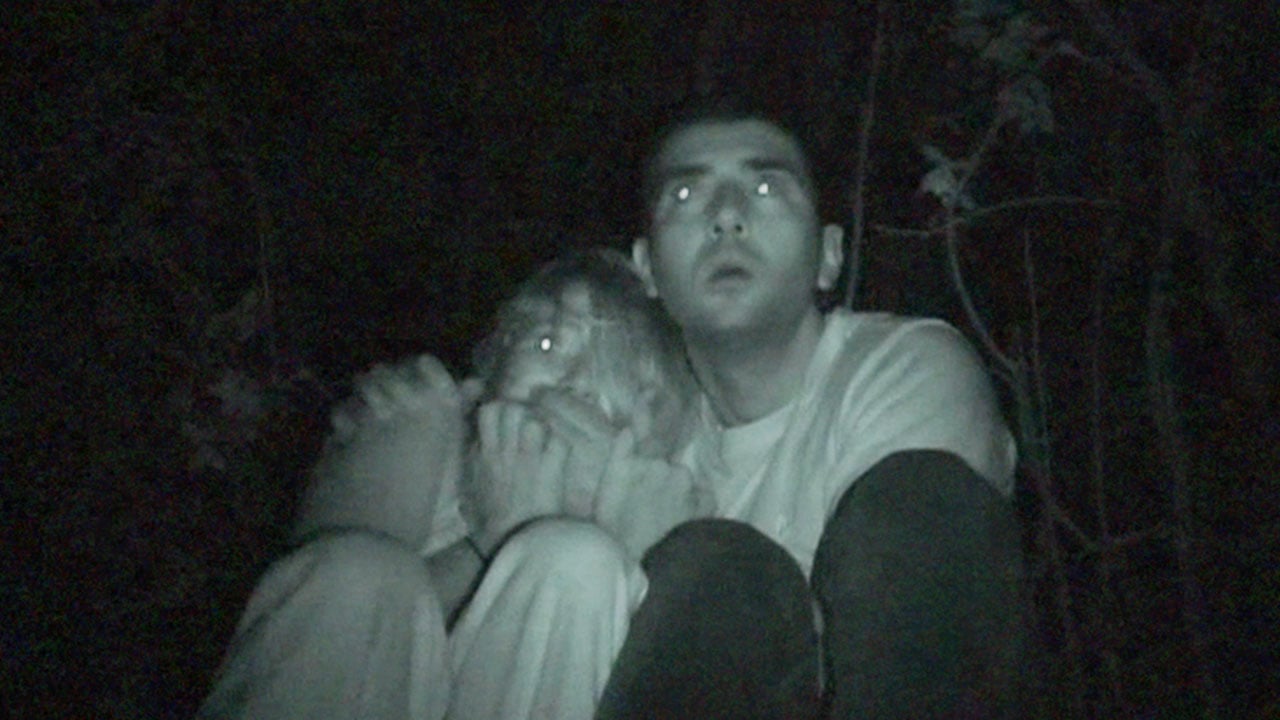
Let’s face it; the found footage horror genre is as dead as the dodo and twice as ugly. For far too long we, the fans, have been subjected to Hollywood’s attempts to wring another dollar out of its twitching corpse, or to films that should never have left the first draft. But Heritage, a movie…
-
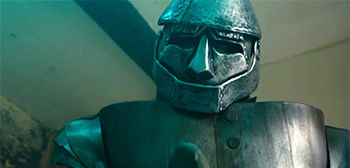
ITN are at it again. On the back if a rash of new trailers, each one more bloody than the last, they company has dropped a brand new offering, Wizard of Death: Tinman’s Rise, showing just have far our favourite metal bastard will go in his quest for a heart. He may look like a…
-
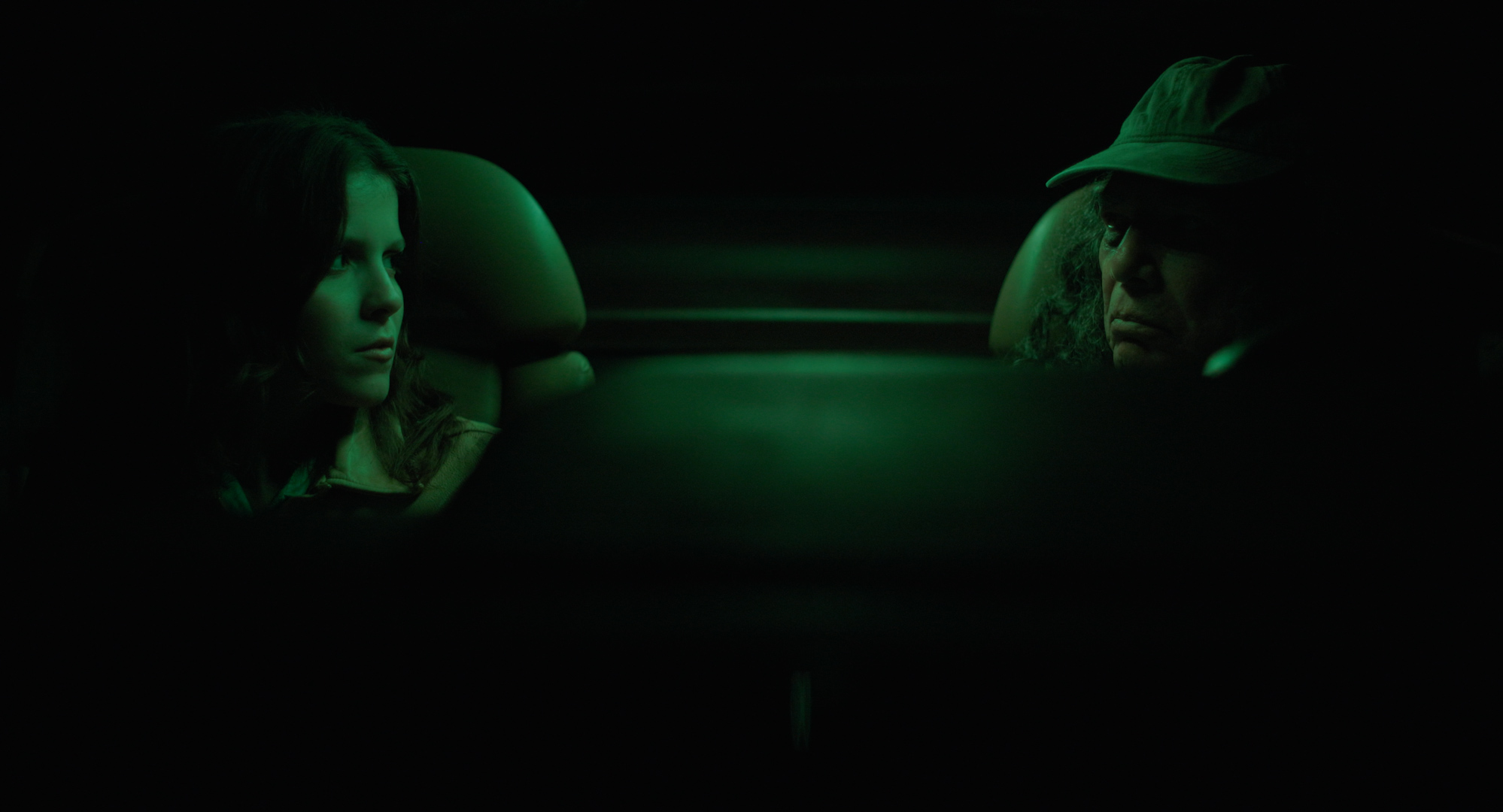
Light a candle, dial a number, and ask for a ride. And whatever happens after that, don’t panic. This is the ritual game that The Mid-Night Driver (dir. Alex Cherney) offers, a dread-filled, atmospheric film that follows Claire (Devan Delugo), after she and her friends dare to call the Driver. The premise sounds familiar, but…
-
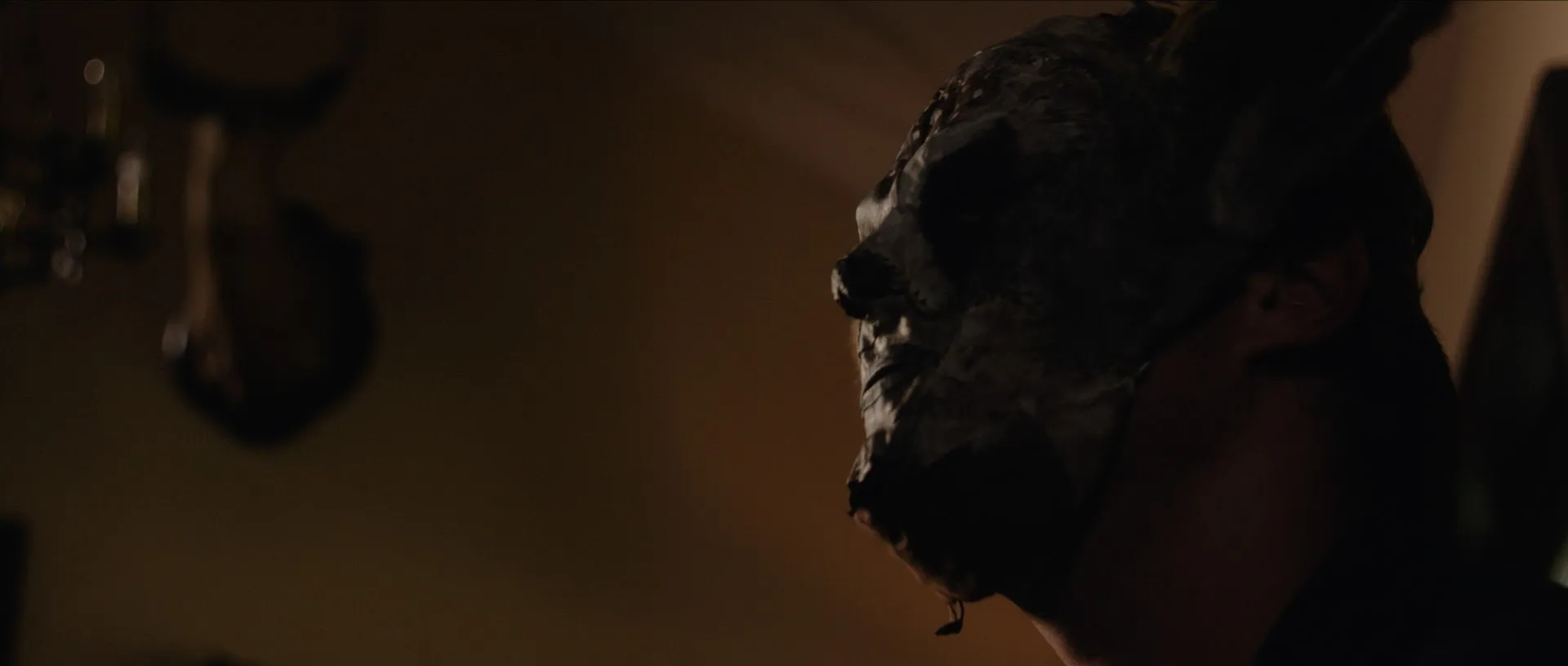
A quiet exploration of the difficult choices that must be made when the doctor has bad news, Lesions— Wait, no. That’s not what Lesions is at all, though one might be forgiven for thinking that it was going there for the first chunk of the movie (even with a titillating yet still somehow restrained opening…
-

Listen up, you beautiful band of gore-hounds and celluloid junkies. We need to talk about the red-headed stepchild of the Crystal Lake lineage. No, I’m not talking about the one where Jason takes a boat to Manhattan and spends eighty percent of the runtime on a floating bathtub. I’m talking about 1985’s Friday the 13th…
-

I’ve been saying it for ages: technology is evil as shit, and thanks to new trailer for the movie Capture, not only do I believe that more than ever, I’m also not going to get any sleep for about a week. When Abby (Kaitlyn Lunardi) learns that her birth parents died in 1994 and left…
-

18 seconds. That’s all the new teaser trailer for Dead Eyes is. 18 seconds. But in that 18 seconds it does more than enough to draw you in and make you want to see more. Maybe it’s the story – Sean and his fiancée, Grace, enter a remote forest to search for his missing father,…
-
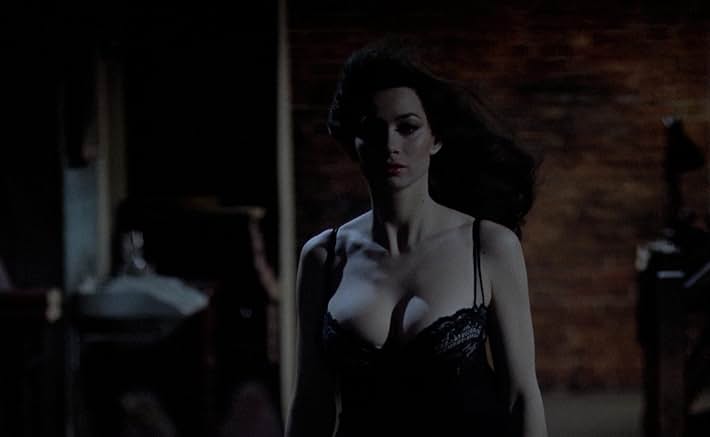
If you grew up in the UK during a certain era, your education didn’t happen in a classroom with a dusty chalkboard and a teacher who smelled like cabbage. No, your real education happened on Channel 4, late at night, while your parents were out doing their level best to support the local brewery industry.…
-

Listen up, creeps, mutants, and late-night monster-kids. Before the Big G started doing gravity-defying dropkicks, flying like a scaly paraglider, and playing soccer with Anguirus, he was something much more terrifying. He wasn’t a hero, he wasn’t a protector, and he certainly wasn’t fun for the folks on the ground to be around. In 1954,…