Category: Film
-
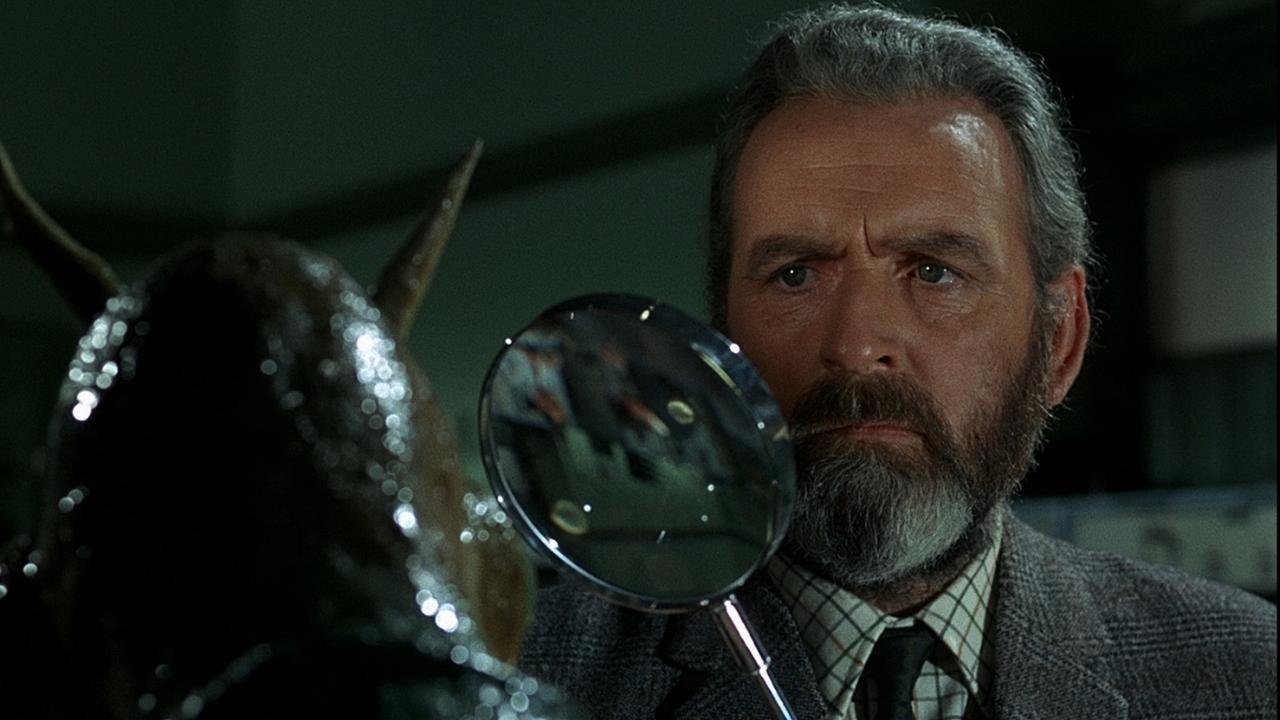
By late 1967, the Gothic castle was starting to feel a bit too safe. The shadows of Transylvania were familiar, almost comforting; they belonged to the world of velvet, candlelight, and ancient, predictable curses. To truly terrify an audience staring down the barrel of the Space Age, Hammer had to dig deeper—literally. They had to…
-
By 1967, Hammer’s Gothic cathedral was no longer echoing with hymns. The incense had burned low. The blood on the altar had dried into habit. What once felt transgressive, lush, and sacramental was now being gnawed away by a harsher, less forgiving reality. The world had changed, and Hammer—slowly, reluctantly—was beginning to understand that it…
-
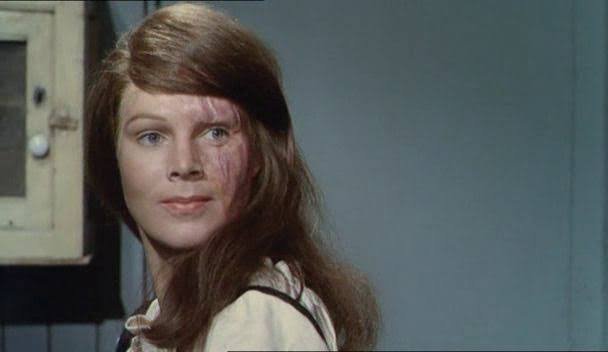
By 1967, the Hammer Frankenstein cycle stood at its most philosophical precipice. Following the commercial necessities of The Evil of Frankenstein (1964), the studio and, crucially, Terence Fisher and Peter Cushing, needed to return the series to its roots: not in the spectacle of electricity and muscle, but in the harrowing inquiry into the nature…
-
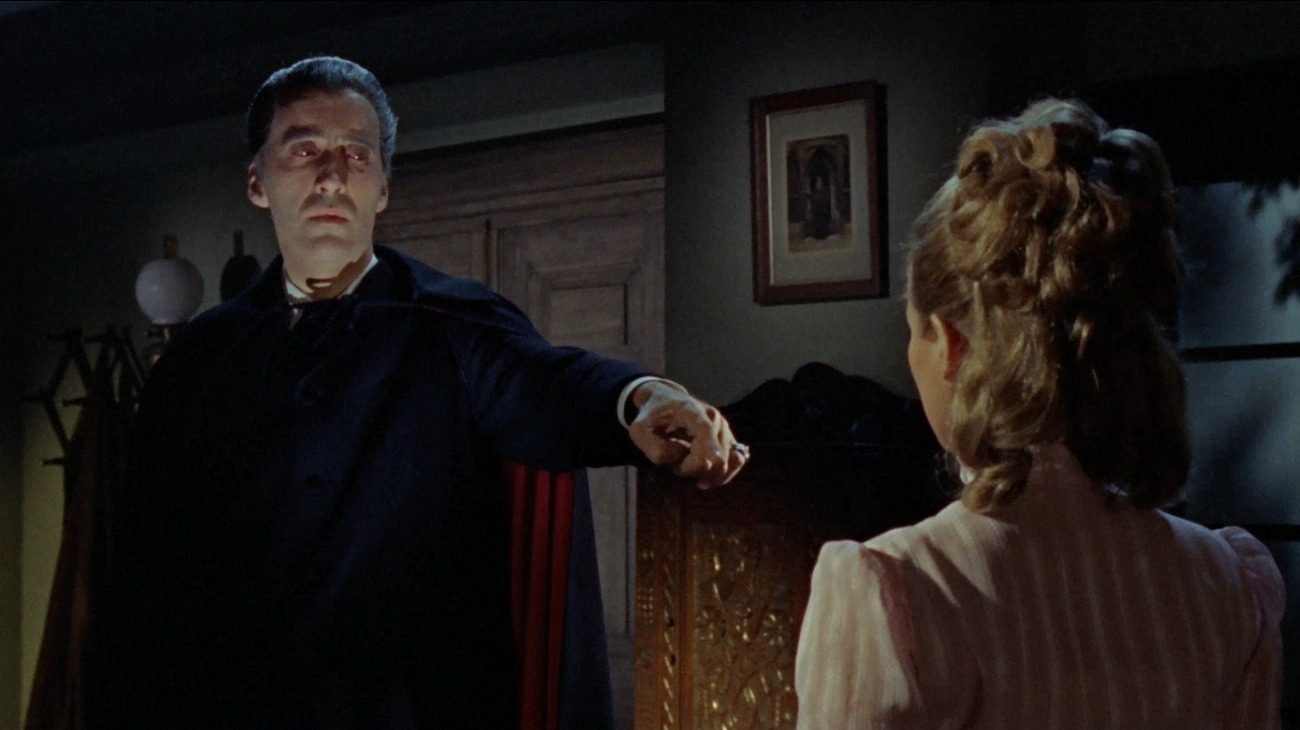
By 1966, the Gothic heart of Hammer Films was due for a massive, necessary shock. Following the commercial necessity of the psychological thrillers (The Nanny, Hysteria) and the (unfairly called) misstep of a sequel like The Brides of Dracula (1960)—which dared to feature a world without the Count—the studio was compelled to confront the simple,…
-
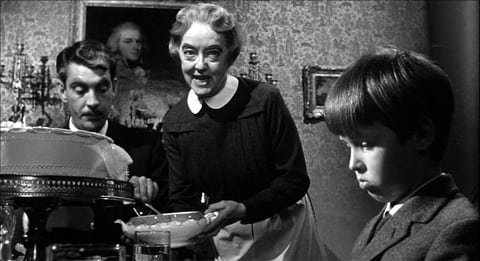
By 1965, the Gothic machinery of Hammer Films, which had once felt like a bold revolutionary engine, now risked becoming a repetitive ritual. Audiences, glutted on blood and capes, were demanding a different kind of terror—one closer to home, stripped of historical distance and supernatural alibis. The genre had been redefined by Alfred Hitchcock’s Psycho…
-
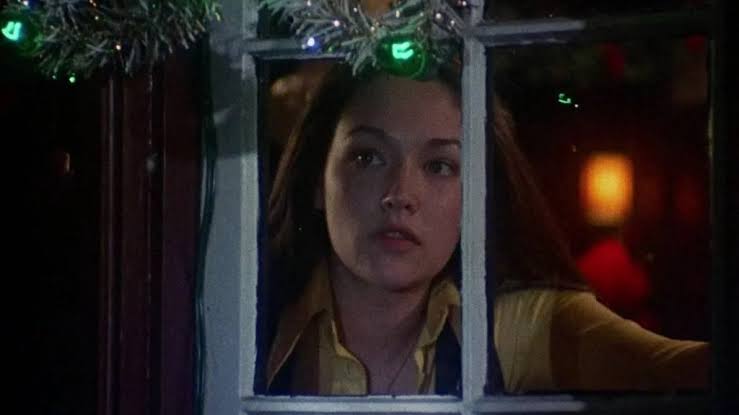
Released into the crowded horror landscape of the early 1970s, the original Black Christmas was a signal of what was to come, the subgenre that would dominate the next two decades: the slasher. Black Christmas helped codify many familiar tropes that would be used for years (and are still used today), but its treatment of…
-
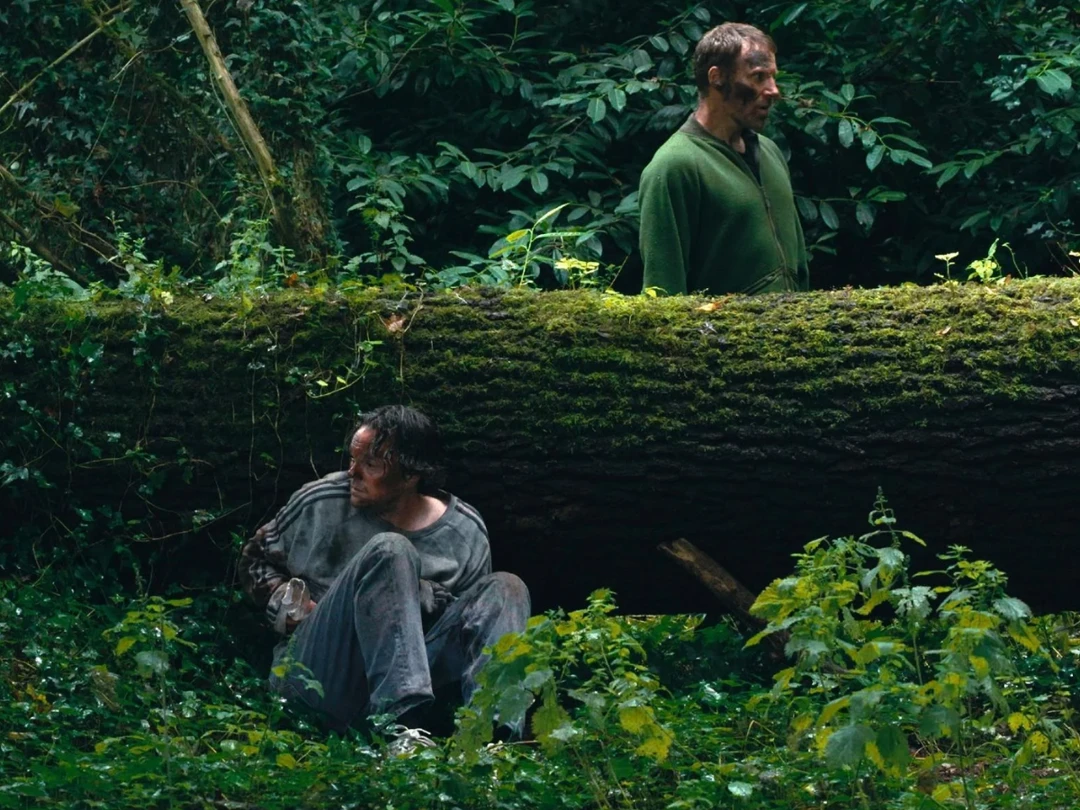
What happens when a BAFTA-winning editor swaps shorts for a no-distributor rave nightmare? I saw the answer when watching Game at Mayhem Film Festival a few weeks ago, and now I had the chance to find out from the director himself, John Minton. My teenager, Fern, had loved the film too, and couldn’t help gatecrashing right at…
-
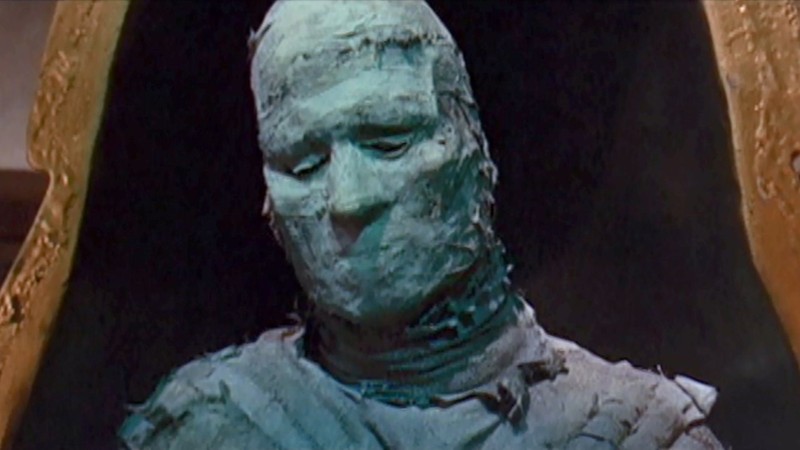
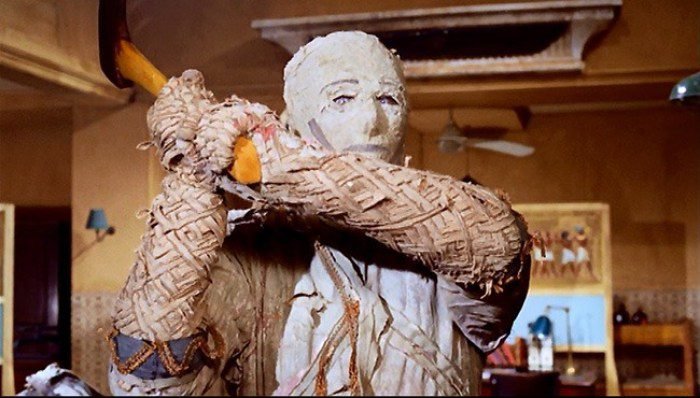
By 1964, Hammer’s Gothic machinery was running on instinct, guided less by inspired vision and more by the relentless momentum of commercial demand. The studio had resurrected monsters, seduced the dead, and given Technicolor blood a moral weight it hadn’t known before. Yet as The Curse of the Mummy’s Tomb emerged from the venerable, dust-shrouded…
-
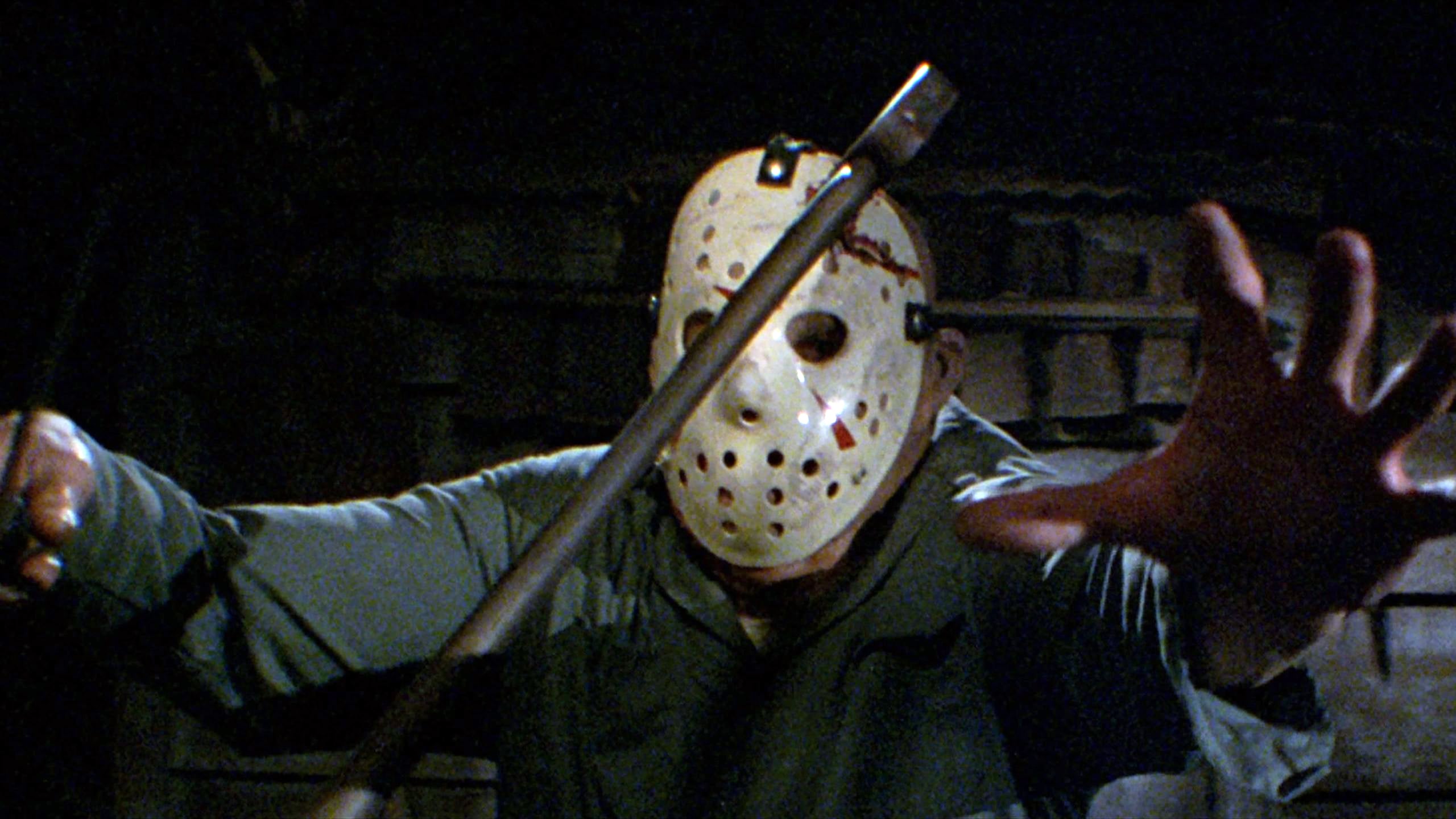
The move into the third dimension had been experimented with in cinemas long before Jason picked up that hockey mask. The 1950’s was the golden age of this technology with Andre de Toth’s House of Wax (1953) heralding a wave of, mostly, horror films to the 3D screen. William Castle, long an exponent of the…
-
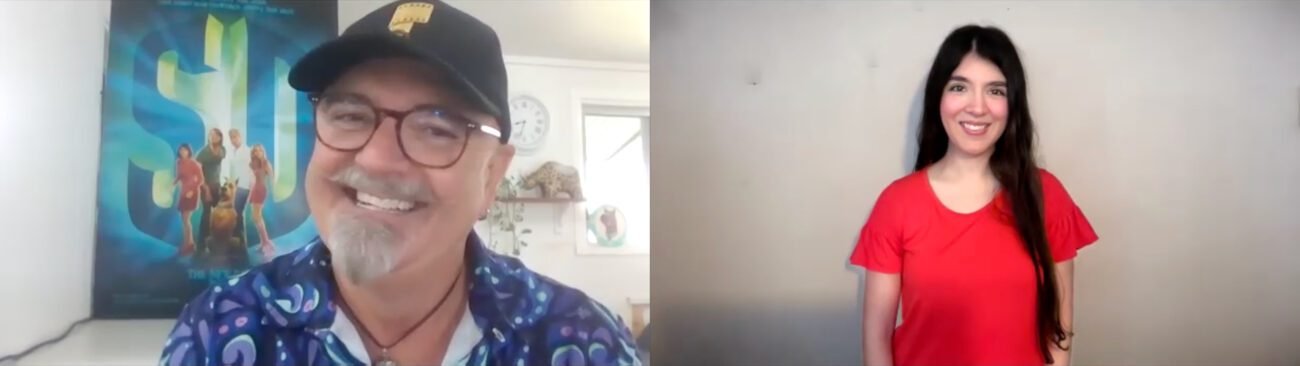
As a fan of horror, comedy, musicals, and any combination thereof…is it any surprise to anyone that I love Scooby-Doo? The answer should be as obvious as my orange shirt as I interview Neil Fanning: the actor, writer, producer, stunt performer, stunt safety supervisor, voice actor, and more who starred in Scooby-Doo (2002) and Scooby-Doo…