Category: Film
-
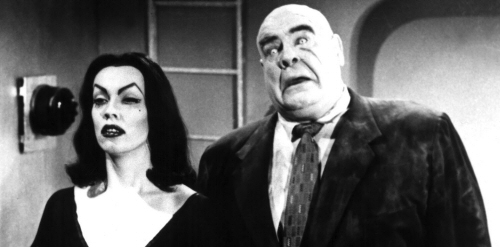
There is a specific kind of magic that occurs when a man’s ego and his budget have never even been in the same post code. Most directors, when faced with a total lack of funds, try to hide their poverty under the cover of darkness or clever framing. Not Edward D. Wood Jr. Ed Wood…
-

Yeah, you read that right. According to Variety, Michael Shannon has been tapped up by the Dowdle Brothers to take on the titular role in a remake called Doctor Caligari’s Cabinet of Wonders. Which is far to close to Mr. Magorium’s Wonder Emporium for my liking. John Erick Dowdle has gone on record stating: “Having…
-

Ahead of its imminent release, Paramount Pictures have released a new featurette: Sidney’s Journey to Scream 7. In it, both Neve Campbell and Kevin Williamson look back at Sidney Prescott’s 30-year travel through the Scream Universe – the Screamiverse? – and how she has changed through the seemingly endless run-ins with a multitude of psychopaths…
-
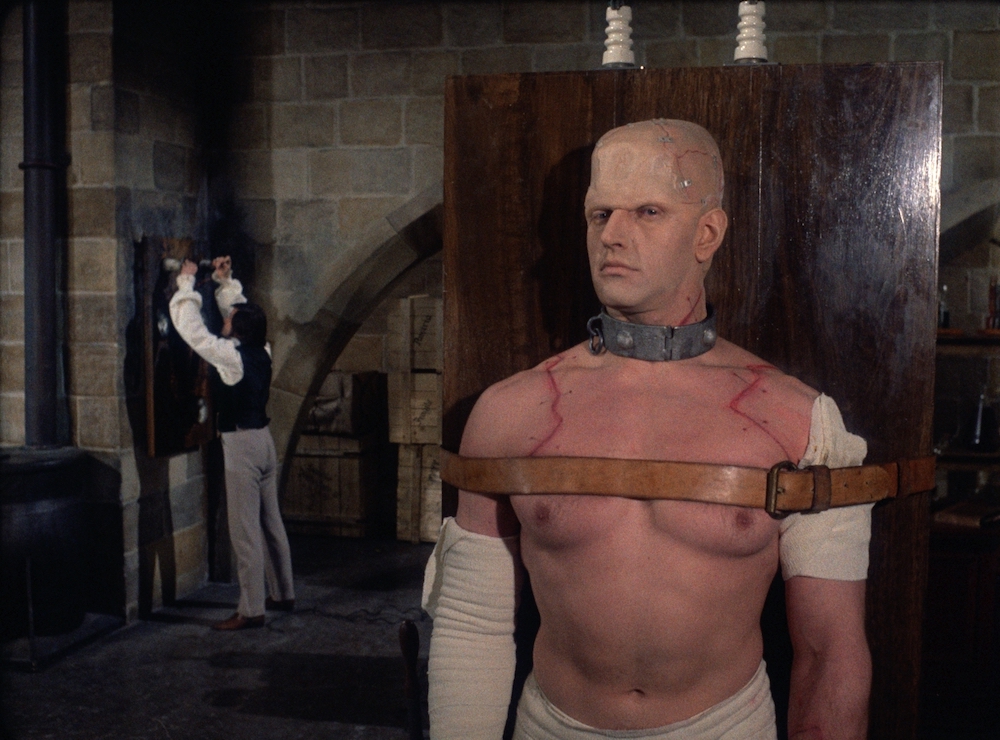
Shot in the dying breath of the sixties and released into the hangover of a new decade, The Horror of Frankenstein is a strange movie. An amalgamation of past and present, that you will either love unequivocally or despise with every fibre of your being. The Gothic laboratory, once a place of flickering candles and…
-

Lauren LaVera – the most excellent final girl of all final girls: Sienna Shaw – revealed in an interview with Den of Geek that she had yet to see any of Damien Leone’s for Terrifier 4, but that would like to see a few things happen. When asked about the script, Lauren LaVera stated: “I…
-
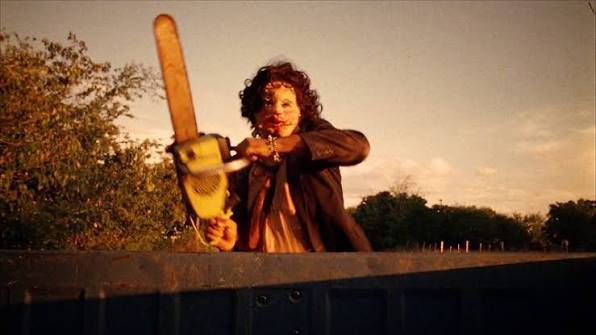
As reported by Deadline, A24 are set to release a Texas Chainsaw Massacre TV series, and there is also a new movie rumoured to be in the works According to J.T. Mollner: “I’ve said publicly that I’m not interested in remaking perfect films, and the original Texas Chainsaw Massacre is a perfect film. Tobe Hooper…
-

An escaped and deranged mental patient. Three girls in their pajamas. More dodgy 80s Metal than you could shake a can of hairspray at. And a title like The Last Slumber Party should be all you need to know about the atrocious pile of garbage you’re about to dive headlong into, so don’t say I…
-
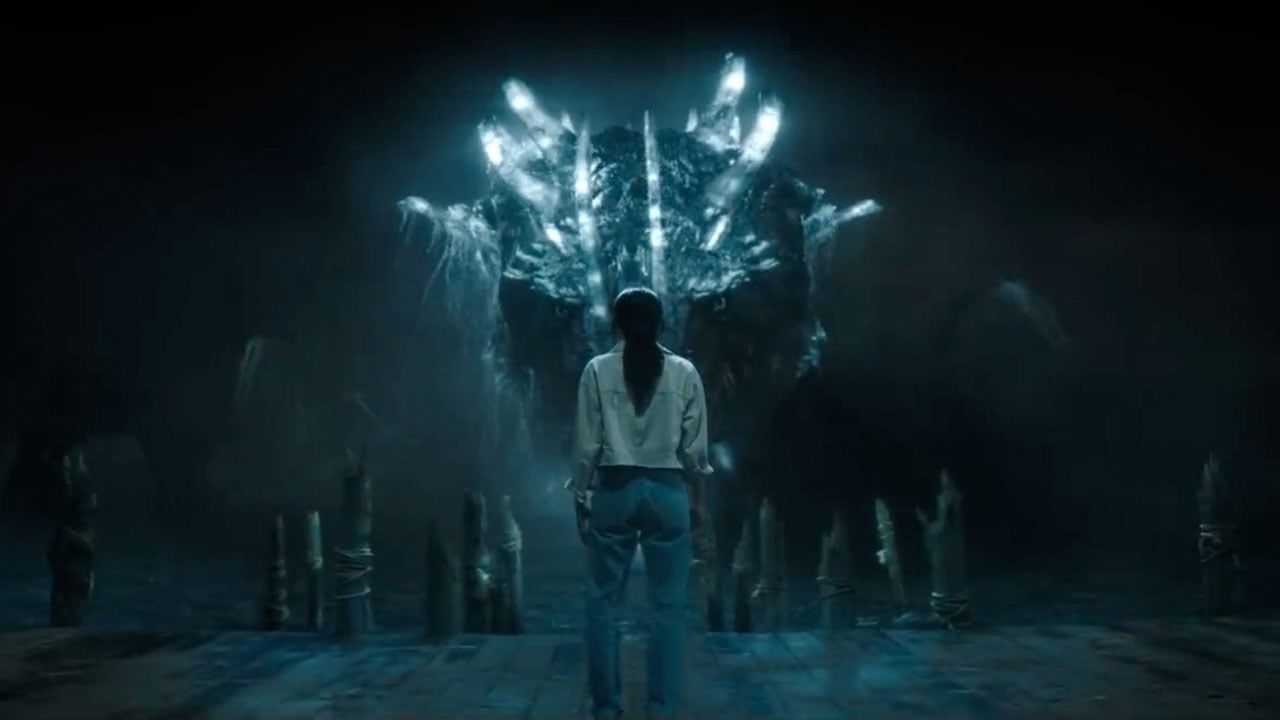
Benjamin Franklin once wrote: “In this world nothing can be said to be certain, except death and taxes.” But what ol’ Benny boy should’ve add to that famous quote is: “… Oh, and big fucking monsters stomping on city’s and beating the shite out of each other. That will always be entertaining.” And if that’s…
-
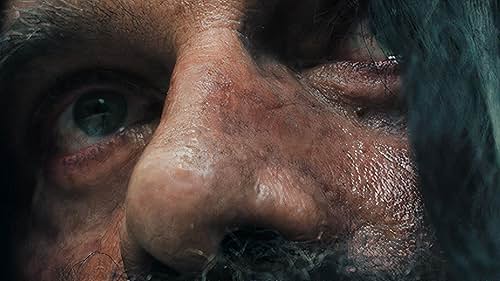
If there’s two things in this world I love, it’s a good cannibal movie and the 1970s tv series, The Incredible Hulk. If only there were a way to combine the two… … well, GOOD NEWS! Uncork’d Entertainment have done just that and have dropped a new trailer for The Hermit, starring Lou Ferrigno. When…
-

Listen, we need to have a serious talk about Terrifier. Not the kind of talk where we sit around stroking our metaphorical beards and debating the semiotics of the slasher. I’m talking about a real, boots-on-the-ground conversation about why this movie makes people lose their minds. Every time I bring up Art the Clown in…