Tag: Hammer Horror
-
If you grew up in the UK during a certain era, your education didn’t happen in a classroom with a dusty chalkboard and a teacher who smelled like cabbage. No, your real education happened on Channel 4, late at night, while your parents were out doing their level best to support the local brewery industry.…
-
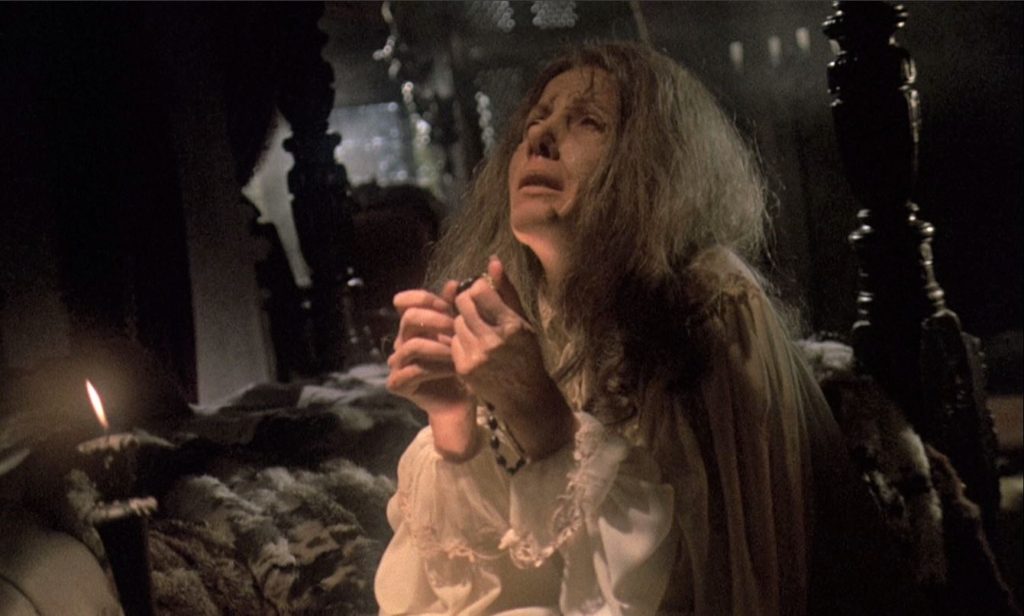
If you thought we were done with the aristocratic blood-suckers of the 1970s, think again. We are staying firmly planted in the foggy, cleavage-heavy landscape of Hammer’s experimental era. So, put on your most dramatic mourning veil and prepare for a masterclass in vanity, because we are dissecting the 1971 classic, Countess Dracula. Now, before…
-
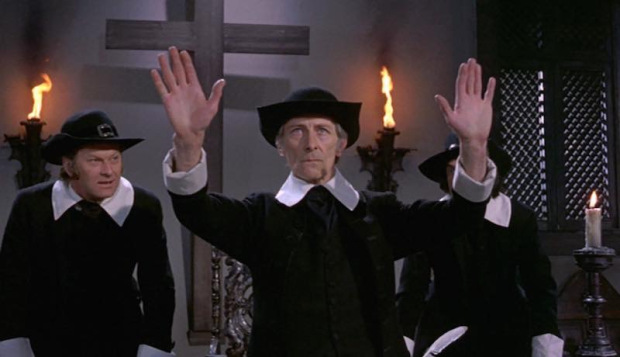
To understand Twins of Evil, you have to understand the state of Hammer Film Productions in 1971. They were under pressure. Hammer was responding more broadly to the rise of grittier, modern horror in the late 60s/early 70s (including Night of the Living Dead), plus declining US box office returns and shifting audience tastes, and…
-
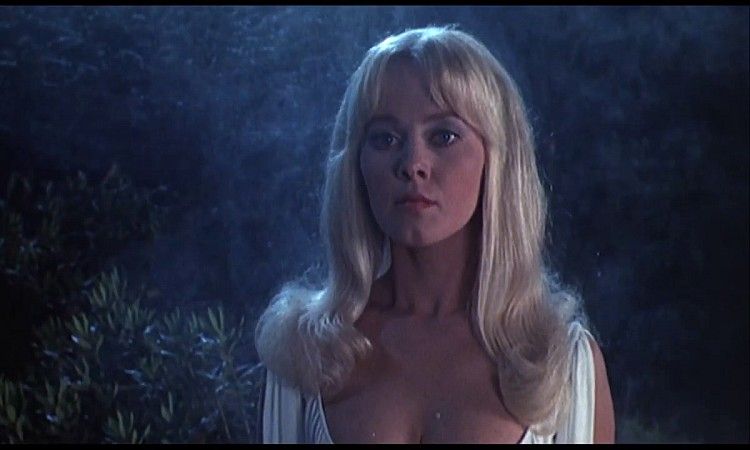
Hammer was in trouble in ’71. They were like a zombie at a disco, trying to look cool, but their limbs were falling off. They’d just had a hit with The Vampire Lovers, but Ingrid Pitt had bailed, Terence Fisher had literally broken his leg, and the studio was actively trying to modernise and court…
-
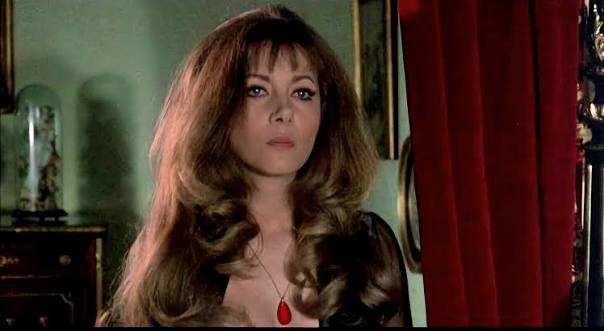
I wasn’t sure if I was going to cover the Karnstein trilogy. Mainly because as a series of movies, they’ve always struck me more as ‘Carry On Horror,’ and though that might not be 100% fair, these films, staring with The Vampire Lovers, are the moment Hammer realized flesh sold faster than fear. They are,…
-
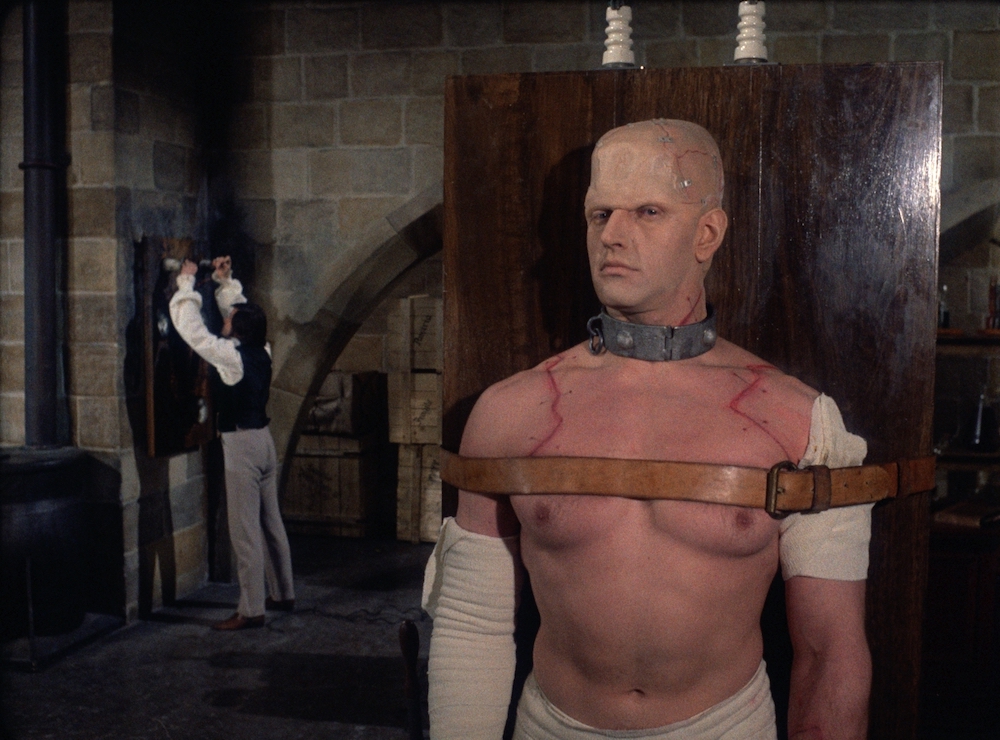
Shot in the dying breath of the sixties and released into the hangover of a new decade, The Horror of Frankenstein is a strange movie. An amalgamation of past and present, that you will either love unequivocally or despise with every fibre of your being. The Gothic laboratory, once a place of flickering candles and…
-
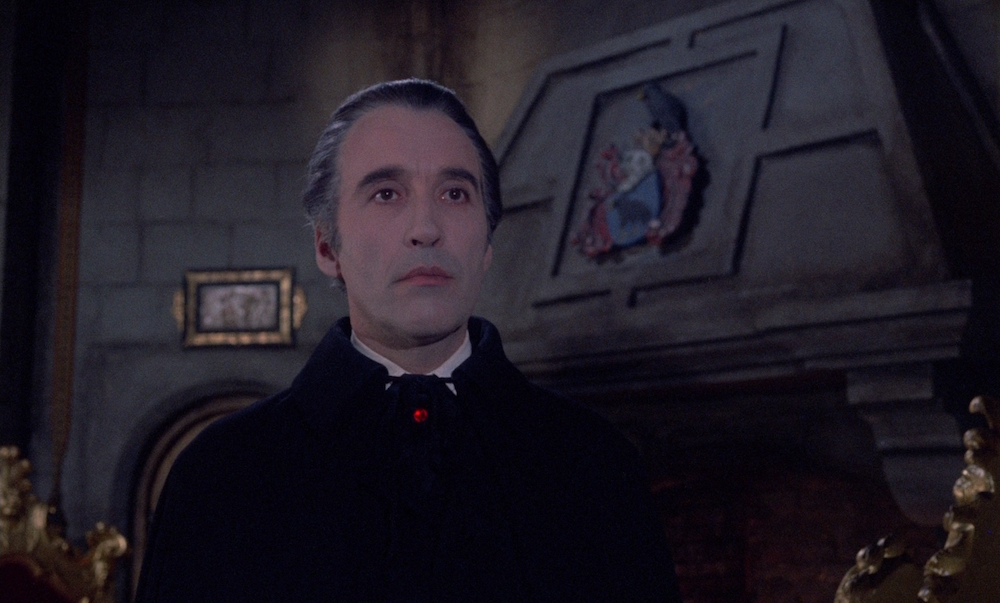
Welcome to 1970. The velvet-lined dream of the 1950s Gothic revival has not just ended; it has been eviscerated. Outside the gates of Bray Studios, the world is screaming. The counterculture has turned into a permanent riot, the Vietnam War is a televised charnel house, and the youthquake has moved on from ghost stories to…
-
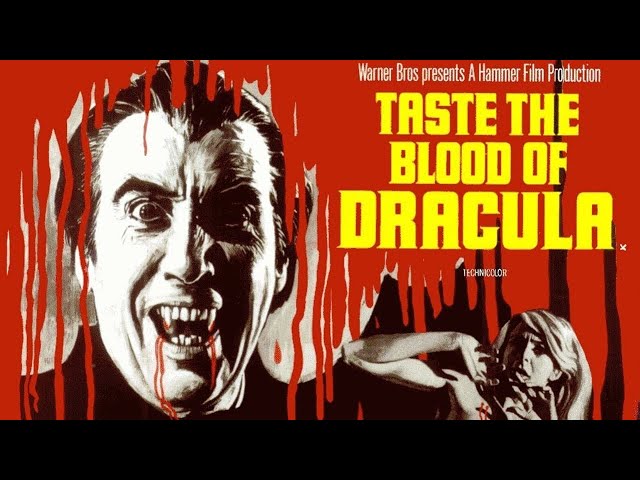
The year is 1970. The psychedelic haze of the late sixties has drifted away, leaving behind the cold, grey morning of a new decade. For Hammer Film Productions, the Gothic castle was no longer a sanctuary; it was a cage. The audience had seen the stakes, the garlic, and the crosses a hundred times over.…
-

The year is 1969. The Summer of Love has curdled into the Manson murders, the Vietnam War is a rhythmic pulse of televised slaughter, and the Gothic dream—that mist-shrouded world of tragic monsters and velvet-clad visionaries—is bleeding out on the floor. In this cultural twilight, Hammer Film Productions released Frankenstein Must Be Destroyed. It did…
-
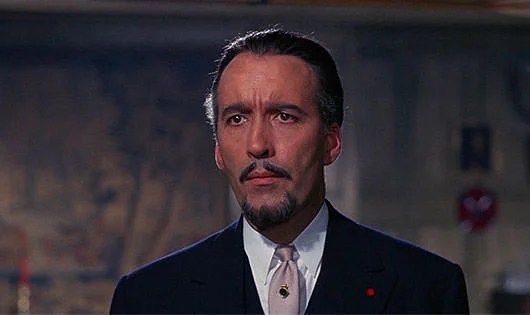
By 1968, Hammer Films was standing on unstable ground. The Gothic cathedral they had spent a decade building—brick by blood-soaked brick—was beginning to crack. The world was changing faster than the studio could repaint its castle walls. Youth culture had turned feral. Authority was suspect. Faith was eroding. Horror itself was mutating into something colder,…