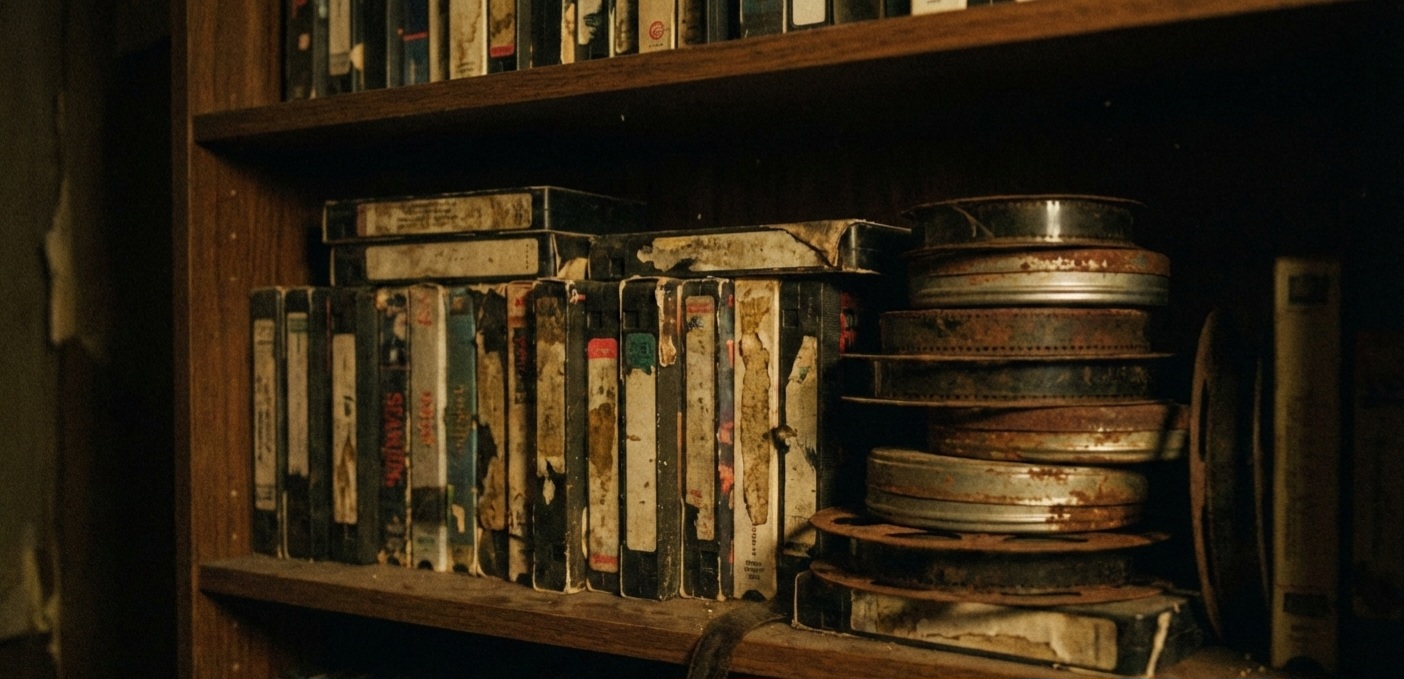
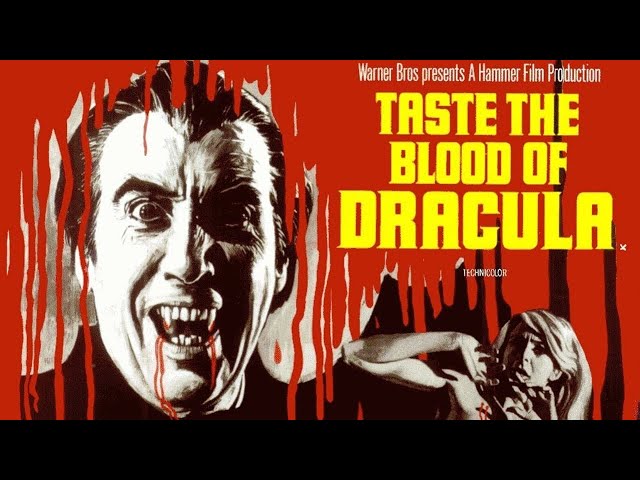
The year is 1970. The psychedelic haze of the late sixties has drifted away, leaving behind the cold, grey morning of a new decade. For Hammer Film Productions, the Gothic castle was no longer a sanctuary; it was a cage. The audience had seen the stakes, the garlic, and the crosses a hundred times over. To survive, the myth had to mutate. It had to stop looking at the monster in the shadows and start looking at the monster in the mirror.
Taste the Blood of Dracula is the result of that mutation. It is a film that strips away the romanticism of the vampire to expose the rot of the Victorian patriarchy. If earlier entries in the cycle explored the Count as a seductive aristocrat, this film reimagines him as a cosmic consequence—a force of nature summoned not by ancient sorcery, but by the boredom and moral bankruptcy of the middle class.
Bourgeois Decay in the East End
We begin not in a Transylvanian forest, but in the sterile comfort of the Victorian parlor. We are introduced to the three pillars of respectability: William Hargood, Samuel Paxton, and Jonathon Secker. These are men of substance. Men of God. Men of the Empire.
In these three figures, we see the death of the Victorian ideal. They represent a triumvirate of systemic failure: the domestic tyrant, the passive accomplice, and the intellectual coward. Their respectability is a shroud, a thin veil of silk draped over a charnel house of repressed desires. They are the architects of a world that prioritizes the appearance of virtue over the reality of the soul. Their excursions to the East End are not mere dalliances; they are desperate attempts to feel something in a world they have rendered numb through their own rigid structures.
These are three bored, middle-aged hypocrites looking for a cheap thrill. They’ve got the wives, the houses, and the pews in the front row, but they’re dying inside. So, what do they do? They go slumming. They head to the East End to play at being naughty in a brothel, pretending they’re dangerous men of the world while they’re really just over-privileged bureaucrats with a wandering eye. They are the original weekend warriors of sin, and their arrogance—the idea that they can play with fire and not get burned—is the fuse that lights the entire movie.
The Broker of Blasphemy
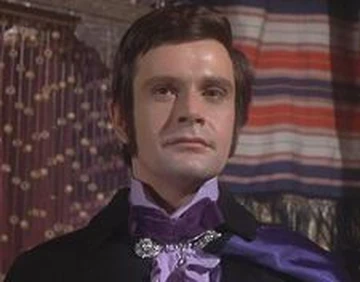
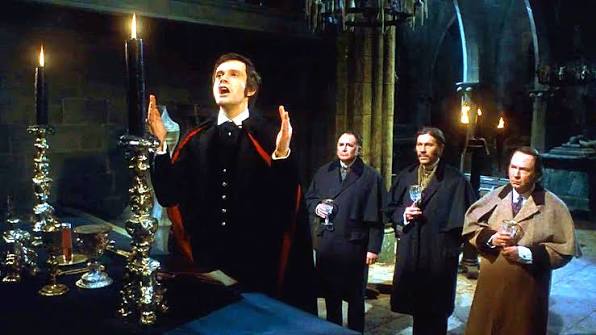
Enter Lord Courtley. Played with a feverish, desperate intensity by Ralph Bates, Courtley is the catalyst. He is the man who has seen behind the curtain and found nothing but the void.
Courtley is a Promethean figure who has fallen into the gutter. He is the discarded scrap of the aristocracy, a man who has traded his lineage for the dark arts. He represents the participant-recruiter, the one who promises the bored elite that there is more to life than the ledger and the liturgy. When he presents the three gentlemen with the relics of Dracula—the ring, the cloak, and the powdered, desiccated blood—he isn’t offering a hobby. He is offering a rupture in the fabric of their reality. He is the high priest of their undoing.
Courtley is the ultimate bad influence. He’s the guy who shows up to the party with the hard stuff and tells everyone it’ll make them gods. But look at what he’s actually selling: dust. Dried, powdered blood. It’s the ultimate metaphor for the state of the Hammer franchise and the state of the Victorian soul—it’s all dried up. Courtley is a junkie for the occult, and he needs these three respectable idiots to bankroll his next fix. He doesn’t give a damn about them; he just wants to see the world burn.
Desecration as Ritual
The ritual does not take place in the brothel. Their reckless pursuit of thrills leads them to Courtley’s house, a Gothic-styled lair where decadence and sacrilege intertwine. The house itself becomes a cathedral of sin, every corner a shrine to their own moral collapse.
This choice of location is linguistically and spiritually profound. The church is no longer a site of communion; it is a hollowed-out shell. By performing the ritual here, the three gentlemen are not just committing a crime; they are participating in a sacrilege. They are literally standing on the bones of their own faith to summon a demon. The ruined church is the physical manifestation of their internal landscapes—abandoned, roofless, and open to the elements of the dark.
It’s the perfect setting for a disaster. These guys think they’re in a private club, but they’re standing in a graveyard of their own values. And when Courtley starts the show, things go south fast. He drinks the blood—this rehydrated vampire dust—and starts having a massive, violent convulsion. He’s begging for help, screaming in agony, and what do our gentlemen do? Do they call a doctor? Do they pray? No. They panic. They beat him to death in a blind, cowardly frenzy because they’re terrified of getting caught with a dead body in a ruined church. It’s not ritual murder. It’s a panicked cover-up by three guys who realized they’re in way over their heads.
The Alchemy of Failure
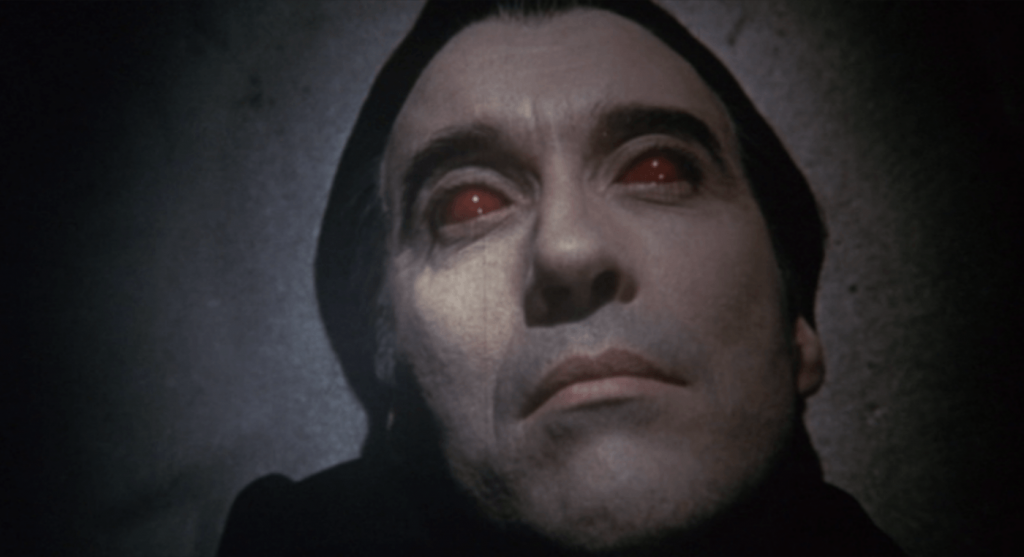
From the broken body of Courtley, Dracula rises. But this is not the Dracula of old. He does not emerge from a coffin with a flourish; he coalesces from the violence and fear of his murderers.
The resurrection of Dracula in this film is an alchemical process. The first matter is the powdered blood; the agent is the violence of the three gentlemen. Dracula is literally built out of their cowardice. He is the physical manifestation of the debt they owe for the life they stole. He is the return of the repressed. Christopher Lee plays the Count here with a glacial stillness. He is no longer a seducer; he is an executioner. He does not need to speak, for his presence is a silent indictment of the men who called him forth.
Dracula wakes up, looks at the corpse of the guy who just died for him, and basically decides to go on a scorched-earth policy. He doesn’t have time for small talk. He doesn’t even have time for the girls yet. He has a hit list. The King of Vampires is now a supernatural hitman, and his targets are the three pillars of society who thought they could kill a man and go back to their Sunday roast. It’s the ultimate fuck around and find out scenario of the 19th century.
The Sins of the Father
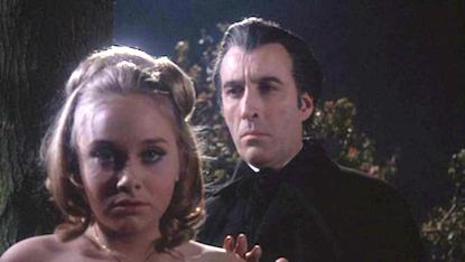
Dracula’s revenge is not direct. It is insidious. He manipulates the circumstances around the men’s children—Alice Hargood, Lucy Paxton, and Jeremy Secker—turning their suppressed anger and fear into instruments of his justice. He does not control them; he opens the door, and they walk through it themselves.
This is the most bleak element of the narrative. The children—Alice Hargood, Lucy Paxton, and Jeremy Secker—become the instruments of their fathers’ destruction. Dracula does not corrupt them so much as he liberates their suppressed resentment.
Take Alice Hargood. Her father, William, is a domestic tyrant who beats her in the name of morality. When Dracula influences Alice to kill her father with a shovel, it is a horrific inversion of the paternal bond. The shovel, a tool of labor and burial, becomes the weapon of domestic revolution. The truth here is the fire of the youth rising up to incinerate the hypocrisy of the old guard. Dracula is merely the catalyst for an inevitable explosion.
And speaking of William Hargood. The guy is a monster before Dracula even enters the room. He’s a moral man who hits his daughter for having a boyfriend. He’s the kind of guy who thinks he’s protecting her while he’s actually just a control freak with a fragile ego. So when Alice finally snaps and puts a shovel through his head? You don’t feel bad for him. You feel like the movie is finally balancing the books. Dracula didn’t make her a killer; he just gave her the permission her father spent twenty years building a case for. It’s cathartic, ugly, and 100% deserved.
The Collapse of the Paxton and Secker Households
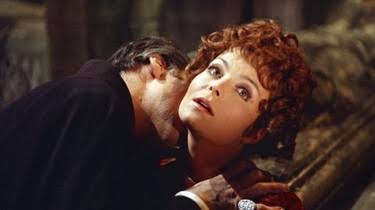
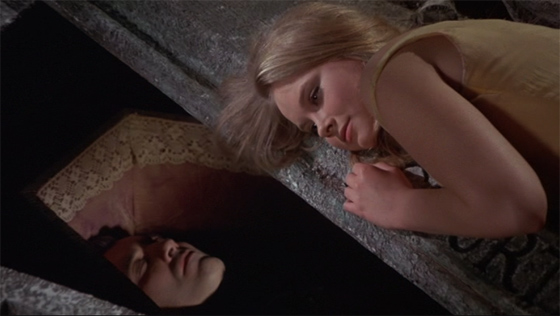
The pattern continues with Lucy Paxton. She is the light of her family, turned into a creature of the night to dismantle her father’s world from within.
Lucy’s transformation is a study in the failure of the domestic sanctuary. Her father, Samuel, is a man who goes along to get along. His sin is passivity. He watched Hargood and Secker kill Courtley and did nothing. His punishment is to see his perfect daughter become the very thing he fears most—a creature of pure, unbridled appetite. When Lucy kills him in his own home, the sanctuary of the family is officially declared dead. The walls of the bourgeois house are no protection against a soul that has already been invited to rot.
And then there’s Secker. The intellectual of the group. He’s the one who tries to outsmart the situation. He kills Lucy to save his son, but in doing so, he just secures his own death warrant. Dracula doesn’t let the kids do all the work; he steps in to finish Secker off personally. Why? Because Secker is the most dangerous kind of hypocrite—the one who thinks he can manage the evil. Dracula shows him that you can’t manage a hurricane. You just get swept away.
Predator as Elemental Force
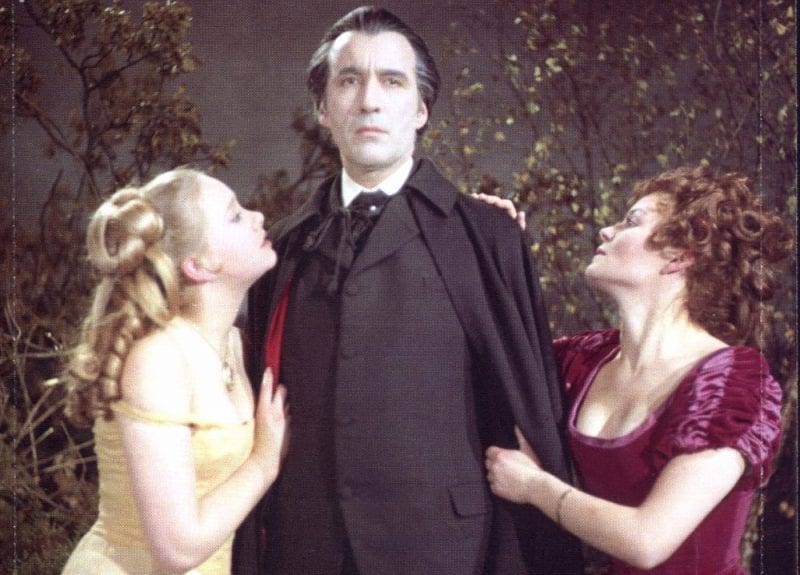
Christopher Lee’s performance in Taste the Blood of Dracula is often criticized for being too brief or too silent. This is a fundamental misunderstanding of the film’s intent.
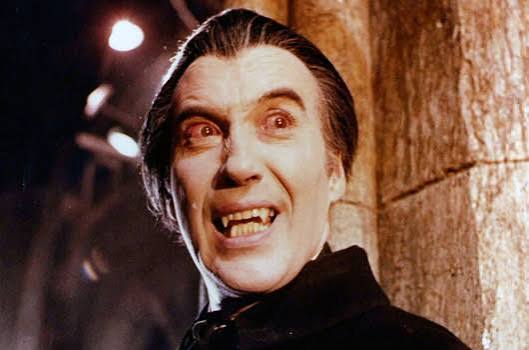
In this film, Dracula is an elemental force. He is the shadow in the Jungian sense. He doesn’t need dialogue because he is not a character in a traditional drama; he is the inevitable conclusion to a failed moral syllogism. His silence is the silence of the grave. He moves with a rhythmic, funereal grace through the film, a dark vertical line cutting through the cluttered, horizontal world of Victorian bric-a-brac. He is the vacuum that sucks the air out of their respectable rooms.
Lee is terrifying here because he looks like he’s absolutely done with everyone’s bullshit. He’s not there to seduce you; he’s there to clear the ledger. He treats the three gentlemen like the trash they are. He’s the most raw version of the Count—all atmosphere, all menace, and zero interest in your human feelings. He doesn’t need a monologue. His presence says everything: “You called me. Now pay the bill.”
The End Without Sanctuary
The film ends, as it must, back in the ruined church. But the victory of the heroes is hollow.
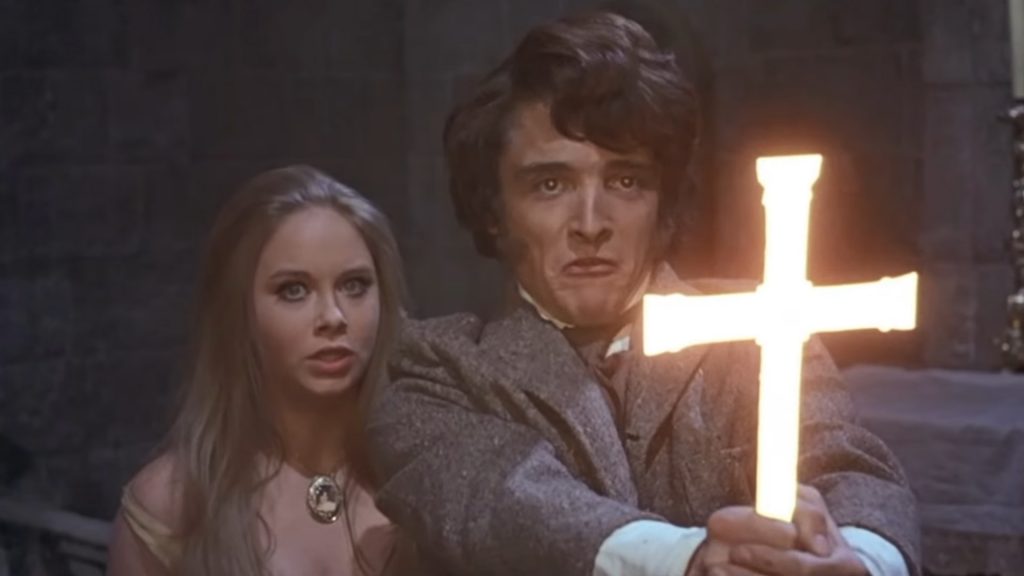
The final confrontation is a masterclass in Gothic irony. Dracula is defeated not by a hero in the Van Helsing mold, but by the physical restoration of the church itself—or rather, the re-assertion of sacred space through the very children he used as weapons. When Alice and Paul (Secker’s son) find themselves in the ruins, the flame of their love/trauma creates a barrier Dracula cannot cross. He falls back onto the altar, back into the dust from which he was reconstituted.
But notice the cost. The fathers are dead. The families are shattered. The social order has been decapitated. The world is saved, but it is a world of orphans standing in a ruin.
Dracula goes out by falling off a ledge and hitting the altar. It’s almost an accident—a bad trip ending for a guy who was summoned by a bad trip. But let’s look at the survivors. They’re traumatized kids who just watched their parents die in a supernatural snuff film. There’s no “Happily Ever After.” There’s just the realization that the world their parents built was a lie, and the monster was just the guy who came to collect the taxes on that lie.
Taste the Blood of Dracula is the ultimate grim parable. It stands as a warning to those who think they can dally with darkness for the sake of aesthetics or ego.
Monsters need no worship, only human failure. The Count didn’t need a cult; he just needed three cowards in a ruined church.
The true horror isn’t the vampire in the cape; it’s the father with the shovel and the moral code that masks a black heart.
When we call to the dark, it doesn’t bring us power. It brings us a reflection of everything we’ve tried to hide from ourselves. It demands that we look at the authorities in our lives—the Hargoods and the Seckers—and recognize that their respectability is the very thing that invites the demon. In the blood red light of Taste the Blood of Dracula, we see the Victorian world for what it was: a beautiful, gilded cage waiting for a predator to tear the door off the hinges.The Count is gone, but the ruins remain. And in those ruins, we find the truth: corruption, indulgence, and fear will always summon forces that refuse to stay buried.
Leave a Reply to Scars of Dracula (1970): The Corpse That Would Not Stay Buried – Horror Archives Cancel reply