Category: Cult Cinema
-

Tommy Wiseau, a possessed lake, and a character stating: “This is some weird shit, Rick.” The trailer for Silt has landed, and this looks like some properly crazy-ass stuff. Originally titled Lake Vernon, the film comes from director Aaron Jay Rome and writer/producer Isaiah LaBorde, adapting a concept created by former NFL star Vernon Davis…
-

If Stephen King tells you a horror film is a cross between The Thing and The Silence of the Lambs, you pay attention. That’s the pitch for The Cycle, the new creature feature from The Head Hunter and V/H/S/Beyond director Jordan Downey. Ahead of its October 23rd premiere, Shudder dropped the official trailer, and it…
-
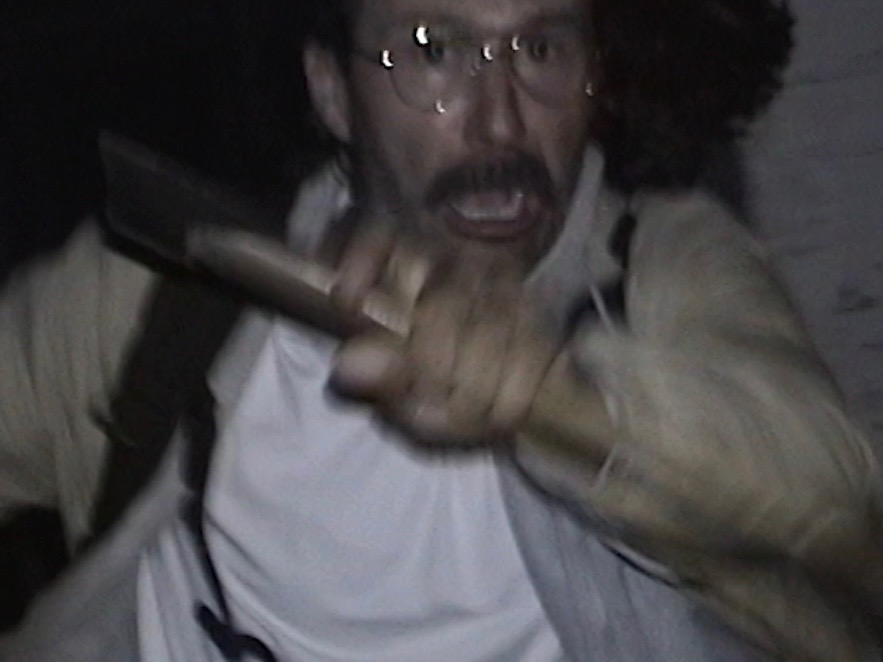
Director Alison-Eve Hammersley is taking her feature debut to Beyond Fest this October with Erie, a late-nineties found footage piece set during the paranoid run-up to Y2K. Following her shorts Fragile.com and You’ll Only Have Each Other, Hammersley’s first feature gets its first screening on October 1st at the Los Feliz 3 Theatre in Los…
-
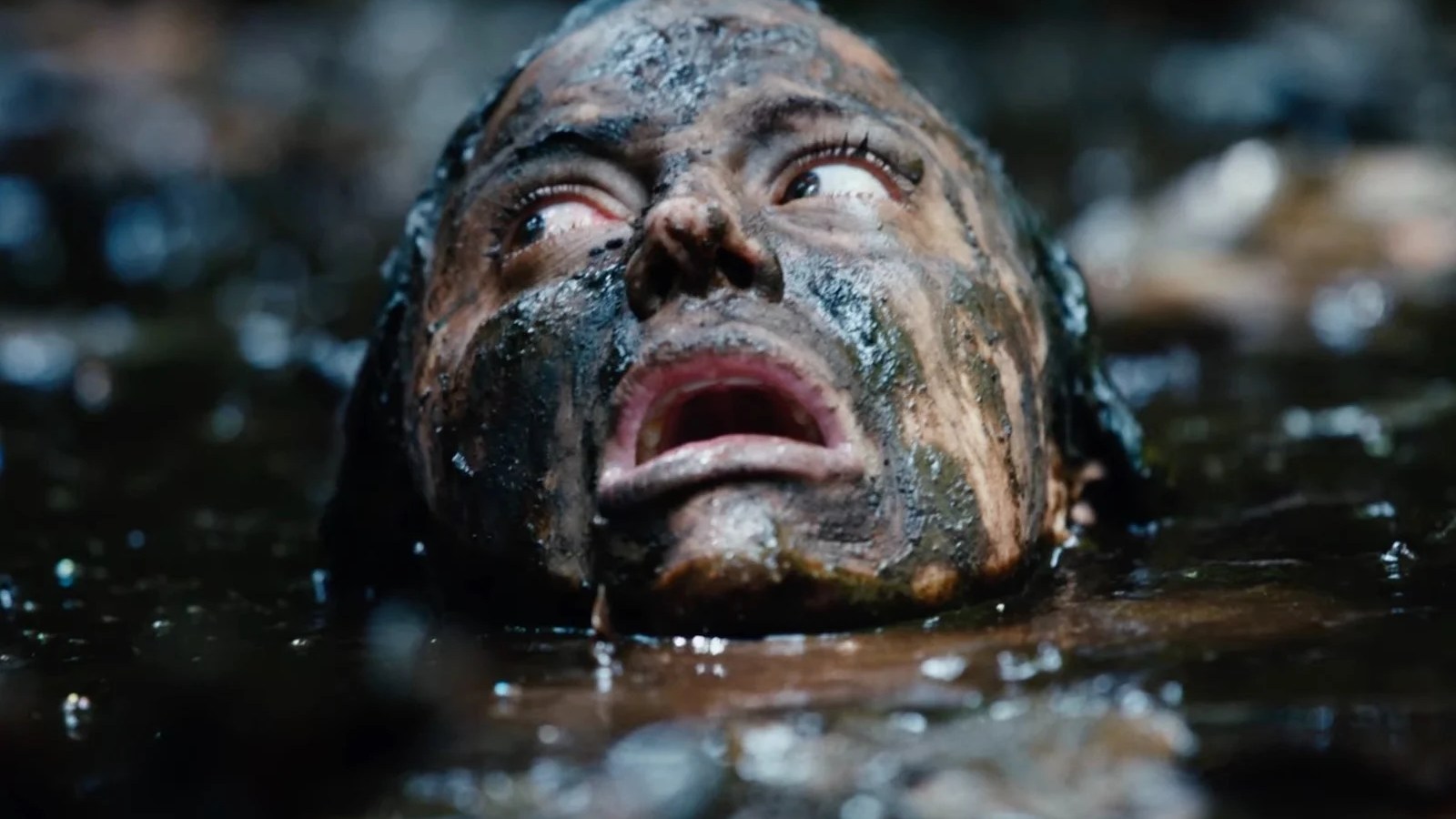
You know the best way to get my attention? Put a giant bloody snake in your film. There’s an immediate, primal pull to reptile horror, but the subgenre has spent the last twenty years choking on its own self-awareness. The second studios realized they could turn giant monster flicks into cheap, ironic comedies, anyone actually…
-

Normally, if an inbox email doesn’t contain grim Norwegian forests, obscure horror films, or suffocating guitar riffs, it gets bin-bagged without a second thought. But every now and then, a press release lands that catches the eye simply because it deals in the same currency we care about: raw atmosphere, ancestral tradition, and a complete…
-
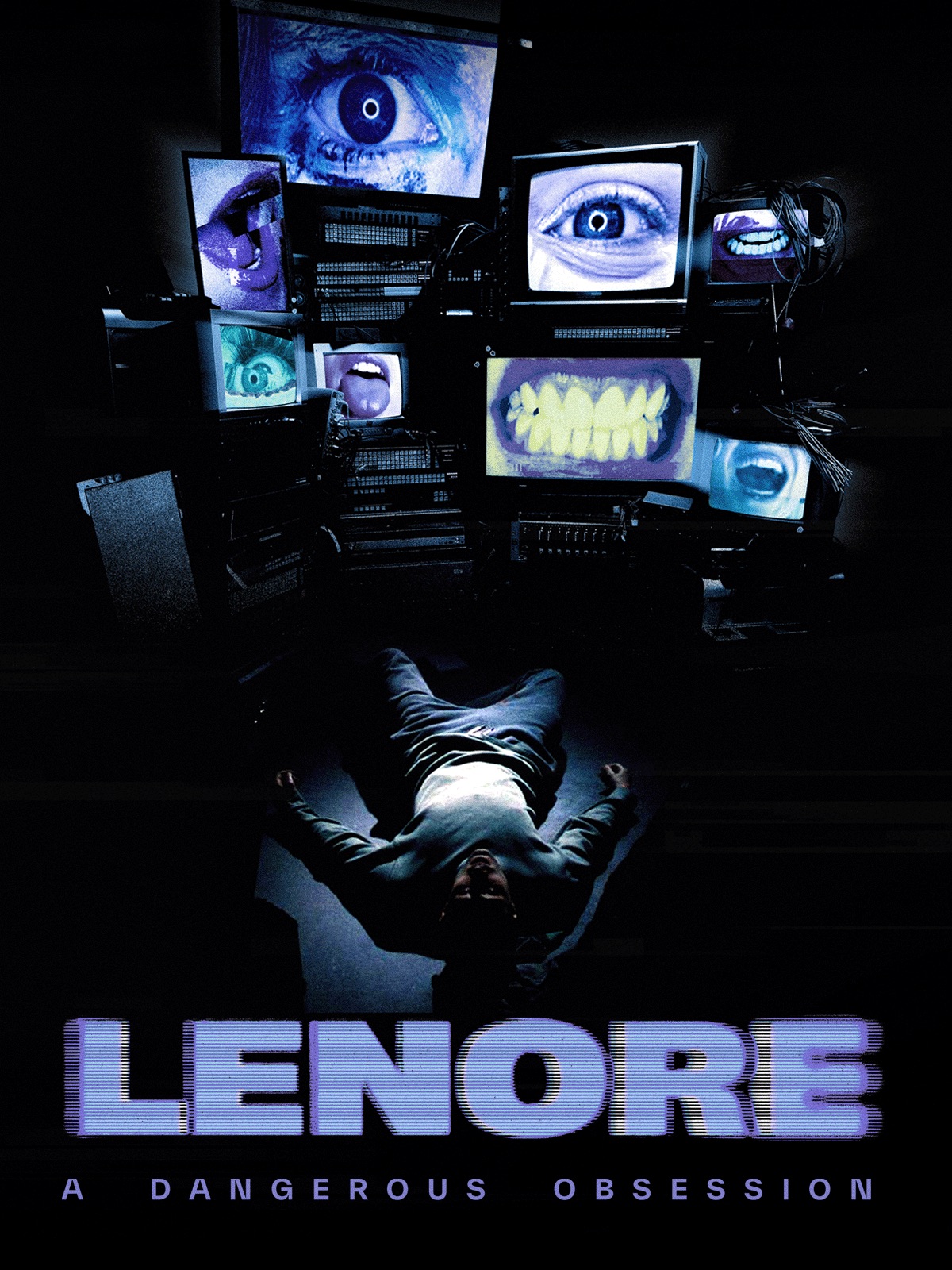
Lenore did something that no other horror movie has done to me in a long time. It made me jump. Yeah. I was surprised as well. I can’t tell you what happened or where in the film it occurred, because doing that would completely fucking ruin it, but for the first time in a very,…
-
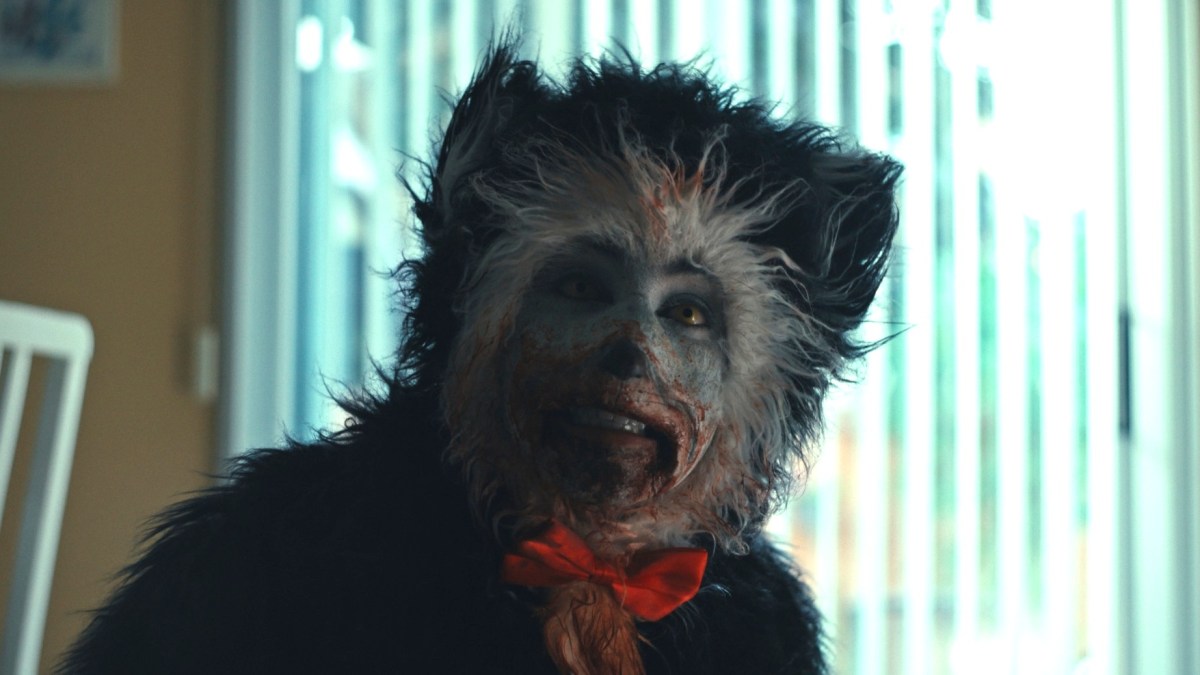
This is either going to be absolutely brilliant or bloody awful, but considering both of those things fall in my wheelhouse, I’m going to have a great time. The trend of turning beloved childhood icons into cheap slasher villains has officially claimed another victim. After Mickey Mouse, Bambi, Pinocchio, and Winnie the Pooh all got…
-
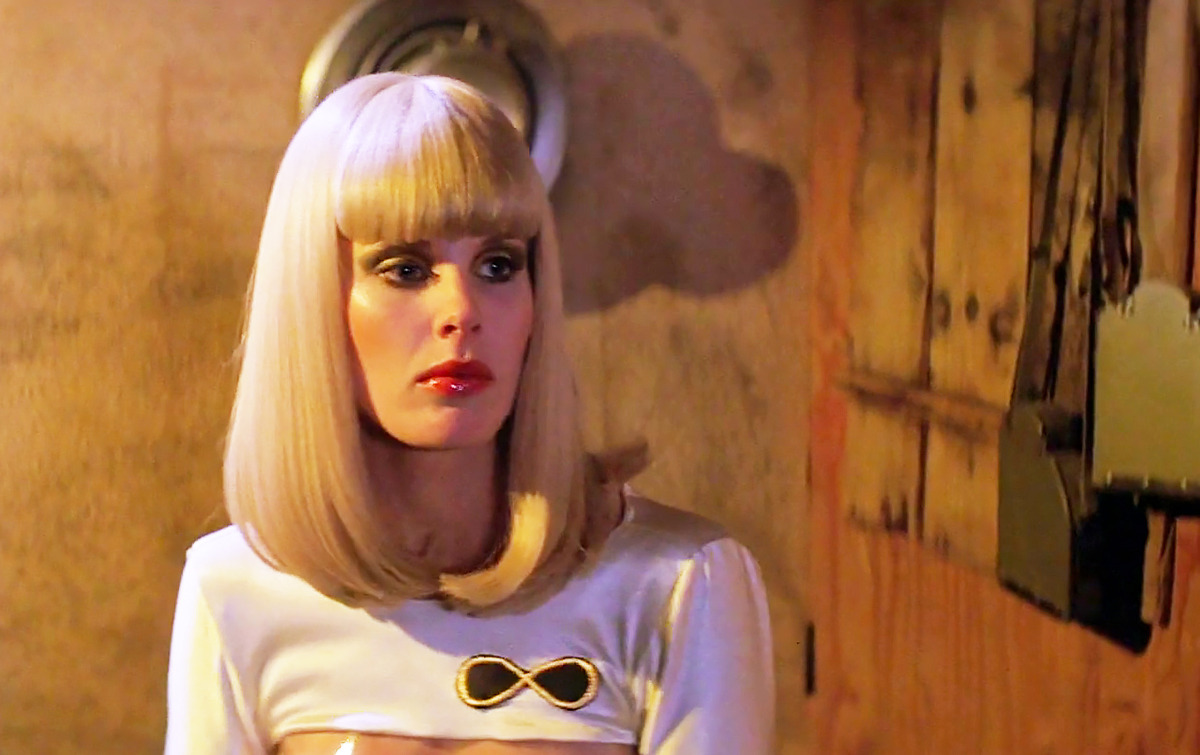
If you ever find yourself leaning over a sticky pub table trying to explain Galaxina to someone who’s never had the misfortune of seeing it, don’t bother explaining the plot. The scriptwriters certainly didn’t bother writing one. What we’ve got here is a 1980 exploitation Frankenstein that spends its first hour drifting aimlessly through deep…
-

Kung Fu. Check. Jiangshi. Check. Steven He. Check. Let’s be honest here: there was very little chance I wasn’t going to adore this film. It takes the glorious, unhinged spirit of classic 1980s Hong Kong hopping-vampire cinema and drops it right into the middle of Dublin, forcing two utterly useless pest exterminators, Danny (Steven He)…
-
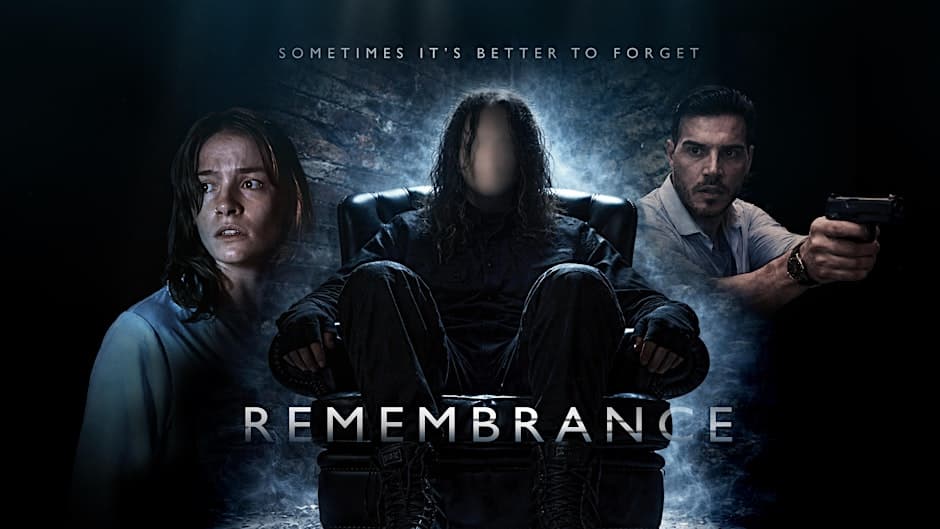
Anyone who caught Feed Me or Hosts knows co-director Richard Oakes doesn’t bother with polite, cozy British drama. He makes nasty, uncomfortable genre flicks. His latest, Remembrance, co-directed with writer-star James Matthew Denton, heads straight to UK digital platforms on 19 October via Reel2Reel Films. Things kick off in a hospital bed where Grace (Alyssa…