Category: Film
-

In 1978, a young, cigarette-smoking film geek named John Carpenter sat down to make a babysitter murders movie. What he actually unleashed was a lean, stalking nightmare, less a movie and more a cold breath on the back of your neck. He took the tropes of the drive-in, blood, boobs, and boogeymen, and filtered them…
-

I don’t like video game adaptations. I mean, unless they’re done by Uwe Boll. But as a rule I avoid this sorts of things like the plague. Resident Evil, Silent Hill, whatever the fuck Borderlands was, these are the kinds of cinematic catastrophes that commint the cardinal sin of not even being so bad that…
-
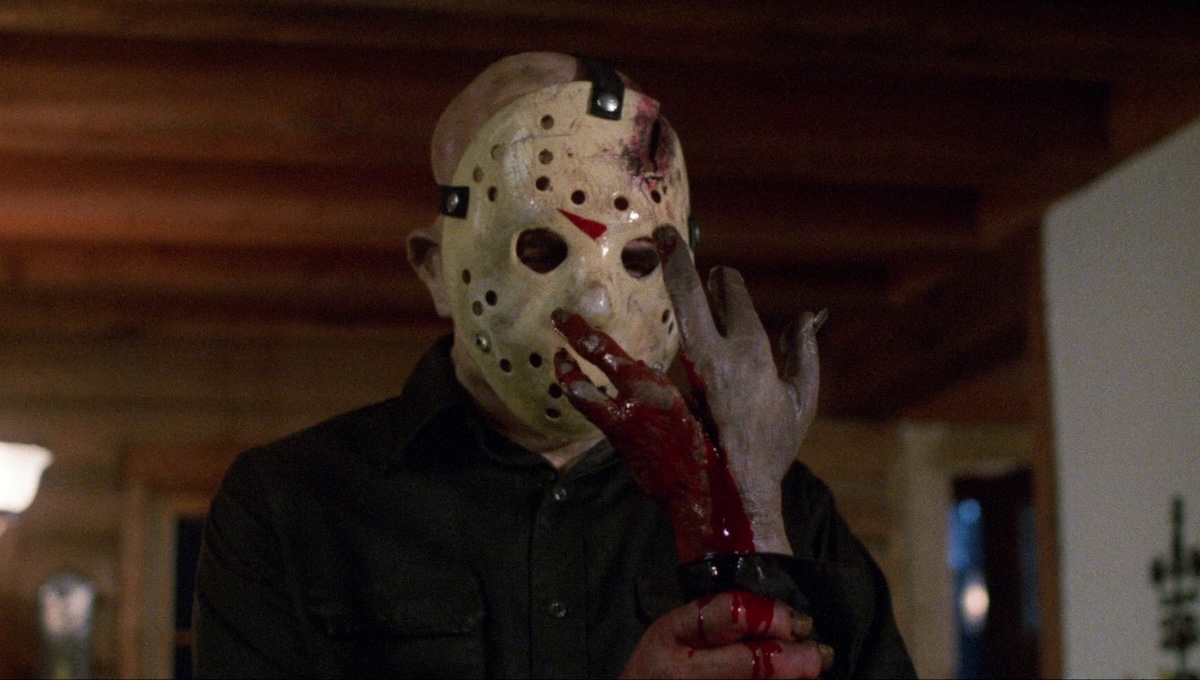
By 1984, the slasher genre was showing signs of fatigue and repetition. The Parent-Teacher Associations were up in arms, the critics were exhausted, and the formula was becoming as predictable as a 1950s sitcom. Paramount Pictures, sensing the end of an era, decided to do something radical: they decided to actually kill their golden goose.…
-
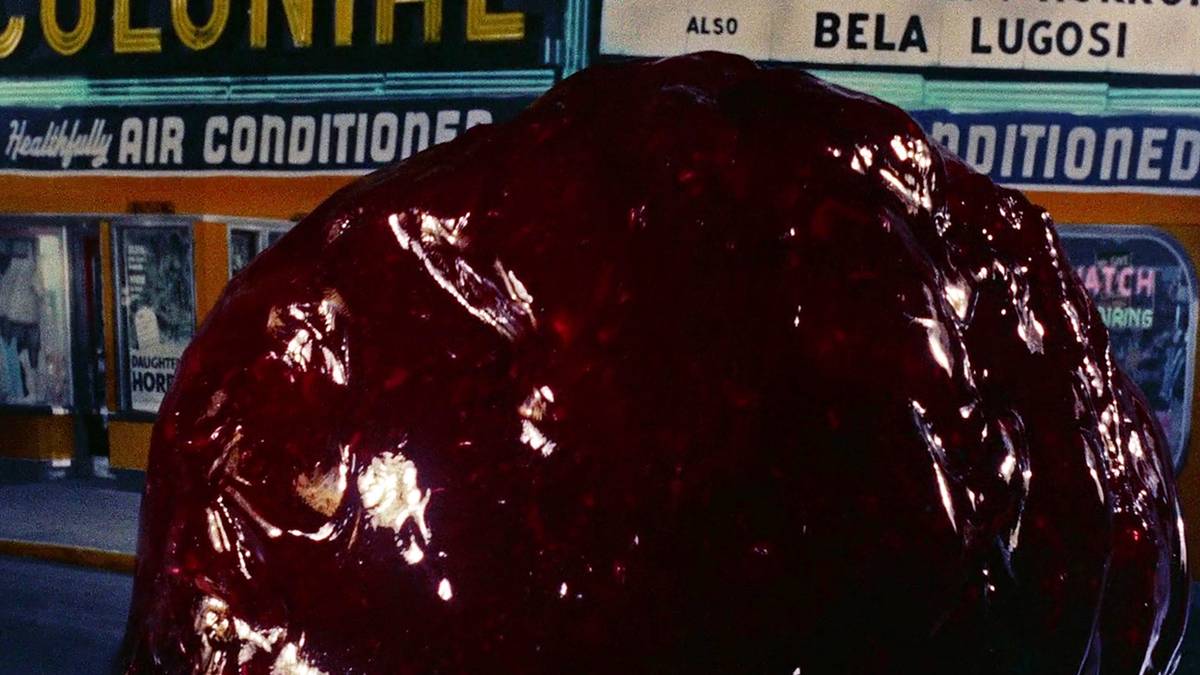
Get your hazmat suits ready and try to ignore the smell of burnt popcorn, because we are heading back to 1958, a year when the biggest threat to national security wasn’t a nuclear warhead, but a giant, sentient bowl of strawberry jam from the vacuum of space. We are dissecting the granddaddy of Goo-Horror, the…
-

Well, fuck. Bruce Campbell, the man, the myth, the guy who made us cheer whenever someone yelled “groovy”, has revealed he’s been diagnosed with cancer. The Evil Dead legend, best known as Ash Williams, shared the news himself on social media, calling the disease “treatable” but not “curable,” and apologizing to fans who might be…
-
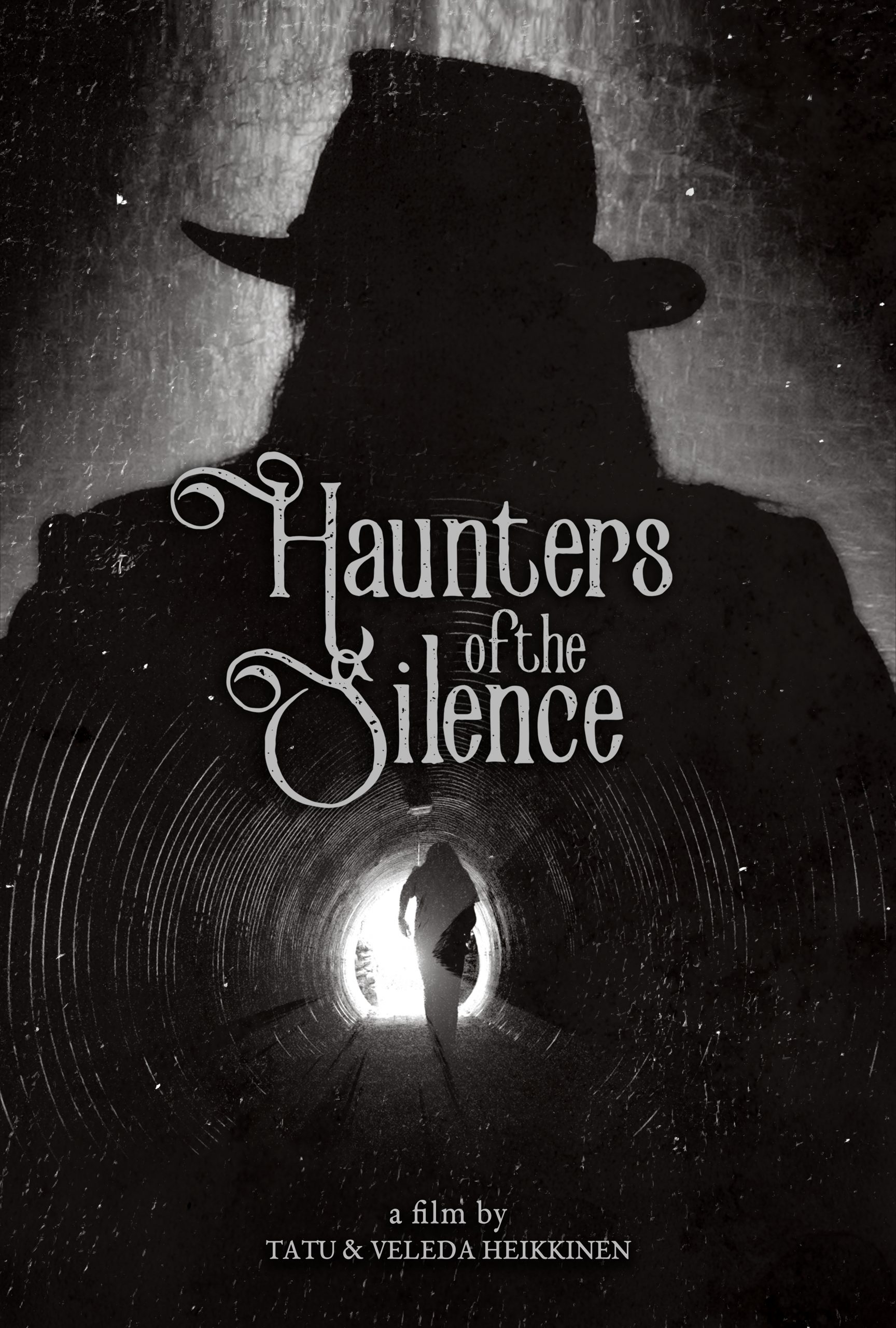
WARNING: SPOILERS AHEAD Haunters of the Silence is a 2026 surrealist folk-horror film by Finnish husband and wife duo Tatu Heikkinen and Veleda Thorsson-Heikkinen. Their debut feature proves to be an interesting piece of work, forgoing buckets of blood and jump scares in favor of a slow-burn, atmospheric approach, telling a visually poetic story about…
-
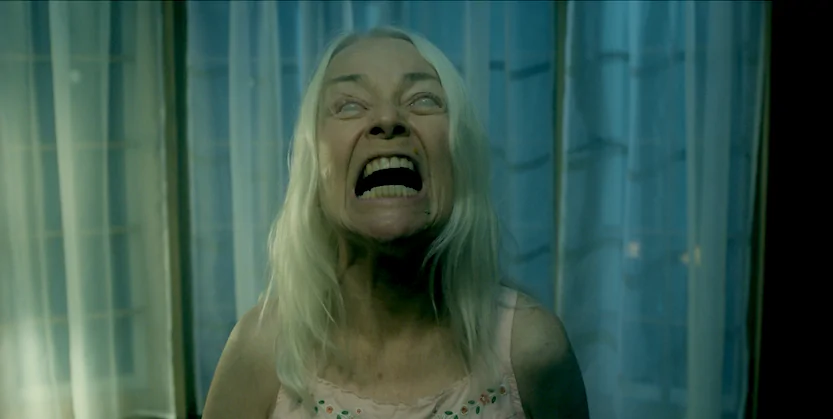
Ahead of its premiere at FrightFest Glasgow, Bury the Devil puts the horror in real time horror with this teaser trailer over on YouTube. Truth be told, it had me jumping a couple of times and if it can do that in such a small amount of space, there’s the good possibility that Bury the Devil will be able…
-
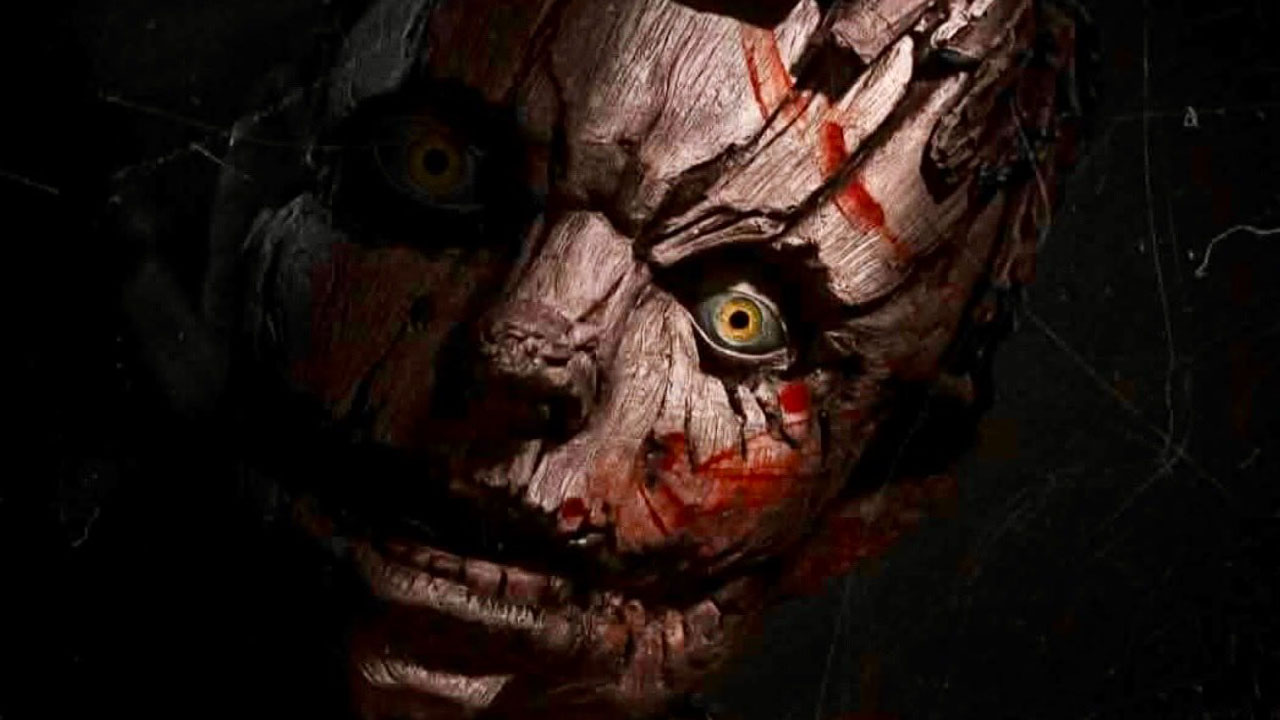
Yeah, you have to watch this. In the brutal new trailer for Pinocchio Unstrung, brought to you by the good folks at ITN, Pinocchio murders the hell out of everyone he comes across in his quest to become a real boy. A lot of negative things have been said about the use of public domain…
-
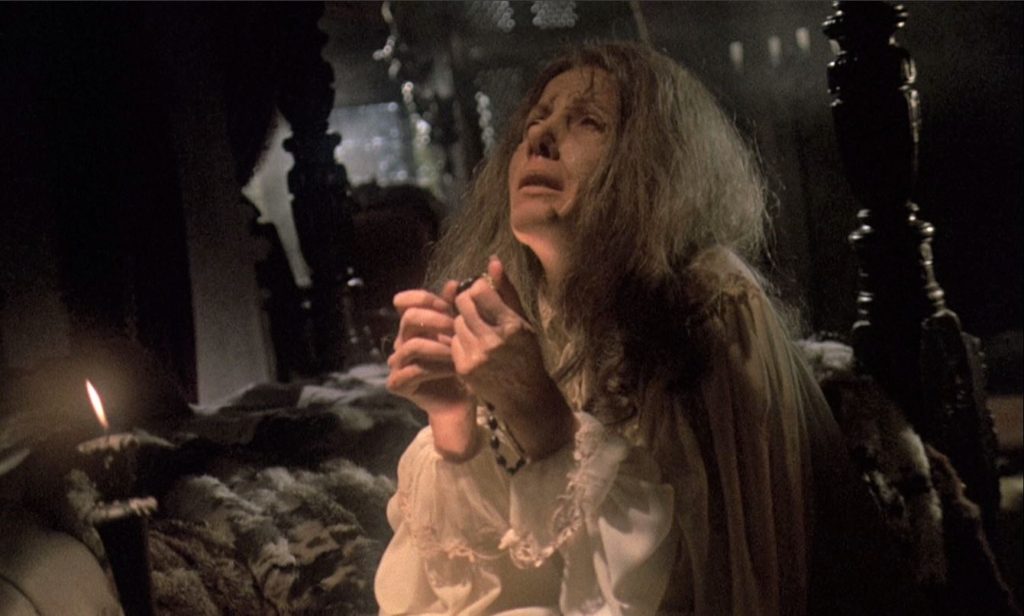
If you thought we were done with the aristocratic blood-suckers of the 1970s, think again. We are staying firmly planted in the foggy, cleavage-heavy landscape of Hammer’s experimental era. So, put on your most dramatic mourning veil and prepare for a masterclass in vanity, because we are dissecting the 1971 classic, Countess Dracula. Now, before…
-
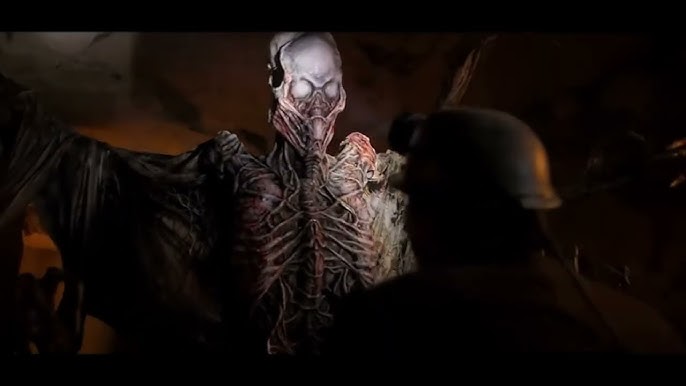
If you know anything about me by now, you’ll know I have a slight obsession with H.P. Lovecraft. So, anytime I see anything that has Lovecraftian attached to it, I’m gonna run towards it like a fat fuck at a free all you can eat buffet. And trust me, being a fat fuck myself, I…